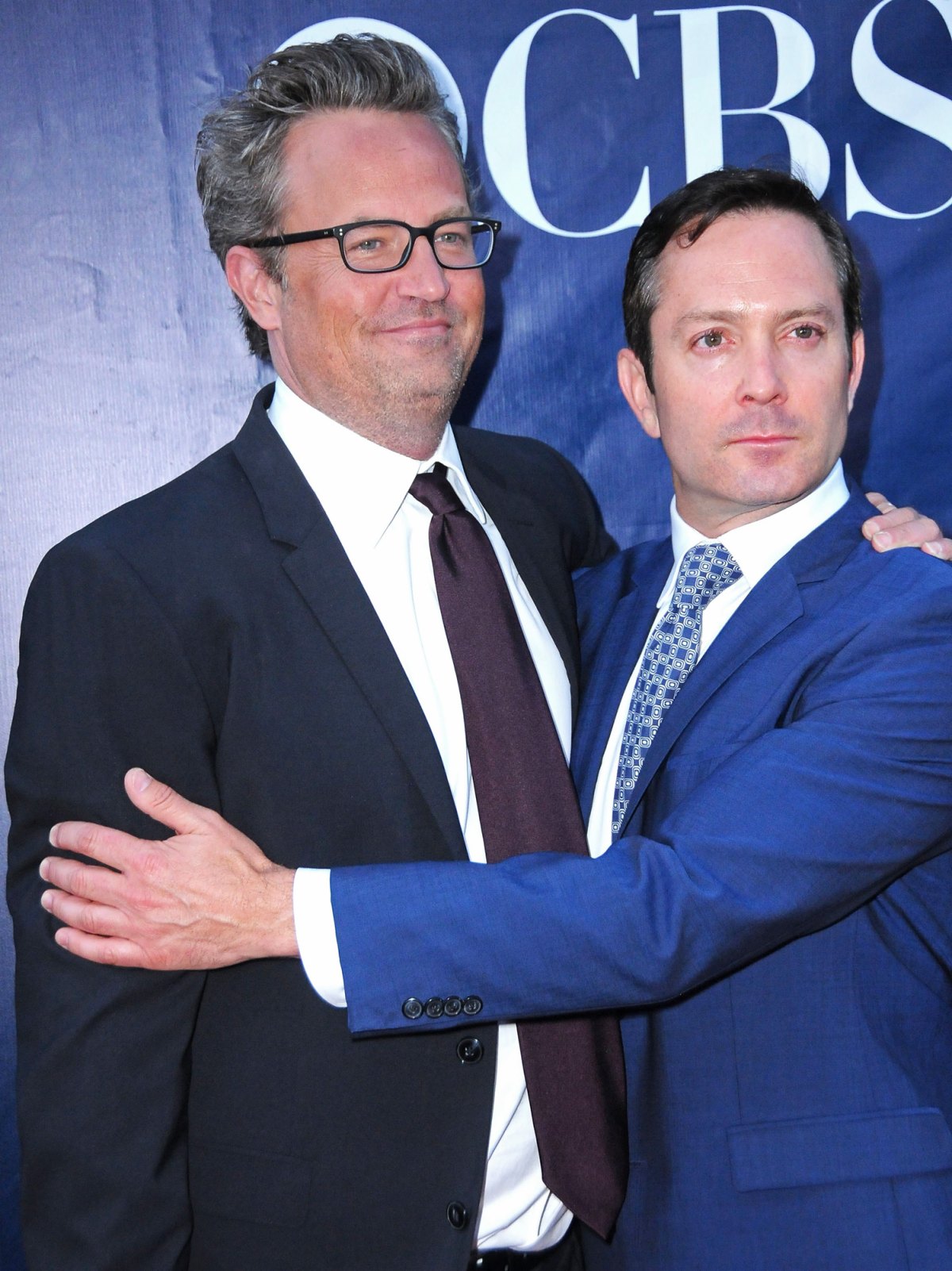
Thomas Lennon’s net worth around 2020 reflects a multi-decade career spanning acting, writing, producing, and showrunning in television and film. While exact figures for private individuals in the entertainment industry are estimated based on public real estate holdings, scaled television residuals, and production credits, financial analysts generally placed his net worth between $6 million and $10 million during this period.
The Foundations of a Multi-Hyphenate Entertainment Career
To understand how Thomas Lennon accumulated his wealth by 2020, one must look at his multifaceted trajectory in the entertainment industry. Lennon did not rely solely on a single high-profile acting role; instead, his financial portfolio was built upon a diverse blend of sketch comedy, blockbuster screenwriting, television creation, and recurring network television appearances.
His professional journey began in earnest with the founding of the influential sketch comedy troupe The State, which originated at New York University in the early 1990s and later transitioned into a cult-classic MTV sketch series. While early-stage sketch comedy rarely yields massive immediate fortunes, projects like The State established foundational industry relationships and intellectual property rights that would pay dividends over subsequent decades. Following The State, Lennon co-created and starred in Comedy Central’s critically acclaimed Reno 911!, playing the iconic, roller-skating Lieutenant Jim Dangle. This series served as a major financial turning point, providing long-tail syndication revenue, streaming licensing payouts, and eventual revival opportunities.
Beyond television acting and sketch comedy, Lennon carved out a remarkably lucrative path as a Hollywood screenwriter. Alongside collaborator Robert Ben Garant, Lennon penned some of the highest-grossing studio comedies of the 2000s and 2010s. Screenwriting in major-studio feature films operates on a tiered compensation model governed by Writers Guild of America (WGA) minimums, standard script-doctoring fees, and substantial production bonuses.
Major Revenue Streams Contributing to Wealth by 2020
Lennon's financial profile by 2020 can be broken down into several primary income categories, each contributing differently to his overall asset accumulation.
| Income Category | Primary Sources / Projects | Financial Impact Mechanism |
|---|---|---|
| Feature Film Screenwriting | Night at the Museum, The Pacifier, Baywatch | Upfront script fees, backend bonuses |
| Television Creation/Starring | Reno 911!, The State | Co-creator residuals, syndication, licensing |
| Supporting Film Roles | 17 Again, I Love You, Man, Transformers: AoE | Per-project episodic or flat-fee actor pay |
| Publishing & Licensing | Roner books, Ron Dimestore novels | Book advances, royalties |
Feature Film Screenwriting and Box Office Success
The most significant driver of Lennon’s commercial wealth stems from his work as a screenwriter for major motion pictures. Alongside Robert Ben Garant, Lennon co-wrote Night at the Museum (2006) and its sequels, Night at the Museum: Battle of the Smithsonian (2009) and Night at the Museum: Secret of the Tomb (2014). The global box office success of the franchise—grossing well over $1 billion worldwide—generated substantial downstream revenue through script bonuses, merchandising tie-ins, and studio re-writes.
Other notable screenwriting credits from this era include The Pacifier (2005), which grossed over $198 million globally, Herbie: Fully Loaded (2005), and Baywatch (2017). Screenwriters on high-profile studio tentpoles typically command high base compensation alongside percentage-based performance bonuses tied to global box office milestones. These commercial writing credits provided the capital necessary for Lennon to invest in real estate and maintain financial stability during non-production periods.
Television Creation, Starring Roles, and Syndication
On the small screen, Lennon’s financial anchor remained Reno 911!. As a co-creator, writer, executive producer, and star, Lennon held an equity stake in the intellectual property. When television shows achieve syndication or find lucrative second-window distribution on streaming platforms like Comedy Central's digital apps, Netflix, or Quibi (which briefly revived Reno 911! in 2020), the creators and primary producers receive consistent residual payments.
In addition to Reno 911!, Lennon maintained a prolific career as a character actor, appearing in recurring television roles across popular network and cable programs such as The Odd Couple (where he starred as Felix Unger), Santa Clarita Diet, Arrow, and Maron. Episodic television guest star and series regular rates, combined with standard union (SAG-AFTRA) residuals for reruns, contributed a steady, predictable stream of passive income.
Publishing and Literary Ventures
Diversifying beyond screen and stage, Lennon ventured into young adult and middle-grade fiction writing. He authored the Ron Dimestore series and the Roner book series. While book advances for mid-tier children's and young adult fiction do not match blockbuster screenwriting paychecks, successful middle-grade publishing provides steady royalty income and expands an artist's personal brand equity across multiple media vectors.
Real Estate Assets and Lifestyle Investments
A substantial portion of a veteran actor and writer’s net worth is typically tied up in physical property. In the high-cost-of-living Los Angeles entertainment market, real estate investments serve as both primary residences and long-term appreciation assets. Public property records from the greater Los Angeles area indicate that Lennon, alongside his wife, actress Jenny Robertson, maintained strategic residential holdings that appreciated significantly throughout the 2010s. Real estate equity represented a core stabilizing pillar of his estimated $6 million to $10 million net worth by 2020.
Industry Financial Mechanics: Understanding Hollywood Net Worth Estimates
When evaluating public estimates of celebrity net worths during specific historical windows like 2020, financial journalists and researchers must account for several structural variables inherent to the entertainment industry:
- Gross Earnings Versus Net Worth: Gross earnings represent total income before commissions, manager fees, agent cuts, guild dues, federal, state, and local taxes, and lifestyle overhead. Net worth is an estimate of total assets minus total liabilities at a given point in time.
- Residual Volatility: For writers and actors, residual checks fluctuate year-over-year depending on cable syndication schedules, international broadcast sales, and streaming platform licensing agreements.
- Intellectual Property Valuation: Owning a percentage of a successful television format or film franchise provides a valuation baseline that appreciates if the property is rebooted or adapted for new media formats.
Frequently Asked Questions
What was Thomas Lennon's primary source of wealth in 2020?
By 2020, Thomas Lennon’s wealth was primarily generated through a combination of feature film screenwriting royalties from major studio franchises like Night at the Museum, long-tail television residuals from Reno 911!, and steady compensation from ongoing acting, producing, and literary projects.
Did Thomas Lennon co-write Night at the Museum?
Yes. Thomas Lennon co-wrote the screenplays for the entire Night at the Museum trilogy alongside his frequent collaborator Robert Ben Garant. The massive global box office performance of these films contributed significantly to his career earnings.
Is Thomas Lennon a part owner of Reno 911!?
Yes. Alongside co-creators Robert Ben Garant and Kerri Kenney-Silver, Lennon co-created Reno 911! and held key production and equity stakes in the property, allowing him to benefit financially from syndication, home video sales, streaming distribution, and revival seasons.
How are celebrity net worth figures calculated for years like 2020?
Celebrity net worth figures are compiled by financial analysts using public records such as real estate deeds, reported WGA and SAG-AFTRA baseline earnings, historical box office data, known syndication deals, and industry standard commission structures. Because private financial portfolios are confidential, these figures remain informed estimates.
Practical Insights and Summary of Financial Trajectory
Thomas Lennon’s financial standing in 2020 illustrates the viability of a diversified career model in the modern entertainment industry. Rather than depending exclusively on high-profile acting gigs—which can be notoriously feast-or-famine—Lennon insulated himself against industry volatility by mastering multiple disciplines: writing blockbuster intellectual property, co-creating owned television assets, and maintaining a high volume of character-acting work. For aspiring creatives and industry analysts alike, Lennon's career serves as a clear case study in how intellectual property ownership and creative versatility compound financial value over a multi-decade span.