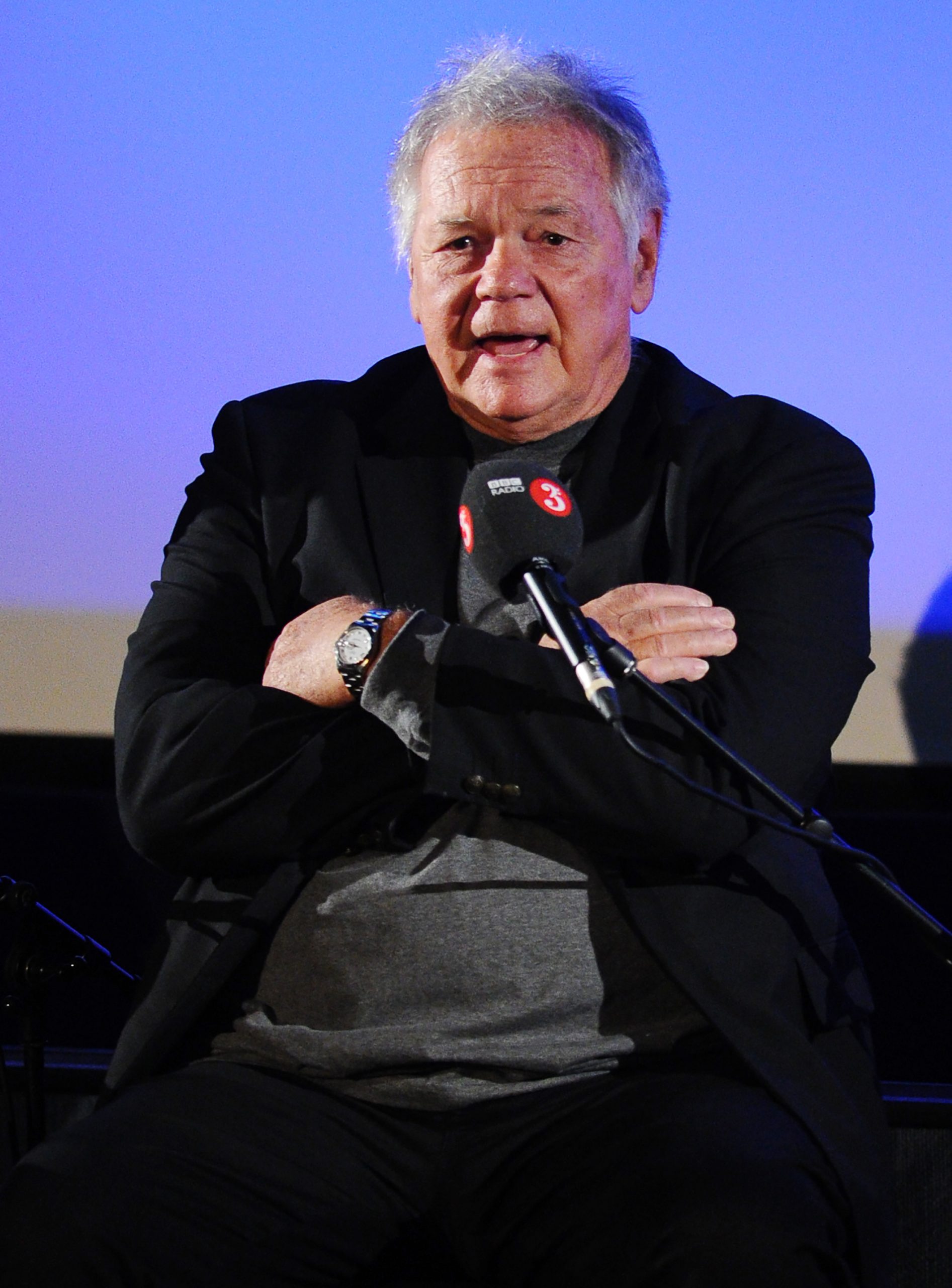
Gary Lockwood, best remembered by international cinema and television audiences for his iconic portrayal of astronaut Frank Poole in Stanley Kubrick’s 1968 masterpiece 2001: A Space Odyssey, enjoyed a multifaceted career spanning decades across film, television, and theater. When inquiries regarding the "2018 gary lockwood net worth revealed" surface, they typically reflect public curiosity about how a veteran Hollywood character actor accumulates, preserves, and manages wealth generated from a lifetime in the entertainment industry, particularly from landmark science fiction projects that continue to yield residual value.
Evaluating the financial standing of a legacy actor like Gary Lockwood involves understanding the economics of mid-century Hollywood, television syndication structures, and the long-tail revenue models associated with classic cinematic properties. While tabloid-style internet summaries frequently publish speculative or inflated estimates regarding celebrity fortunes, a grounded analysis examines verifiable career output, standard industry compensation models of the era, and the enduring commercial lifecycle of major film and television milestones.
The Foundations of Gary Lockwood’s Career and Earning Potential
To understand the financial architecture behind any historical net worth assessment of Gary Lockwood, one must examine the trajectory of his professional acting career. Born John Gary Yusolfsky in 1937, Lockwood transitioned from a collegiate athletic background to working as a stuntman in Hollywood before securing prominent acting roles under studio contracts. During the 1950s and 1960s, the Hollywood studio system was undergoing a structural evolution, shifting away from long-term exclusive player contracts toward independent production and project-by-project agreements.
Lockwood established a strong footprint in television, starring in the ABC series Follow the Sun (1961–1962) and subsequently landing the title role in the NBC medical drama The Lieutenant (1963–1964), created by Gene Roddenberry. Guest-starring appearances on high-profile network programs—including memorable turns in Star Trek ("Where No Man Has Gone Before") and The Twilight Zone—provided steady, union-scale income governed by Screen Actors Guild (SAG) frameworks.
| Project Category | Notable Titles | Primary Revenue Mechanism | Residual Structure |
|---|---|---|---|
| Feature Films | 2001: A Space Odyssey, Splendor in the Grass | Upfront flat-fee contracts; profit participation rare for supporting actors | Standard SAG-AFTRA theatrical residuals |
| Network Television | The Lieutenant, Follow the Sun | Weekly episodic salaries during active production seasons | Television syndication and rerun residuals |
| Television Guest Spots | Star Trek, The Twilight Zone | Per-episode guest-star rates | Scaled rerun payments over decades |
| Stage & Personal Appearances | Regional theater, sci-fi conventions | Guarantee fees, ticket shares, autograph and memorabilia sales | Direct performance income |
Economic Realities of 1960s Cinema and 2001: A Space Odyssey
The centerpiece of Lockwood’s cinematic legacy is undeniably his role as Dr. Frank Poole in 2001: A Space Odyssey. Directed by Stanley Kubrick and released by Metro-Goldwyn-Mayer (MGM), the film revolutionized visual effects and storytelling in science fiction. However, financial compensation structures for actors in major studio releases during that era differed significantly from contemporary blockbuster profit-sharing deals.
Supporting actors like Lockwood and co-star Keir Dullea typically worked on standard upfront weekly or picture salaries rather than lucrative backend gross-point deals reserved for major bankable stars or directors. While 2001: A Space Odyssey became a monumental financial and cultural success, grossing hundreds of millions of dollars over subsequent decades through theatrical re-releases, home video formats, and digital streaming, the immediate financial windfall for the supporting cast was largely confined to their initial contractual compensation.
Nevertheless, participation in a cinematic milestone of this magnitude created long-term professional capital. Throughout his later decades, Lockwood remained in demand for retrospective interviews, documentaries, anniversary screenings, and science fiction fan conventions, all of which served as consistent secondary revenue streams.
Understanding Celebrity Net Worth Estimations in Retrospect
When internet publications or financial aggregators attempt to calculate or "reveal" a celebrity's net worth for a specific historical window—such as the year 2018—they often rely on unverified assumptions rather than audited financial disclosures. Private citizens and career actors are not legally obligated to publish public balance sheets unless associated with corporate filings or probate proceedings.
Several key factors distort public net worth figures:
- Gross Earnings vs. Net Wealth: Total lifetime earnings do not equate to net worth. Expenses, taxation, agent commissions, legal fees, and personal lifestyle overhead substantially reduce cumulative capital.
- Real Estate Holdings: A significant portion of a long-working actor's wealth is frequently tied up in primary residences and real estate assets, which fluctuate in market value and incur ongoing maintenance costs.
- Residual Volatility: Union residuals from television syndication diminish over time as older programs rotate out of active syndication schedules, though digital streaming platforms introduced new, albeit often complex, residual calculation formulas.
Financial Management and Retirement for Legacy Actors
For actors who worked extensively prior to the widespread adoption of modern multimedia merchandising and backend equity participation, financial security in retirement heavily depended on union pension plans and personal investment strategies. The Screen Actors Guild-American Federation of Television and Radio Artists (SAG-AFTRA) health and retirement funds provided crucial safety nets for performers who maintained qualifying earnings thresholds throughout their active years.
Furthermore, smart asset diversification—such as real estate investments acquired during periods of steady television production in Southern California—often formed the bedrock of long-term financial stability for actors of Lockwood's generation.
Frequently Asked Questions
What was Gary Lockwood's net worth in 2018?
There is no official or audited public record of Gary Lockwood's exact net worth in 2018. Online estimates published by various celebrity wealth tracking websites are speculative, frequently ranging from modest sums to higher figures without verifiable documentation from private financial advisors or estate records.
Did Gary Lockwood receive backend profits from 2001: A Space Odyssey?
No. Like most supporting actors in major studio films of the late 1960s, Lockwood was compensated via standard upfront contractual salaries rather than backend box-office percentage deals, meaning his direct financial gain from the film's massive long-term box-office success was limited to standard union residuals and secondary market distributions.
What were Gary Lockwood's most prominent acting roles?
Lockwood is best known for playing astronaut Frank Poole in Stanley Kubrick's 2001: A Space Odyssey (1968) and for starring as Lieutenant Commander Terry Nickerson in the NBC military drama series The Lieutenant (1963–1964). He also delivered memorable guest performances in classic television series such as Star Trek and The Twilight Zone.
How do historical celebrity net worth figures get calculated?
Most retrospective net worth estimates rely on generalized assumptions regarding historical salary scales, union minimum wage data, estimated real estate transactions, and public property records. Without access to private tax returns, investment portfolios, and debt obligations, these figures remain unverified approximations.
How do television residuals impact aging actors' incomes?
Union-mandated residuals provide ongoing compensation when television episodes or films are rebroadcast, syndicated, or distributed on home video and streaming platforms. While initial syndication runs during the 1970s and 1980s generated significant recurring income, subsequent re-airings often yield diminishing financial returns over decades.
Practical Guidance on Assessing Historical Celebrity Wealth
When researching the financial history or career economics of classic Hollywood actors, consumers should approach internet net worth disclosures with analytical caution. Distinguishing between verified professional earnings—such as documented studio contracts and union pay scales—and sensationalized digital estimates prevents reliance on inaccurate data. For entertainment historians and enthusiasts alike, the true value of Gary Lockwood's career lies not in speculative dollar figures, but in his enduring contributions to landmark television and cinematic history that continue to captivate audiences worldwide.