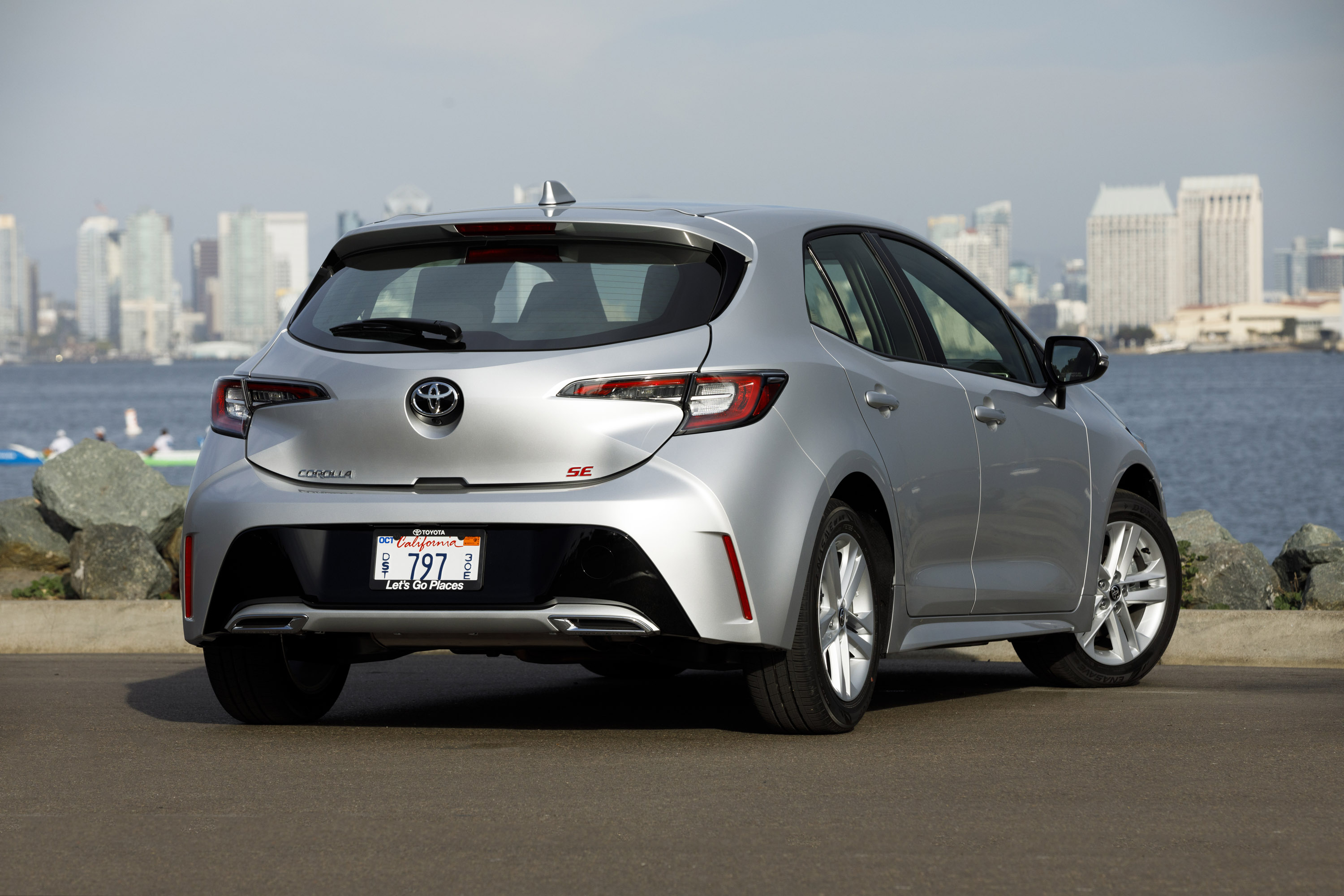
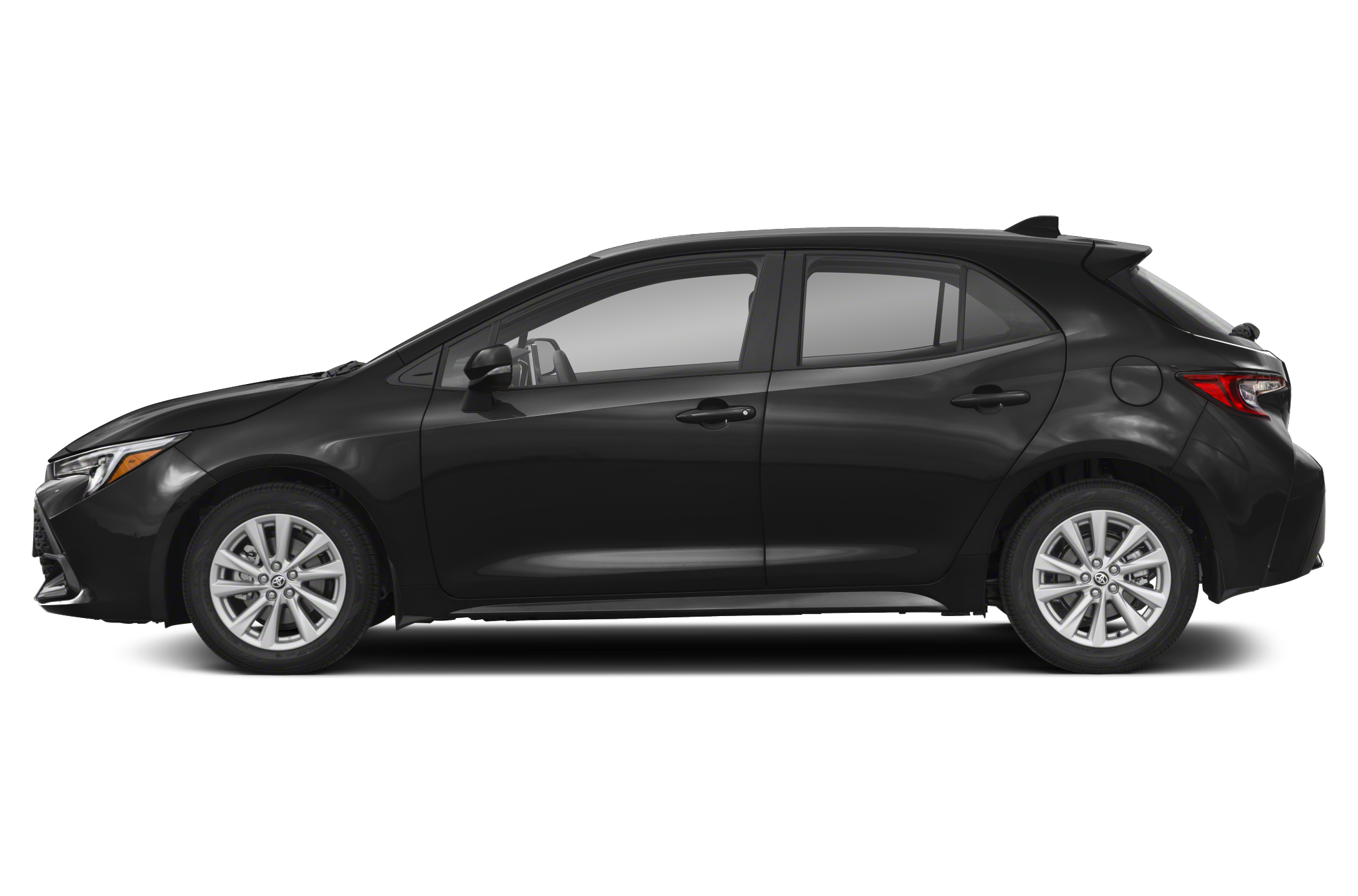
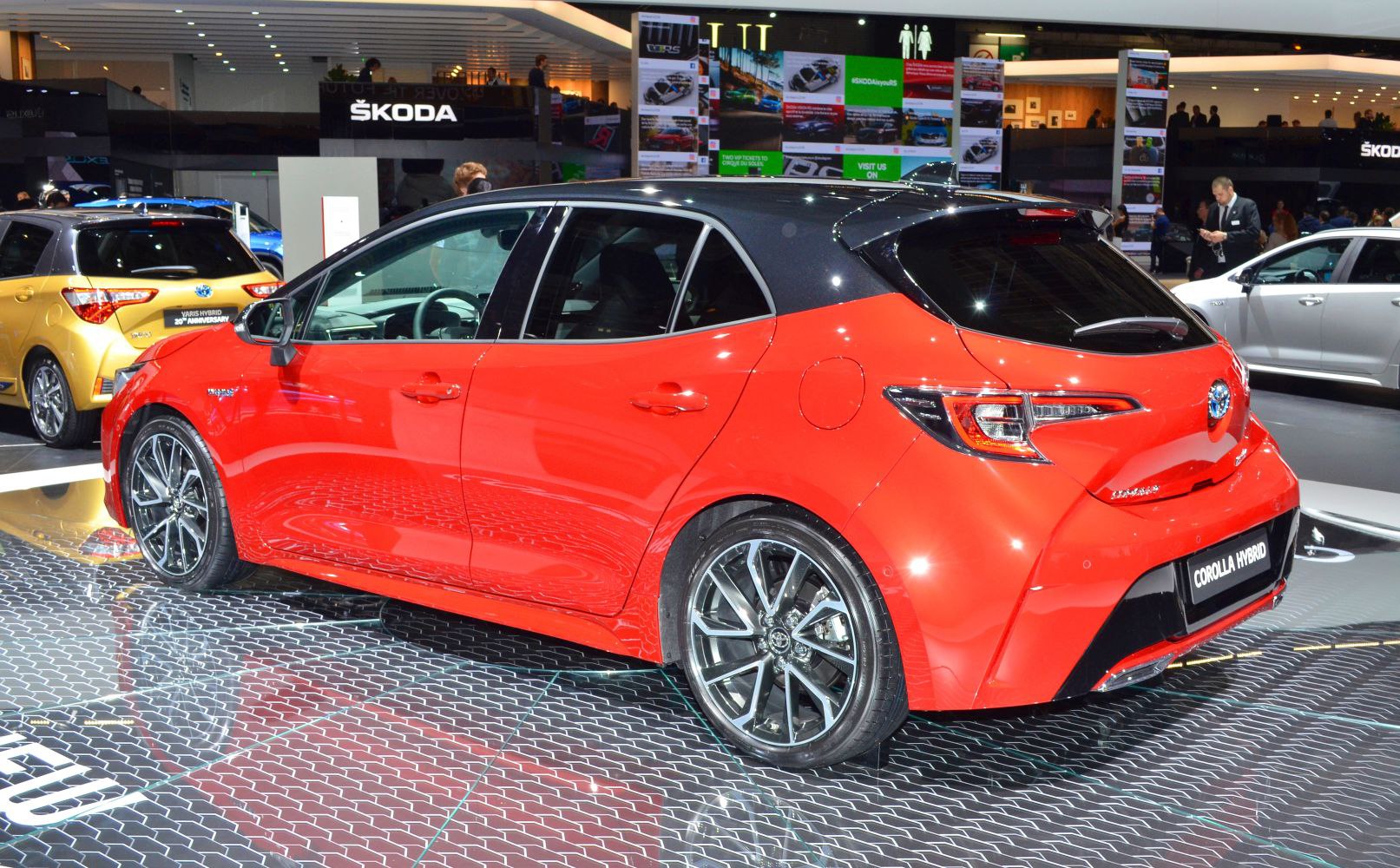
The 2018 Corolla Hatchback—globally known during this transition period as the Toyota Corolla iM before adopting the Corolla Hatchback moniker in international markets for the 2019 model year—represents a practical, reliable, and fuel-efficient compact car designed for daily commuting and urban versatility. It combines hatchback utility with standard safety technology and a comfortable ride.
Understanding the 2018 Corolla Hatchback Evolution
The compact car landscape underwent significant changes through the mid-2010s. For the 2018 model year, this vehicle was officially marketed in North America as the Toyota Corolla iM, retaining the platform and styling inherited from the Scion iM after Toyota absorbed the Scion brand. In other global markets, it was already known under various hatchback designations. Understanding this naming lineage is essential for prospective buyers, as parts, insurance documentation, and pre-owned listings often cross-reference the iM designation with the later hatchback nomenclature.
This vehicle bridges the gap between traditional sedan practicality and the cargo-friendly configuration of a five-door layout. Buyers exploring the pre-owned market in 2026 will find that the 2018 model retains strong residual value thanks to Toyota's reputation for mechanical durability. While it lacks the aggressive performance tuning of hot hatches, it delivers dependable transportation with low maintenance costs.
Powertrain Specifications and Mechanical Performance
Under the hood, the 2018 Corolla Hatchback relies on a 1.8-liter four-cylinder engine utilizing Toyota's Valvematic technology. This powerplant generates 137 horsepower and 126 lb-ft of torque. While these figures position the car as an economical commuter rather than a sports car, the engine is paired with transmissions designed to optimize fuel efficiency.
Buyers could choose between a traditional six-speed manual transmission and a Continuously Variable Transmission (CVT) featuring simulated seven-speed sequential shift modes. The manual transmission appeals to drivers seeking a more engaging experience, whereas the CVT targets maximum fuel economy, achieving an EPA-estimated rating of roughly 28 mpg city and 36 mpg highway.
| Feature / Specification | Manual Transmission (6-Speed) | CVT (Continuously Variable Transmission) |
|---|---|---|
| Engine Type | 1.8L 4-Cylinder (2ZR-FAE) | 1.8L 4-Cylinder (2ZR-FAE) |
| Horsepower | 137 hp @ 6,100 rpm | 137 hp @ 6,100 rpm |
| Torque | 126 lb-ft @ 4,000 rpm | 126 lb-ft @ 4,000 rpm |
| EPA Fuel Economy (City/Hwy) | 27 / 35 mpg | 28 / 36 mpg |
| Drivetrain | Front-Wheel Drive (FWD) | Front-Wheel Drive (FWD) |
Interior Comfort, Cargo Capacity, and Technology
The cabin of the 2018 model prioritizes ergonomic functionality and straightforward controls. Dual-zone automatic climate control comes standard, a notable feature for a vehicle in this compact price bracket. The dashboard layout features a 7-inch touchscreen infotainment interface running the Pioneer-sourced system, which includes Bluetooth connectivity, a USB port, and Aha Radio integration. However, it is worth noting that Apple CarPlay and Android Auto were not supported on this specific model year, which may influence tech-focused buyers.
Cargo versatility is the primary selling point of the hatchback body style. Behind the rear seats, the vehicle offers 20.8 cubic feet of cargo space. Folding down the 60/40 split-lowering rear seats expands this capacity significantly, allowing bulky items, bicycles, or luggage to fit with relative ease. Passenger legroom is competitive for the compact segment, though rear-seat passengers over six feet tall may find knee room tight on long journeys.
Safety Ratings and Driver-Assistance Features
Safety is a critical consideration for pre-owned vehicle buyers. The 2018 Corolla Hatchback came standard with the Toyota Safety Sense C (TSS-C) suite. This active safety bundle includes:
- Pre-Collision System: Designed to detect potential frontal impacts and issue audio-visual alerts, applying emergency braking if the driver does not react in time.
- Lane Departure Alert: Monitors visible lane markings and warns the driver if the vehicle begins to drift unintentionally.
- Automatic High Beams: Detects oncoming headlights or preceding taillights and automatically toggles between high and low beams.
In crash testing conducted by the Insurance Institute for Highway Safety (IIHS), the vehicle performed well, earning high marks across multiple crashworthiness evaluations. Similarly, the National Highway Traffic Safety Administration (NHTSA) awarded the vehicle a strong overall safety rating, reflecting the robust structural integrity of the corporate New Global Architecture principles beginning to influence Toyota's lineup during this era.
Ownership Costs, Reliability, and Maintenance
Evaluating total cost of ownership involves examining fuel expenses, routine maintenance, and insurance premiums. Toyota's 1.8-liter engine has a long-standing reputation for reliability, utilizing a timing chain rather than a timing belt, which eliminates the need for expensive belt replacement intervals. Routine maintenance is largely restricted to standard oil changes, fluid checks, brake pad replacements, and occasional spark plug service.
Common wear items to inspect when evaluating a pre-owned 2018 model include:
- Brake Component Wear: Depending on driving habits, front brake pads and rotors may require replacement around the 40,000 to 60,000-mile mark.
- CVT Fluid Condition: For models equipped with the automatic transmission, verifying whether the CVT fluid has been inspected or serviced per manufacturer recommendations helps ensure long-term transmission health.
- Suspension Bushings: Check struts and control arm bushings for signs of cracking or wear, particularly if the vehicle has operated extensively on rough urban roads.
Common Questions About the 2018 Corolla Hatchback
Does the 2018 Corolla Hatchback have Apple CarPlay?
No, the 2018 model does not support Apple CarPlay or Android Auto natively. The infotainment system relies on Bluetooth, auxiliary inputs, and proprietary software interfaces. Owners desiring modern smartphone integration typically install an aftermarket head unit.
Is the 2018 Corolla Hatchback reliable?
Yes, the vehicle is widely regarded as mechanically dependable. Its powertrain utilizes a naturally aspirated 1.8-liter engine shared across numerous Toyota and Scion platforms, minimizing unexpected mechanical failures when routine maintenance schedules are followed.
How much cargo space does it offer?
The hatchback configuration provides 20.8 cubic feet of dedicated cargo space behind the rear seats. Folding the rear seats flat expands this capacity substantially, accommodating larger boxes and equipment.
What is the difference between the Corolla iM and Corolla Hatchback?
In North America, the 2018 model was officially badged as the Toyota Corolla iM (inheriting the design from the discontinued Scion iM). For the 2019 model year, Toyota redesigned the vehicle on the TNGA platform and officially adopted the "Corolla Hatchback" name globally.
Is the manual transmission fun to drive?
The six-speed manual transmission offers positive shift gates and allows drivers to extract maximum power from the modest 137-horsepower engine. While not a dedicated sports car, the manual variant provides a more engaging driving dynamic than the CVT.
Final Recommendation for Prospective Buyers
The 2018 Corolla Hatchback remains a sensible choice for drivers seeking low operating costs, hatchback versatility, and proven reliability. Buyers prioritizing modern smartphone connectivity should budget for an aftermarket stereo upgrade, while those valuing safety and fuel economy will find the standard driver-assistance features and efficient powertrain well-suited for daily commuting. Always request a comprehensive pre-purchase inspection and verify the service history before finalizing a transaction.