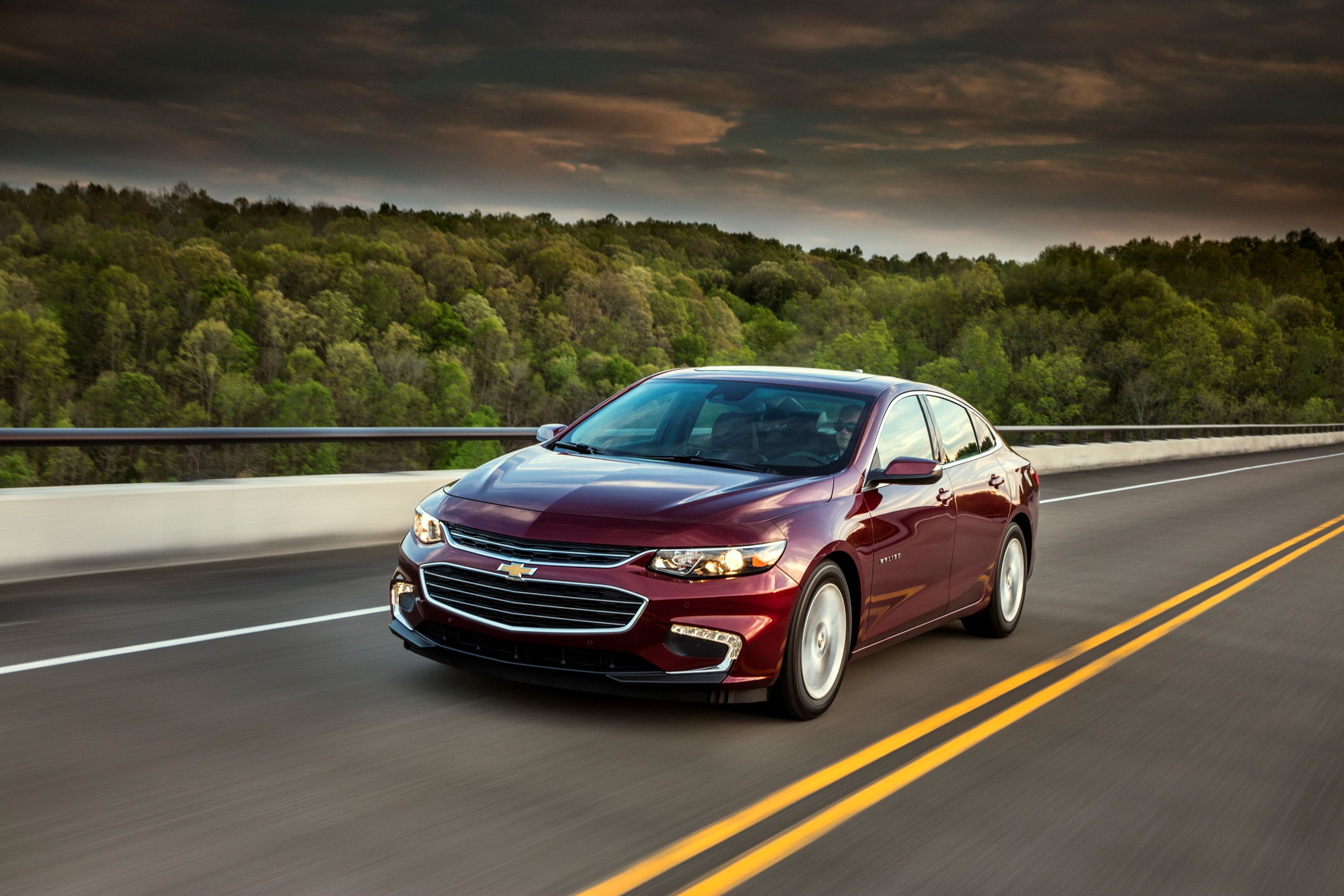
The 2017 Chevrolet Malibu offers three distinct powertrains, delivering between 160 and 250 horsepower depending on the engine selection. The base 1.5-liter turbocharged 4-cylinder produces 160 horsepower, while the performance-oriented 2.0-liter turbocharged 4-cylinder generates 250 horsepower. Additionally, the Malibu Hybrid model pairs a 1.8-liter engine with electric motors for a combined output of 182 horsepower.
2017 Chevrolet Malibu Powertrain Lineup at a Glance
The ninth-generation Chevrolet Malibu, redesigned for the 2016 model year and continued into 2017, represented a major architectural shift for General Motors' midsize sedan lineup. By shedding up to 300 pounds compared to previous generations, GM tuned the 2017 Malibu's engine lineup to emphasize forced induction and electronic electrification rather than large-displacement naturally aspirated engines.
Buyers shopping for a 2017 Malibu encounter three primary propulsion setups, each tailored to specific driving priorities ranging from maximum fuel economy to spirited highway performance.
1.5-Liter Turbocharged Inline-4 (Base Engine)
Serving as the standard power plant for the L, LS, and LT trim levels, the 1.5-liter Ecotec inline-four engine uses direct injection, dual overhead camshafts (DOHC), variable valve timing (VVT), and a small, low-inertia turbocharger.
- Horsepower Rating: 160 hp @ 5,700 RPM
- Torque Rating: 184 lb-ft @ 2,000–4,000 RPM
- Transmission Pairing: Hydra-Matic 6T40 6-speed automatic transmission
- Key Feature: Standard stop-start technology designed to shut off the engine at complete stops to save fuel in heavy city traffic.
Despite its modest displacement, the small turbocharger spools up quickly at low engine speeds, providing peak torque early in the rev range. This low-end torque delivery gives the 1.5-liter Malibu responsive around-town acceleration, making it feel more capable from a standstill than traditional naturally aspirated 2.0-liter or 2.5-liter engines of older midsize cars.
2.0-Liter Turbocharged Inline-4 (Performance Engine)
Standard on the top-tier Premier trim level, the 2.0-liter Ecotec LTG turbocharged 4-cylinder brings high-output performance to the Malibu chassis. Designed for drivers seeking quick merging capabilities and strong high-speed passing power, this engine significantly boosts both output metrics.
- Horsepower Rating: 250 hp @ 5,300 RPM
- Torque Rating: 260 lb-ft @ 2,000–5,000 RPM
- Transmission Pairing: Hydra-Matic 9T50 9-speed automatic transmission
- Key Feature: Twin-scroll turbocharger layout paired with GM’s then-new 9-speed automatic transmission, introduced for the 2017 model year to replace the previous 8-speed unit.
With 250 horsepower on tap, the 2.0T Malibu transforms the midsize cruiser into a surprisingly quick front-wheel-drive sedan. The broad torque curve maintains peak twist from 2,000 RPM all the way through 5,000 RPM, providing consistent power across almost the entire usable rev band.
1.8-Liter Direct-Injection Hybrid Powertrain
Available specifically on the Malibu Hybrid trim, this advanced powertrain integrates technology adapted from the second-generation Chevrolet Volt plug-in hybrid. It pairs a naturally aspirated 1.8-liter 4-cylinder gasoline engine with a two-motor electric drive unit powered by a 1.5 kWh lithium-ion battery pack.
- Combined System Horsepower: 182 hp
- Combined System Torque: 277 lb-ft total system torque
- Transmission Pairing: Electronically controlled Continuously Variable Transmission (e-CVT)
- Key Feature: Capable of driving on pure electric power at speeds up to 55 mph under light throttle load before the internal combustion engine seamlessly engages.
The hybrid architecture delivers maximum low-speed torque almost instantly thanks to the electric drive motors, offering smooth, quiet acceleration off the line alongside exceptional fuel efficiency figures.
Detailed Specifications and Output Comparisons
Understanding how these three powertrains differ requires looking beyond peak horsepower. Factors such as peak torque RPM range, transmission gear ratios, curb weight, and EPA fuel economy estimates significantly impact how each engine performs in daily driving conditions.
| Spec / Feature | 1.5L Turbo I4 | 2.0L Turbo I4 | 1.8L Hybrid I4 |
|---|---|---|---|
| Peak Horsepower | 160 hp @ 5,700 RPM | 250 hp @ 5,300 RPM | 182 hp (Combined System) |
| Peak Torque | 184 lb-ft @ 2,000–4,000 RPM | 260 lb-ft @ 2,000–5,000 RPM | 277 lb-ft (Total System Torque) |
| Valvetrain | DOHC, 16-valve, VVT | DOHC, 16-valve, VVT | DOHC, 16-valve, VVT |
| Fuel Delivery | Direct Injection | Direct Injection | Direct Injection |
| Transmission | 6-speed Automatic | 9-speed Automatic | Dual-Motor e-CVT |
| Drivetrain | Front-Wheel Drive (FWD) | Front-Wheel Drive (FWD) | Front-Wheel Drive (FWD) |
| 0–60 MPH Time | ~8.5 seconds | ~6.1 seconds | ~7.4 seconds |
| EPA Fuel Economy (City/Hwy/Comb) | 27 / 36 / 30 MPG | 22 / 33 / 26 MPG | 49 / 43 / 46 MPG |
| Standard Trims | L, LS, LT | Premier | Hybrid |
Real-World Performance: Acceleration, Gearboxes, and Driving Dynamics
While official horsepower numbers paint a clear picture on paper, dynamic road testing highlights clear differences in how each 2017 Chevrolet Malibu engine transfers power to the asphalt.
[ 1.5L Turbo I4 ] ---> 160 HP / 184 lb-ft ---> 6-Speed Auto (Efficiency Focus) [ 1.8L Hybrid I4] ---> 182 HP / 277 lb-ft ---> e-CVT Auto (Max MPG & Low-End Torque) [ 2.0L Turbo I4 ] ---> 250 HP / 260 lb-ft ---> 9-Speed Auto (Performance Focus)
1.5L Turbo Driving Experience & 6-Speed Transmission
The standard 1.5-liter engine is calibrated primarily for commuter convenience and highway fuel conservation. Acceleration from 0 to 60 mph takes roughly 8.5 seconds.
- City Driving: The low-end torque band (starting at 2,000 RPM) means the car never feels sluggish during normal stop-and-go driving.
- Highway Merging: When pushing past 5,000 RPM, the 1.5-liter engine begins to lose breath. Downshifts from the 6-speed automatic transmission are dependable, but passing at 65+ mph requires deliberate throttle input and advanced planning.
- Engine Stop-Start System: A key quirk of the 2017 Malibu 1.5L is that the automatic engine stop-start feature cannot be manually disabled via a dashboard switch. Drivers must adapt to the engine turning off briefly at stoplights to achieve peak city efficiency.
2.0L Turbo Driving Experience & 9-Speed Transmission
Upgrading to the 2.0-liter turbocharged engine dramatically alters the vehicle's personality. Delivering 250 horsepower and 260 lb-ft of torque, the 2.0T cuts the 0–60 mph sprint down to approximately 6.1 seconds.
- Shift Quality: The inclusion of GM’s 9T50 9-speed automatic transmission for the 2017 model year provided tighter gear ratios than the outgoing 8-speed. This keeps the engine operating within its optimal powerband during hard acceleration.
- Passing Power: On-ramp acceleration and high-speed highway passing are effortless. Kickdown response is fast, dropping multiple gears seamlessly when the driver requests full throttle.
- Front-Wheel Traction: Because all 250 horsepower is routed exclusively through the front wheels, hard acceleration from a complete stop can trigger traction control intervention or mild torque steer on slick road surfaces.
Malibu Hybrid Drive Dynamics
The Malibu Hybrid occupies an intriguing middle ground. Producing a combined 182 horsepower, it sprints from 0 to 60 mph in roughly 7.4 seconds—over a second faster than the standard 1.5-liter gas model.
- Instant Torque Response: Thanks to the electric drive motor supplying instant torque from 0 RPM, the Hybrid feels exceptionally punchy off the line during urban commutes.
- e-CVT Behavior: The electronically controlled continuous variable transmission eliminates traditional shift points, providing linear power delivery. Under heavy throttle, the 1.8-liter gas engine will rev to a sustained pitch to charge the battery and drive the wheels, which feels different from a conventional step-gear automatic.
Trim Level Availability and Engine Pairings
When shopping for a pre-owned 2017 Chevrolet Malibu, understanding how trim designations correlate with under-hood hardware simplifies the search process. Chevrolet structured the trim levels cleanly around engine output:
Chevrolet Malibu L
- Engine: 1.5L Turbocharged 4-cylinder (160 hp)
- Standard Features: Base fleet/entry trim, 16-inch steel wheels, keyless open and start, 6-speaker audio system. Designed as a budget-conscious commuter option.
Chevrolet Malibu LS
- Engine: 1.5L Turbocharged 4-cylinder (160 hp)
- Standard Features: Adds Chevrolet MyLink infotainment with 7-inch touchscreen, Apple CarPlay, Android Auto, rear vision camera, and 16-inch aluminum wheels.
Chevrolet Malibu LT
- Engine: 1.5L Turbocharged 4-cylinder (160 hp)
- Standard Features: Adds 8-way power driver seat, LED daytime running lamps, heated side mirrors, 17-inch alloy wheels, and available driver-assist safety packages.
Chevrolet Malibu Hybrid
- Engine: 1.8L 4-cylinder + Dual Electric Motors (182 hp system output)
- Standard Features: Standard dual-zone automatic climate control, high-efficiency low-rolling-resistance tires, unique instrument cluster display with hybrid efficiency monitors, and equipment content similar to the LT trim.
Chevrolet Malibu Premier
- Engine: 2.0L Turbocharged 4-cylinder (250 hp)
- Standard Features: Top-tier luxury trim. Standard equipment includes 18-inch wheels (with optional 19-inch wheels), leather-appointed seating, heated and ventilated front seats, dual exhaust outlets with bright tips, 9-speed automatic transmission, Bose 9-speaker premium audio, and an 8-inch MyLink navigation screen.
Engine Reliability, Maintenance, and Pre-Owned Buyer Considerations
Evaluating a 2017 Chevrolet Malibu on the secondary market requires assessing long-term maintenance items specific to each engine layout.
1.5L Turbo Engine Maintenance Points
- Piston and Ring Concerns: Early production runs of GM’s small-displacement Ecotec turbo engines experienced isolated issues related to low-speed pre-ignition (LSPI), which could place stress on piston rings. Ensuring the engine has been serviced using high-quality full synthetic oil matching GM's dexos1 Gen 2 (or Gen 3) specification is crucial to preventing LSPI issues.
- PCV System Maintenance: Turbocharged engines place higher demands on positive crankcase ventilation (PCV) valves and vacuum lines. Check for oil misting or excessive oil consumption during routine inspections.
- 6-Speed Transmission Fluid Changes: The Hydra-Matic 6T40 benefits greatly from regular transmission fluid drains and fills every 45,000 to 60,000 miles to preserve shift quality.
2.0L Turbo Engine Maintenance Points
- Turbocharger & Heat Management: The 2.0L LTG engine generates significant thermal energy under high boost. High-mileage examples should be inspected for coolant leaks near the turbo lines and valve cover gasket seepage.
- 9-Speed Automatic Reliability: The 9T50 transmission was a major upgrade in refinement over older units, but fluid health remains key. Ensure smooth gear engagement without slipping or harsh clunks during test drives.
- Fuel Requirements: While the 2.0L Malibu can run on 87-octane regular gasoline, GM recommended 91-octane premium fuel to achieve the full advertised 250 horsepower and 260 lb-ft of torque output without knock-sensor timing retard.
Malibu Hybrid Maintenance Points
- Battery Health & Cooling: The 1.5 kWh lithium-ion battery package relies on dedicated air cooling. Ensure the trunk intake vents are clear of debris.
- Brake Wear: Because the hybrid system utilizes regenerative braking to slow the vehicle and recharge the battery, physical brake pads and rotors on the Malibu Hybrid often last substantially longer than those on traditional gas models.
How the 2017 Malibu Horsepower Compares to Midsize Competitors
In 2017, the midsize sedan segment was one of the most competitive spaces in the automotive market. The Malibu’s engine output positioned it aggressively against long-standing rivals like the Toyota Camry, Honda Accord, Ford Fusion, and Hyundai Sonata.
Malibu 1.5T vs. Base Competitor Engines
- 2017 Chevrolet Malibu 1.5T: 160 hp / 184 lb-ft torque
- 2017 Toyota Camry 2.5L (4-Cyl): 178 hp / 170 lb-ft torque
- 2017 Honda Accord 2.4L (4-Cyl): 185 hp / 181 lb-ft torque
- 2017 Hyundai Sonata 2.4L (4-Cyl): 185 hp / 178 lb-ft torque
Analysis: While the Malibu 1.5T falls slightly behind the base Honda Accord and Toyota Camry in absolute peak horsepower (160 hp vs. 178–185 hp), its turbocharged engine yields higher low-rpm torque (184 lb-ft at 2,000 RPM). This allows the Malibu to feel responsive off the line despite its lower horsepower ceiling.
Malibu 2.0T vs. Upgrade Competitor Engines
- 2017 Chevrolet Malibu 2.0T: 250 hp / 260 lb-ft torque
- 2017 Toyota Camry 3.5L (V6): 268 hp / 248 lb-ft torque
- 2017 Honda Accord 3.5L (V6): 278 hp / 252 lb-ft torque
- 2017 Ford Fusion 2.0L EcoBoost: 245 hp / 275 lb-ft torque
Analysis: Against the traditional naturally aspirated V6 engines of the Camry and Accord, the Malibu 2.0T holds its ground well in torque output (260 lb-ft vs. 248–252 lb-ft), providing effortless passing torque without needing to rev to 6,000 RPM. Compared directly to Ford's 2.0L EcoBoost four-cylinder, the 2.0T Malibu offers virtually identical output metrics while benefiting from a 9-speed automatic transmission.
Frequently Asked Questions
What is the horsepower of a 2017 Chevy Malibu LT?
The 2017 Chevrolet Malibu LT comes standard with a 1.5-liter turbocharged inline 4-cylinder engine that produces 160 horsepower at 5,700 RPM and 184 lb-ft of torque between 2,000 and 4,000 RPM.
Is the 2017 Chevy Malibu fast?
Speed depends on the engine trim. The standard 1.5-liter engine accelerates from 0 to 60 mph in roughly 8.5 seconds, which is average for an entry-level midsize commuter sedan. The 2.0-liter turbocharged Premier model is noticeably faster, reaching 0 to 60 mph in approximately 6.1 seconds.
Does the 2017 Malibu offer a V6 engine option?
No, Chevrolet did not offer a V6 engine for the ninth-generation Malibu (2016–2025). Instead, GM replaced the traditional V6 option with the high-output 2.0-liter turbocharged 4-cylinder engine, which delivers 250 horsepower and 260 lb-ft of torque while maintaining better fuel efficiency than older V6 designs.
What transmission comes with the 2017 Malibu 2.0T engine?
The 2017 Malibu 2.0T Premier model features GM’s Hydra-Matic 9T50 9-speed automatic transmission. This marked an upgrade over the 2016 2.0T Malibu model, which utilized an 8-speed automatic transmission.
Can you turn off the automatic engine stop-start feature on the 2017 Malibu 1.5L?
No, Chevrolet did not include a physical button to disable the automatic engine stop-start system on the 2017 Malibu 1.5L models. The system engages automatically whenever conditions permit to help achieve the rated 27 MPG city fuel economy score.
Does the 2017 Malibu require premium fuel to make full horsepower?
For the 1.5-liter turbo and 1.8-liter hybrid engines, regular 87-octane unleaded gasoline is fully recommended. For the 2.0-liter turbo engine in the Premier trim, regular gasoline can be used, but GM recommends 91-octane premium fuel to achieve the maximum rated output of 250 horsepower.
Final Recommendation & Next Steps
When selecting a 2017 Chevrolet Malibu on the pre-owned market, matching your performance needs to the right engine trim is essential:
- Choose the 1.5L (LS or LT) if your primary objective is low purchase cost, daily commuter comfort, and efficient highway gas mileage (~36 MPG highway). Ensure full service records showing regular dexos-certified oil changes are available.
- Choose the 2.0L Turbo (Premier) if you prioritize high-speed passing power, quick acceleration, top-tier cabin features, and the smoother gear shifts of the 9-speed automatic transmission.
- Choose the Malibu Hybrid if city driving makes up most of your routine. Its 182-horsepower system provides a balanced blend of brisk low-speed acceleration and excellent 49 MPG city efficiency.
Before purchasing any used 2017 Malibu, obtain a complete vehicle history report, verify that all powertrain safety recalls have been addressed, and schedule an independent pre-purchase inspection with a certified automotive technician to test boost pressure and transmission fluid condition.