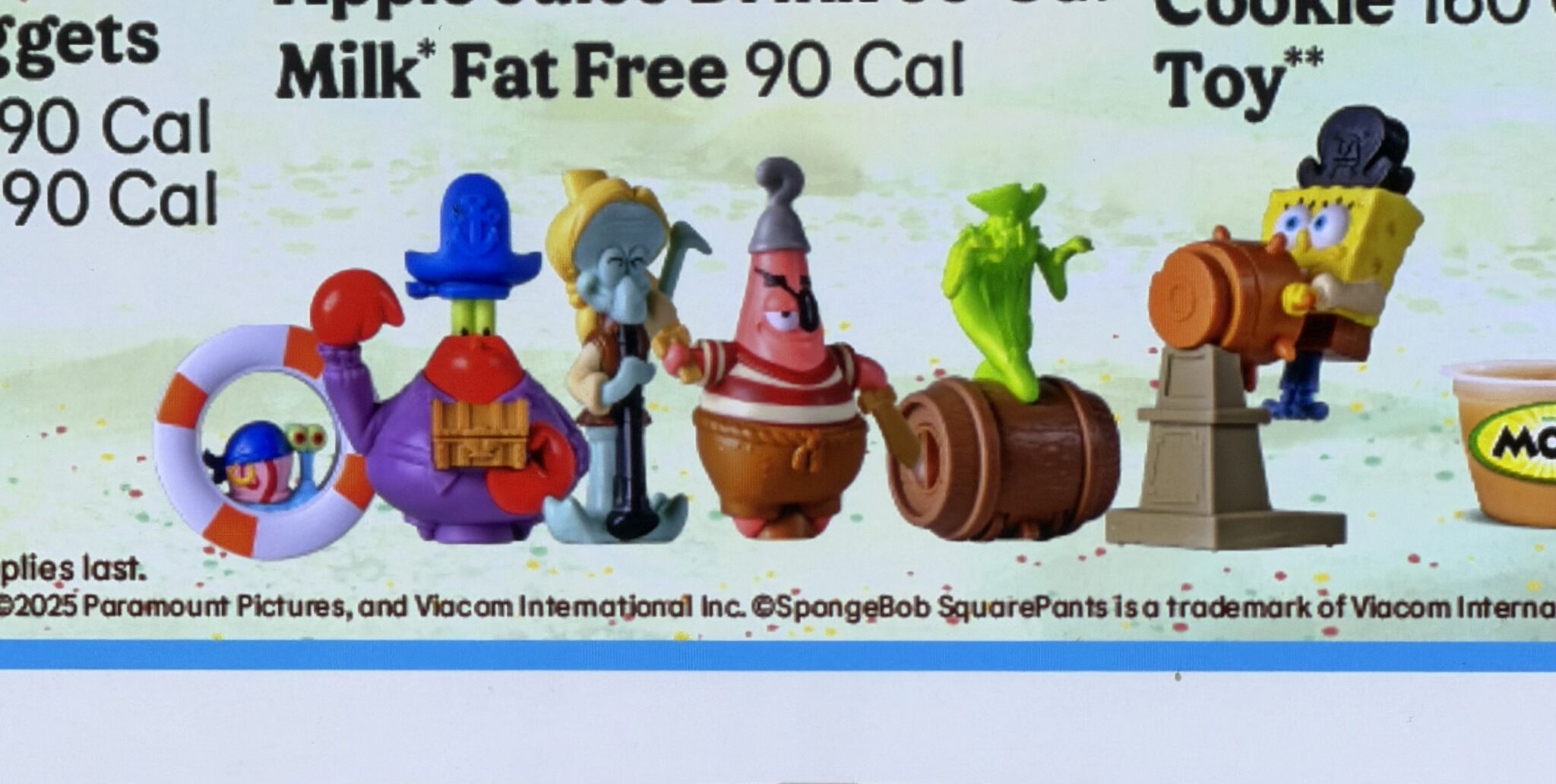
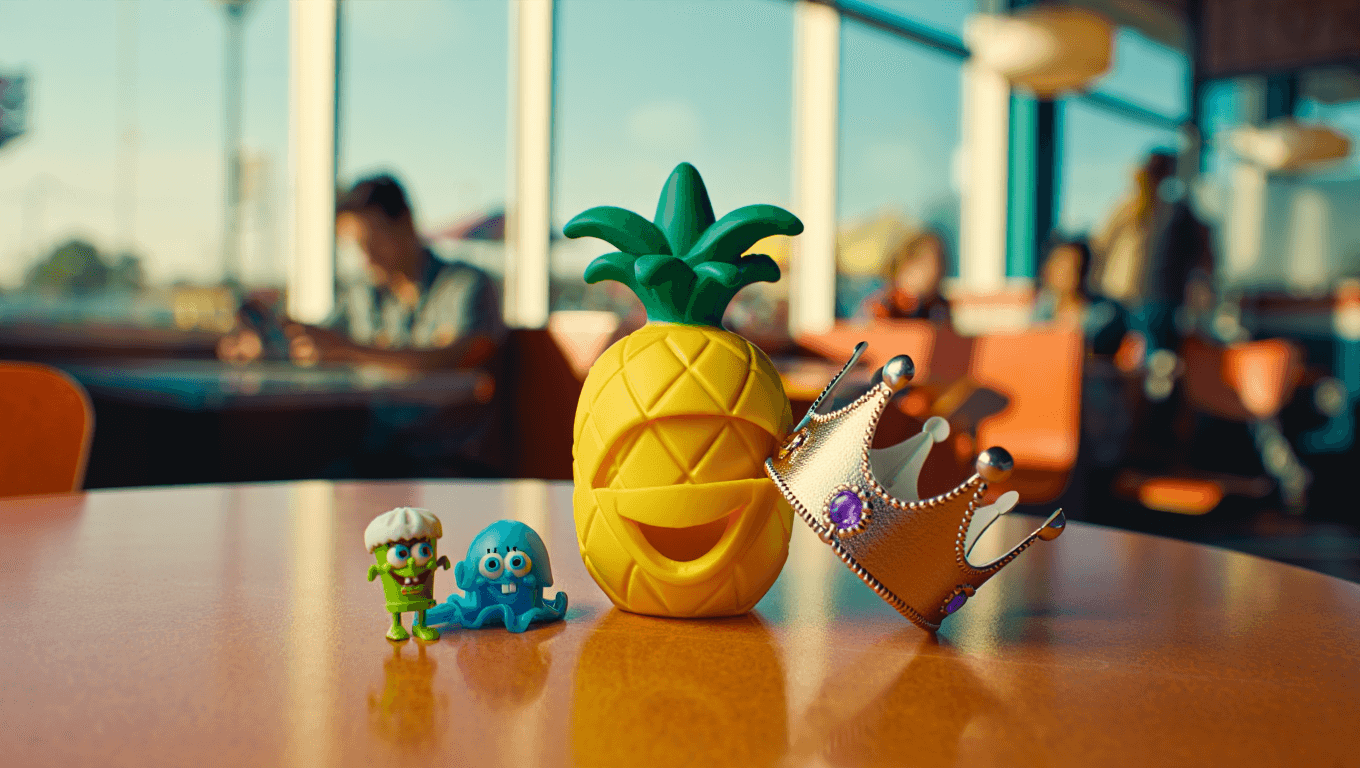
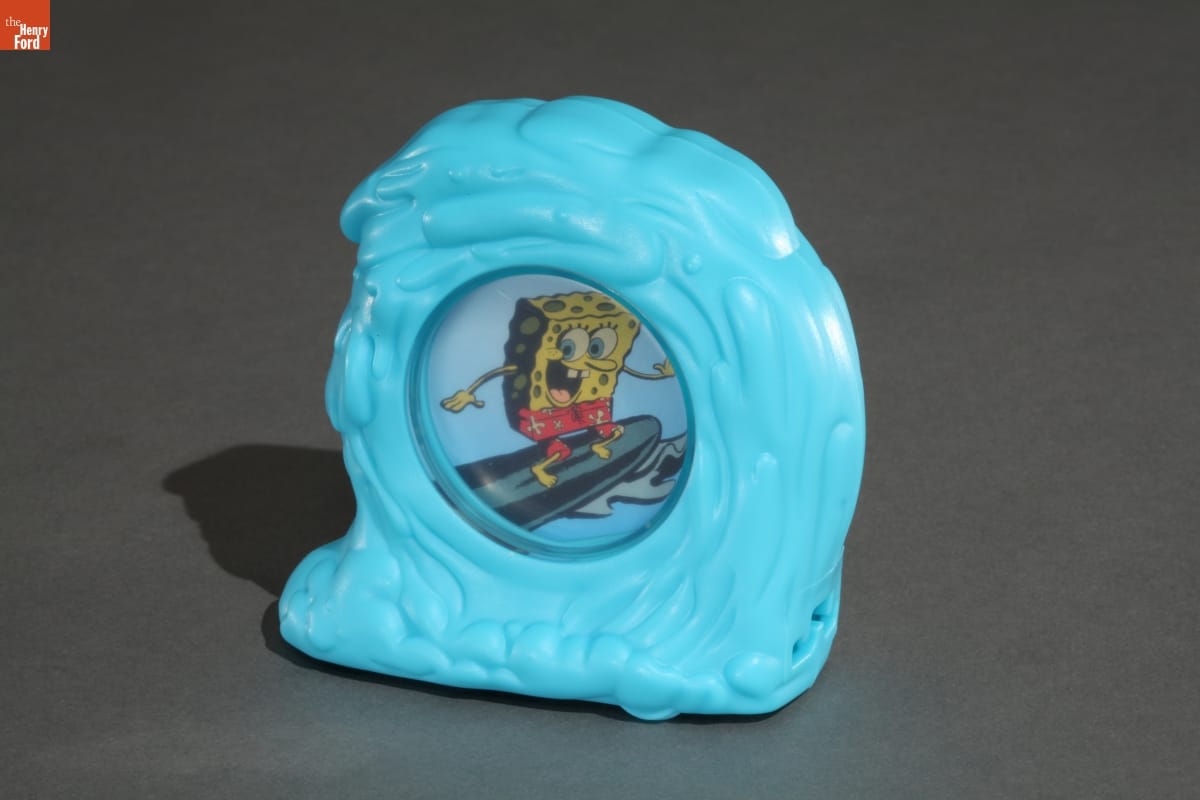
The 2011 Burger King SpongeBob SquarePants toy promotion, officially titled the "SpongeBob SquarePants: Legends of Bikini Bottom" collection, consisted of a series of character-based figures distributed in BK Kids Meals. Launched mid-year, the set focused on specific episodes from the animated series, featuring interactive mechanisms and distinct designs that define their collector value today.
Contextual Origins: The Legends of Bikini Bottom Promotion
In 2011, Burger King maintained a long-standing partnership with Nickelodeon to feature SpongeBob SquarePants in its promotional efforts. Unlike some years where the toys were generic plastic figures, the 2011 set was explicitly branded under the "Legends of Bikini Bottom" event. This title referred to a specific narrative arc in the show’s seventh season.
For collectors, identifying items from this specific year requires understanding that Burger King underwent significant operational changes in 2011, including a shift in branding strategies. The toys were produced at a time when fast-food promotional materials were undergoing stricter safety regulations, leading to a focus on sturdier, non-detachable components. The 2011 set is often confused with later releases, but the primary identifiers remain the molding stamps on the base and the specific character expressions derived from the 2010–2011 broadcast episodes.
Character Lineup and Technical Specifications
The set featured the core cast of the series, with each figure emphasizing a "legendary" or specialized pose. The figures were primarily constructed from injection-molded PVC (polyvinyl chloride), finished with non-toxic paints that have proven durable over the past 15 years.
Core Figures in the Collection
- SpongeBob: Portrayed in his classic outfit but often accompanied by an accessory or motion feature, such as a rolling base or a spring-loaded arm.
- Patrick Star: Featured in a comedic pose, frequently emphasizing his "legendary" status within the show's lore.
- Squidward Tentacles: Designed with a more rigid structure to maintain stability for the toy's play mechanics.
- Mr. Krabs: Often featured with oversized claws or a treasure-related accessory to align with the "Legend" theme.
- Sandy Cheeks: Represented in her iconic astronaut suit, frequently featuring a clear plastic dome—a detail that makes high-quality secondary market specimens more valuable due to the propensity for plastic yellowing.
Identifying Authentic 2011 Toys
For collectors, provenance is vital. Because Burger King often recycled character molds, distinguishing a 2011 toy from a 2007 or 2014 release requires looking at the bottom of the toy's base or the back of the figure's leg.
- The Copyright Stamp: Authenticated 2011 items will feature a "© 2011 Viacom International Inc." stamp, followed by "Burger King Corporation." If the stamp reads a different year, it belongs to a different promotion.
- Material Quality: The 2011 toys are characterized by a slightly matte finish. Figures from earlier years often utilized a glossier paint application.
- Safety Markings: Look for the "Made in China" batch codes, which were etched into the plastic during the manufacturing process. These are typically located in a recessed area to prevent them from wearing off.
Comparative Analysis of BK Promotional Toys
When reviewing the 2011 set against other eras, the primary difference lies in the mechanical complexity. While some early 2000s toys featured elaborate battery-operated sounds, the 2011 set focused on "action-pose" playability.
| Feature | 2007 BK Set | 2011 BK Set | 2015 BK Set |
|---|---|---|---|
| Material | Hollow Plastic | Weighted PVC | Semi-Rigid Plastic |
| Primary Theme | Movie Tie-in | Legends of Bikini Bottom | General Series |
| Mechanical | Sound/Light | Manual Action | Static Figures |
| Collectibility | High (Nostalgia) | Moderate (Specific) | Low (Mass Market) |
This comparison highlights that the 2011 collection occupies a "middle ground" in terms of collector interest. They are not as rare as the limited-run 2004 movie toys, but they represent a specific aesthetic shift in Nickelodeon's merchandising design.
The Lifecycle of Promotional Materials
Promotional toys produced for fast-food chains are designed for a short-term lifecycle—typically four to six weeks in 2011. Understanding how these were distributed helps clarify why some items are rarer than others.
During the 2011 release, Burger King stores were instructed to rotate the available characters weekly. A child visiting a location in the first week of the promotion would have encountered a different subset of the collection than one visiting in the third week. This "rotating inventory" model is the primary reason why completing a set of all figures from this year is more difficult than it might initially appear. Collectors who missed the initial distribution window were forced to rely on secondary markets, where the supply of "complete sets" became fragmented.
Preservation and Condition Grading
As of 2026, the 2011 SpongeBob toys are fifteen years old. Over this period, the chemical composition of the PVC can degrade if stored improperly.
- UV Exposure: Direct sunlight is the primary enemy of these figures. The yellowing of the clear plastic parts, particularly on Sandy Cheeks or display cases, is irreversible.
- Temperature Fluctuations: Exposure to heat can cause the PVC to "sweat," which creates a sticky residue on the surface of the toy. This is a common issue for collectors who store these in attics or garages.
- Cleaning Procedures: To clean these figures, use a mild soap-and-water solution and a soft-bristled brush. Avoid harsh chemical cleaners or abrasive sponges, as these will remove the paint application, which is relatively thin on mass-produced promotional items.
Frequently Asked Questions
How can I tell if my SpongeBob toy is from the 2011 Burger King set? Check the underside of the figure’s base. Authentic 2011 pieces feature a molded stamp including the year "2011" and "Viacom International Inc." If the markings are worn, look for the "BK" logo or a specific character pose associated with the "Legends of Bikini Bottom" promotional materials.
Are these toys considered high-value collectibles? Generally, these items are considered "low-to-moderate" value collectibles. While they hold significant sentimental value for fans of the era, they were mass-produced in the millions. Most loose figures have a nominal value, while factory-sealed items in their original plastic packaging command a higher price among niche collectors.
What should I do if my figure has sticky residue? The sticky residue is a common side effect of "plasticizer migration" common in older PVC toys. You can typically remove this by gently wiping the figure with a cloth dampened with a small amount of isopropyl alcohol. However, test a small, inconspicuous area first, as the alcohol can sometimes interact with the paint.
Were there different versions of the same character? No, for the 2011 "Legends of Bikini Bottom" promotion, each character was released in a single, specific pose. If you find two versions of the same character, one is likely from a different year or a separate retail line, such as those sold at toy stores, which featured different molding and joint articulation.
Where is the best place to source missing pieces? Secondary marketplaces and online hobby forums are the most effective sources for filling gaps in a collection. Look for sellers who provide high-resolution photos of the base stamps to ensure the items are from the 2011 set and not a misidentified re-release from a later year.
Professional Recommendation for Collectors
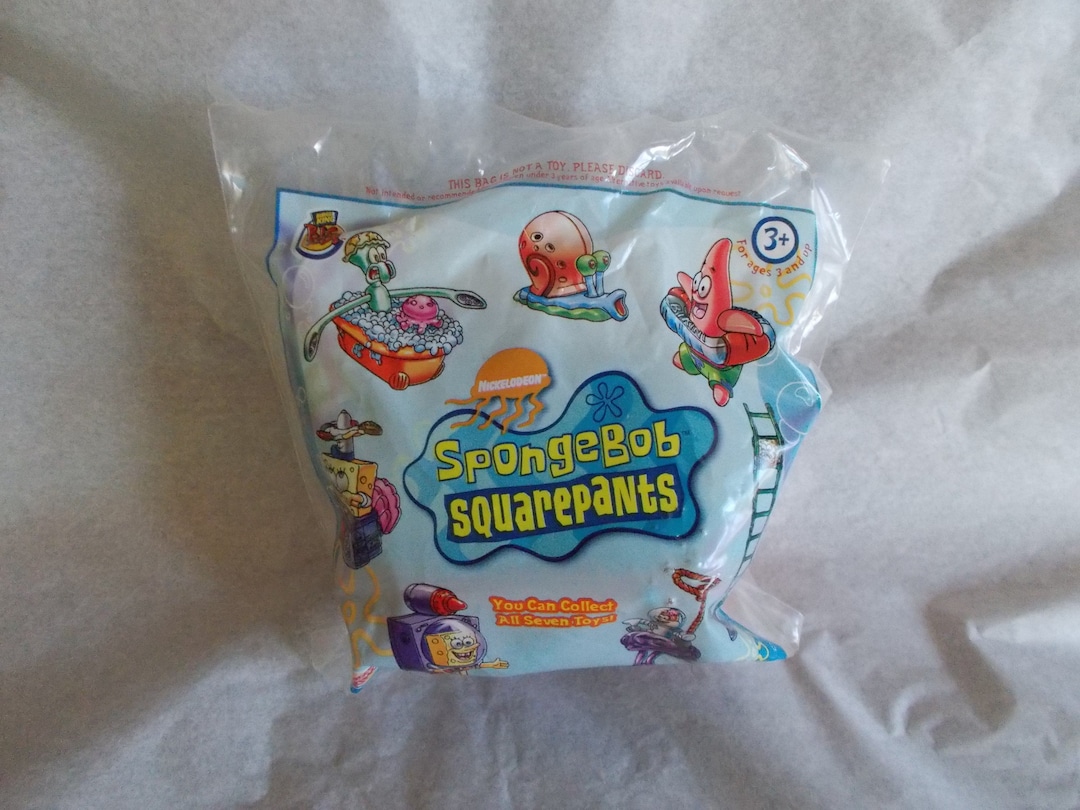
If you are looking to build a retrospective collection of the 2011 SpongeBob SquarePants Burger King figures, prioritize acquiring "New in Bag" (NIB) specimens. While loose figures are more affordable, the original plastic packaging—often featuring the Nickelodeon and Burger King dual-branding—serves as the primary evidence of authenticity and prevents the paint scuffing that is common with used figures. Monitor secondary market listings for bundles; purchasing individual pieces often incurs higher shipping costs that far exceed the inherent value of the individual plastic toy. Focus your budget on acquiring figures with intact accessories, as these are the most frequently lost components and the hardest to replace separately.