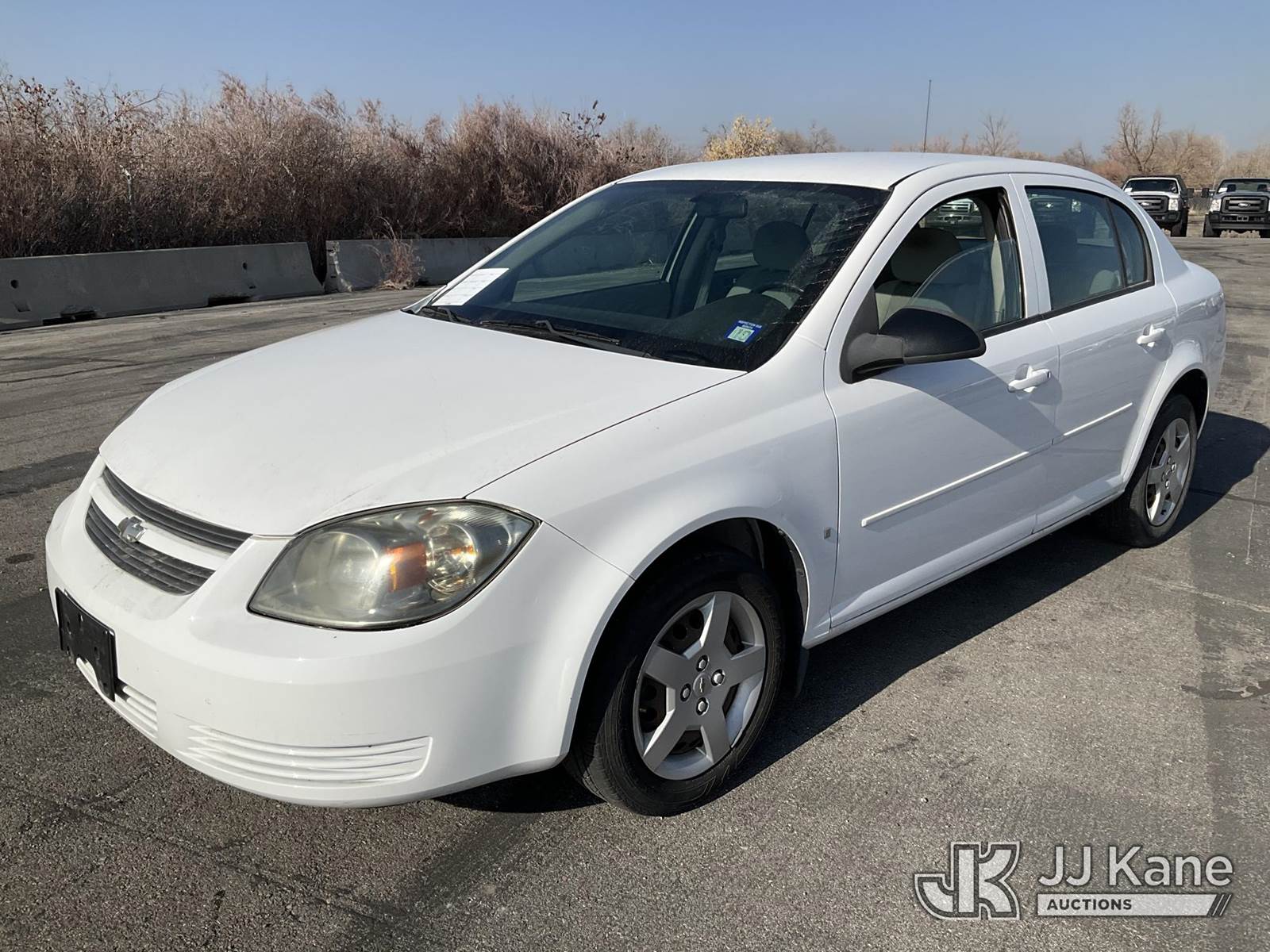
The 2008 Chevrolet Cobalt sedan remains a notable fixture on secondary automotive markets as an affordable, compact commuter vehicle. Designed to offer a balance of fuel economy and basic utility, it features a range of Ecotec engines, straightforward mechanical systems, and a chassis architecture shared with several other General Motors vehicles of that era. Understanding its technical specifications, common failure points, and long-term maintenance requirements is essential for owners seeking to maximize the longevity and safety of this platform in 2026.
Historical Context and Technical Identity
The Chevrolet Cobalt replaced the aging Cavalier, aiming to provide a more refined, competitive entry in the domestic small-car segment. By 2008, the model had entered its fourth year of production, benefiting from various refinements to the GM Delta platform. The sedan configuration offered a conventional three-box profile, distinguishing it from the two-door coupe variant.
Mechanically, the 2008 model year is defined by the use of the Ecotec engine family. The base models were typically equipped with a 2.2L inline-four engine, which provided a reliable balance of power and efficiency for its time. Higher trim levels, such as the Sport, featured the 2.4L engine, offering increased horsepower and torque. These engines are longitudinally-inspired but transversely-mounted, powering the front wheels through either a five-speed manual transmission or a four-speed automatic.
Engine and Powertrain Specifications
The powertrain options for the 2008 sedan were engineered for moderate output. The 2.2L LE5 Ecotec was the workhorse of the fleet, featuring a dual overhead cam (DOHC) design and a timing chain rather than a timing belt, which significantly alters the long-term maintenance schedule compared to many of its contemporaries.
- 2.2L Engine: Rated at approximately 148 horsepower. Known for decent fuel efficiency and broad parts availability.
- 2.4L Engine: Rated at approximately 171 horsepower, providing a more spirited driving experience for those prioritizing performance over pure fuel economy.
Essential Maintenance and Reliability Considerations
Operating a vehicle that is nearly two decades old requires a proactive approach to maintenance. By 2026, most 2008 Cobalt sedans have surpassed the 150,000-mile mark, meaning that original components are often near or beyond their designed service life.
The Timing Chain and Tensioner
While the Ecotec engine is generally robust, the timing chain tensioner is a known point of weakness. Owners should listen for a "rattling" noise at startup, which often indicates that the tensioner is failing to provide adequate pressure, risking chain skip and catastrophic engine damage. If the vehicle has not had the timing set serviced, it is highly recommended to have a professional inspection performed.
Suspension and Steering Components
The Cobalt’s suspension, particularly the front sway bar links and control arm bushings, is prone to wear. Given the age of these vehicles, the rubber components—specifically the bushings—have likely degraded due to age and exposure, leading to clunking noises over bumps and vague steering feel. Replacing these with modern polyurethane or high-quality rubber aftermarket components can significantly restore the vehicle's handling characteristics.
Electrical System and Body Control Module (BCM)
The electrical system in the 2008 Cobalt is relatively simple, but it is not immune to gremlins. Issues with the BCM can manifest as inconsistent lighting, radio malfunctions, or problems with the power door locks. Often, these issues stem from poor grounding or corroded connections rather than actual component failure. Checking the chassis-to-engine ground cable is a common first step when troubleshooting intermittent electrical behavior.
Safety and Recall Status
Safety is a primary concern for owners of older vehicles. The 2008 Chevy Cobalt was subject to several major safety campaigns, most notably the ignition switch recall. This issue involved the ignition switch potentially slipping out of the "run" position, which could shut off the engine and disable critical safety systems such as airbags while the vehicle was in motion.
Every owner of a 2008 Cobalt must verify that all outstanding recall work has been performed. This can be done by inputting the vehicle’s 17-digit Vehicle Identification Number (VIN) into the official National Highway Traffic Safety Administration (NHTSA) recall lookup tool. Never assume that a previous owner addressed these issues; verification through an official GM dealership or the NHTSA database is the only way to ensure the vehicle meets current safety standards.
Comparative Overview of Trim Levels
The 2008 lineup offered a tiered approach to equipment and performance. While the base LS and LT models focused on value and fuel efficiency, the Sport trim attempted to appeal to a more performance-oriented demographic.
| Trim Level | Engine | Transmission | Primary Focus |
|---|---|---|---|
| LS | 2.2L I4 | 5-Speed Manual/4-Speed Auto | Economy and base utility |
| LT | 2.2L I4 | 5-Speed Manual/4-Speed Auto | Comfort and interior amenities |
| Sport | 2.4L I4 | 5-Speed Manual/4-Speed Auto | Performance and handling |
Troubleshooting Common Issues
When a 2008 Cobalt experiences performance degradation, the following areas are statistically the most likely culprits.
1. Rough Idle or Stalling
This is frequently caused by a dirty throttle body or a failing Mass Air Flow (MAF) sensor. Over time, carbon deposits accumulate in the throttle body, preventing it from closing fully or responding accurately to accelerator inputs. Cleaning the throttle body with a specialized cleaner and gently cleaning the MAF sensor wires can often resolve these symptoms without needing to replace expensive sensors.
2. Excessive Oil Consumption
If the engine is consuming oil without visible external leaks, the issue often lies with the valve stem seals or the Positive Crankcase Ventilation (PCV) system. Ensuring the PCV valve is not clogged is a quick, inexpensive task that can prevent pressure buildup and subsequent oil leaks.
3. Cooling System Leaks
The cooling system in these vehicles relies on plastic components that become brittle over time. The thermostat housing and the radiator end tanks are common failure points. It is advisable to inspect these parts for white crusty residue, which indicates minor coolant leaks that will inevitably progress into full-scale cooling system failures.
Expert Guidance for Long-Term Ownership
To maintain a 2008 Chevy Cobalt in 2026, you must prioritize "preventative" over "reactive" maintenance. The key to keeping this vehicle roadworthy is fluid management. Synthetic engine oil is highly recommended, as it maintains viscosity better and helps keep the delicate internal oil passages clean. Additionally, transmission fluid changes are often overlooked, but replacing the fluid in the automatic transmission at regular intervals is critical for avoiding torque converter and solenoid issues.
Furthermore, because these vehicles are now quite affordable, many owners choose to perform their own repairs. The abundance of used parts from salvage yards and the vast amount of documentation available online makes this vehicle an excellent candidate for DIY mechanics. However, always prioritize safety: if you are performing under-car maintenance, ensure you are using robust jack stands, not just the emergency jack provided with the vehicle.
Frequently Asked Questions
Is the 2008 Chevy Cobalt a reliable daily driver in 2026?
Yes, provided it has been maintained. The Ecotec engine is well-regarded for longevity if oil changes are kept up to date. However, its age means that rubber hoses, suspension bushings, and plastic cooling components require regular inspection to prevent being stranded.
How do I check for open recalls on my 2008 Cobalt?
Visit the official NHTSA website and enter your 17-digit VIN. This will display a comprehensive list of all safety recalls associated with your specific vehicle. Ensure you contact a local GM dealer to confirm whether these repairs were completed if the database shows they are still "open."
What is the average fuel economy for this model?
Most 2008 Cobalt sedans with the 2.2L engine achieve between 24 and 30 miles per gallon, depending on driving habits and the condition of the fuel and air intake systems. Highway driving will naturally yield significantly better results than urban stop-and-go traffic.
Are replacement parts still widely available for the 2008 Cobalt?
Yes. Because the Cobalt shared parts with many other GM vehicles, the aftermarket support remains strong. From sensors and brake components to body panels and interior trim, most parts can be sourced easily through major automotive retailers or online distributors.
Should I use premium fuel for the 2.4L Sport trim?
While the 2.4L engine can run on regular unleaded fuel, using mid-grade or premium fuel can help prevent "pinging" or engine knock, especially in warmer climates or during heavy load conditions. Check your owner's manual for the manufacturer's specific fuel octane recommendations for your engine variant.
Final Recommendation
The 2008 Chevrolet Cobalt sedan remains a practical choice for those requiring low-cost, reliable transportation. Its greatest strength lies in the simplicity of its design and the widespread availability of parts. To ensure the best experience, prioritize verifying that all safety recalls are resolved, perform a thorough inspection of the cooling and suspension systems, and adhere to a strict schedule of fluid changes. By addressing these areas, the Cobalt can continue to serve as a capable and economical vehicle for years to come.