Choosing the correct tire size for a 2004 Toyota Sequoia involves balancing factory specifications, load ratings, and intended driving applications, with original equipment sizes typically being P265/70R16 or P265/65R17 depending on the trim level.
Understanding the 2004 Toyota Sequoia Platform
The first-generation Toyota Sequoia, produced from the 2001 through 2007 model years, is a robust, full-size body-on-frame sport utility vehicle sharing its mechanical underpinnings with the Tundra pickup truck. Weighing in at well over 5,000 pounds unladen, with a Gross Vehicle Weight Rating (GVWR) pushing past 7,000 pounds when fully loaded or towing, this vehicle imposes strict demands on its tires. Selecting the correct tire size is not merely a matter of physical clearance in the wheel wells; it requires careful attention to load capacity indexes, speed ratings, and overall rolling diameter to protect suspension components, braking efficiency, and transmission shift points.
During its production run, the 2004 Sequoia was offered primarily in standard trim levels such as the SR5 and the more upscale Limited. Depending on whether the vehicle rolled off the assembly line with the standard 16-inch alloy wheels or the optional 17-inch alloy wheels, the factory tire size varied. Understanding these factory baselines serves as the critical starting point for any owner looking to replace worn rubber, upsize for off-road capability, or optimize highway fuel economy. Ignoring these specifications can lead to premature tire wear, compromised handling in emergency maneuvers, and inaccurate speedometer readings.
Factory Original Equipment (OE) Tire Sizes
When the 2004 Toyota Sequoia was delivered to dealerships, it was equipped with tires engineered specifically to handle its heavy curb weight, high center of gravity, and towing capacity. There are two primary factory tire sizes associated with this model year, tied directly to the diameter of the factory wheels installed by Toyota.
16-Inch Wheel Configurations (SR5 Standard)
For models equipped with the factory 16-inch aluminum alloy wheels, the standard tire size is P265/70R16.
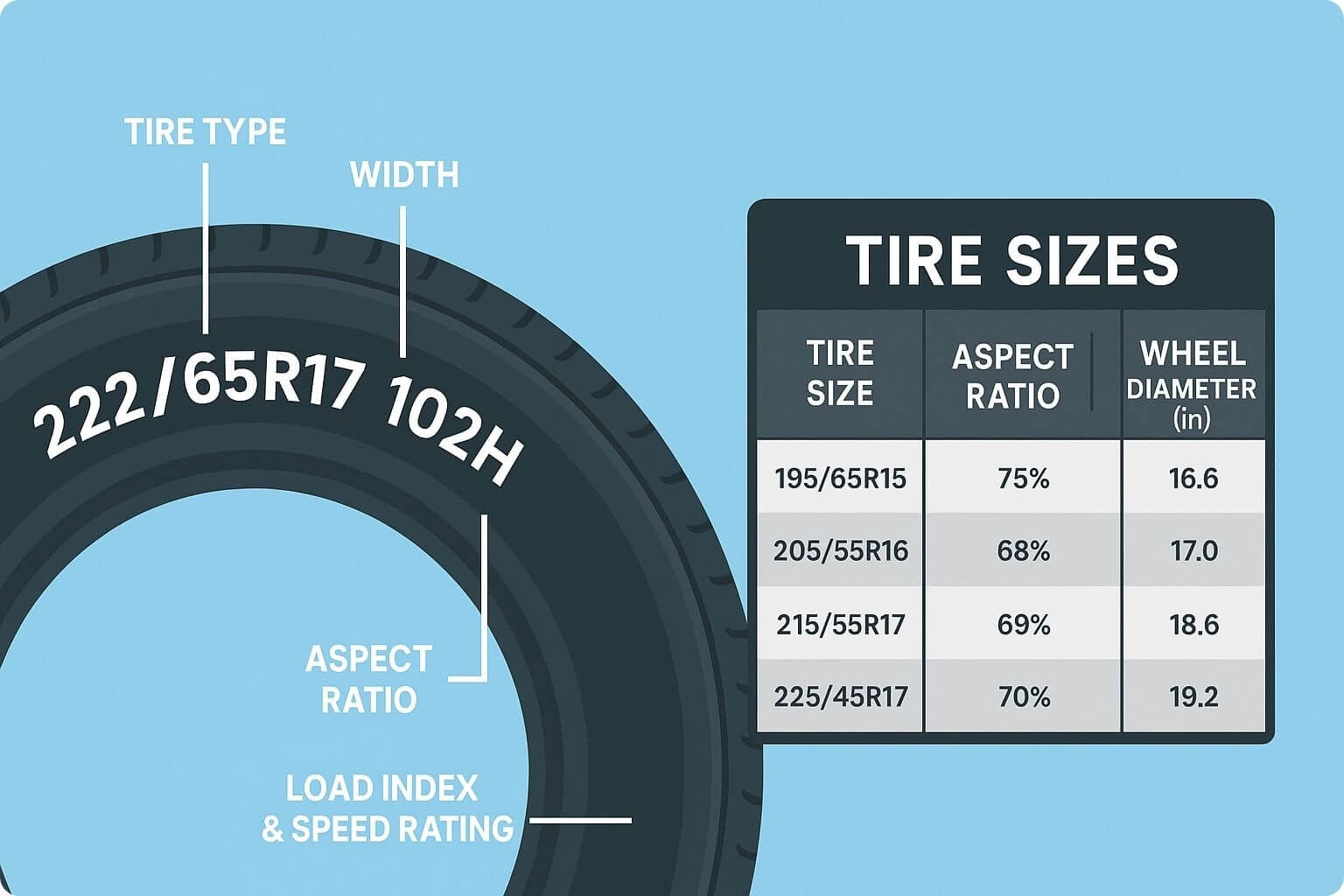
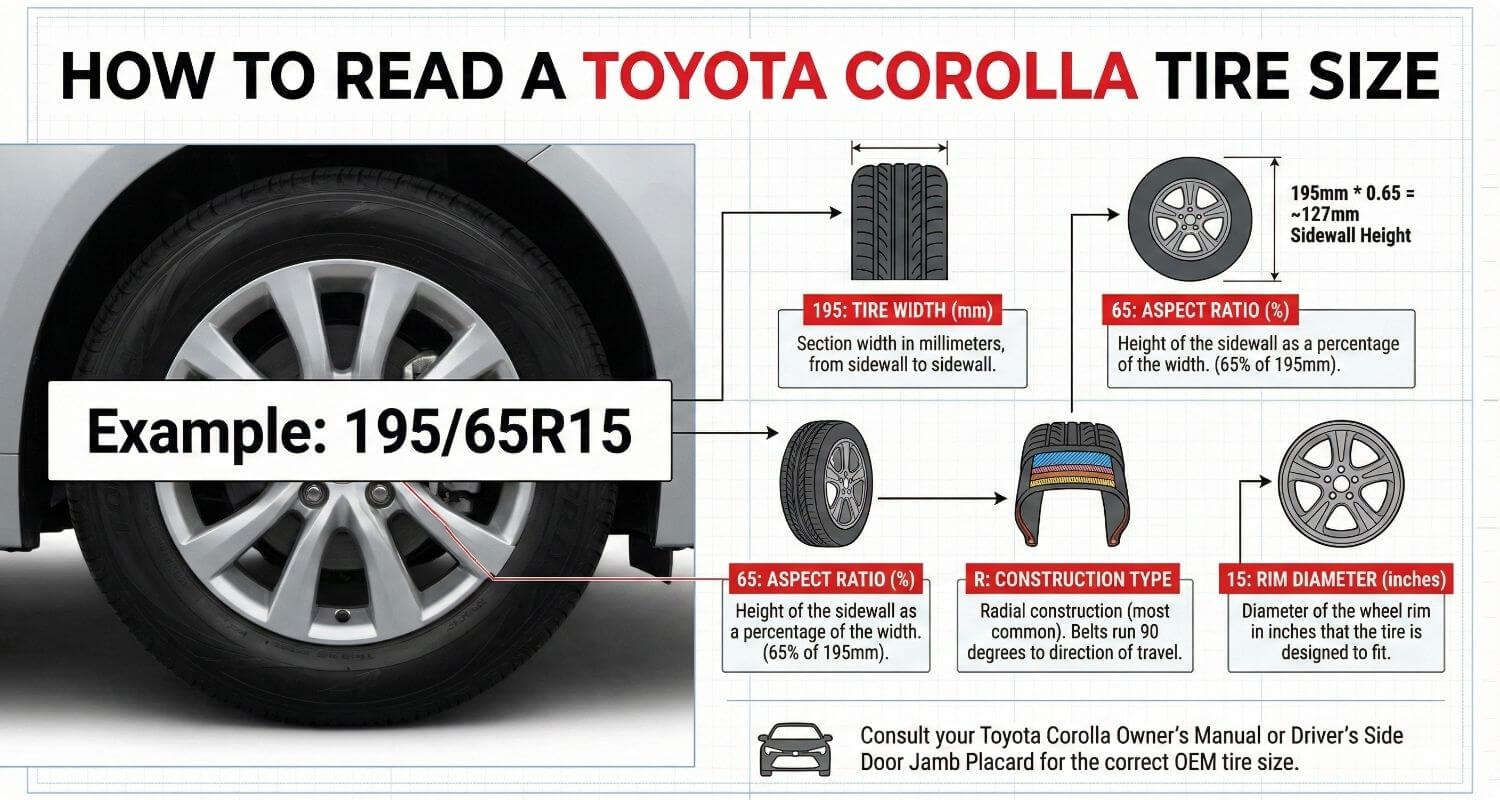
- Tire Width: 265 millimeters across the tread face.
- Aspect Ratio: 70, meaning the sidewall height is 70% of the tire's section width (approximately 185.5 mm).
- Construction: R denotes radial construction.
- Wheel Diameter: 16 inches.
This size provides a generous sidewall profile, which absorbs road imperfections effectively and provides enough cushion for light off-road excursions or rough terrain.
17-Inch Wheel Configurations (Limited and Optional SR5 Packages)
For models equipped with the factory 17-inch alloy wheels, typically found on the Limited trim or optional packages, the standard tire size is P265/65R17.
- Tire Width: 265 millimeters.
- Aspect Ratio: 65, providing a slightly shorter sidewall to match the larger wheel diameter while maintaining a nearly identical overall rolling diameter.
- Construction: Radial.
- Wheel Diameter: 17 inches.
Both of these factory sizes share an overall diameter of approximately 30.6 inches, ensuring that gear ratios, speedometer calibration, and clearance within the front and rear wheel arches remain precisely as the engineers intended.
Factory Tire Size Specifications Reference
To assist with quick verification against door jamb placards and replacement options, the following table outlines the technical parameters of the original equipment tires for the 2004 Toyota Sequoia.
| Trim Level / Wheel Size | OE Tire Size | Sidewall Height | Overall Diameter | Min. Load Index | Speed Rating |
|---|---|---|---|---|---|
| SR5 (16-Inch Wheels) | P265/70R16 | 7.3 inches | 30.6 inches | 111 (2,403 lbs) | S or T |
| Limited / Optional (17-Inch Wheels) | P265/65R17 | 6.8 inches | 30.6 inches | 110 (2,337 lbs) | S or T |
Load Indexes and Safety Requirements
One of the most common mistakes vehicle owners make when replacing tires on a heavy full-size SUV like the 2004 Toyota Sequoia is focusing exclusively on dimensions while ignoring load ratings. The factory placard located on the driver-side B-pillar specifies not only the correct tire dimensions but also the minimum load index required to support the vehicle safely under maximum payload and towing conditions.
The Sequoia requires tires with a load index typically rated at 110 or 111 for standard passenger (P-metric) tires, or equivalent Load Range C or D if transitioning to Light Truck (LT-metric) tires. Installing a tire with a lower load index means the tire's internal structure cannot safely support the weight of the vehicle, leading to excessive heat generation, structural degradation, and potential blowout risks, particularly during highway sustained speeds or when hauling heavy cargo.
Furthermore, owners who frequently tow heavy trailers often benefit from stepping up from standard passenger-metric tires to LT-metric tires. LT tires feature stiffer sidewalls, which significantly reduce lateral sway when towing, though they may transmit slightly more road harshness into the cabin compared to passenger-optimized rubber.
Alternative and Plus-Sized Tire Options
Many owners look to modify their 2004 Toyota Sequoia by installing slightly larger tires for improved aesthetics, enhanced ground clearance, or better traction in deep snow, mud, or sand. However, the first-generation Sequoia has finite clearance in the front wheel wells, particularly near the mud flaps and the body mount pinch weld at the rear of the front wheel well.
Safe Plus-Sizing Limitations Without Modifications
Without a suspension lift or body modifications, the absolute maximum tire diameter that can typically be fitted to a stock 2004 Toyota Sequoia without severe rubbing during tight turns or compression is 31.6 inches (such as a 265/75R16 or 270/70R16).
- 265/75R16: This size increases the overall diameter from 30.6 inches to roughly 31.6 inches. It is one of the most popular upgrades for SR5 owners because it utilizes the stock 16-inch wheels, fills out the wheel wells more aggressively, and offers a massive selection of all-terrain and highway-terrain tread patterns. Minor trimming of the plastic front mud flap may be required depending on suspension sag.
- 270/65R17 or 265/70R17: For owners with 17-inch wheels, moving to a 265/70R17 yields a 31.6-inch overall diameter. This size is exceptionally common in the truck and SUV market, providing an excellent balance of sidewall protection and load capacity.
Upgrades Requiring Suspension Lifts
If you install a 2-inch to 3-inch leveling kit or a full suspension lift system, larger sizes such as 285/75R16 or 285/70R17 (approximately 32.8 inches in diameter) become viable. However, these larger dimensions frequently require aftermarket upper control arms to clear the coil bucket, careful wheel offset selection to prevent rubbing against the frame rails at full lock, and occasional trimming of the plastic fender liners.
Seasonal Considerations: All-Season, All-Terrain, and Winter Tires
The driving environment dictates the optimal tread pattern and rubber compound for your 2004 Toyota Sequoia. Because this SUV is frequently utilized for family transport, road trips, and adverse weather driving, matching the tire type to the regional climate is essential.
Highway Terrain (H/T) Tires
For vehicles that spend 90% or more of their time on paved asphalt and concrete, Highway Terrain tires are the optimal choice. They offer quiet operation, excellent wet-braking performance, low rolling resistance for optimized fuel economy, and long tread life. Owners who use their Sequoia primarily as a commuter or long-distance cruiser will find H/T tires provide the most comfortable and refined ride quality.
All-Terrain (A/T) Tires
Given the rugged truck-based nature of the Sequoia, All-Terrain tires are exceptionally popular. Modern A/T tires offer aggressive shoulder blocks and reinforced sidewalls to resist punctures from rocks and debris while maintaining respectable road manners and wet-weather siping. They provide the necessary bite for unpaved logging roads, campsites, and moderate snow accumulation, making them a versatile year-round choice for outdoor enthusiasts.
Dedicated Winter (Snow) Tires
In regions subject to severe winter conditions with heavy snow and ice accumulation, dedicated winter tires featuring the Three-Peak Mountain Snowflake (3PMSF) symbol are strongly recommended. The heavy weight of the Sequoia helps with initial momentum, but stopping and turning on ice require specialized rubber compounds that remain flexible in sub-freezing temperatures—something standard all-season or all-terrain tires cannot match.
Tire Maintenance, Inflation Pressures, and Alignment
Maintaining proper tire health on a 2004 Toyota Sequoia extends beyond the initial purchase and installation. Due to the vehicle's independent front suspension and heavy front-end weight distribution, specific maintenance habits are required to prevent premature wear.
Recommended Inflation Pressures
Always reference the tire placard on the driver-side door jamb for the correct cold inflation pressure, rather than the maximum pressure stamped on the tire sidewall. Typically, factory specifications for the Sequoia call for approximately 32 to 35 psi for both front and rear tires under normal loads. If the vehicle is loaded to maximum capacity or towing a heavy trailer, verify whether the rear pressures should be increased according to the owner's manual guidelines. Under-inflation generates excessive heat in the tire shoulders, leading to rapid wear and potential failure, while over-inflation reduces the contact patch, diminishing braking grip and ride comfort.
Rotation Intervals and Alignment
To ensure even tread wear across all four positions, rotate the tires every 5,000 to 7,000 miles. A standard modified X-pattern or front-to-back rotation works effectively for rear-wheel drive and four-wheel drive Sequoia models. Additionally, because these vehicles are sensitive to front-end alignment drift caused by potholes and rough roads, have the wheel alignment checked annually. Proper caster, camber, and toe settings prevent the inner edges of the front tires from wearing out prematurely—a common issue on heavier body-on-frame SUVs.
Frequently Asked Questions
Can I put 285/75R16 tires on a completely stock 2004 Toyota Sequoia?
No, installing 285/75R16 tires (which measure roughly 32.8 inches in diameter) on a completely stock 2004 Toyota Sequoia will result in significant rubbing against the front mud flaps, inner fender liners, and potentially the upper control arms or frame during turns. A suspension lift of at least 2 to 3 inches and careful wheel offset selection are required to clear this size without interference.
What is the biggest tire size I can run without rubbing on a stock suspension?
The largest practical tire size for a stock suspension 2004 Toyota Sequoia is typically a 265/75R16 (for 16-inch wheels) or a 265/70R17 (for 17-inch wheels). Both measure approximately 31.6 inches in overall diameter. Minor rubbing may still occur on heavily worn suspension components or aging plastic liners during tight low-speed turns, but it is generally minimal and manageable.
Should I use P-metric or LT-metric tires on my Sequoia?
P-metric (Passenger) tires are ideal if your driving consists primarily of commuting, family transport, and light highway driving, as they offer a softer ride and lower rolling resistance. LT-metric (Light Truck) tires feature stiffer sidewalls and higher load ranges, making them the superior choice if you regularly tow heavy trailers, haul maximum payloads, or navigate sharp rocky terrain where sidewall punctures are a concern.
How often should I check the tire pressure on my 2004 Toyota Sequoia?
You should check your tire pressures at least once a month and before any long road trip or heavy towing duty. Tire pressure fluctuates approximately 1 psi for every 10-degree Fahrenheit change in ambient outdoor temperature, making seasonal transitions a critical time for pressure adjustments.
Do 2004 Toyota Sequoias require tire pressure monitoring systems (TPMS)?
Factory TPMS implementation varied by exact production build and regional market for the 2004 model year, with some early-production units lacking direct sensor valves in the wheels while later iterations utilized basic warning systems. Always verify whether your specific wheel assemblies house TPMS sensors before dismounting or replacing tires to avoid damaging the hardware.
Conclusion and Next Actions
Selecting the right tire size for your 2004 Toyota Sequoia ensures that your vehicle maintains its intended safety margins, ride comfort, and mechanical reliability. Begin by verifying your current wheel diameter (16-inch or 17-inch) using the stamping on your existing wheels or the door jamb placard. Determine your primary driving requirements—whether that involves daily highway commuting, heavy towing, or weekend off-road adventures—and choose between factory stock dimensions or safe plus-sized alternatives accordingly. Consult a trusted local tire professional to confirm stock availability, load index compliance, and professional installation including balancing and alignment checks.