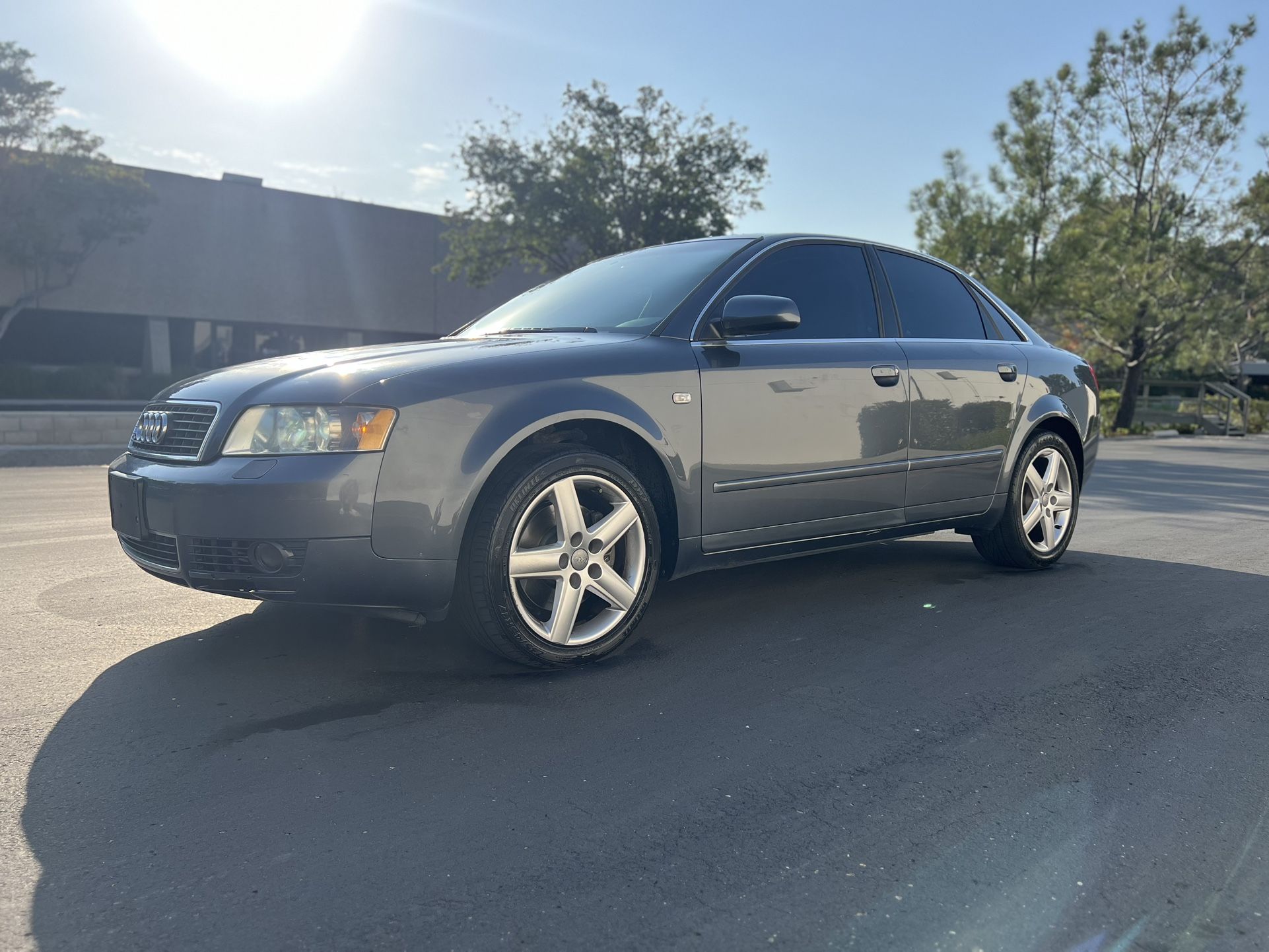
The 2004 Audi A4 represents a pivotal era for the brand's compact executive car lineup, bridging classic European styling with advanced-for-the-era powertrain engineering and the maturation of Audi's signature Quattro all-wheel-drive system. Available in sedan and Avant (wagon) body styles, this model year continues the B6 generation, offering a sophisticated interior, diverse engine options ranging from efficient four-cylinders to robust V6 powerplants, and multiple transmission configurations designed to appeal to both enthusiast drivers and comfort-oriented commuters.
Identity and Scope of the B6 Generation
The 2004 Audi A4 sits firmly within the B6 platform generation, which was produced from the 2002 through 2005 model years (with the Cabriolet extending slightly beyond). By 2004, Audi had refined several initial teething issues found in the early B6 models, solidifying the car's reputation as a serious competitor to the BMW 3 Series and Mercedes-Benz C-Class.
This overview examines the mechanical architecture, interior ergonomics, trim levels, and common ownership considerations for prospective buyers, automotive enthusiasts, and restorers. Understanding the 2004 A4 requires looking past its contemporary badge appeal to analyze how its powertrain technology, suspension layout, and electronic architecture have aged over two decades.
Body Styles and Exterior Design
The 2004 A4 was offered in two primary configurations:
- Sedan: A sleek, aerodynamically efficient four-door three-box design characterized by a sloping roofline, a short rear deck, and a completely galvanized steel body shell that offered class-leading corrosion resistance.
- Avant (Wagon): A utilitarian yet sporty five-door variant that combined the driving dynamics of the sedan with significantly expanded cargo versatility, retaining the same front-end styling and wheelbase.
Both body styles shared a clean, timeless exterior aesthetic featuring minimal body cladding, crisp character lines, and an integrated trunk or tailgate spoiler profile. Xenon high-intensity discharge (HID) headlights were available as an option, providing enhanced nighttime visibility compared to standard halogen reflectors.
Engine Architecture and Powertrain Options
Audi equipped the 2004 A4 with a diverse lineup of internal combustion engines, varying significantly by market, though North American and European specifications shared several core powerplants.
| Engine Type | Displacement | Induction | Horsepower | Torque | Transmission Options |
|---|---|---|---|---|---|
| 1.8T Inline-4 | 1.8 Liters | Turbocharged | 170 hp @ 5,900 rpm | 166 lb-ft @ 1,950–5,000 rpm | 5-speed manual, 6-speed manual, 5-speed Tiptronic, Multitronic CVT |
| 3.0L V6 | 3.0 Liters | Naturally Aspirated | 220 hp @ 6,300 rpm | 221 lb-ft @ 3,200 rpm | 6-speed manual, 5-speed Tiptronic, Multitronic CVT |
| 1.9L TDI (Euro) | 1.9 Liters | Turbo Diesel | 130 hp @ 4,000 rpm | 210 lb-ft @ 1,750 rpm | 5/6-speed manual |
| 2.5L TDI (Euro) | 2.5 Liters | Turbo Diesel V6 | 163–180 hp | Up to 273 lb-ft | 6-speed manual, Multitronic CVT |
The 1.8T Powerplant
The ubiquitous 1.8-liter turbocharged inline-four (engine code AMB in North America) utilized a cast-iron block and an aluminum alloy cylinder head featuring five valves per cylinder (three intake, two exhaust). Forced induction was supplied via a K03 or K03s turbocharger, delivering a broad torque curve that peaked early at 1,950 rpm. This made the 1.8T feel responsive in urban driving conditions while remaining a favorite for aftermarket tuning.
The 3.0L V6 Powerplant
For buyers seeking smoother power delivery and greater top-end pull, the 3.0-liter naturally aspirated V6 (engine code AVK) replaced the older 2.8L unit. Featuring dual overhead cams per bank and variable valve timing, it produced 220 horsepower. While lacking the low-end turbo punch of the 1.8T, the V6 offered a refined exhaust note and linear acceleration.
Transmission and Drivetrain Configurations
The driving experience of the 2004 Audi A4 is heavily defined by how power is routed to the pavement. Audi offered three distinct transmission types, paired either with front-wheel drive (FWD) or the legendary Quattro permanent all-wheel-drive system.
- Manual Transmissions: Enthusiasts favor the 5-speed manual (for standard 1.8T FWD models) or the 6-speed manual (standard on Quattro models and the 3.0 V6). These gearboxes feature precise, mechanical shift actions and robust clutch assemblies.
- Tiptronic Automatic: A conventional torque-converter 5-speed automatic transmission with manual shift gates, found on both FWD and Quattro models. It prioritized smooth cruising over rapid gear changes.
- Multitronic CVT: A continuously variable transmission paired exclusively with front-wheel-drive models. While praised in its era for fuel efficiency and seamless acceleration without gear steps, the Multitronic system has developed a reputation for long-term reliability concerns, specifically regarding TCM (transmission control module) failures and clutch pack wear.
- Quattro All-Wheel Drive: Utilizing a Torsen center differential, Quattro systems permanently split torque between the front and rear axles (typically a 50:50 baseline split, shifting dynamically as traction demands dictate). This mechanical system operates without electronic lag, providing superior stability in wet, snowy, or loose-surface conditions.
Suspension, Steering, and Chassis Dynamics
The B6 platform introduced a sophisticated four-link front suspension layout combined with a trapezoidal-link independent rear suspension. The complex front multi-link design separates steering and suspension loads, which minimizes torque steer and maintains optimal tire contact patch during aggressive cornering.
However, this complexity comes with a maintenance caveat: the numerous control arms, ball joints, and bushings are prone to premature wear, resulting in front-end clunking, loose steering feel, or uneven tire wear if neglected.
Steering is managed by a speed-sensitive rack-and-pinion hydraulic power steering system, offering weighted, communicative feedback that stands out compared to the numb electronic steering racks found in later automotive generations.
Interior Ergonomics, Comfort, and Technology
Inside, the 2004 Audi A4 set a benchmark for interior craftsmanship, material quality, and design minimalism that influenced the entire automotive industry. Soft-touch dash materials, precise switchgear tolerances, and genuine metal or wood trim accents give the cabin a premium feel that resists aging.
Cabin Features and Instrumentation
- Seating: Standard front bucket seats offered extensive manual or power adjustments, with optional sport seats providing deeper bolstering. Leather upholstery was standard on most trim levels, accompanied by durable carpets and headliners.
- Dashboard and Climate: The center console houses a clear double-DIN layout for the audio system and automatic dual-zone climate control. Red instrument cluster backlighting (Audi’s signature "concert lighting") reduced night glare.
- Cargo Space: The sedan offered 13.4 cubic feet of trunk space, expandable via 60/40 split-folding rear seats—a feature not universally standard in competing luxury sedans of the era. The Avant expanded cargo utility significantly, offering a flat floor and integrated roof rails.
Trim Levels and Equipment Packages
The 2004 A4 was typically categorized by its engine choice first, followed by tiered trim packages that dictated equipment levels:
- Standard (Base): Included automatic climate control, power windows and locks, electronic stability control (ESP), anti-lock brakes (ABS), and front/side curtain airbags.
- Convenience Package: Added features like a sunroof, home-link transmitter, and auto-dimming rearview mirrors.
- Premium Package: Included leather seating surfaces, power passenger seats, and upgraded wood or aluminum interior trim.
- Sport Package: A driver-focused option that lowered the ride height by approximately 20mm, fitted stiffer springs and dampers, added thicker anti-roll bars, and included 17-inch alloy wheels wrapped in lower-profile performance tires alongside sport seats.
Common Ownership Considerations and Maintenance
While the 2004 Audi A4 offers a rewarding driving experience and high safety ratings for its period, prospective owners and current keepers must account for specific mechanical tendencies common to the B6 generation.
Sludge and Lubrication (1.8T)
Early 2004 and prior 1.8T engines are sensitive to oil quality and maintenance intervals. Failure to use synthetic oil or adhere to strict 5,000-mile change intervals can lead to oil coking inside the narrow turbo oil feed lines, resulting in oil starvation and turbocharger failure. Ensuring the updated larger oil filter (the "007" or OEM Mann filter) and regular maintenance history are present is critical.
Front Suspension Wear
As noted, the multi-link front suspension utilizes eight distinct control arms. Rubber bushings deteriorate over time, leading to play in the front end. Replacing these components requires specialized tools and alignment checks, making it one of the most common recurring maintenance items for this chassis.
Electrical and Accessory Gremlins
Window regulators prone to cable snapping, failing door microswitches (affecting interior dome light activation and alarm status), and failing ignition coil packs are well-documented quirks. Audi issued recalls for ignition coils during the vehicle's lifespan, and many units have since been upgraded to revised coil versions.
Frequently Asked Questions
Is the 2004 Audi A4 a reliable car?
The 2004 Audi A4 can be reliable if it has received meticulous, documented maintenance. Mechanically, the engines and manual transmissions are robust, but electrical accessories, cooling system components, and complex multi-link suspension parts require proactive upkeep. Deferred maintenance quickly accumulates into expensive repairs.
What is the difference between the 1.8T and 3.0 V6 engines?
The 1.8-liter turbocharged four-cylinder offers better low-end torque, higher fuel economy, and significantly more potential for aftermarket performance tuning. The 3.0-liter V6 provides smoother power delivery, higher peak horsepower, and a more refined engine note, though it is more complex to service due to its tight engine bay packaging.
Does the 2004 Audi A4 have all-wheel drive?
Not all models feature all-wheel drive. The A4 was available in both front-wheel drive (FWD) and Quattro permanent all-wheel-drive configurations. Quattro models utilize a mechanical Torsen center differential, providing superior traction in adverse weather conditions.
What common problems should I look out for?
Frequent issues include front suspension control arm wear, oil leaks from valve cover and chain tensioner gaskets, ignition coil failures, coolant flange leaks, and—on front-wheel-drive CVT models—transmission control module issues.
How does the Multitronic CVT differ from the Quattro automatic?
Front-wheel-drive automatic models used a Continuously Variable Transmission (CVT) known as Multitronic, which uses a steel link chain and variable pulleys. Quattro automatic models used a traditional 5-speed planetary gear torque-converter Tiptronic transmission. The Quattro setup is generally regarded as mechanically sturdier over long periods.
Conclusion and Next Actions
The 2004 Audi A4 remains an appealing entry point into European motoring, combining timeless B6 styling, secure Quattro handling, and a high-quality cabin. For prospective buyers or restorers, success depends entirely on locating a well-maintained example with comprehensive service records. Prioritize models with manual transmissions or Quattro drivetrains, verify the condition of the front suspension and timing belt service history, and budget for preventive maintenance to ensure a rewarding ownership experience.