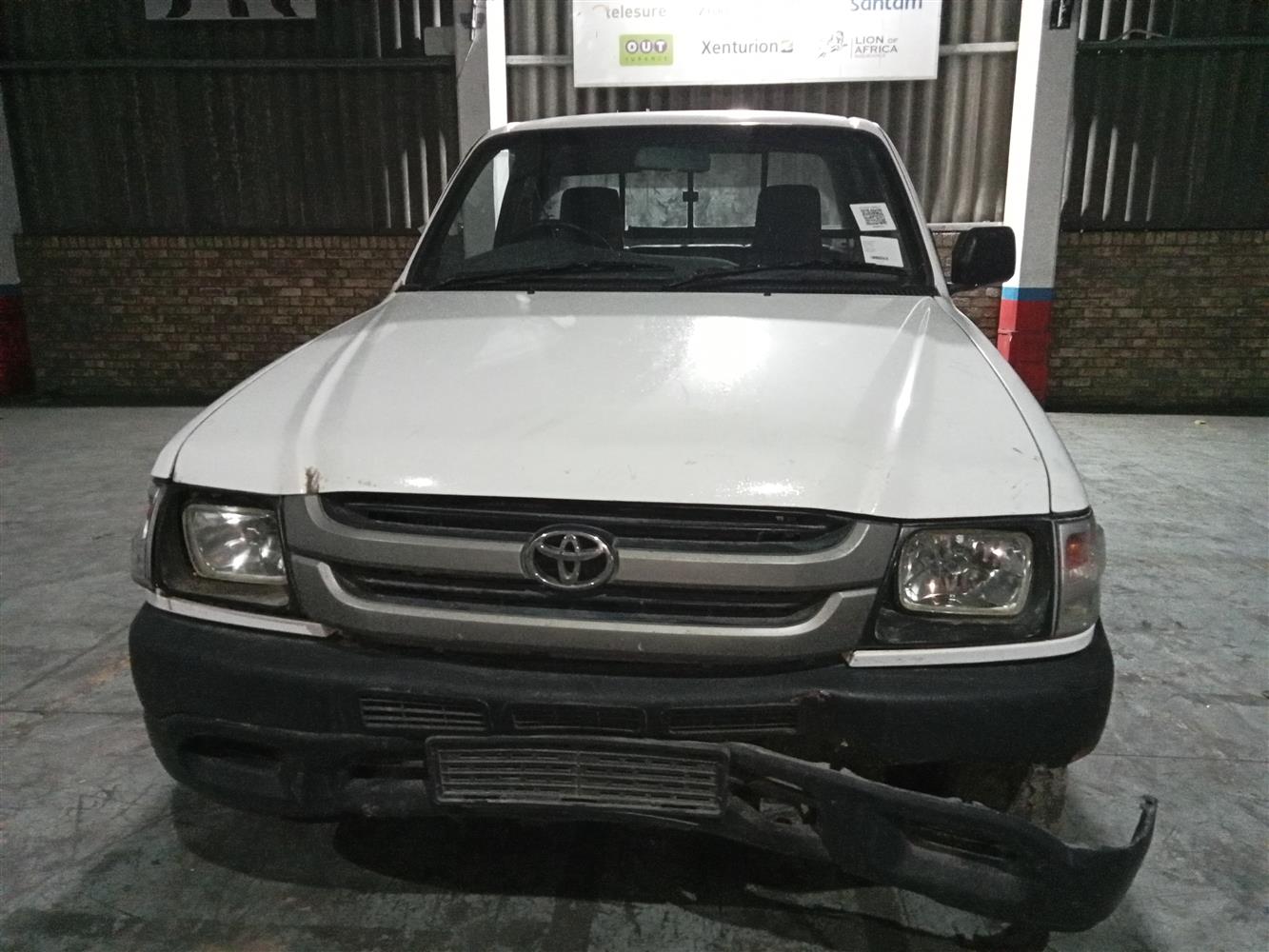
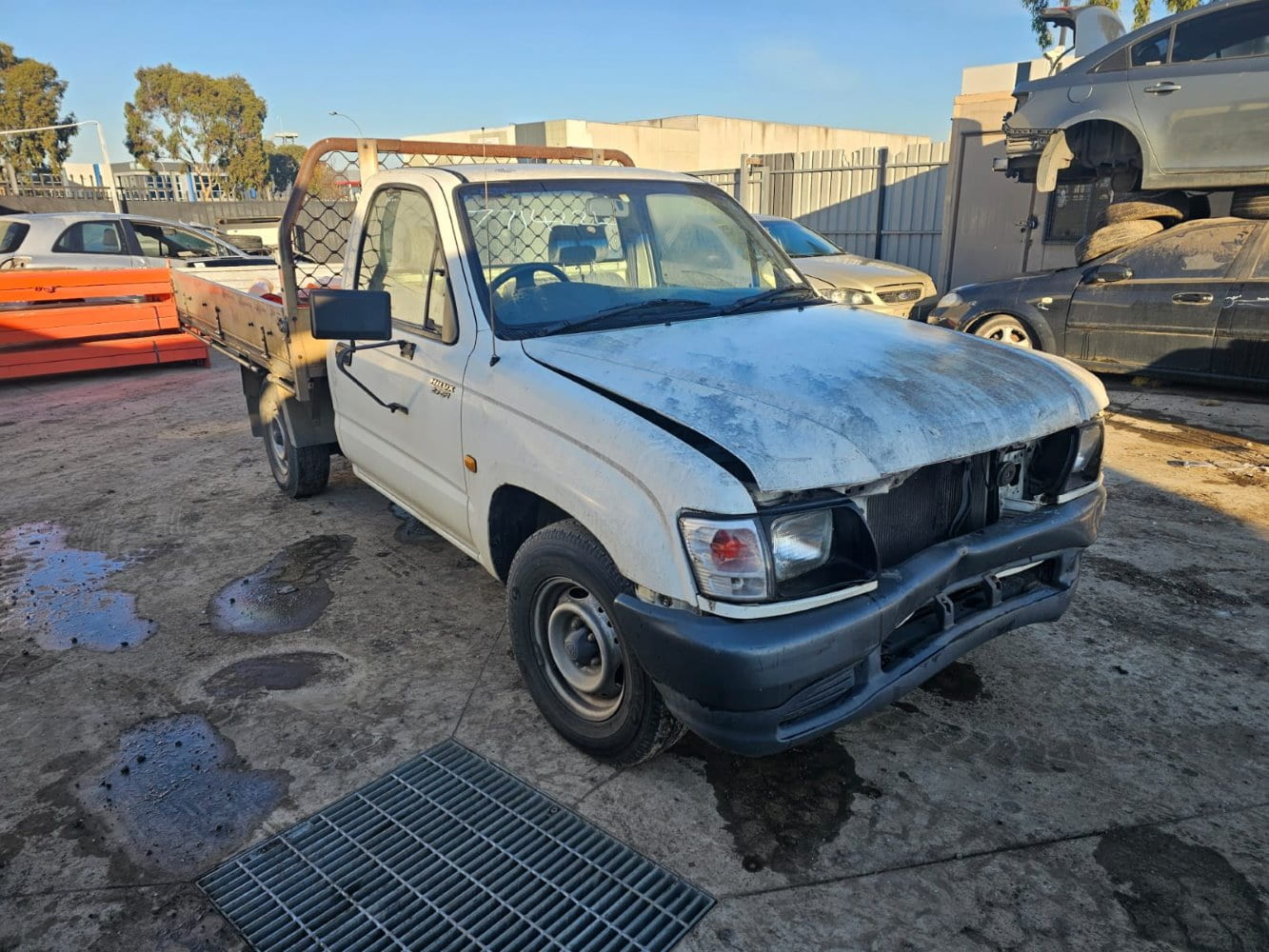
The 2002 Toyota Hilux remains a compelling purchase today for buyers seeking mechanical simplicity, legendary durability, and off-road capability, provided it has escaped severe chassis rust and neglect. While it lacks modern safety features and refinement, its mechanical resilience makes it a practical workhorse or project platform for enthusiasts willing to perform ongoing maintenance.
Introduction to the 2002 Toyota Hilux Legacy
Evaluating a vehicle that is more than two decades old requires shifting perspective away from modern automotive conveniences and focusing entirely on structural integrity, mechanical heritage, and functional utility. The 2002 Toyota Hilux—falling squarely into the seventh generation of certain regional markets or late sixth generation (depending on the global market classification, commonly associated with the N140/N160/N170 platforms)—holds an almost mythical reputation for indestructible reliability. Originally designed as a utilitarian vehicle for harsh agricultural, industrial, and expeditionary environments, these trucks were built with thick-gauge steel frames, robust manual and automatic transmissions, and engines that predated complex electronic emissions controls.
For buyers considering this truck today, the decision is rarely about comfort or technology. Instead, it is an economic and practical evaluation of whether a 2002 model can still perform demanding tasks without demanding disproportionate repair bills. Understanding what makes this specific model year unique requires looking at its mechanical lineage, regional variations, and the realities of owning a vintage workhorse.
Mechanical Specifications and Powertrain Options
The global versatility of the 2002 Toyota Hilux meant that engine and drivetrain configurations varied significantly depending on whether the vehicle was sold in Australia, Southeast Asia, South Africa, or parts of Latin America and Europe. However, certain powerplants defined this era of the Hilux, balancing modest output with extraordinary longevity.
Legendary Engine Variants
The engine lineup in 2002 generally featured time-tested petrol and diesel options. The naturally aspirated and turbocharged diesel engines, particularly the 3L (2.8-liter) and 5L (3.0-liter) indirect injection diesels, as well as the early 1KD-FTV (3.0-liter D-4D) common-rail diesel introduced around this era in select markets, offered exceptional torque at low RPMs.
- Diesel Powerplants: Known for immense thermal efficiency and mechanical robustness. Early mechanical injection units require minimal electronics to run, making them field-repairable. Common-rail units (1KD) offer better fuel economy and power but demand cleaner fuel and more vigilant maintenance of injectors and turbochargers.
- Petrol Powerplants: Variants such as the 2.7-liter 3RZ-FE four-cylinder petrol engine are widely praised for smooth operation, timing chain longevity, and a capacity to handle high mileage without catastrophic failure.
Drivetrain and Suspension Architecture
Beneath the body panels, the 2002 Hilux typically utilized a robust ladder-frame chassis. Depending on the trim and specification, buyers will encounter rear-wheel-drive (4x2) or part-time four-wheel-drive (4x4) systems featuring a dual-range transfer case and manual locking hubs (or automatic hubs on later trims).
Suspension setups varied between independent front suspension (IFS) with torsion bars on 4x4 models and rigid leaf-spring solid axles at the rear. While leaf springs sacrifice ride comfort—especially when the bed is unloaded—they provide an exceptional payload capacity and heavy-duty articulation off-road.
| Component Category | Common Options / Specs | Maintenance & Reliability Notes |
|---|---|---|
| Primary Engines | 2.7L Petrol (3RZ-FE), 3.0L Diesel (5L), 3.0L Turbo Diesel (1KD-FTV) | Timing chains on petrol units are durable; diesel variants require careful cooling system monitoring. |
| Transmissions | 5-speed manual, 4-speed automatic | Clutches on manuals wear predictably; automatics require fluid changes to prevent overheating under load. |
| Drivetrain | RWD or Part-time 4WD with high/low range | Transfer cases are rugged, but manual hubs require periodic greasing and seal checks. |
| Suspension | Front IFS (torsion bar/double wishbone), Rear leaf springs | Leaf springs can sag with age; bushings and shock absorbers frequently require replacement on older examples. |
Common Issues and Inspection Checklist
Buying a 2002 Toyota Hilux requires a rigorous physical inspection. While the mechanical components are famously durable, time, environment, and previous owners take a heavy toll.
Chassis Rust and Structural Integrity
The single greatest threat to any 2002 Hilux is structural corrosion. Frame rust can develop internally within the boxed sections of the ladder chassis, often going unnoticed until structural integrity is compromised. Buyers must thoroughly inspect the frame rails above the rear axle, near the leaf spring shackles, and around the front suspension mounts. Surface rust on crossmembers is manageable, but deep flaking or structural perforation should be treated as a dealbreaker unless budgeted for professional chassis repair.
Cooling System Health
Older aluminum-core radiators and iron-block engines demand clean coolant. Overheating is the primary killer of both the 3RZ petrol and early diesel engines. Check for oil contamination in the coolant, signs of cracked cylinder heads, and the condition of the water pump and fan clutch.
Drivetrain Wear and Play
With two decades of service, manual gearboxes can develop synchronizer wear, resulting in notchy shifting or grinding into gears. CV joints on 4x4 models should be inspected for torn boots and clicking noises during tight turns. Additionally, check the steering box or rack for excessive play, which is common in high-mileage work trucks.
Daily Usability, Comfort, and Modern Realities
Driving a 2002 Toyota Hilux today is vastly different from driving a modern mid-size pickup. Cabin ergonomics reflect commercial design philosophies of the late 1990s and early 2000s, featuring hard plastics, straightforward analog instrument clusters, and manual climate controls.
Noise, vibration, and harshness (NVH) levels are noticeably higher than in contemporary vehicles. Cabin insulation is minimal, and wind noise at highway speeds is standard. Safety equipment is also a critical consideration: most models from this era feature basic dual front airbags and non-ABS brakes (or rudimentary ABS on higher trims). Electronic stability control, modern crumple zones, and side-impact curtain airbags are absent. Buyers must weigh this trade-off between mechanical simplicity and passive safety standards.
Financial Considerations: Purchase Price, Parts, and Fuel Economy
Economics often drive the decision to buy an older Hilux. While upfront purchase prices vary wildly by geographic region, condition, and whether the truck is a 4x4 or 2x4, ongoing ownership costs remain relatively predictable due to parts availability.
Parts Availability and Aftermarket Support
One of the strongest arguments for buying a 2002 Hilux is the vast ecosystem of both OEM and aftermarket parts. Because millions of these vehicles were manufactured and distributed globally, mechanical components—suspension lifts, replacement body panels, alternators, and brake kits—are readily accessible and affordably priced.
Fuel Consumption
Do not expect modern fuel efficiency. Older diesel and petrol engines consume more fuel than modern common-rail turbodiesels paired with 6-to-10-speed transmissions. Real-world fuel economy will vary based on tire size, load, and terrain, but owners should budget accordingly for daily commuting or long-distance touring.
Frequently Asked Questions
Is the 2002 Toyota Hilux a reliable daily driver?
Yes, it can be a reliable daily driver if it has been well-maintained and does not suffer from chronic rust. However, its lack of modern comfort features, higher fuel consumption, and basic safety equipment make it less ideal for long daily highway commutes compared to modern passenger vehicles.
What is the most reliable engine option for the 2002 Hilux?
The 2.7-liter 3RZ-FE petrol engine is widely regarded as one of the most bulletproof powerplants ever built by Toyota, capable of exceptionally high mileage with basic maintenance. Among diesels, the naturally aspirated 5L engine is exceptionally durable, though slower than the turbocharged 1KD-FTV.
How do I check for hidden frame rust on a 2002 Hilux?
Visually inspect the entire chassis using a flashlight, paying close attention to wheel arches, leaf spring mounts, and areas where mud and salt accumulate. Use a small hammer or screwdriver to gently tap suspicious areas; if the metal flakes heavily or punctures, the frame has structural rot.
Can the 2002 Hilux handle modern off-roading?
Absolutely. Out of the box, 4x4 models possess exceptional off-road geometry, solid ground clearance, and low-range gearing. With basic suspension upgrades and good all-terrain tires, it easily matches or exceeds the trail capability of many modern electronic-heavy trucks.
How expensive is it to maintain a 2002 Toyota Hilux?
Routine maintenance is inexpensive. Parts are widely available, and the mechanical simplicity allows many repairs to be performed at home without specialized diagnostic computers. Major expenses usually only arise from neglected maintenance, severe rust repair, or major engine overhauls.
Final Recommendation
The 2002 Toyota Hilux is worth buying today if you find an example with a clean, rust-free chassis and verified mechanical health. It is an ideal purchase for farmers, tradespeople, overlanding enthusiasts, and DIY mechanics who value analog reliability over digital screens and electronic driver aids. Avoid buying heavily modified or neglected examples unless you are prepared to invest time and money into a comprehensive restoration project.