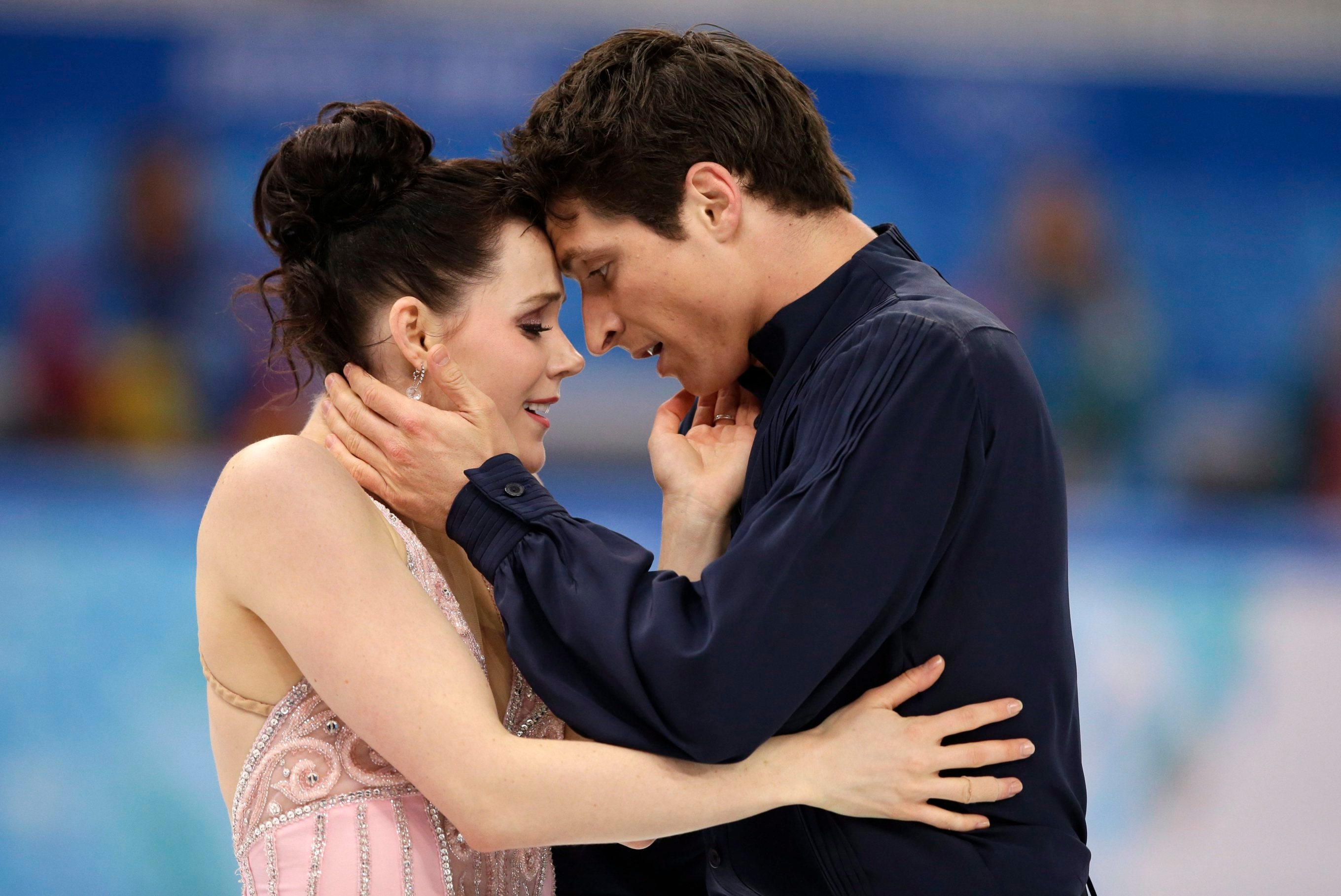
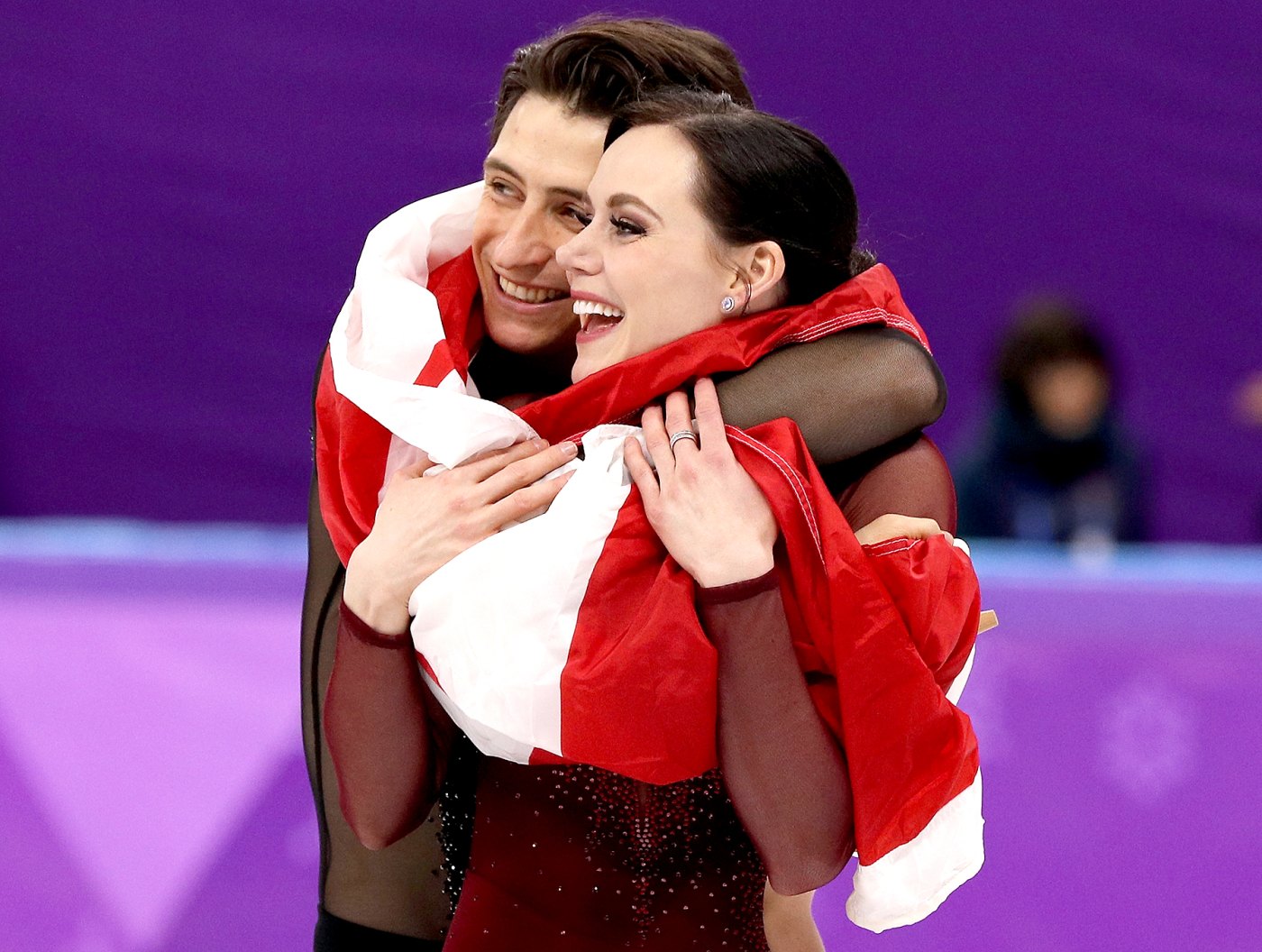
Tessa Virtue and Scott Moir secured two gold medals at the 2018 PyeongChang Winter Olympics, winning the Team Event with Team Canada and the individual Ice Dance title. These victories made them the most decorated figure skaters in Olympic history, with a career total of five medals, including three golds and two silvers.
The 2018 Winter Olympics marked the definitive climax of what many sports historians now, in 2026, consider the greatest career in ice dance history. After a two-season hiatus following the 2014 Sochi Games, Tessa Virtue and Scott Moir returned to the ice with a singular focus: to reclaim the gold medal they had narrowly lost to their rivals and training mates. Their journey in PyeongChang was not just about the technical execution of edges and turns; it was a masterclass in storytelling, athletic longevity, and the strategic navigation of the International Judging System (IJS).
The Path to PyeongChang: A Calculated Comeback
To understand the magnitude of the two wins in 2018, one must look at the landscape of figure skating between 2014 and 2016. After winning silver in Sochi, Virtue and Moir took a break from competitive skating. During their absence, the French duo of Gabriella Papadakis and Guillaume Cizeron emerged, redefining ice dance with a lyrical, contemporary style that favored fluid movement and high Program Components Scores (PCS).
Virtue and Moir’s decision to return was a calculated risk. They moved their training base to Montreal to work under Marie-France Dubreuil and Patrice Lauzon at the Ice Academy of Montreal (I Am)—the very same coaches who trained their primary rivals, the French. This environment fostered a "push-pull" dynamic where both teams reached unprecedented levels of technical difficulty. By the time the 2018 Olympics arrived, the narrative was set: the veteran power and precision of the Canadians versus the modern, ethereal grace of the French.
Win Number One: The Olympic Team Event Gold
The first of the two wins for Tessa Virtue and Scott Moir in 2018 came in the Team Event. Introduced in 2014, the Team Event allows nations to showcase their depth across all four disciplines: Men’s, Women’s, Pairs, and Ice Dance.
Canada’s Dominant Performance
Team Canada entered PyeongChang as the favorites for the team gold. The roster was a "who’s who" of Canadian skating legends: Patrick Chan in the men’s event, Kaetlyn Osmond and Gabrielle Daleman in the women’s, Meagan Duhamel and Eric Radford in pairs, and Virtue and Moir as the ice dance anchors.
Virtue and Moir performed in both the Short Dance and the Free Dance segments of the team competition. Their Short Dance to a medley of Rolling Stones hits was a statement of intent. They delivered a Level 4 performance across all elements, including their signature stationary lift and the Rhumba pattern dance. This performance earned them 80.51 points, the highest score of the segment, providing Canada with the maximum 10 points.
In the Free Dance portion of the Team Event, they performed their now-iconic Moulin Rouge! program for the first time on Olympic ice. While they didn't need to be perfect for Canada to win—the team had already built a significant lead—they skated with a ferocity that signaled they were the team to beat in the individual event. Canada finished with 73 points total, comfortably ahead of the Olympic Athletes from Russia (66) and the United States (62). This victory gave Virtue and Moir their second Olympic gold medal (following their 2010 individual win) and set the stage for their final competitive performance.
Win Number Two: The Individual Ice Dance Gold
The individual Ice Dance event is widely regarded as one of the most stressful and closely contested competitions in Olympic history. The rivalry between Virtue/Moir and Papadakis/Cizeron had reached a fever pitch, with the two teams trading world records throughout the 2017-2018 season.
The Short Dance: Precision and Performance
The Short Dance (now called the Rhythm Dance) required a "Latino" theme for the 2017-2018 season. Virtue and Moir’s program—set to "Sympathy for the Devil," "Hotel California," and "Oye Como Va"—was a departure from the traditional ballroom approach. It was edgy, fast, and technically demanding.
Key elements of their Short Dance included:
- The Rhumba Sequence: A required pattern that tests the skaters' ability to maintain deep edges while adhering to strict timing.
- Synchronized Twizzles: Known for their incredible proximity and matching rotational speed, Virtue and Moir achieved Level 4 with high Grades of Execution (GOE).
- The Midline Step Sequence: This required immense power and coverage of the ice surface.
They scored a world record 83.67 points, leading the French pair by 1.74 points heading into the Free Dance. This lead was crucial, as Papadakis and Cizeron were known for their exceptionally high scores in the Free Dance segment.
The Free Dance: The "Moulin Rouge!" Masterpiece
For their final competitive performance, Virtue and Moir chose the soundtrack to Moulin Rouge!. The program was a narrative of passion, conflict, and tragic love. It was choreographed to maximize their chemistry and physical strength.
The program was not without controversy. Earlier in the season, a particular lift—where Virtue wrapped her legs around Moir’s neck—was deemed "too suggestive" by some officials and was slightly modified for the Olympic stage to ensure no deductions were taken.
In the final, Papadakis and Cizeron skated before the Canadians and delivered a world-record performance, scoring 123.35 in the Free Dance for a total of 205.28. This meant Virtue and Moir needed at least 121.62 points to win gold. They took the ice under immense pressure. Their performance was flawless, characterized by a series of difficult lifts (including the "Curve Lift" and "Rotational Lift") and a dramatic choreographic slide.
When the scores were announced, they received 122.40 for the Free Dance, giving them a total of 206.07—a new world record at the time. They had won their second individual Olympic gold by a margin of just 0.79 points.
Technical Breakdown of the 2018 Performances
To appreciate why Virtue and Moir won twice in 2018, one must look at the technical data. The International Judging System (IJS) divides scores into two main categories: the Technical Element Score (TES) and the Program Components Score (PCS).
| Element/Category | Team Event (FD) | Individual Short Dance | Individual Free Dance |
|---|---|---|---|
| Total Score | 118.10 | 83.67 (WR) | 122.40 |
| TES (Technical) | 59.25 | 44.53 | 63.35 |
| PCS (Components) | 58.85 | 39.14 | 59.05 |
| Key Element 1 | Rotational Lift (L4) | Rhumba Pattern (L4) | Stationary Lift (L4) |
| Key Element 2 | Synchronized Twizzles (L4) | Midline Steps (L4) | Circular Steps (L3) |
| Key Element 3 | Dance Spin (L4) | Curve Lift (L4) | Combo Spin (L4) |
The table illustrates their consistency in achieving "Level 4" (the highest difficulty) for almost every technical element. Their PCS scores, which evaluate skating skills, transitions, performance, composition, and interpretation, were nearly perfect, often receiving 10.00s from several judges.
The Strategic Importance of the 2018 Wins
The "2 wins" were not just athletic achievements; they were the result of a strategic overhaul of their skating style. In their earlier career (2010), they were known for their classical "Russian-style" long lines and balletic grace. In 2018, they pivoted to a more athletic, powerful, and contemporary style.
- Athleticism over Aesthetics: While they remained graceful, the 2018 programs emphasized Moir’s strength and Virtue’s incredible core control. Their lifts were more athletic and risky than those of their competitors.
- Musical Choice: Choosing Moulin Rouge! was a populist move. It was a soundtrack the audience and the judges knew and loved, allowing for an immediate emotional connection that more abstract programs (like the French pair’s) sometimes lacked.
- The "Veteran" Narrative: They utilized their experience to manage the grueling Olympic schedule. Competing in both the Team and Individual events required four full competitive performances in a short span, a feat that requires immense physical conditioning.
Historical Significance: The Most Decorated Skaters
By securing two golds in 2018, Virtue and Moir surpassed the medal count of legendary skaters like Gillis Grafström and Sonja Henie. Their five Olympic medals (Gold: 2010 Individual, 2018 Individual, 2018 Team; Silver: 2014 Individual, 2014 Team) represent a level of sustained excellence rarely seen in a sport where careers are often shortened by injury or changing judging trends.
In the years following 2018, the "Virtue/Moir" style became the blueprint for modern ice dance. Their ability to blend the technical requirements of the IJS with genuine, evocative storytelling changed how programs were choreographed. As of 2026, they remain the standard by which all new ice dance teams are measured.
Frequently Asked Questions
Did Tessa Virtue and Scott Moir retire after the 2018 Olympics?
Yes, while they did not officially announce it on the ice immediately after their win, they embarked on a "Thank You Canada" tour and eventually confirmed their retirement from competitive skating in September 2019. They have since focused on professional shows, skating mentorship, and individual business ventures.
How many world records did they break at the 2018 Olympics?
During the 2018 PyeongChang Games, Virtue and Moir set world records in the Short Dance (83.67) and the Total Score (206.07). These records were eventually surpassed as the judging system and "Grade of Execution" scales were updated in subsequent seasons, but at the time, they represented the absolute peak of the sport.
Why was their Free Dance music choice significant?
Moulin Rouge! was significant because it allowed them to showcase a high-intensity, cinematic style of skating. It contrasted sharply with the more minimalist and modern style of their main rivals, Gabriella Papadakis and Guillaume Cizeron, helping the judges distinguish between the two top teams.
How did the Team Event affect their individual performance?
Many skaters find the Team Event exhausting, as it requires two extra performances before the individual event starts. However, Virtue and Moir used it as a "dress rehearsal," allowing them to get comfortable with the Olympic ice, the lighting, and the judging panel's reactions before the individual medals were on the line.
Who were the other members of the 2018 Canadian winning team?
The gold-medal-winning team included Patrick Chan (Men's), Kaetlyn Osmond and Gabrielle Daleman (Women's), Meagan Duhamel and Eric Radford (Pairs), and Tessa Virtue and Scott Moir (Ice Dance). This team is widely considered the strongest Olympic figure skating team Canada has ever produced.
Practical Legacy and Next Steps for Enthusiasts
For those looking to study the 2018 performances or understand the technicalities of Virtue and Moir’s wins, the best course of action is to review the ISU (International Skating Union) judging protocols from the 2017-2018 season. Observing the difference between their "Level 4" elements and the "Level 3" elements of other competitors provides a clear picture of why they were able to maintain their lead.
Fans and students of the sport can still access the archival footage through the International Olympic Committee (IOC) platforms. Analyzing the "Moulin Rouge!" Free Dance alongside the judges' "Protocol Sheets" (which list every point awarded for every move) remains one of the most effective ways to learn the nuances of modern ice dance scoring.