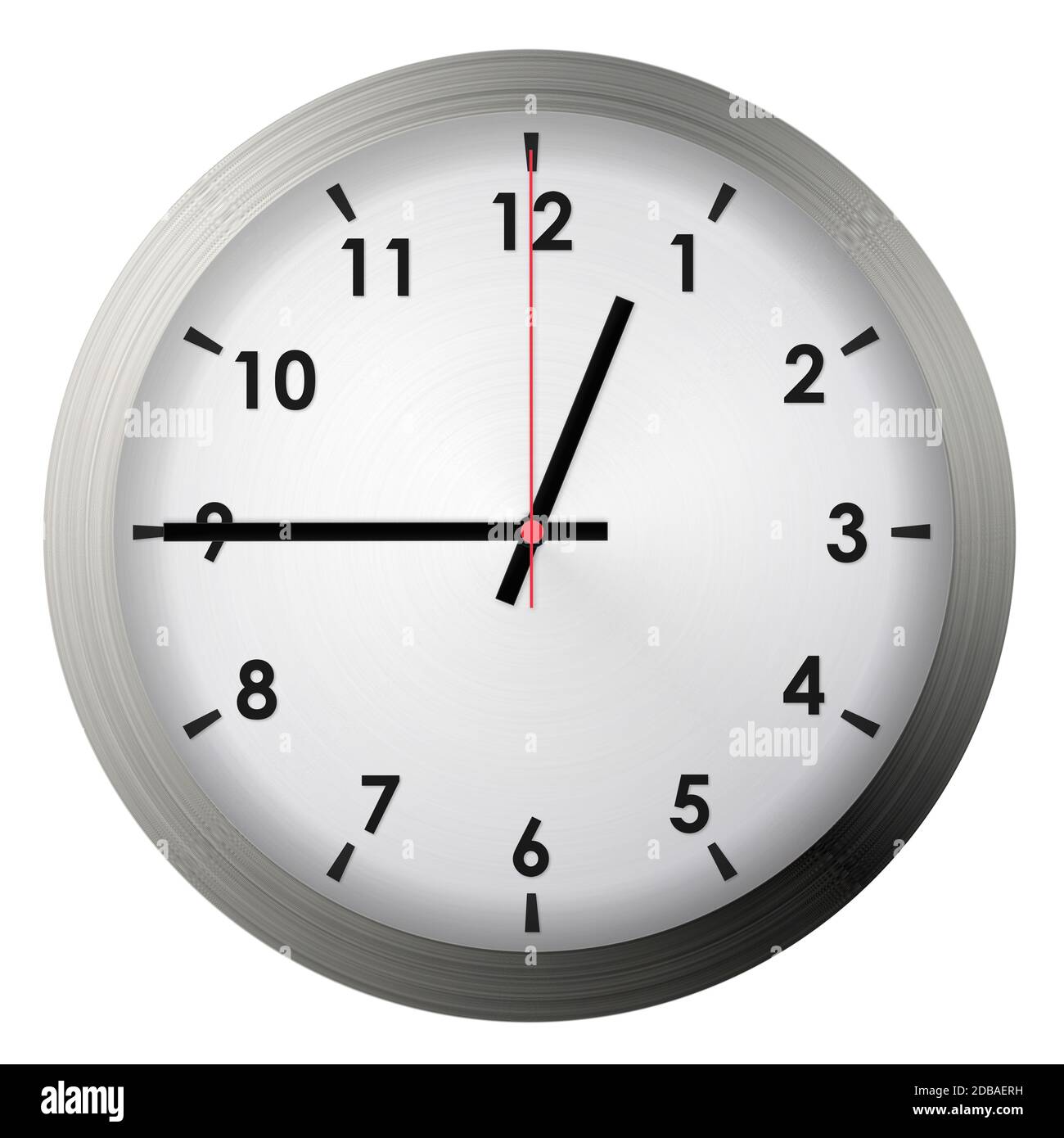
Reading and interpreting 2:45 on a clock involves bridging traditional analog visualization with modern digital timekeeping, serving as a critical spatial milestone that marks three-quarters of the way through an elapsed hour while signaling the final fifteen minutes remaining until the next hour begins.
The Dual Nature of 2:45: Analog Mechanics Versus Digital Readouts
Timekeeping devices fundamentally alter how humans perceive and process temporal information. When examining 2:45 on a clock, the user experiences a distinct cognitive transition depending on whether they look at a traditional circular dial or a modern digital display. This section explores the mechanics of both systems and how they represent this specific moment.
Analog Clock Mechanics at 2:45
On an analog clock face, 2:45 is one of the most visually asymmetrical and structurally interesting configurations of the standard twelve-hour cycle. Understanding how the mechanical gears interact to display this time reveals the precision engineered into traditional horology.
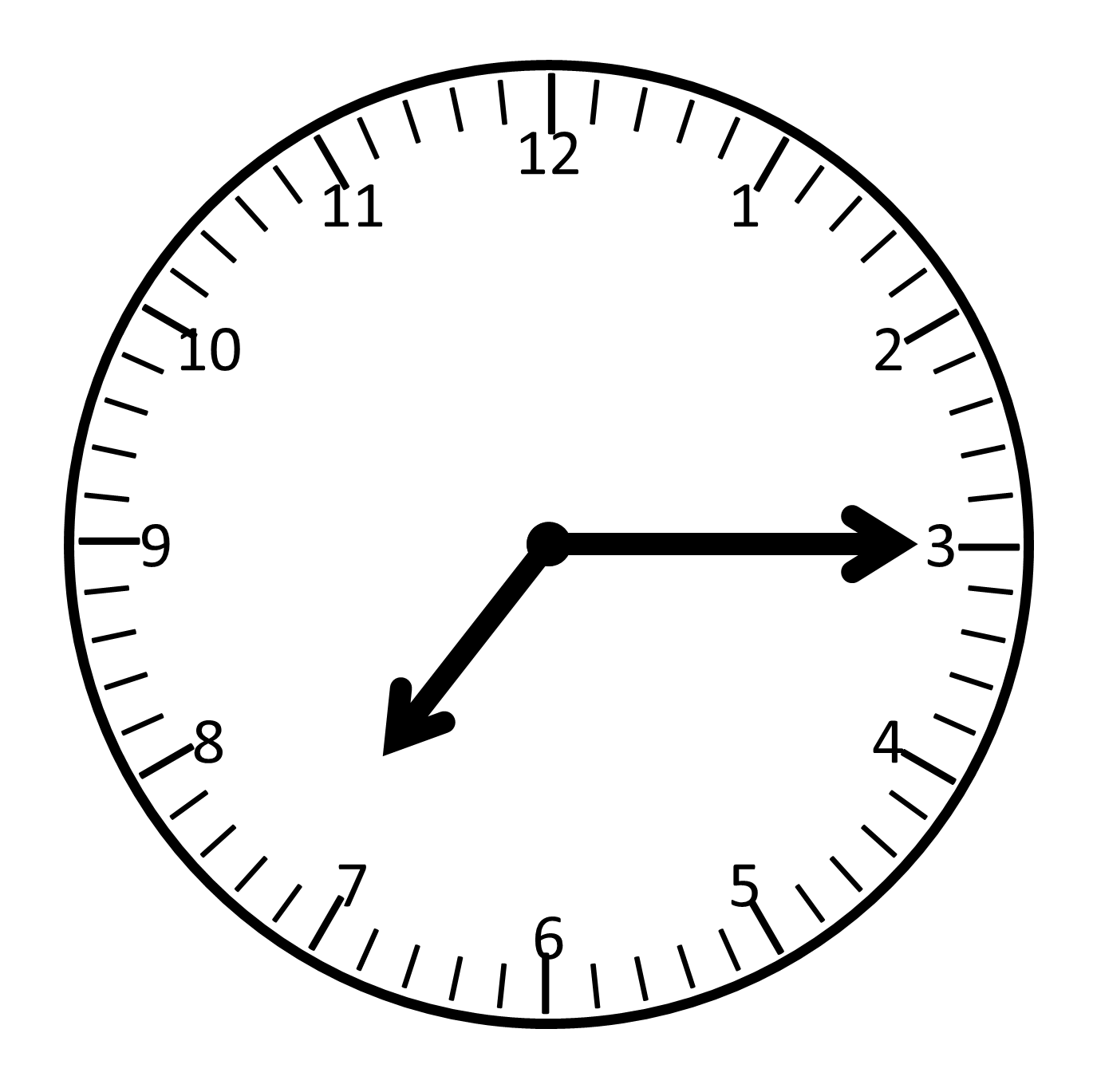
- The Minute Hand: Positioned precisely at the vertical downward mark, pointing directly at the number 9. This indicates that 45 minutes have elapsed since the top of the hour.
- The Hour Hand: Positioned three-quarters of the distance between the 2 and the 3. Because the hour hand moves continuously rather than in abrupt jumps, it has already traversed seventy-five percent of the physical arc separating the second and third hour markers.
- The Second Hand (if present): Sweeps continuously across the dial, providing a dynamic measurement of seconds within the forty-fifth minute.
This physical configuration often challenges young learners or individuals unaccustomed to analog layouts because the hour hand is significantly closer to the 3 than the 2. Novices frequently misread this position as "3:45," forgetting that the hour hand does not snap to the next number until the minute hand completes its full 360-degree rotation back to the 12.
Digital Clock Readouts at 2:45
Digital clocks, whether displaying a 12-hour or 24-hour format, present 2:45 through discrete numerical digits. In a standard 12-hour format, it appears as 2:45 (often supplemented by an AM or PM indicator). In a 24-hour format, it appears identically as 02:45 during the early morning hours, or as 14:45 during the mid-afternoon.
Digital systems eliminate the spatial interpretation required by analog faces. The numbers change instantaneously, replacing the continuous sweep of hands with hard transitions. While this offers immediate clarity, it removes the intuitive visual feedback loop inherent in analog dials—specifically, the immediate visual representation of time remaining versus time elapsed.
Temporal Psychology and the Fifteen-Minute Countdown
The designation 2:45 carries specific psychological weight in human scheduling and routine management. Because it sits precisely fifteen minutes before the top of the hour (3:00), it functions as a natural psychological trigger for transition, preparation, and closure.
The Phenomenon of the Quarter-Hour Warning
In professional, educational, and transit environments, the forty-fifth minute of any hour serves as an implicit deadline marker. When a clock reads 2:45, human cognition typically shifts from execution mode to completion mode.
- Meeting Transitions: In corporate scheduling, meetings often run on the assumption that a session ending at 3:00 requires a wrap-up phase starting around 2:45.
- Transit and Commuting: Catching a train or bus scheduled for the top of the hour means that seeing 2:45 on a clock instantly prompts a departure or final check of belongings.
- Cognitive Anchoring: People utilize quarter-hour intervals to structure productivity blocks, such as the Pomodoro Technique or time-blocking schedules.
AM Versus PM Contextualization
Without external environmental cues, 2:45 is inherently ambiguous regarding its position within the 24-hour day.
| Format / Period | Visual Representation | Typical Human Activity State |
|---|---|---|
| AM (Night/Early Morning) | 2:45 AM / 02:45 | Deep sleep, late-night shift work, or early morning preparation. |
| PM (Afternoon) | 2:45 PM / 14:45 | Late-afternoon lull, school dismissal periods, end of standard business trading hours. |
Recognizing the AM/PM distinction is critical when setting digital alarms, programming automated smart-home routines, or scheduling international communications across time zones.
Educational Challenges in Teaching Time Reading
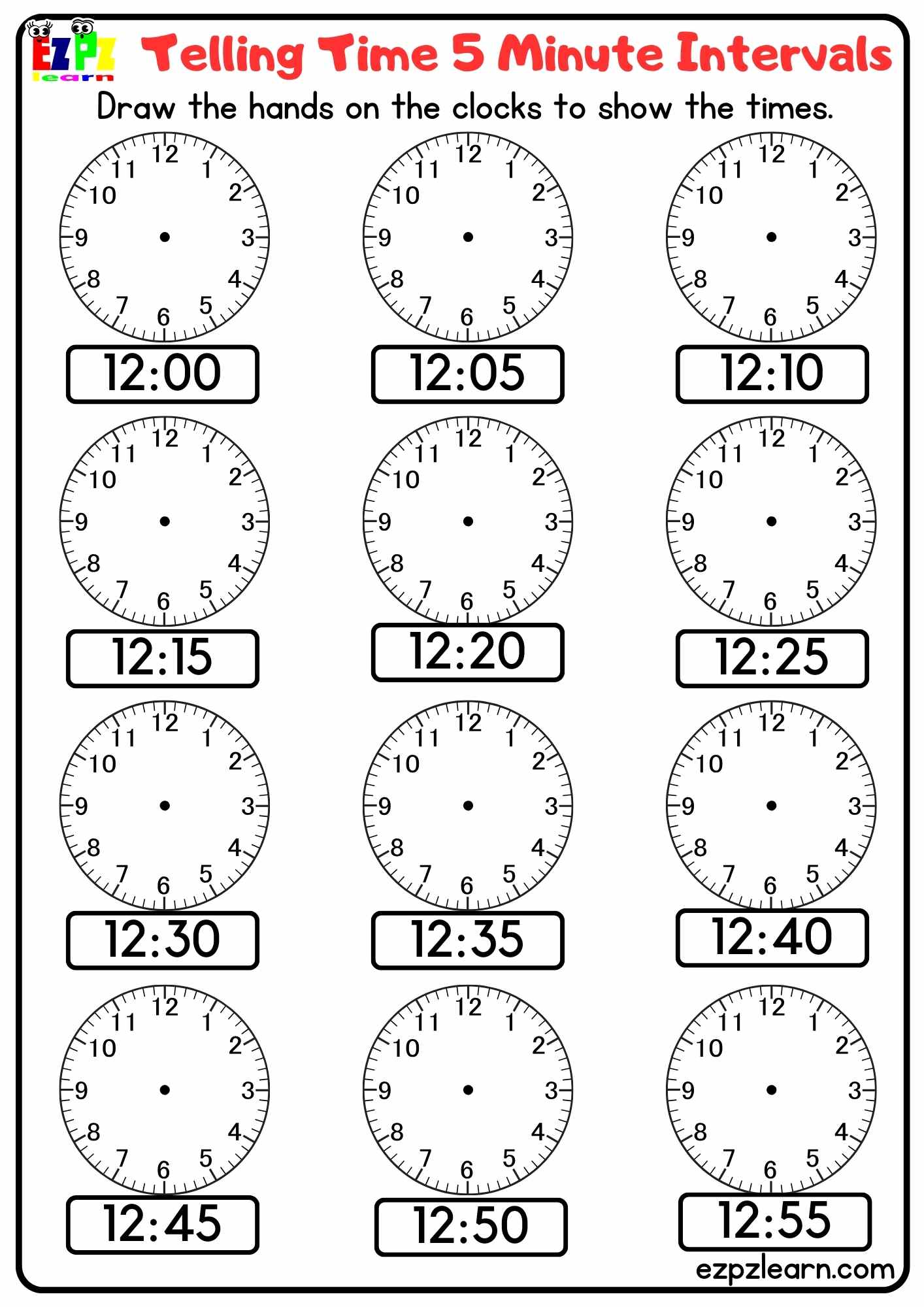
Teaching children or individuals with cognitive impairments how to read 2:45 on a clock represents a standard hurdle in early education and occupational therapy. While reading the minutes (pointing to the 9) is straightforward once skip-counting by fives is mastered, interpreting the advanced hour hand position requires spatial reasoning skills that develop later in childhood.
Common Misconceptions
- Reading the Hour Hand Prematurely: Students frequently look at the hour hand sitting between 2 and 3 and assume the hour is 3 because the hand is closer to the 3.
- Confusing Hands: Misidentifying the longer minute hand as the hour hand and vice versa leads to reading 2:45 as 9:10.
- Ignoring the AM/PM Cycle: Failing to connect the clock face position to the broader diurnal cycle, leading to confusion about morning versus afternoon events.
Pedagogical Strategies
Educators utilize several tactile and visual tools to overcome these hurdles:
- Geared Clocks: Using clocks where moving the minute hand physically forces the hour hand to advance proportionally, demonstrating the continuous mechanical relationship.
- Color-Coding: Assigning different colors to the left and right hemispheres of the clock face to distinguish between "past" and "to" the hour.
- Digital-Analog Mapping: Placing a digital display next to an analog clock to help learners associate the numeric value with the physical position of the hands.
Technological Evolution: From Mechanical Gears to Atomic Time
The way society displays and interacts with 2:45 has undergone a massive technological transformation over the past several centuries. Understanding the mechanisms behind the display adds depth to our daily interaction with timepieces.
Mechanical Clocks and Escapements
Mechanical clocks rely on a weight or mainspring as a power source, regulated by an escapement mechanism and a pendulum or balance wheel. At 2:45, the gear train (consisting of the center wheel, third wheel, and escape wheel) is under constant tension. The precision of the gears determines whether the minute hand points dead-center at the 9 or drifts slightly due to gear backlash or wear.
Quartz Movement and Crystal Oscillations
The introduction of quartz crystal oscillators in the mid-20th century revolutionized timekeeping accuracy. When powered by a battery, a quartz crystal vibrates at a precise frequency (typically 32,768 Hz) when subjected to an electric field. Integrated circuits count these vibrations, advancing the digital display or stepping motor at 2:45 with an accuracy measured in seconds per month rather than seconds per day.
Atomic and Network Synchronization
In the modern era, many devices displaying 2:45 synchronize automatically via Network Time Protocol (NTP) over the internet or through atomic radio signals (such as WWVB in the United States or DCF77 in Germany). This ensures that when a smartphone, computer, or smart-home display reads 2:45, it matches Coordinated Universal Time (UTC) down to the millisecond, eliminating drift entirely.
Frequently Asked Questions
Where are the clock hands positioned at 2:45?
On an analog clock, the minute hand points directly downward at the number 9 (indicating 45 minutes elapsed). The hour hand is positioned three-quarters of the way between the number 2 and the number 3, appearing very close to the 3.
Is 2:45 AM in the middle of the night or the afternoon?
2:45 AM falls in the early morning hours, typically during deep sleep. In contrast, 2:45 PM occurs mid-afternoon, roughly fifteen minutes before 3:00 PM.
How do you write 2:45 in 24-hour military time?
In the 24-hour time format, 2:45 in the morning is written as 02:45, while 2:45 in the afternoon is written as 14:45.
Why does the hour hand look closer to 3 than 2 at 2:45?
The hour hand moves continuously as time progresses, rather than jumping from number to number. Because 2:45 is only fifteen minutes away from 3:00, the hour hand has completed seventy-five percent of its journey toward the 3.
How many minutes remain until 3:00 when a clock shows 2:45?
When a clock displays 2:45, exactly 15 minutes remain until the next hour (3:00) is reached.
Conclusion and Practical Next Actions
Interpreting 2:45 on a clock bridges basic arithmetic, mechanical engineering, and daily time management. Whether you are teaching a child to read an analog dial, setting a digital reminder for a late-afternoon appointment, or synchronizing smart devices across a network, understanding the spatial and numerical properties of this time ensures better scheduling accuracy and cognitive efficiency. Review your current analog timepieces to ensure their gear alignment is accurate, and verify your digital settings to prevent AM and PM scheduling errors.