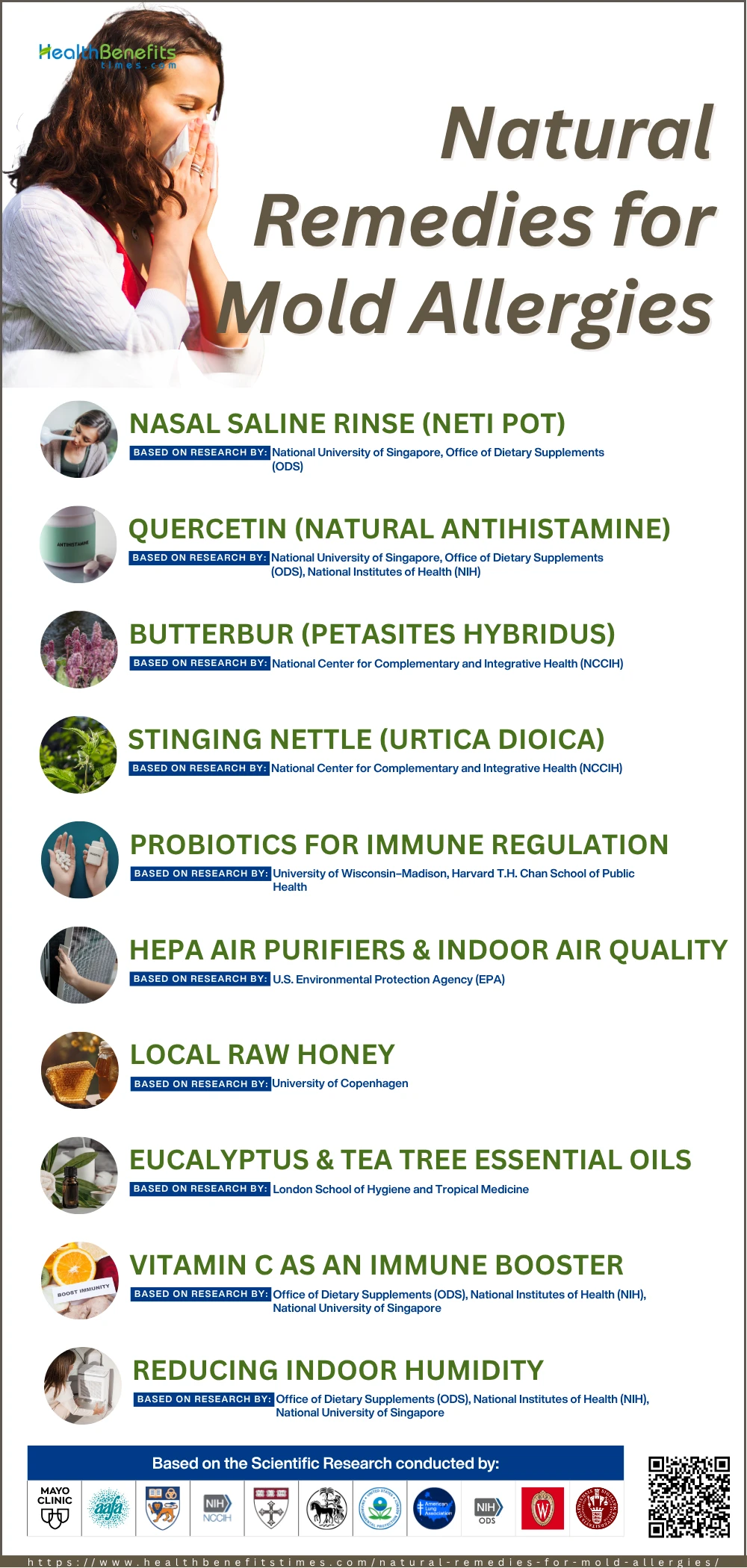
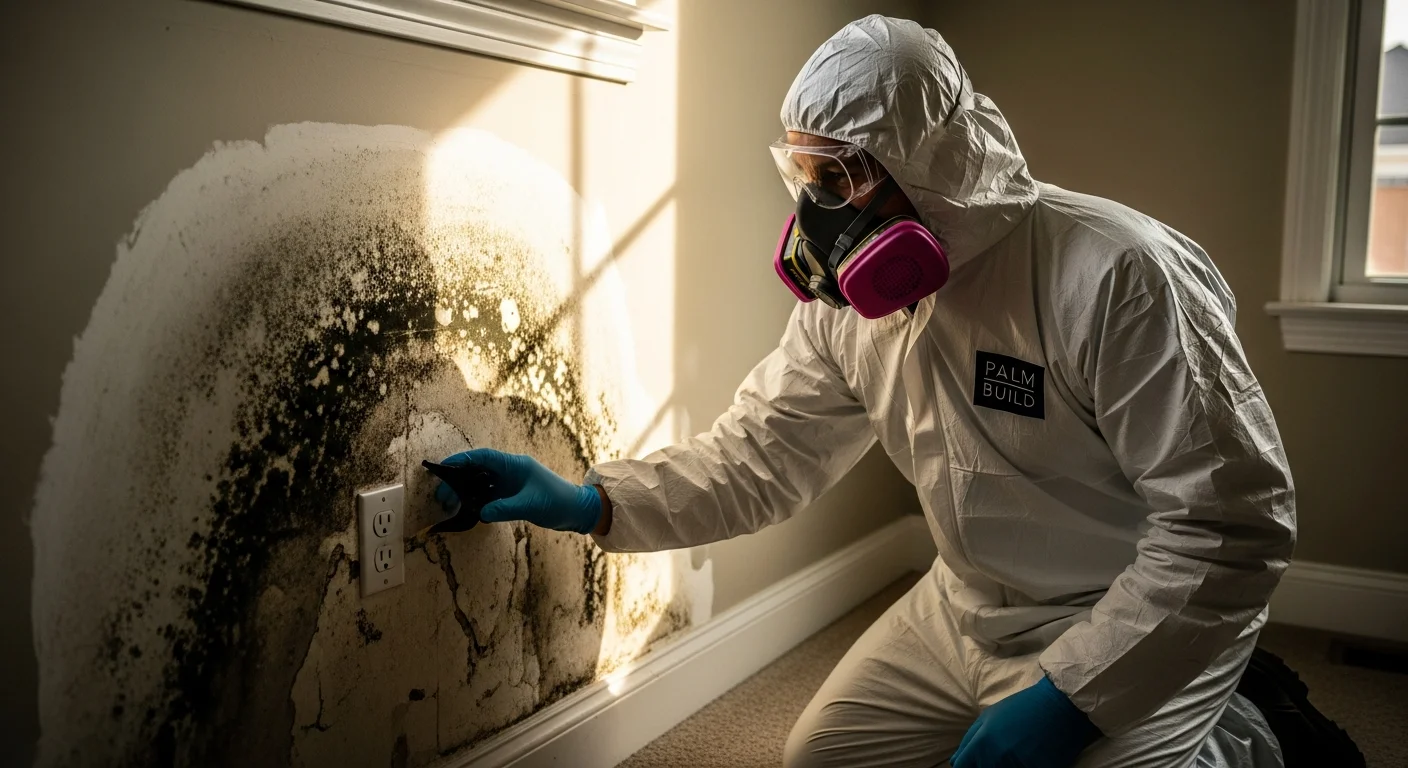
Natural remedies for black mold symptoms focus on three primary pillars: binding mycotoxins within the digestive tract, supporting the body’s natural detoxification pathways (specifically the liver and kidneys), and reducing systemic inflammation. While these methods offer relief, they must be paired with professional mold remediation to address the root environmental cause.
Understanding Black Mold Exposure and Mycotoxicosis
Black mold, scientifically known as Stachybotrys chartarum, is a microfungus that thrives in moisture-rich environments such as damp drywall, carpets, and insulation. Unlike common allergens, black mold produces secondary metabolites called mycotoxins. These toxic compounds, specifically macrocyclic trichothecenes, can be inhaled, ingested, or absorbed through the skin.
When these toxins accumulate in the body faster than they can be excreted, a condition often referred to as Chronic Inflammatory Response Syndrome (CIRS) or mycotoxicosis may develop. Symptoms are rarely localized and often span multiple systems, including respiratory distress, neurological impairment (brain fog), chronic fatigue, and digestive issues.
As of 2026, the medical community increasingly recognizes the necessity of a multi-faceted approach to mold recovery. Natural remedies are not merely "alternatives" but are often essential components of a protocol designed to mobilize and remove deep-seated toxins. However, before beginning any regimen, it is critical to consult a healthcare professional, as some binders can interfere with prescription medications.
The Essential Prerequisite: Environmental Remediation
It is impossible to detoxify effectively if you remain in a mold-contaminated environment. Natural remedies are intended to support the body during and after the removal of the source. Before implementing the 16 remedies reviewed below, ensure the following steps have been taken:
- Professional Testing: Utilize ERMI (Environmental Relative Moldiness Index) or HERTSMI-2 testing to quantify the mold load in your home.
- Source Identification: Locate the moisture source (leaking pipes, roof leaks, or high humidity) and repair it.
- Containment and Removal: Follow IICRC S520 standards for professional remediation to prevent the spread of spores during cleaning.
16 Natural Remedies for Black Mold Symptoms Reviewed
The following remedies have been reviewed based on their mechanism of action, efficacy in clinical observations, and safety profiles.
1. Activated Charcoal (The Binder)
Activated charcoal is perhaps the most well-known "binder" in mold protocols. It works through a process called adsorption, where toxins chemically leap onto the surface of the charcoal particles. Because charcoal is not absorbed by the body, it carries the trapped mycotoxins out through the digestive tract.
- Review: Highly effective for gastrointestinal binding. However, it is non-selective, meaning it can also bind to nutrients and medications. It should be taken at least two hours away from food or other supplements to avoid malabsorption.
2. Bentonite Clay
Similar to charcoal, bentonite clay acts as a binder. It has a strong negative charge that attracts positively charged toxins. It is particularly valued for its ability to bind to various types of mycotoxins that charcoal might miss, providing a broader "net" for detoxification.
- Review: Excellent for systemic detox, but quality matters. Only "food-grade" bentonite should be used to avoid heavy metal contamination, which can be present in industrial-grade clays.
3. Liposomal Glutathione
Glutathione is the body's master antioxidant and is a key component of Phase II liver detoxification. Mold exposure rapidly depletes glutathione stores, leaving the body unable to neutralize oxidative stress. The liposomal form is preferred because it protects the glutathione molecule through the digestive system, ensuring higher bioavailability.
- Review: Essential for neurological symptoms and reducing "brain fog." It helps the liver process toxins into water-soluble forms for easier excretion.
4. Quercetin
Quercetin is a natural flavonoid found in onions and apples that acts as a potent mast cell stabilizer. Mold exposure often triggers the release of histamine, leading to allergy-like symptoms, skin rashes, and respiratory constriction.
- Review: An effective natural antihistamine. It reduces the "over-reactivity" of the immune system common in mold patients without the sedative effects of over-the-counter antihistamines.
5. Probiotics (Specifically Saccharomyces boulardii)
A healthy microbiome is a major defense against fungal overgrowth (Candidiasis), which often accompanies mold exposure. Saccharomyces boulardii, a beneficial yeast, has been shown to help the body eliminate aflatoxins and support the gut barrier.
- Review: Crucial for restoring gut health. It competes with pathogenic fungi for space and nutrients, helping to rebalance the digestive ecosystem.
6. Garlic (Allicin)
Garlic contains allicin, a compound with powerful antifungal and antimicrobial properties. When dealing with mold, garlic helps prevent the colonization of fungal spores within the sinuses and gut.
- Review: A potent, cost-effective remedy. For best results, garlic should be crushed and allowed to sit for 10 minutes before consumption to activate the allicin.
7. Oil of Oregano
Oregano oil contains carvacrol and thymol, which are aggressive antifungal agents. It is often used to address "MARCoNS" (Multiple Antibiotic Resistant Coagulase Negative Staphylococci), a common nasal bacterial overgrowth in mold-sensitive individuals.
- Review: Extremely powerful and should be used with caution. It is a "hot" oil that must be diluted if used topically and taken in enteric-coated capsules if used internally to prevent stomach irritation.
8. Nasal Saline Rinses with Biofilm Dissolvers
Mold spores often colonize the ethmoid and maxillary sinuses. Standard saline rinses (using a Neti pot) help physically flush out spores. Adding a biofilm dissolver (like xylitol or a drop of iodine) helps break down the protective layer fungi build around themselves.
- Review: Necessary for chronic sinus congestion and headaches. Ensure only distilled or sterilized water is used to prevent the introduction of other pathogens.
9. Tea Tree Oil (Topical and Atmospheric)
Tea tree oil is a broad-spectrum antifungal. While it shouldn't be ingested, it can be used topically for mold-related skin rashes or diffused in the air to reduce the airborne fungal load in a room.
- Review: Effective for localized skin issues. When diffused, it can help maintain a cleaner air environment, but it does not replace the need for physical mold removal.
10. Vitamin C (High Dose)
Vitamin C supports the adrenal glands, which are often exhausted by the chronic stress of mold illness. It also acts as a mild binder and a powerful antioxidant that helps repair cellular damage caused by mycotoxins.
- Review: Safe and supportive. Buffered Vitamin C (sodium ascorbate) is often preferred by those with sensitive stomachs to avoid acidity issues.
11. Milk Thistle (Silymarin)
The liver bears the brunt of the detoxification workload. Milk thistle contains silymarin, which protects liver cells from toxin-induced damage and stimulates the production of new, healthy liver tissue.
- Review: A foundational herb for liver support. It ensures that as binders mobilize toxins, the liver has the capacity to process them.
12. Magnesium
Magnesium is involved in over 300 enzymatic reactions, including those required for detoxification and ATP (energy) production. Mold often depletes magnesium, leading to muscle cramps, insomnia, and anxiety.
- Review: Vital for symptom management. Magnesium glycinate is typically recommended for its high absorption rate and calming effect on the nervous system.
13. Infrared Sauna Therapy
Sweating is one of the most effective ways to excrete mycotoxins. Unlike traditional saunas, infrared saunas use light to create heat that penetrates deeper into the tissues, mobilizing toxins stored in fat cells.
- Review: Highly effective for systemic detoxification. Users must hydrate aggressively and take binders (like charcoal) 30 minutes before the session to catch toxins mobilized into the bile.
14. Aggressive Hydration with Electrolytes
Mycotoxins are processed through the kidneys. Increasing water intake helps dilute toxins and speed up their transit through the urinary system. Adding electrolytes ensures that cells remain hydrated and can effectively export waste.
- Review: The simplest yet most overlooked remedy. Without adequate water, other detox methods can lead to a "Herxheimer reaction" (detox flu).
15. Low-Mold/Anti-Inflammatory Diet
What you eat can either fuel or fight fungal growth. A low-mold diet avoids foods high in mycotoxins (like corn, peanuts, and low-quality coffee) and sugars that feed fungal overgrowth.
- Review: Essential for long-term recovery. Focus on cruciferous vegetables (which support liver detox) and high-quality proteins.
16. HEPA and PECO Air Filtration
While not an "ingested" remedy, high-quality air filtration is a physical remedy for the environment. HEPA filters catch spores, while PECO (Photo Electrochemical Oxidation) technology can destroy the smaller mycotoxin molecules.
- Review: Mandatory for preventing re-exposure. Filters should be rated for sub-micron particles to be effective against mycotoxins.
Comparison Table of Natural Remedies
| Remedy | Mechanism of Action | Primary Benefit | Key Precaution |
|---|---|---|---|
| Activated Charcoal | Adsorption | Traps toxins in the gut | Take away from meds/food |
| Glutathione | Phase II Detox | Clears brain fog; protects cells | Use liposomal form for absorption |
| Infrared Sauna | Thermal Mobilization | Excretes toxins via sweat | Monitor for dehydration |
| Quercetin | Mast Cell Stabilization | Reduces allergy/histamine | Consult if on blood thinners |
| Nasal Rinse | Mechanical Flushing | Clears sinus fungal colonies | Use only distilled water |
| Milk Thistle | Hepatoprotection | Supports liver regeneration | May have mild laxative effect |
Safety and Implementation Strategy
When addressing black mold symptoms, "start low and go slow" is the golden rule. Rapidly mobilizing toxins can overwhelm the body's clearance pathways, leading to an intensification of symptoms such as headaches, nausea, and extreme fatigue.
- Open Drainage Pathways First: Ensure you are having daily bowel movements and drinking enough water before starting binders.
- Introduce One at a Time: Add a new remedy every 3–5 days. This allows you to identify which specific supplement is helping or causing a reaction.
- Binder Timing: Always take binders at least 90 minutes after other supplements and medications.
- Listen to Your Body: If symptoms worsen significantly, reduce the dosage. This is often a sign that toxins are being mobilized faster than they can be excreted.
Frequently Asked Questions
How long does it take to detox from black mold?
Recovery time varies based on the duration of exposure, the total toxic load, and individual genetics (such as the HLA-DR gene). Generally, individuals notice significant improvement within 3 to 6 months of leaving the environment and starting a detox protocol, though full recovery can take a year or more.
Can I just use a dehumidifier instead of remediation?
A dehumidifier is a preventative tool, not a solution for existing mold. While it stops new growth by keeping humidity below 50%, it does not remove existing spores or mycotoxins already present in the building structure.
Is it safe to use these remedies while still living in a moldy house?
While some remedies like Vitamin C and Quercetin can help manage symptoms, binders and saunas may actually make you feel worse if you are still being actively exposed. The body will be in a constant state of "toxic influx," making detoxification inefficient and exhausting.
Do I need to see a specific type of doctor for mold symptoms?
Standard general practitioners may not be trained in mycotoxicosis. It is often beneficial to seek out a Functional Medicine practitioner or a Shoemaker Protocol-certified physician who specializes in environmental illness and CIRS.
Are there any natural remedies for mold on surfaces?
For non-porous surfaces, a solution of white vinegar or a botanical cleaner containing thymol (found in thyme oil) is effective. Avoid bleach, as it can encourage some molds to "root" deeper into porous materials like wood or drywall.
Recommendation for Next Actions
If you suspect black mold is affecting your health, your first action should be an ERMI test of your living space. Simultaneously, begin tracking your symptoms in a daily log to identify patterns. Focus initially on the "Foundational Four": hydration, a low-mold diet, Vitamin C, and Milk Thistle. These support the body with minimal risk of a detox reaction. Once the environmental source is confirmed and addressed, work with a professional to introduce binders and glutathione to complete the detoxification process.