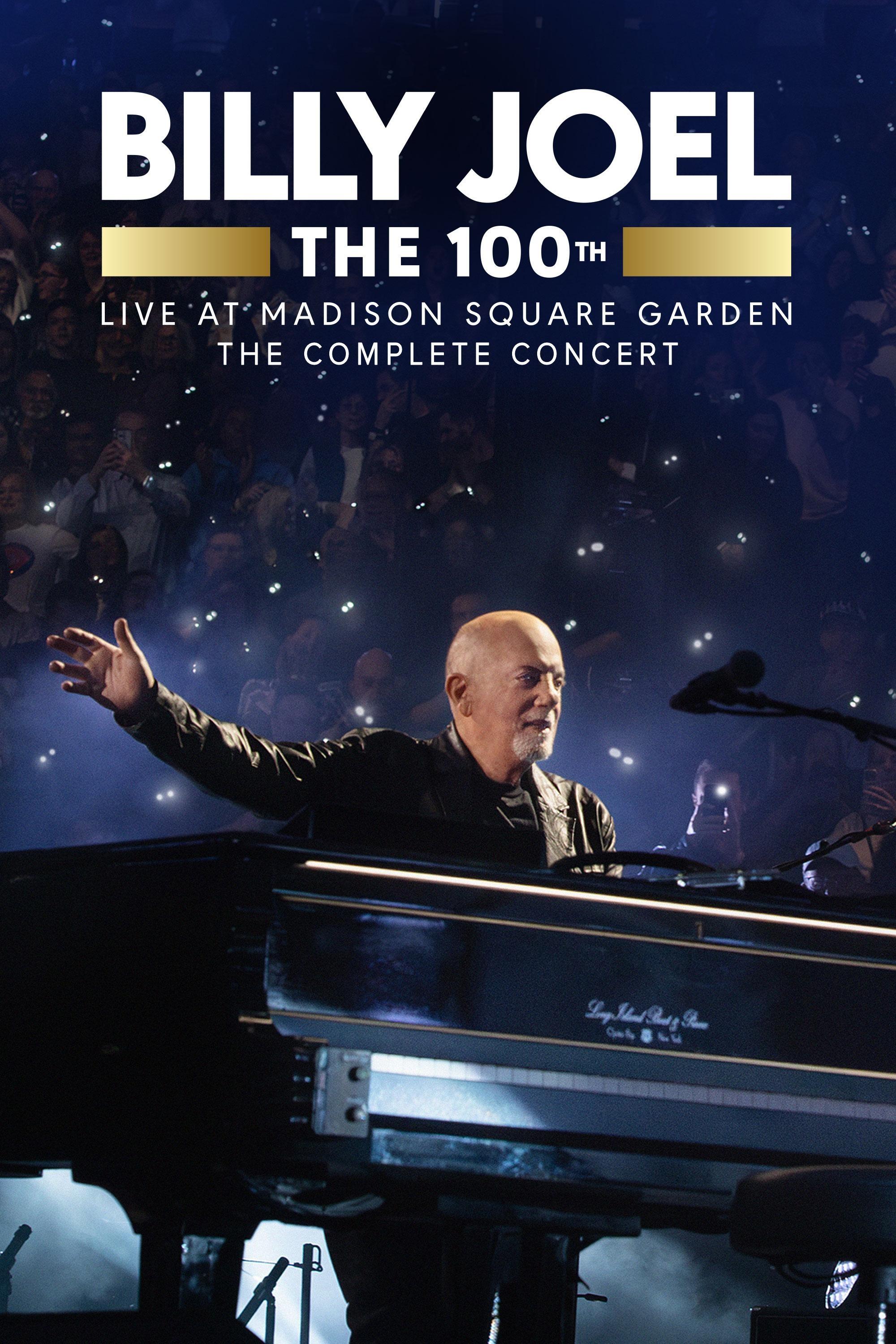
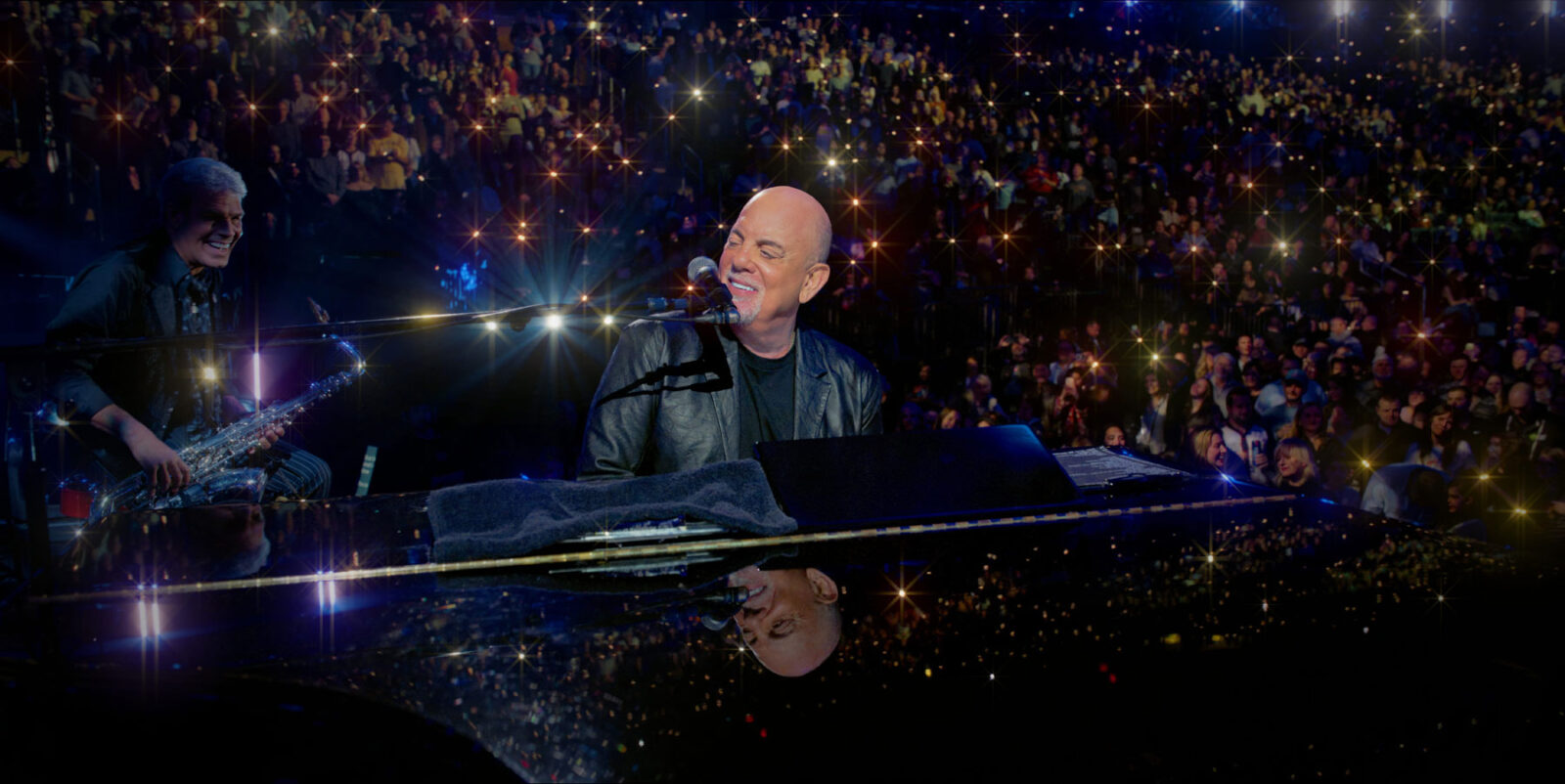
Billy Joel’s historic 100th lifetime show milestone at Madison Square Garden represents an unprecedented achievement in live entertainment, cementing the Piano Man’s status as a New York City cultural institution. This monumental residency shattered venue records, transformed modern touring models, and created an enduring legacy that permanently linked an artist to the world's most famous arena.
The Genesis of a Record-Breaking Residency
When Madison Square Garden announced that Billy Joel would become the venue's first-ever music franchise, few anticipated the sheer scale of the undertaking. What began as a seemingly standard multi-show run in January 2014 evolved into a decade-long cultural phenomenon. The residency model allowed Joel to bypass the traditional album-and-tour cycle, opting instead to play a monthly concert for fans traveling from across the globe.
To understand the weight of the 100th show milestone, one must examine the operational structure of modern arena residencies. Prior to Joel’s historic run, extended residencies were largely the domain of Las Vegas performers like Celine Dion or Elton John, who established permanent stage productions in purpose-built theaters. Bringing that concept to a bustling, multi-use sports and entertainment venue like Madison Square Garden required meticulous coordination between the artist’s management, Live Nation, and arena executives.
The residency also provided a financial and logistical blueprint for other legacy acts. By securing a continuous home turf, Joel minimized the physical toll of grueling tour buses and rotating hotel rooms while maximizing ticket demand. Every single show of the residency sold out completely, a testament to the enduring cross-generational appeal of his catalog, which spans from 1970s classics like The Stranger to stadium anthems of the 1980s.
Reaching the Century Mark: The 100th Show Celebration
On July 18, 2018, Billy Joel performed his 100th lifetime concert at Madison Square Garden, a milestone that prompted citywide celebrations and special honors from civic leaders. To commemorate the achievement, New York Governor Andrew Cuomo officially declared July 18 "Billy Joel Day" throughout the state, while Mayor Bill de Blasio presented the musician with a permanent banner to be raised to the rafters of the arena.
The 100th show was more than a commercial triumph; it was a curated retrospective of Joel’s relationship with New York City. The setlist spanned over two hours, blending deep cuts with perennial radio staples like "New York State of Mind," "Scenes from an Italian Restaurant," and "Piano Man." Surprise guest appearances, including a notable drop-in by Bruce Springsteen, underscored the magnitude of the evening within the broader landscape of American rock and roll.
The permanent banner, reading "100th Lifetime Show," was hoisted to the ceiling alongside banners celebrating sports franchises like the New York Knicks and New York Rangers. This rare civic honor recognized that Joel’s residency had become as synonymous with Madison Square Garden as championship sports teams.
Milestone Comparison: Madison Square Garden vs. Traditional Touring
The 100th show milestone highlighted a stark contrast between traditional touring models and the stationary residency format. The following comparison illustrates the logistical and commercial differences between Joel's Garden residency and standard multi-city tours.
| Metric / Feature | Traditional Arena Tour | Billy Joel Madison Square Garden Residency |
|---|---|---|
| Logistics | High transport costs, moving stage production, shifting crew hotels. | Fixed staging, reduced transport overhead, stable local crew base. |
| Ticket Demand | Concentrated into one or two nights per market, often causing immediate sell-outs and secondary market spikes. | Predictable monthly release, allowing steady localized demand over years. |
| Artist Fatigue | High physical toll from constant travel, changing time zones, and vocal strain. | Lower travel strain, predictable weekly/monthly routine centered in New York. |
| Economic Impact | Distributed across dozens of cities nationwide. | Concentrated heavily within New York City hospitality, tourism, and dining sectors. |
| Venue Relationship | Standard booking agreement for specific dates. | Permanent franchise status with a dedicated permanent banner in the rafters. |
Cultural Impact and Economic Footprint on New York City
The economic reverberations of Joel’s residency extended far beyond ticket sales at Madison Square Garden. Economists and city tourism boards noted that the monthly concerts served as a reliable anchor for New York City’s hospitality sector, drawing hundreds of thousands of out-of-town visitors who booked hotels, dined in local restaurants, and patronized surrounding businesses.
For the venue itself, the residency established a new standard for artist longevity. Madison Square Garden capitalized on the partnership by rolling out exclusive merchandise, VIP hospitality packages, and commemorative ticketing initiatives. Fans attending the 100th show and subsequent performances encountered an immersive environment dedicated entirely to Joel's career, transforming a standard concert ticket into a collector's experience.
Furthermore, the residency fostered a distinct community among fans. Regular attendees—often referred to affectionately by the community as "Garden regulars"—traveled from dozens of countries to attend multiple installments of the run. This global migration turned individual concerts into international fan conventions, reinforcing the communal spirit that defines songs like "Piano Man."
Musical Legacy and Setlist Evolution Over the Run
Reaching 100 shows at a single venue required careful management of the setlist to keep the experience fresh for both the audience and the band. While core hits remained mandatory fixtures of every performance, Joel frequently rotated deep cuts from albums like Turnstiles, Glass Houses, and An Innocent Man.
The band—featuring longtime saxophonist Mark Rivera, multi-instrumentalist Crystal Taliefero, and guitarist Tommy Byrnes—developed an intuitive chemistry honed by years of playing the same room. This familiarity allowed Joel to take impromptu requests shouted from the front rows, altering the setlist on the fly and creating a relaxed, unscripted atmosphere reminiscent of his early days playing piano bars in Long Island.
Technical innovations also evolved across the residency. Madison Square Garden upgraded its acoustic baffling, lighting grids, and video projection capabilities to accommodate the massive production values demanded by modern audiences while preserving the intimate, arena-in-the-round feel that Joel preferred.
Frequently Asked Questions
When did Billy Joel play his 100th lifetime show at Madison Square Garden?
Billy Joel performed his 100th lifetime show at Madison Square Garden on July 18, 2018. The milestone was marked by special presentations, guest performers, and a permanent banner in the venue's rafters.
How long did Billy Joel's Madison Square Garden residency last?
The residency officially began in January 2014 and concluded in July 2024, spanning more than a decade and totaling over 150 lifetime shows at the historic arena.
Why was the residency model chosen instead of a standard tour?
The residency model provided a stable, stationary environment that minimized travel fatigue while allowing fans from around the world to travel to a single, iconic location to experience the performance.
Did Billy Joel break any records with this residency?
Yes, Joel broke the record for the most consecutive performances by any artist at Madison Square Garden, surpassing previous records held by Elton John and other touring acts.
Are there permanent commemorations of the 100th show at Madison Square Garden?
Yes, a permanent banner celebrating the 100th lifetime show hangs from the ceiling of Madison Square Garden alongside sports championship banners and historical venue markers.
Conclusion and Next Actions
The 100th Billy Joel show milestone stands as a watershed moment in modern live music history, demonstrating the power of a legendary catalog paired with a permanent home. For music historians, industry professionals, and fans alike, analyzing this residency provides clear insight into how artists can redefine touring late in their careers. To explore this legacy further, examine archival concert footage, official venue documentation from Madison Square Garden, or biographical retrospectives detailing the history of modern music residencies.