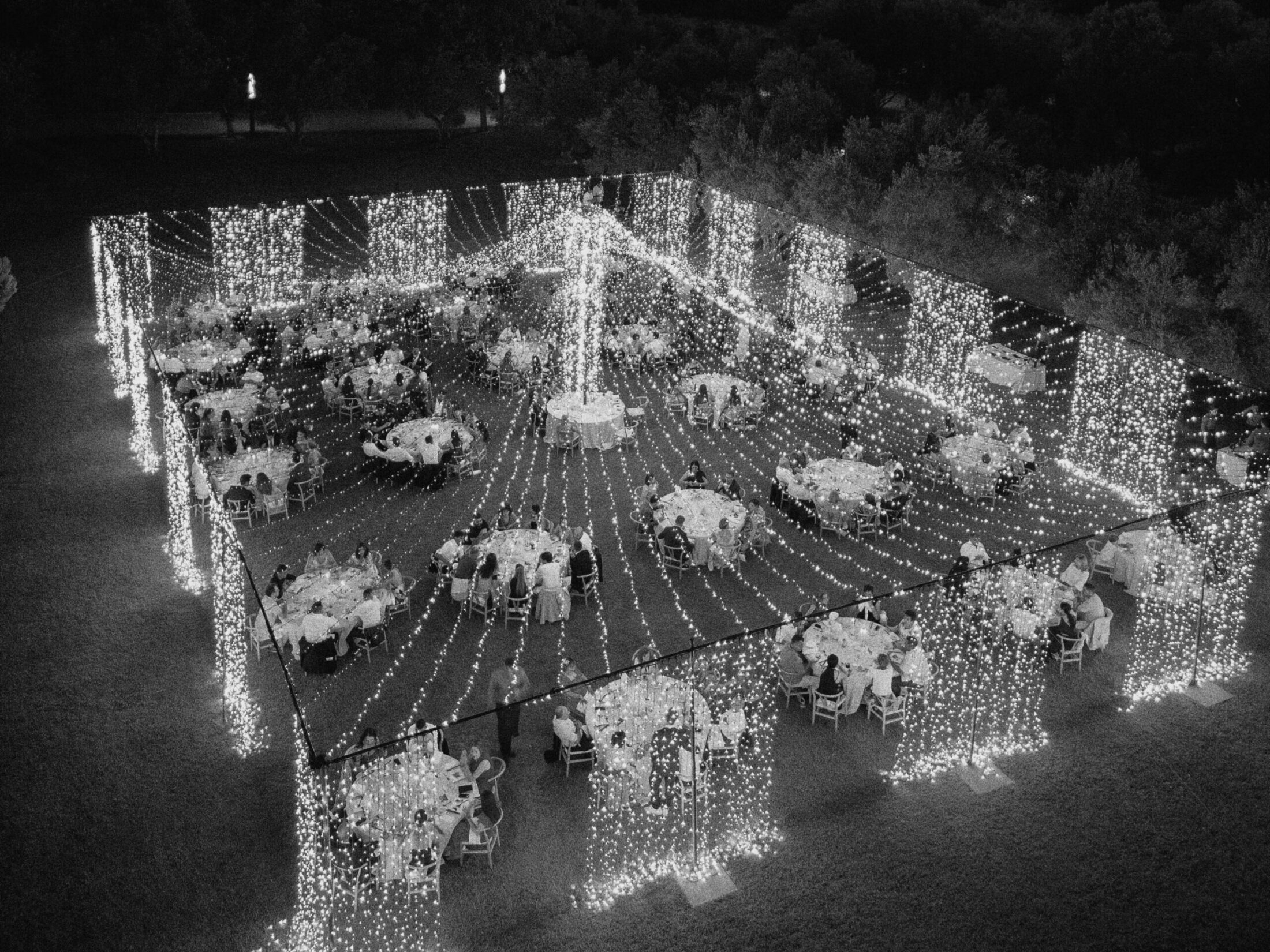
Planning a wedding for 100 guests involves balancing a complex web of venue capacities, catering overheads, and seat layouts that directly impact both your budget and timeline. Managing this medium-sized guest list requires a structured approach to venue selection, per-person financial calculations, and logistical coordination like parking, seating charts, and accommodation blocks.
Understanding the Scope of a 100-Guest Wedding
A 100-guest wedding sits at a strategic threshold in event planning. It is large enough to create a vibrant, celebratory atmosphere, yet small enough to remain manageable without requiring the massive infrastructure of a 300-person ballroom gala. When evaluating your guest list, a 100-person count serves as a baseline for nearly every major vendor contract. Caterers, rental companies, and venues scale their pricing directly around this number.
Approaching this scale requires a firm grasp of attendance rates. Statistically, destination weddings or events with high travel requirements often see an RSVP acceptance rate of 60% to 70%, whereas local weddings frequently approach 80% to 85%. If your venue has a strict capacity limit of 100 people, you must manage your "A-list" and "B-list" invitations carefully to avoid exceeding fire codes or seating maximums. Over-inviting on the assumption that everyone will decline can lead to severe budgetary and spatial strain if a higher-than-expected percentage accepts.
Financial Breakdown: Estimating Costs for 100 Guests
Budgeting for 100 wedding guests is largely driven by per-person (per-head) expenses. While fixed costs—such as photography, videography, attire, and officiant fees—remain relatively stable regardless of guest count, variable costs scale linearly with every individual added to the roster.
Variable Per-Person Expenses
The most significant portion of a wedding budget goes toward food and beverage. For a standard sit-down plated dinner or a high-end buffet, per-plate catering costs generally range from $70 to $150+ per person, excluding service fees and gratuities. For 100 guests, catering alone often accounts for $7,000 to $15,000.
Beverage packages add another layer of calculation. Open bars typically cost between $25 and $60 per guest for a standard four-to-five-hour reception. Beyond food and drink, rental companies charge per item. You will need to account for:
- 100 chairs (plus ceremony seating if locations differ)
- 10 to 12 tables (assuming 8 to 10 guests per table)
- Complete place settings (china, flatware, glassware) for 100+ seats, including safety buffers for breakage
- Linens, napkins, and centerpieces scaled to the number of tables
Fixed Versus Variable Cost Estimates
| Expense Category | Cost Type | Estimated Price Range (100 Guests) | Description |
|---|---|---|---|
| Catering (Food) | Variable | $7,000 – $15,000+ | Plated dinners, buffets, or family-style meals |
| Bar & Beverage | Variable | $2,500 – $6,000 | Hosted beer, wine, spirits, or consumption bars |
| Rentals & Tableware | Variable | $1,500 – $4,000 | Tables, chairs, linens, glassware, and plateware |
| Venue Rental | Fixed | $3,000 – $12,000+ | Flat fee for space usage, often varying by peak season |
| Photography & Video | Fixed | $3,500 – $8,000 | Professional documentation services |
| Entertainment (DJ/Band) | Fixed | $1,200 – $5,000 | Live bands command higher fees than DJs |
| Floral & Decor | Mixed | $2,000 – $7,000 | Centerpieces scale with table count (10-12 tables) |
Venue Logistics and Capacity Constraints
Selecting a venue that comfortably houses 100 guests requires examining more than just the square footage listed on a marketing brochure. You must evaluate the flow of movement throughout the evening. A room that can legally hold 150 people standing for a cocktail hour may feel cramped once you introduce 10 round tables, a dance floor, a DJ booth, a gift table, and a buffet or bar station.
Space Requirements and Floor Plans
For a comfortable sit-down dinner with 10 tables of 10 guests, you need to ensure the primary reception hall provides adequate clearance between tables—ideally at least 60 inches of aisle space for servers and guests to navigate. Furthermore, verify the venue's rules on setup and teardown windows. Venues that host multiple events per weekend may give you a narrow window to bring in external rental furniture, which complicates logistics for your coordinator or family members handling setup.
Accessibility, Parking, and Facilities
Logistical success depends heavily on the physical infrastructure of the venue. For a 100-guest event, consider the following checklist:
- Parking Capacity: Does the venue offer dedicated parking, or will guests need valet service or street parking? A good rule of thumb is estimating roughly 40 to 50 cars for 100 guests, assuming carpooling and couples attending together.
- Restroom Ratios: A single restroom will cause long lines during a 100-person reception. Ensure the venue provides at least two multi-stall restrooms or requires you to rent luxury mobile restroom trailers if hosting on private property.
- Weather Contingencies: If planning an outdoor ceremony or cocktail hour, confirm the indoor backup space can transition quickly to hold all 100 guests seamlessly if it rains.
Accommodation and Transportation Planning
When hosting 100 guests, a significant percentage—often 30% to 50% for destination or suburban venues—will be traveling from out of town. Managing their lodging and transit needs prevents day-of delays and guest frustration.
Hotel Room Blocks
Securing a room block involves negotiating a set number of rooms at a nearby hotel at a guaranteed rate. For a 100-guest wedding, starting with a block of 15 to 20 rooms is standard practice. Most hotels utilize a "courtesy block," meaning you are not financially liable for unbooked rooms, provided they are released back to the hotel inventory 30 to 4 days prior to the wedding date. Choose hotels at different price points if your guest demographic varies widely between young professionals and older family members.
Guest Transportation Logistics
If your ceremony site, reception venue, and host hotel are in different locations, organizing group transportation ensures guests arrive on time and reduces designated driver concerns. Renting one or two 50-passenger shuttle buses allows you to transport the bulk of your guest list efficiently. Establish clear pickup schedules and communicate them via your wedding website and welcome bags.
Catering, Bar, and Dietary Operations
Feeding 100 people efficiently requires precise timing and communication between your caterer and venue coordinator. Plated dinners require guests to select their entrees in advance during the RSVP process, with meal choices clearly indicated on escort cards or place settings so waitstaff do not have to query guests at the table.
Buffets move faster through the serving line if guests are dismissed table-by-table by the DJ or coordinator, but they generally require more total food preparation because guests tend to take larger portions. For dietary restrictions—such as vegan, gluten-free, or severe allergies—plan to accommodate roughly 5% to 10% of your 100-guest count (5 to 10 people) with specialized meals prepared separately by the kitchen staff.
Frequently Asked Questions
How many tables do I need for 100 wedding guests?
You generally need 10 to 13 tables. If using standard 60-inch round tables that seat 8 to 10 people comfortably, aim for 10 to 12 tables. If you opt for smaller tables seating 6 guests, you will need approximately 17 tables, which requires significantly more floor space and floral decor.
What is the average cost of a 100-guest wedding?
Total costs vary widely by geographic region and style, but national averages typically range from $20,000 to $35,000 for a traditional mid-tier wedding. In high-cost-of-living metropolitan areas, a 100-guest wedding frequently exceeds $50,000 due to elevated vendor rates and venue fees.
How much alcohol should I buy for a 100-person bar?
As a general catering standard, expect guests to consume roughly one drink per person during the first hour and roughly one drink every subsequent hour. For a 100-guest, 4-hour reception, plan for approximately 350 to 400 total drinks. This breaks down roughly to 150 servings of wine, 150 beers, and 100 liquor servings.
How do I handle plus-ones on a 100-person guest list?
Establish a firm rule early in the planning phase to keep your count at 100. Standard etiquette dictates offering plus-ones to married, engaged, or long-term cohabitating couples. Extending a plus-one to every single guest can quickly inflate your list by 20 to 30 people, straining venue capacity and catering budgets.
What is the best way to track RSVPs for 100 guests?
Utilizing an online wedding website with digital RSVP tracking streamlines the process, eliminating postal delays and lost mail. However, traditional paper RSVP cards with pre-stamped return envelopes remain popular, particularly for older family members. Set your RSVP deadline 4 to 5 weeks before the wedding to give your caterer and venue final headcount numbers on time.
Final Recommendations for Seamless Execution
To execute a 100-guest wedding successfully, lock in your venue and primary caterer at least 9 to 12 months in advance, as these two vendors dictate your hard capacity limits and major expenses. Finalize your physical floor plan 6 weeks prior to the event, ensuring that table layouts leave ample clearance for service staff and emergency exits. By maintaining strict control over your headcount and anticipating logistical bottlenecks in transportation and catering, you can host a polished, stress-free celebration for your friends and family.