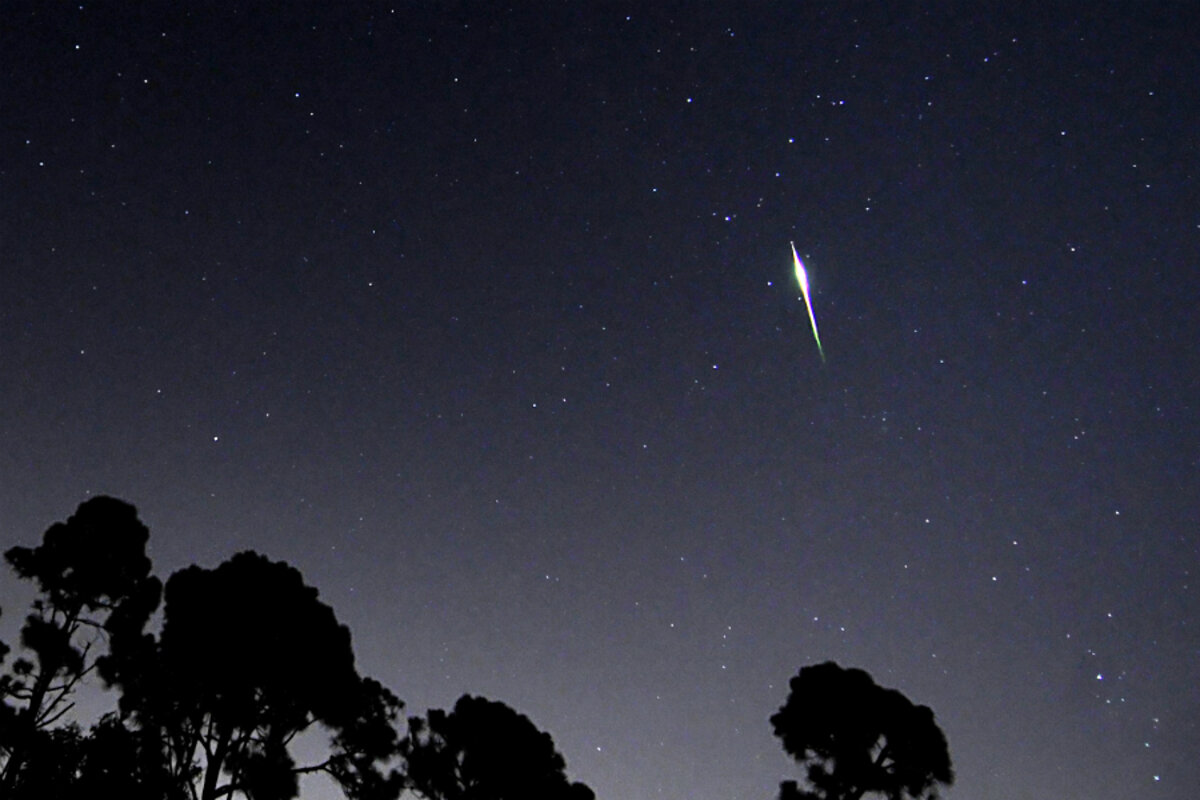
Catching a meteor shower like a 10:10 show—referring to evening viewing windows when a radiant climbs high enough in the dark sky—requires understanding peak activity times, dark sky locations, and optimal viewing techniques. While most major meteor showers peak after midnight, early evening observations can catch brilliant earthgrazers traveling long paths across the atmosphere.
Understanding Meteor Showers and Evening Viewing Windows
When stargazers look for an evening meteor shower viewing window, they are often navigating the mechanics of Earth's orbit and rotation. A meteor shower occurs when Earth passes through the debris stream left behind by a comet or, in rare cases, an asteroid. As these tiny particles—often no larger than a grain of sand—collide with Earth's upper atmosphere at high velocities, they vaporize, ionizing the air around them and creating the brief streaks of light known as shooting stars.
The timing of a meteor shower is governed by the position of the radiant, which is the point in the sky from which the meteors appear to originate. Named after the constellation where this point is located (such as the Perseids in Perseus or the Geminids in Gemini), the radiant must clear the horizon before observers can spot its meteors. In many cases, the radiant rises earlier in the evening, but meteor rates generally increase after midnight because that side of Earth is rotating directly into the path of the incoming debris stream.
However, viewing a shower earlier in the night—such as around 10:00 PM—still offers distinct advantages. This is particularly true for spotting "earthgrazers," which are meteors that enter Earth's atmosphere at a very shallow angle. Earthgrazers are famous for being long, slow, and brightly colored, often skimming horizontally across a large portion of the night sky. While you will see fewer total meteors at 10:10 PM compared to 3:00 AM, early-evening observations are much more accessible for casual observers, families, and astrophotographers seeking striking compositions before midnight.
Factors Influencing Visibility and Peak Times
Maximizing your chances of seeing shooting stars during an evening observation window involves evaluating several celestial and environmental factors. Ignoring these variables can easily turn a promising stargazing trip into a frustrating exercise in looking at an empty sky.
Moon Phases and Light Pollution
The Moon is the single greatest natural enemy of meteor watching. A bright waxing gibbous or full moon washes out fainter meteors, reducing the visible count by up to eighty percent or more. If you are planning an observation session, check the lunar calendar. The ideal time is during a new moon or when the moon sets early in the evening, leaving a dark window before midnight.
Anthropogenic light pollution is equally critical. Cities and suburban developments emit artificial light that scatters in the atmosphere, severely limiting the number of visible stars. Traveling to a designated dark sky park or a rural location is essential for observing fainter meteors.
Weather and Atmospheric Transparency
Clear skies are non-negotiable, but cloud cover is only part of the equation. High-altitude moisture, haze, and wildfire smoke can drastically reduce atmospheric transparency. Even on a seemingly clear night, a thick layer of invisible atmospheric haze will obscure dimmer meteors, leaving only the brightest fireballs visible to the naked eye.
Essential Equipment for Meteor Watching
Unlike deep-sky astronomy, which requires expensive telescopes and tracking mounts, meteor watching is one of the most accessible branches of amateur science. You do not need optical aids; in fact, using binoculars or a telescope is actively counterproductive because it restricts your field of view.
| Equipment Type | Recommended Item | Purpose |
|---|---|---|
| Optical Gear | Naked Eye (No Telescope) | Maximizes your field of view to catch fast-moving streaks anywhere in the sky. |
| Comfort Items | Reclining Lawn Chair / Sleeping Pad | Prevents severe neck strain caused by looking straight up for extended periods. |
| Illumination | Red-Light Headlamp | Preserves your night-adjusted dark adaptation while setting up gear. |
| Apparel | Layered Clothing & Blankets | Protects against rapid nighttime temperature drops, even during summer months. |
Step-by-Step Guide to Observing an Evening Meteor Shower
Successfully spotting meteors requires patience, proper physical preparation, and an understanding of how human vision adapts to the dark. Follow this structured approach to make the most of your observation window:
- Check the Forecast and Lunar Calendar: Verify that the sky will be clear and that the Moon will either be absent or below the horizon during your viewing window.
- Travel to a Dark Location: Drive away from metropolitan light pollution centers. Allow your eyes at least 20 to 30 minutes to fully dark-adapt once you arrive; avoid looking at smartphone screens during this time.
- Set Up Comfortably: Position your reclining chair or mat so that you are looking up at a wide expanse of the sky, ideally away from the radiant itself. Meteors appear longer and more striking when viewed a bit away from the radiant point.
- Scan the Sky Broadly: Do not fixate on a single spot. Relax your gaze and let your peripheral vision help you catch sudden flashes of light across different constellations.
- Log Your Observations: If you are participating in citizen science programs—such as reporting data to the International Meteor Organization (IMO)—keep a running tally of counts, times, and any exceptionally bright fireballs observed.
Comparing Major Annual Meteor Showers
Not all meteor showers are created equal. Different streams offer varying rates, speeds, and seasonal viewing conditions. The table below outlines major showers and their general characteristics.
| Meteor Shower | Active Period | Peak Date | Average ZHR (Zenith Hourly Rate) | Particle Speed |
|---|---|---|---|---|
| Quadrantids | Late Dec – Mid Jan | Early January | ~80 - 120 | Moderate (41 km/s) |
| Perseids | Mid-Jul – Late Aug | Mid-August | ~100 | Fast (59 km/s) |
| Orionids | Early Oct – Early Nov | Late October | ~20 | Very Fast (66 km/s) |
| Geminids | Dec 4 – Dec 17 | Mid-December | ~120 - 150 | Slow (35 km/s) |
Frequently Asked Questions
Do I need a telescope to watch a meteor shower?
No. Telescopes and binoculars narrow your field of view dramatically. Because meteors can flash across any part of the sky unpredictably, using optical aids makes it far less likely that you will happen to look at the exact right spot. Your naked eyes provide the widest possible window.
Why are more meteors visible after midnight than in the early evening?
After midnight, the rotation of the Earth turns your location directly into the oncoming stream of meteoroid debris. In the evening hours, you are on the trailing side of Earth, meaning the meteors have to catch up to you from behind, resulting in lower rates but slower, longer "earthgrazer" meteors.
What is a fireball, and how is it different from a normal meteor?
A fireball is an exceptionally bright meteor that rivals or exceeds the brightness of the planet Venus. These occur when larger chunks of space debris (ranging from marble-sized to boulder-sized) enter the atmosphere and produce intense light and occasionally audible fragmentation sounds.
How long should I stay outside to see meteors?
Plan to spend at least 45 to 60 minutes observing. Meteor activity is naturally variable; you might see several in the span of two minutes followed by a quiet lull of fifteen minutes. Rushing the process often leads to missing the active surges.
Can light pollution completely ruin a meteor shower?
Severe light pollution in urban areas will wash out all but the brightest fireballs, reducing a meteor shower that yields 100 meteors per hour down to just two or three visible streaks. Traveling to a dark sky site makes a massive, undeniable difference in your viewing success.
Final Recommendations for Observers
When heading out for an evening stargazing session, prioritize comfort and patience above all else. Dress much warmer than you think is necessary, as radiative cooling at night causes temperatures to plummet even after warm days. Settle into a comfortable reclining position, leave your phone in your pocket to protect your night vision, and enjoy the ancient spectacle of cosmic debris burning harmlessly high above the atmosphere.