In 2024, Qcells solidified its position as a global leader in the solar industry by securing top honors in prestigious industry evaluations, notably the EUPD Research Top Brand PV awards. This achievement highlights the company’s sustained dominance in high-efficiency photovoltaic (PV) technology, manufacturing reliability, and its significant expansion of U.S.-based supply chains, establishing a benchmark for performance and market trust in the renewable energy sector.
Understanding the Significance of the 2024 Designation
The designation of a "solar panel crown" for Qcells in 2024 refers to the manufacturer’s consistent performance across key metrics used by industry analysts, such as EUPD Research and various independent testing laboratories. Unlike transient accolades, this recognition is based on long-term data regarding distribution, installer preference, and customer satisfaction metrics.
For homeowners and commercial entities navigating the solar market in 2026, understanding why Qcells earned this distinction requires a look at their technological approach. The company transitioned successfully from conventional multi-crystalline technology to advanced passivated emitter and rear cell (PERC) and, more recently, N-type TOPCon (Tunnel Oxide Passivated Contact) architecture. This shift has allowed their modules to maintain high efficiency ratings even under suboptimal light conditions or high-temperature environments.
The Technical Foundation: Why Qcells Modules Excel
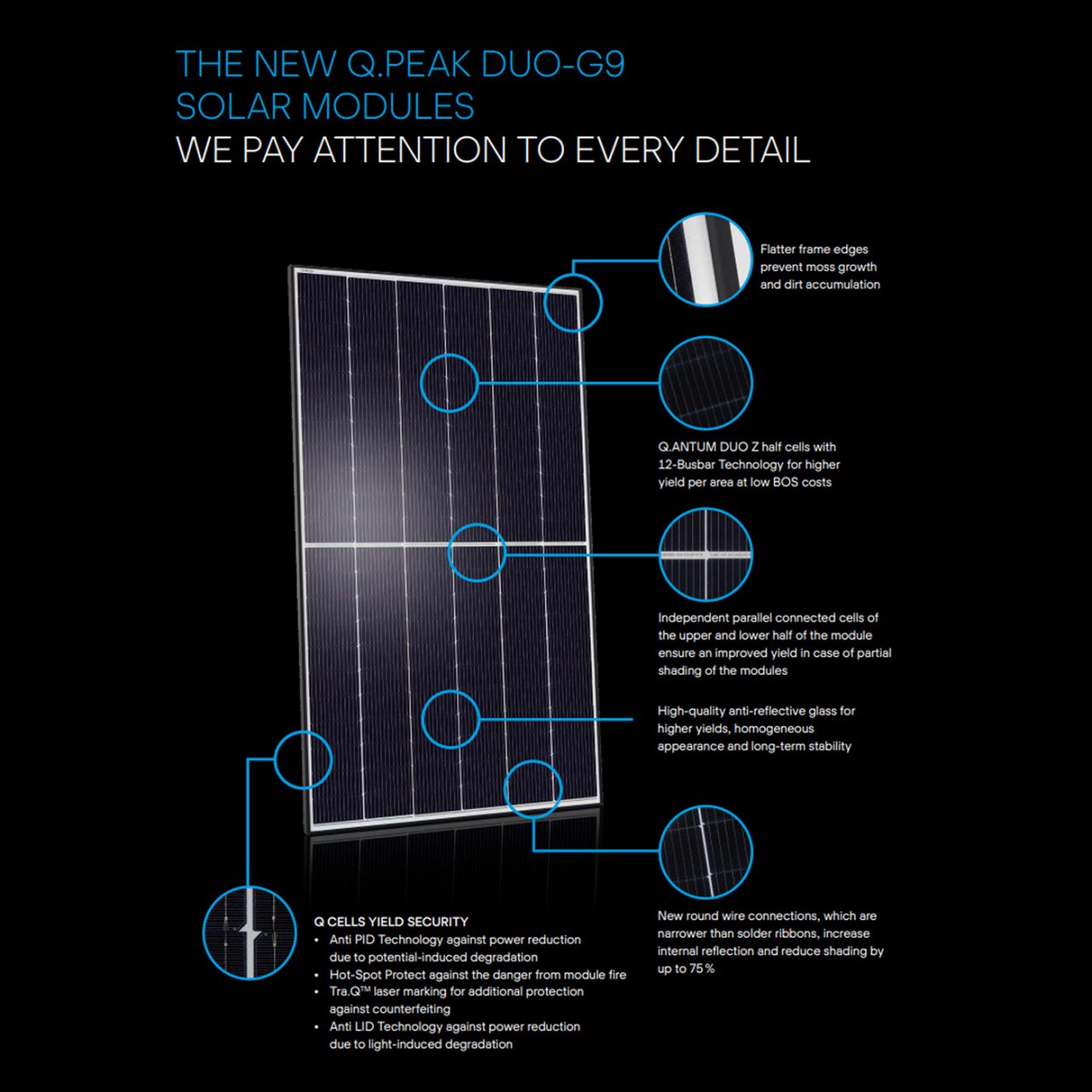
The engineering philosophy behind the Qcells Q.TRON and Q.PEAK series centers on the proprietary Q.ANTUM technology. By utilizing a specialized cell structure that minimizes energy losses caused by electrical resistance and light reflection, Qcells has managed to extract more electricity from the same physical footprint compared to many of its competitors.
Key technical specifications that contributed to their 2024 standing include:
- Low Degradation Rates: Qcells modules are designed with advanced anti-PID (Potential Induced Degradation) and anti-LID (Light Induced Degradation) technologies. This ensures that the panel loses a smaller percentage of its efficiency over its 25-to-30-year operational lifespan.
- Temperature Coefficient: Solar panels lose efficiency as they get hotter. Qcells products are engineered to maintain a superior temperature coefficient, meaning they perform more reliably during the peak of summer when household energy demand for cooling is at its highest.
- Build Quality: The company maintains rigorous quality control standards, often exceeding the requirements of the International Electrotechnical Commission (IEC). This structural integrity is critical for regions prone to heavy snowfall or high wind loads.
Domestic Manufacturing and Supply Chain Security
A major component of Qcells’ success in 2024, and its continued relevance in 2026, is its commitment to the U.S. domestic supply chain. Through significant investments in the state of Georgia, Qcells has developed a vertically integrated manufacturing ecosystem. This includes ingot, wafer, cell, and module production.
This strategy serves two primary purposes for the end-user:
- Supply Reliability: By reducing reliance on global shipping lanes and overseas volatility, Qcells ensures that installers have consistent access to stock, preventing project delays.
- Tax Credit Eligibility: For homeowners in the United States, utilizing modules manufactured in a domestic facility can simplify the verification process for certain federal incentives and state-level renewable energy programs that prioritize "Made in America" components.
Comparative Analysis: Qcells in the Current Market
When evaluating solar panel options, homeowners are often overwhelmed by the variety of brands. The following table provides a high-level comparison of Qcells against the industry standards for 2026.
| Feature | Qcells (Q.TRON Series) | Industry Average | Impact for Homeowners |
|---|---|---|---|
| Cell Type | N-type TOPCon | P-type PERC/TOPCon | Higher efficiency/longer life |
| Efficiency Rating | 22.0% – 23.0% | 20.0% – 21.5% | Lower footprint needed |
| Product Warranty | 25 Years | 10 – 25 Years | Extended peace of mind |
| Performance Warranty | 85% at Year 25 | 80% – 84% at Year 25 | Higher energy yields over time |
Note: Efficiency ratings represent the conversion rate of sunlight into usable electricity. Higher percentages indicate a superior ability to generate power in limited space.
Prerequisites for Solar Installation
Before committing to any solar brand, including an award-winning one like Qcells, it is vital to assess your property’s eligibility. The "best" panel is ineffective if the site conditions are suboptimal.
- Roof Assessment: An installer must verify the structural integrity of your roof. Solar panels add weight and act as wind sails; if your roof is nearing the end of its life, it should be replaced before installation.
- Solar Irradiance: Use tools like Google Project Sunroof or request a site survey from a certified installer to determine how many peak sunlight hours your roof receives annually.
- Local Utility Policies: Research your local utility company’s net metering policies. Net metering allows you to feed excess energy back into the grid, effectively spinning your meter backward and lowering your electricity bills.
- Permitting: Even with high-quality panels, local building codes and HOA guidelines may dictate where and how many panels can be installed.
Common Mistakes to Avoid When Choosing Solar
Even when choosing a top-rated brand, consumers often encounter pitfalls that affect their return on investment.
- Prioritizing Price Over Quality: While Qcells represents a premium tier, some consumers opt for "white label" or budget panels to save upfront costs. Over 25 years, the lower degradation rate and higher output of a Qcells panel often result in a lower "levelized cost of energy" (LCOE) compared to cheaper alternatives.
- Ignoring Inverter Compatibility: The solar panel is only one part of the system. The inverter (string inverter or microinverter) determines how effectively the DC power from the panels is converted to AC power for your home. Ensure your installer is pairing high-performance panels with high-performance inverter technology.
- Failing to Verify Installers: A high-quality panel is only as good as the installation. Always look for installers with NABCEP (North American Board of Certified Energy Practitioners) certification.
Frequently Asked Questions
Does the 2024 "crown" mean Qcells panels are the most efficient in the world? Not necessarily. While they are highly efficient, the award specifically recognizes the balance of performance, manufacturing quality, market availability, and overall reliability. Some niche "boutique" manufacturers may claim higher absolute efficiency percentages, but Qcells is recognized for providing this performance at a scale that is accessible to the average residential and commercial consumer.
Are Qcells panels compatible with all types of inverters? Yes. Qcells modules are standard in their electrical characteristics, meaning they are compatible with most major string inverters, hybrid inverters, and microinverter systems available in 2026. Always check the data sheet for your specific model to ensure voltage and current compatibility.
What happens if a Qcells module fails? Qcells offers a comprehensive product and performance warranty. In the rare event of a defect, the warranty typically covers the cost of repair or replacement. Because Qcells has a significant U.S. presence, the warranty process is generally more straightforward than dealing with manufacturers that have no domestic office or support staff.
Is it worth waiting for newer technology than the 2024-era modules? Solar technology is always evolving, but the efficiency gains made by TOPCon technology have created a "plateau" where further marginal gains take longer to reach the market. The panels available in 2026 based on 2024-proven architectures are highly mature and represent an excellent investment in terms of long-term stability.
Can I mix Qcells panels with panels from another manufacturer? Technically, yes, but it is generally discouraged. Mixing panels with different electrical profiles can lead to "mismatch losses" in a string inverter system. If you are expanding a system, it is best to consult with an electrical engineer to ensure the new panels do not negatively impact the performance of the existing array.
Next Steps for Interested Homeowners
If you are considering an investment in solar energy, start by requesting quotes from at least three different certified installers in your region. Ask specifically for their experience with Qcells Q.TRON products. Ensure that each quote includes a detailed energy production estimate—a calculation showing how many kilowatt-hours (kWh) the system is expected to generate annually based on your specific roof orientation and local weather data.
By prioritizing verified technology like Qcells and partnering with qualified installers, you can ensure that your solar investment serves your energy needs reliably throughout the coming decades.