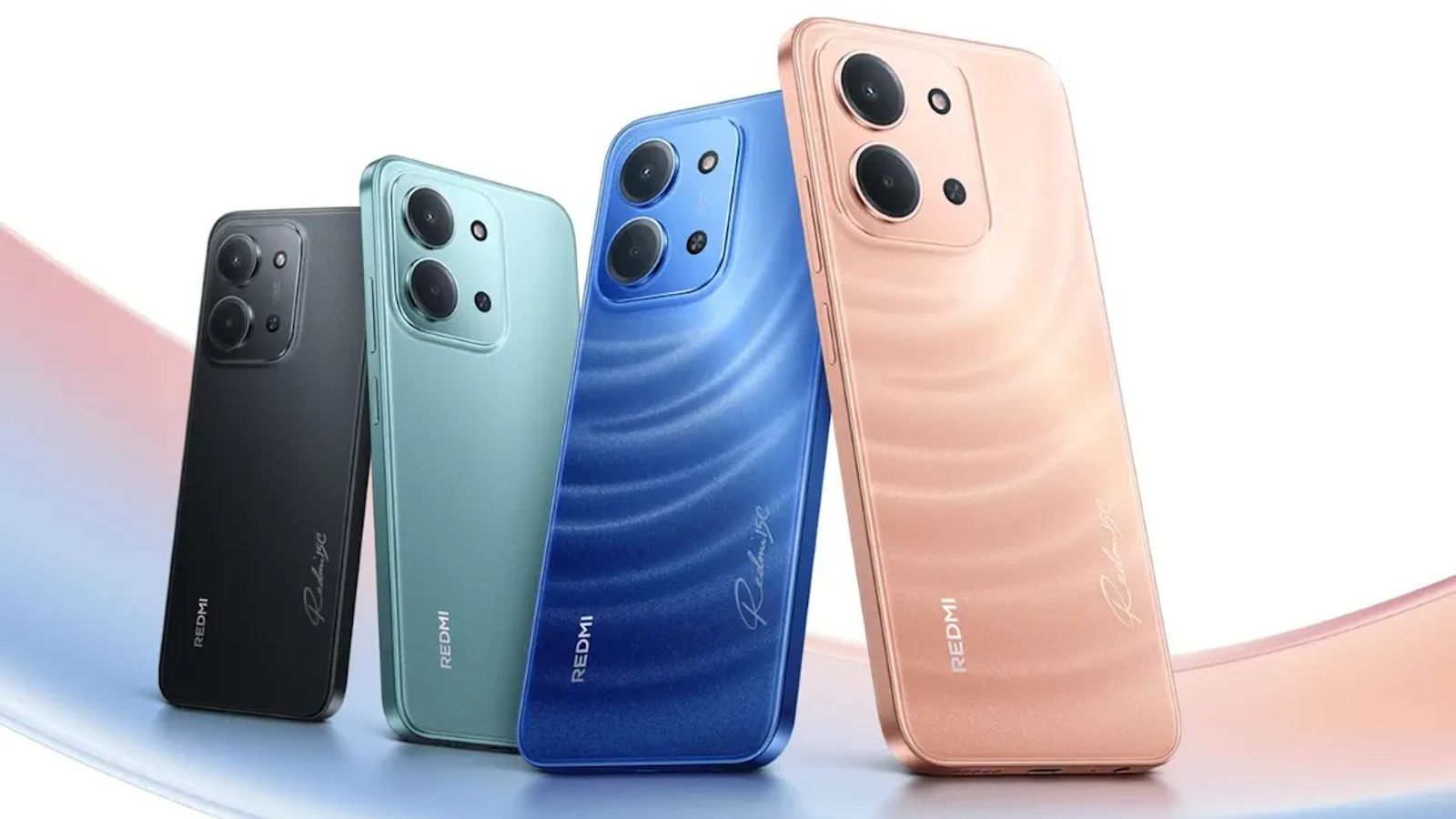
The Redmi 5G smartphone lineup encompasses a diverse ecosystem of budget-friendly and mid-range mobile devices designed to deliver high-speed cellular connectivity, competitive processing power, and modern display technologies without commanding premium flagship prices. Xiaomi’s sub-brand focuses heavily on offering advanced hardware features—such as high refresh rate AMOLED panels, multi-lens camera arrays, and rapid charging systems—to cost-conscious consumers worldwide.
Introduction to the Redmi 5G Ecosystem
The rapid expansion of fifth-generation mobile networks has fundamentally shifted consumer expectations regarding entry-level and mid-tier technology. Historically, early access to high-speed cellular connectivity required purchasing expensive flagship hardware. The Redmi 5G portfolio emerged to dismantle this barrier, positioning itself as a primary vehicle for democratizing advanced connectivity. By leveraging supply chain efficiencies and iterative manufacturing strategies, the brand has populated the market with devices capable of handling dense data loads, cloud gaming, and high-definition media streaming at a fraction of the cost associated with tier-one competitors.
Understanding this landscape requires examining more than just raw specifications. It demands an appreciation of how hardware tiers are structured, how pricing strategies influence feature sets, and how software optimization shapes the daily user experience. Whether evaluating an entry-level device designed for basic connectivity or a performance-oriented mid-ranger targeting mobile gamers, the Redmi ecosystem maintains distinct segmentation to address varying user demands across global markets.
Market Positioning and Device Tiering
To navigate the broad array of hardware options within the Redmi ecosystem, consumers and analysts typically divide the lineup into distinct functional tiers. This stratification ensures that buyers can match their specific performance requirements and financial constraints with the appropriate device class.
Entry-Level and Value 5G Series
At the foundational level, budget-oriented models aim to provide the absolute lowest price point for fifth-generation network access. These devices often rely on streamlined processors—such as select entry-level MediaTek Dimensity or Qualcomm Snapdragon chips—paired with adequate RAM configurations. While compromises are naturally made in areas like secondary camera sensors, build materials, and charging speeds, core functionalities such as reliable daily performance and multi-band 5G compatibility remain fully intact.
Mid-Range Performance and All-Rounders
The core of the Redmi portfolio resides in its versatile mid-range offerings. These handsets frequently introduce features that previously belonged exclusively to the premium tier, including high-refresh-rate AMOLED displays, glass or premium polymer backs, and substantially faster charging capabilities. Processors in this category are optimized for sustained multitasking, moderate gaming, and enhanced computational photography, making them the preferred choice for the majority of mainstream consumers.
Pro and Performance-Focused Variants
At the upper echelon of the sub-brand sit the Pro and performance-centric editions. These units prioritize raw processing headroom, advanced thermal management systems, and high-resolution main camera sensors equipped with optical image stabilization (OIS). They are engineered to compete directly with upper-mid-range offerings from other manufacturers, offering near-flagship performance profiles while retaining the brand's core emphasis on value.
Core Technical Specifications and Hardware Trends
Examining the hardware specifications across successive generations of Redmi handsets reveals distinct engineering trends aimed at maximizing user value.
Display Technology and Visual Quality
The transition from traditional liquid-crystal displays to organic light-emitting diode panels has become a defining characteristic of modern mid-range devices. High refresh rates—ranging from 90Hz to 120Hz—are now standard across most mid-tier and upper-tier releases, ensuring smooth scrolling and responsive touch sampling. Peak brightness levels have also seen steady improvements, enhancing outdoor readability and supporting high-dynamic-range content playback.
Processing Architecture and Connectivity
Performance is driven primarily by modern system-on-chip architectures designed specifically for efficient sub-6GHz and, where applicable, millimeter-wave connectivity. These processors are paired with LPDDR4X or LPDDR5 RAM and UFS storage standards, ensuring rapid application launch times and fluid system navigation. Furthermore, dual-SIM 5G standby capabilities allow users to maintain active high-speed connections on multiple lines simultaneously.
Camera Systems and Computational Photography
While early budget devices often featured basic camera arrays, contemporary models incorporate multi-lens configurations anchored by high-megapixel main sensors. Advanced image signal processors enable software-driven features such as dedicated night modes, portrait depth mapping, and computational HDR. The inclusion of optical stabilization in select higher-tier models has further narrowed the performance gap between mid-range hardware and expensive flagship alternatives.
| Series Category | Target Audience | Typical Display Type | Representative Charging Speeds | Primary Use Case |
|---|---|---|---|---|
| Value / Entry | Budget-conscious buyers, first-time 5G users | 90Hz IPS LCD or Basic AMOLED | 18W to 33W | Essential communication, social media, light web browsing |
| Mid-Range / All-Rounder | Mainstream users seeking balanced features | 120Hz AMOLED | 67W | Multitasking, media consumption, casual photography |
| Pro / Performance | Mobile gamers, power users, photography enthusiasts | 120Hz High-Peak Brightness AMOLED | 67W to 120W | Heavy gaming, high-res video capture, sustained performance |
Software Ecosystem and User Experience
Hardware performance is heavily dependent on the underlying software layer. Redmi devices operate on custom user interfaces built atop the Android operating system. This software environment introduces deep customization options, system-wide optimization tools, and dedicated gaming modes designed to prioritize network bandwidth and system resources.
Update Lifecycle and Security Patches
Software support policies have evolved significantly across the industry. Consumers evaluating these devices must consider the manufacturer's commitment to delivering regular security patches and major operating system upgrades. While flagship devices traditionally receive extended support windows, mid-range portfolios have seen progressive improvements in update longevity, enhancing the long-term viability of the hardware.
Bloatware and Monetization Strategies
A notable aspect of the user experience involves pre-installed applications and integrated promotional content within the system interface. While these monetization practices help subsidize lower hardware margins, most third-party applications and system recommendations can be uninstalled or disabled through standard device settings, allowing users to tailor a clean, streamlined environment.
Advantages and Limitations
Purchasing a handset from this portfolio involves weighing distinct benefits against inherent compromises.
Advantages
- Aggressive Pricing: Exceptional hardware specifications relative to the cost of acquisition.
- Rapid Charging Technology: Inclusion of high-wattage fast-charging solutions that significantly reduce downtime.
- Modern Display Standards: Widespread adoption of smooth, high-refresh-rate AMOLED panels across mainstream tiers.
- Robust Connectivity: Comprehensive support for modern cellular frequency bands, ensuring future-proof network compatibility.
Limitations
- Geographic Availability: Specific models, RAM configurations, and colorways vary significantly by regional market.
- Inconsistent Camera Quality in Low Light: Secondary macro and ultra-wide lenses often underperform compared to primary sensors.
- Software Clutter: Factory installations frequently require manual cleanup of promotional applications and notification prompts.
Frequently Asked Questions
Do all Redmi 5G phones support dual-SIM functionality?
Yes, the vast majority of current-generation models feature dual nano-SIM trays or hybrid slots that support dual 5G standby, allowing users to utilize two separate cellular networks concurrently depending on regional carrier support.
Are these devices compatible with global network bands?
Compatibility depends heavily on the specific market variant purchased. While global editions are engineered to support a wide array of international bands, regionally restricted versions imported from overseas may lack specific local frequency allocations, impacting connection speeds.
How does fast charging affect long-term battery health?
High-wattage charging systems generate heat, which can accelerate chemical degradation over years of heavy usage. However, integrated battery management algorithms dynamically regulate current flow and voltage to mitigate thermal stress and preserve overall cell longevity.
Can mid-range models handle demanding mobile games?
Mid-range units equipped with modern processors and adequate cooling solutions are fully capable of running graphic-intensive titles, though users may need to adjust visual settings downward to maintain stable frame rates during extended gaming sessions.
What is the typical software support window for these devices?
Support lifecycles vary by model tier, generally spanning two to three years of major operating system updates and up to four years of regular security patches for mainstream and Pro variants.
Practical Recommendations for Buyers
When selecting a device within this hardware landscape, consumers should carefully assess their primary operational requirements. Users prioritizing media consumption and battery longevity will find exceptional value in mid-range models featuring high-refresh-rate AMOLED displays and efficient processors. Conversely, those requiring maximum computational throughput and superior photographic output should focus exclusively on Pro-tier variants. Always verify the specific regional model number prior to purchase to guarantee complete carrier compatibility and warranty coverage.