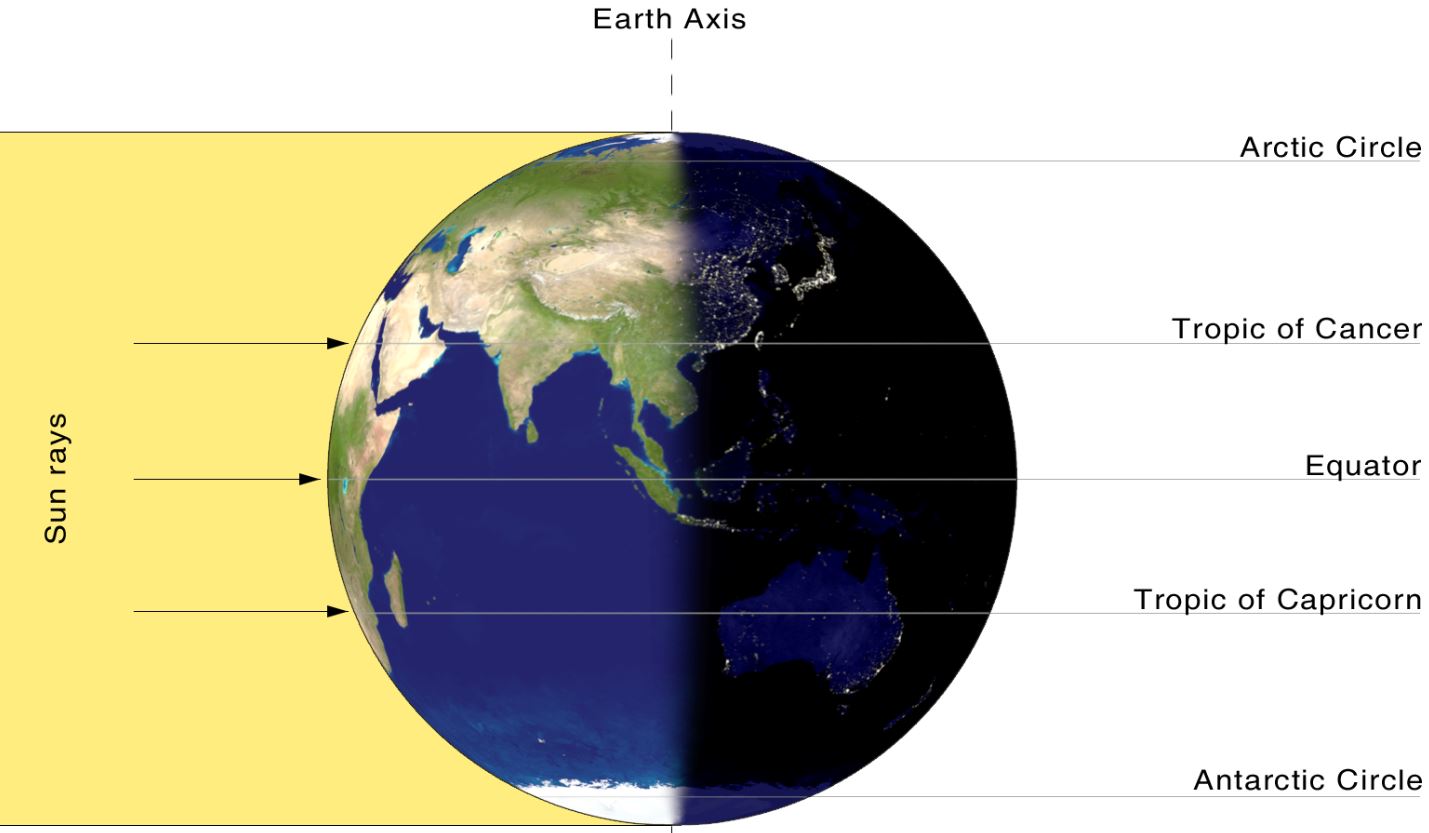
The autumnal equinox in 2018 occurred on September 23 at 01:54 Coordinated Universal Time (UTC). This astronomical event marks the precise moment when the Sun crosses the celestial equator, moving from the Northern Hemisphere into the Southern Hemisphere, resulting in a day where the duration of daylight and darkness is nearly equal across the globe.
Defining the Autumnal Equinox
To understand the 2018 fall equinox, one must first recognize that an equinox is not a day-long event, but an instantaneous astronomical occurrence. The term "equinox" is derived from the Latin words aequus (equal) and nox (night). It represents the two times each year—once in March and once in September—when the center of the Sun is positioned directly above the Earth's equator.
In 2018, the transition into autumn for the Northern Hemisphere occurred on September 23. While many people associate the equinox with a specific date on the calendar, the actual time is dictated by the Earth's orbit and its axial tilt. Because the solar year is approximately 365.24 days long, the timing of the equinox drifts slightly relative to our 365-day Gregorian calendar, which is why it can fall on September 22 or 23 depending on the year.
The Astronomical Mechanics of the Equinox
The primary driver of the equinox is the Earth’s axial tilt of approximately 23.5 degrees. As the planet travels around the Sun, this tilt means that different parts of the Earth receive varying intensities of sunlight throughout the year.
The Celestial Sphere and the Equator
The celestial equator is an imaginary circle in the sky that serves as the projection of the Earth’s equator onto the celestial sphere. Throughout the year, the Sun’s apparent position in the sky (the ecliptic) changes. During the summer solstice, the Sun reaches its highest point in the Northern Hemisphere. As the year progresses, it moves southward. The equinox is the specific point where the ecliptic intersects the celestial equator.
The Moment of Transition
At 01:54 UTC on September 23, 2018, the Sun crossed this intersection. At this moment:
- Solar Positioning: The Sun was observed to be directly above the Earth’s equator.
- Global Illumination: The Earth’s axis was tilted neither toward nor away from the Sun, but was oriented perpendicular to the rays of the Sun.
- Shadow Dynamics: Around the time of the equinox, the Sun rises almost exactly due east and sets almost exactly due west for observers at most latitudes.
Regional Variations and Local Time Conversions
Because the 2018 equinox was defined by a specific UTC timestamp, the local date varied based on the observer’s time zone. For those living in time zones behind UTC (such as the Americas), the event actually occurred on the evening of September 22.
| Region | Date (2018) | Time (Local) |
|---|---|---|
| UTC (Universal) | Sept 23 | 01:54 |
| Eastern Daylight Time (EDT) | Sept 22 | 21:54 |
| Central Daylight Time (CDT) | Sept 22 | 20:54 |
| Pacific Daylight Time (PDT) | Sept 22 | 18:54 |
| Central European Summer Time (CEST) | Sept 23 | 03:54 |
Understanding this distinction is vital for those who track astronomical phenomena for photography, scientific observation, or cultural festivals. If you are calculating the "date" of an equinox for historical records, always verify whether the event was recorded in local time or standardized UTC.
Equinox vs. Solstice: Core Differences
A common point of confusion exists between equinoxes and solstices. While both are markers of the Earth's seasonal cycle, they represent opposite extremes of solar positioning.
The Solstices
Solstices occur when the Earth’s tilt is at its maximum inclination toward or away from the Sun.
- Summer Solstice: The longest day of the year in the Northern Hemisphere; the Sun reaches its most northerly point.
- Winter Solstice: The shortest day of the year in the Northern Hemisphere; the Sun reaches its most southerly point.
The Equinoxes
Equinoxes represent the transition points between these extremes. They act as the "middle ground" where the tilt is neutralized relative to the Sun. While the equinox is often cited as the day of "equal night and day," this is a conceptual approximation rather than a precise measurement for every location on Earth. Due to atmospheric refraction, the Sun is often visible for a few minutes longer than the night, meaning the "equal" light period might occur slightly before or after the actual date of the equinox, depending on one's latitude.
Historical and Cultural Context
The autumnal equinox has been observed by civilizations for millennia. For agricultural societies, the date was critical for planning harvests and preparing for the lean months of winter.
In the modern era, the 2018 equinox—like all equinoxes—serves as a reminder of our planet's consistent orbital mechanics. Despite the complexities of human-made calendars, the Earth’s orientation relative to the Sun remains a constant, predictable physical cycle. Studying the 2018 data provides a clear case study in how international standards like UTC allow astronomers to pinpoint events precisely, regardless of an observer's location on the surface of the Earth.
Frequently Asked Questions
Did the 2018 fall equinox happen on the same day for everyone?
No. Because the event occurred at 01:54 UTC on September 23, 2018, observers in the Western Hemisphere experienced the event on the evening of September 22, while those in Europe, Asia, and Africa experienced it on September 23.
Is the day of the equinox exactly 12 hours of light and 12 hours of darkness?
Nearly, but not perfectly. "Equilux" is the term for the day when light and dark are truly balanced. Because the Sun is a disk rather than a point, and because the atmosphere bends light (refraction), the day is slightly longer than the night on the day of the equinox for most observers.
Why does the fall equinox date shift between September 22 and 23?
The Earth’s orbit is not a perfect match for our 365-day calendar. We use leap years to correct the drift, but the alignment of the Earth’s axis relative to the Sun still shifts by several hours each year. These shifts accumulate until they cross the midnight threshold, changing the calendar date.
How do I calculate the time of an equinox for my specific location?
To find the local time of an equinox, take the UTC time of the event and subtract or add your local offset. For example, if you are in a time zone that is UTC-4 (such as EDT), you subtract 4 hours from the UTC time.
Does the fall equinox always mark the beginning of autumn?
Yes, in the Northern Hemisphere, it marks the astronomical start of autumn. Conversely, in the Southern Hemisphere, this same moment marks the astronomical start of spring.
Next Steps for Astronomical Tracking
If you are interested in tracking future equinoxes, utilize resources provided by national meteorological and astronomical observatories, such as the United States Naval Observatory or the Royal Observatory Greenwich. These institutions provide precise, verified ephemeris data that accounts for the Earth's wobble (precession) and minor orbital variations. For those engaging in outdoor photography or solar observation, always double-check the local sunset and sunrise times, as atmospheric conditions can cause slight variations in when the sun appears to cross the horizon, regardless of the precise astronomical moment of the equinox.