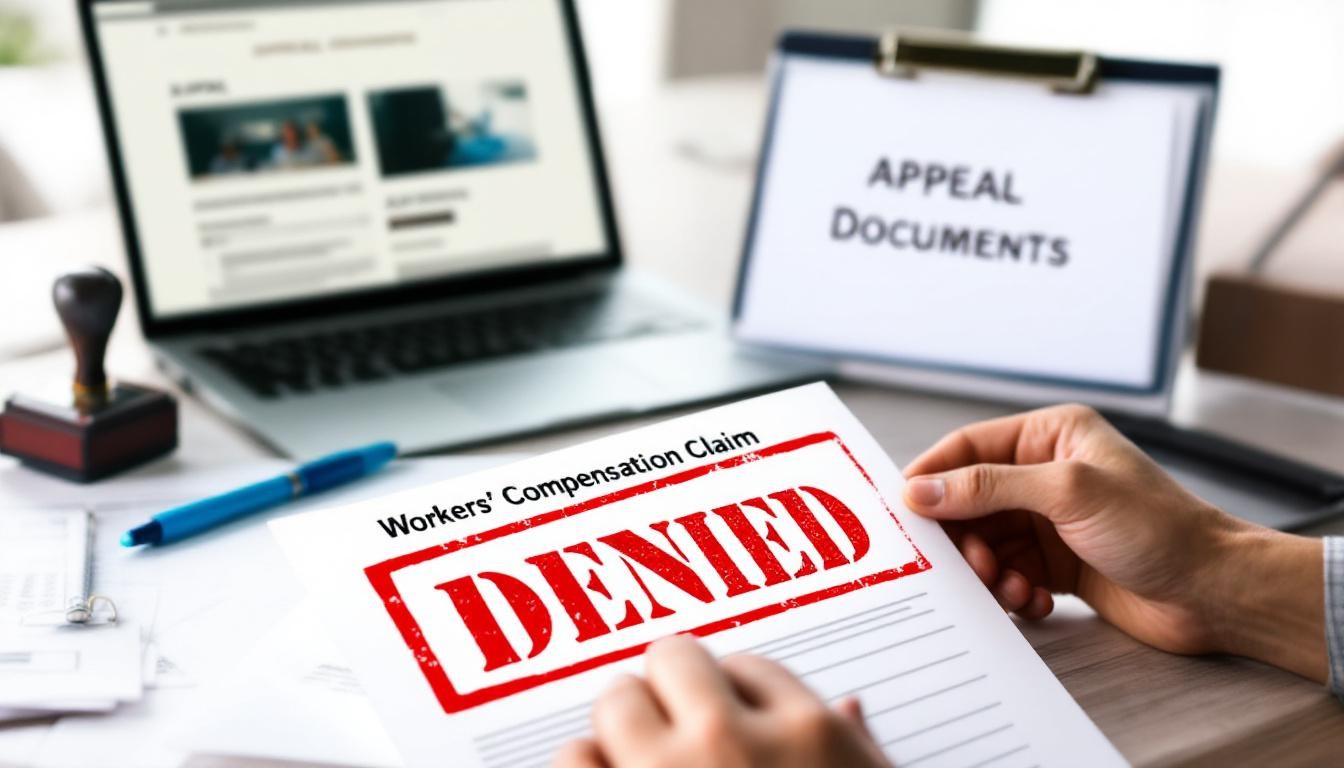
A workers’ compensation claim can be denied if a post-accident drug test yields positive results for controlled substances or alcohol, provided the employer and insurer can legally establish that the impairment directly caused or substantially contributed to the workplace injury.
Navigating the aftermath of a workplace injury is stressful enough without the added complication of a post-accident drug test. For millions of employees across the United States, getting hurt on the job sets off a standardized corporate and legal procedure that frequently includes drug and alcohol screening. When that screen comes back positive, injured workers often panic, assuming their medical bills and lost wages will automatically become their sole responsibility.
However, the legal reality is far more nuanced. While a positive drug test creates a significant obstacle and shifts the burden of proof heavily onto the employee, it does not instantly guarantee a denied claim in every jurisdiction or under every set of circumstances. Understanding how state laws, employer drug-free workplace policies, and causation requirements intersect is essential for anyone facing this challenging situation.
The Legal Framework of Post-Accident Drug Testing
Employers across most industries maintain the right to test employees for drugs and alcohol following a workplace accident. These policies are typically governed by state workers' compensation statutes, federal regulations (such as those from the Department of Transportation or OSHA), and established corporate safety handbooks.
When an injury occurs, the timing and administration of the drug test are critical. To hold legal weight in a contested workers’ compensation claim, employers and insurers must follow strict procedural guidelines:
- Timeliness: The test must usually be administered within a specific timeframe following the accident (often within a few hours) to accurately reflect impairment at the exact moment of the injury.
- Chain of Custody: The collection, handling, and laboratory analysis of the sample must adhere to certified chain-of-custody protocols to prevent contamination or switched samples.
- Approved Laboratories: Testing must be performed by SAMHSA-certified or state-approved laboratories to ensure scientific validity.
- Written Policy: The employer must have a clearly communicated, written drug-free workplace policy that employees acknowledged or signed prior to the incident.
If an employer fails to follow these protocols, the validity of the drug test can be successfully challenged during a workers’ compensation hearing or appeal.
Direct Causation vs. Mere Presence: The Core Legal Battle
The single most important factor in determining whether a positive drug test leads to a claim denial is causation. Insurance adjusters and employers often make the mistake of assuming that detecting metabolites in a worker's system automatically means the worker was impaired and caused the accident. Legally, this is rarely sufficient on its own in many progressive jurisdictions.
The Presumption of Intoxication
In numerous states, a positive drug test creates a legal "rebuttable presumption" that the employee was intoxicated at the time of the injury, and that this intoxication was the proximate cause of the accident. When this presumption applies, the burden of proof shifts entirely to the injured worker. To secure benefits, the worker must present clear and convincing evidence that they were not impaired, or that the accident would have occurred regardless of any substance being present in their system.
Proving Lack of Causation
To overcome a presumption of intoxication or a standard denial based on a drug test, an employee—typically represented by legal counsel—must demonstrate that external, objective factors caused the accident. Examples include:
- Equipment malfunction, such as a sudden structural failure of scaffolding or machinery.
- Negligence by a third party, such as a reckless driver striking a company vehicle.
- Unsafe premises or a lack of required safety gear provided by the employer.
- Environmental hazards, such as unlit stairwells or unmarked chemical spills.
If the evidence shows that a sober worker standing in the exact same position would have suffered the exact same injury due to external hazards, the positive drug test may be deemed legally irrelevant to the cause of the accident.
State-by-State Variations in Workers’ Compensation Laws
Workers’ compensation is regulated at the state level, meaning there is no single federal rule governing how positive drug tests affect claims. State laws range from extremely employer-friendly to employee-protective.
| State Policy Type | Characteristics | Typical Legal Burden |
|---|---|---|
| Strict Zero-Tolerance / Rebuttable Presumption States | Presumes the drug or alcohol caused the accident if any detectable limit is found. | Employee must prove by clear and convincing evidence that intoxication did not cause the injury. |
| Causation-Required States | Insurer must affirmatively prove that impairment was a substantial contributing factor to the accident. | Employer/Insurer must establish a direct link between the substance and the accident mechanism. |
| Medical-Only Exceptions | Allows claims for medical treatment even if benefits like lost wages are temporarily restricted or denied. | Varies; often balances emergency medical stabilization against fault rules. |
Understanding your specific state's statutory language is vital. For example, some states differentiate between legal substances (such as medical marijuana or prescribed opioids) and illicit drugs, though federal law still complicates matters for federally regulated positions.
The Complex Role of Legal Prescription Medications and Marijuana
One of the most rapidly evolving areas of workers’ compensation law involves prescription drugs and medical marijuana. A positive drug test does not necessarily mean an employee was using illegal substances.
Prescription Medications
If an employee tests positive for a controlled substance—such as an opioid pain reliever, muscle relaxant, or amphetamine prescribed by a licensed physician—the situation changes significantly.
- Disclosure: Many states require employees to disclose legal, impairing medications to their employer prior to an accident, especially in safety-sensitive positions like driving or operating heavy machinery.
- Therapeutic Levels: If the employee was taking the medication strictly as prescribed and was not operating outside of therapeutic limits, insurers may have a harder time proving willful misconduct or gross intoxication, though liability can still be contested if the medication inherently caused severe drowsiness.
Medical and Recreational Marijuana
Despite legalization or decriminalization of marijuana in many states for medical or recreational use, federal law still classifies cannabis as a Schedule I controlled substance.
- In the context of workers' compensation, many state statutes explicitly protect employers who enforce drug-free workplace policies, allowing them to deny benefits for positive cannabis tests regardless of state medical marijuana card status.
- Because THC metabolites can remain in the human body for days or weeks after actual psychoactive impairment has worn off, proving active impairment at the time of an accident involving cannabis remains a major challenge for medical experts and legal teams alike.
Consequences Beyond Claim Denial
When a workers’ compensation claim is denied due to a positive drug test, the repercussions extend far beyond the immediate loss of wage replacement and medical coverage.
- Out-of-Pocket Medical Expenses: Without workers’ compensation coverage, the injured worker is typically responsible for all medical bills, surgeries, rehabilitation, and prescription costs, which can quickly lead to financial ruin or medical bankruptcy. Private health insurance often denies coverage for injuries sustained on the job.
- Termination of Employment: Most corporate employee handbooks state that violating a drug-free workplace policy is grounds for immediate termination for cause. This strips the worker of their job security while they are actively recovering from a physical injury.
- Loss of Unemployment Benefits: Being terminated "for cause" due to a failed workplace drug test frequently disqualifies an individual from collecting state unemployment insurance benefits.
- Potential Criminal Exposure: In extreme cases of gross negligence, recklessness, or accidents resulting in the injury or death of coworkers, a positive drug test can serve as evidence in criminal investigations or civil lawsuits brought by third parties.
Steps to Take If Your Claim Is Denied After a Drug Test
Receiving a notice of denial from an insurance carrier after testing positive can feel overwhelming, but a denial is not necessarily the final word. If you believe your claim was wrongfully denied, systematic steps can help protect your rights:
- Request the Complete File: Obtain a copy of the formal claim denial letter, the complete medical records from the treating physician, and the official results of the drug test, including the chain-of-custody documentation.
- Verify Testing Procedures: Review whether the drug test was administered within the legally mandated window and whether the laboratory followed certified handling procedures. Errors in collection or labeling can invalidate the test.
- Consult a Qualified Workers’ Compensation Attorney: Because insurance companies have experienced legal defense teams specializing in denying claims involving positive drug tests, securing independent legal representation is critical. Most workers’ compensation attorneys operate on a contingency fee basis.
- File an Appeal or Hearing Request: Adhere strictly to your state's deadlines for appealing a denied claim. Your attorney can help gather expert medical testimony and eyewitness accounts to challenge the presumption of intoxication and prove that external factors caused your workplace injury.
Disclaimer: Workers' compensation laws vary significantly by jurisdiction, industry, and specific factual circumstances. This article is for informational purposes only and does not constitute formal legal or medical advice. Individuals facing claim denials should consult with a licensed attorney in their respective state.