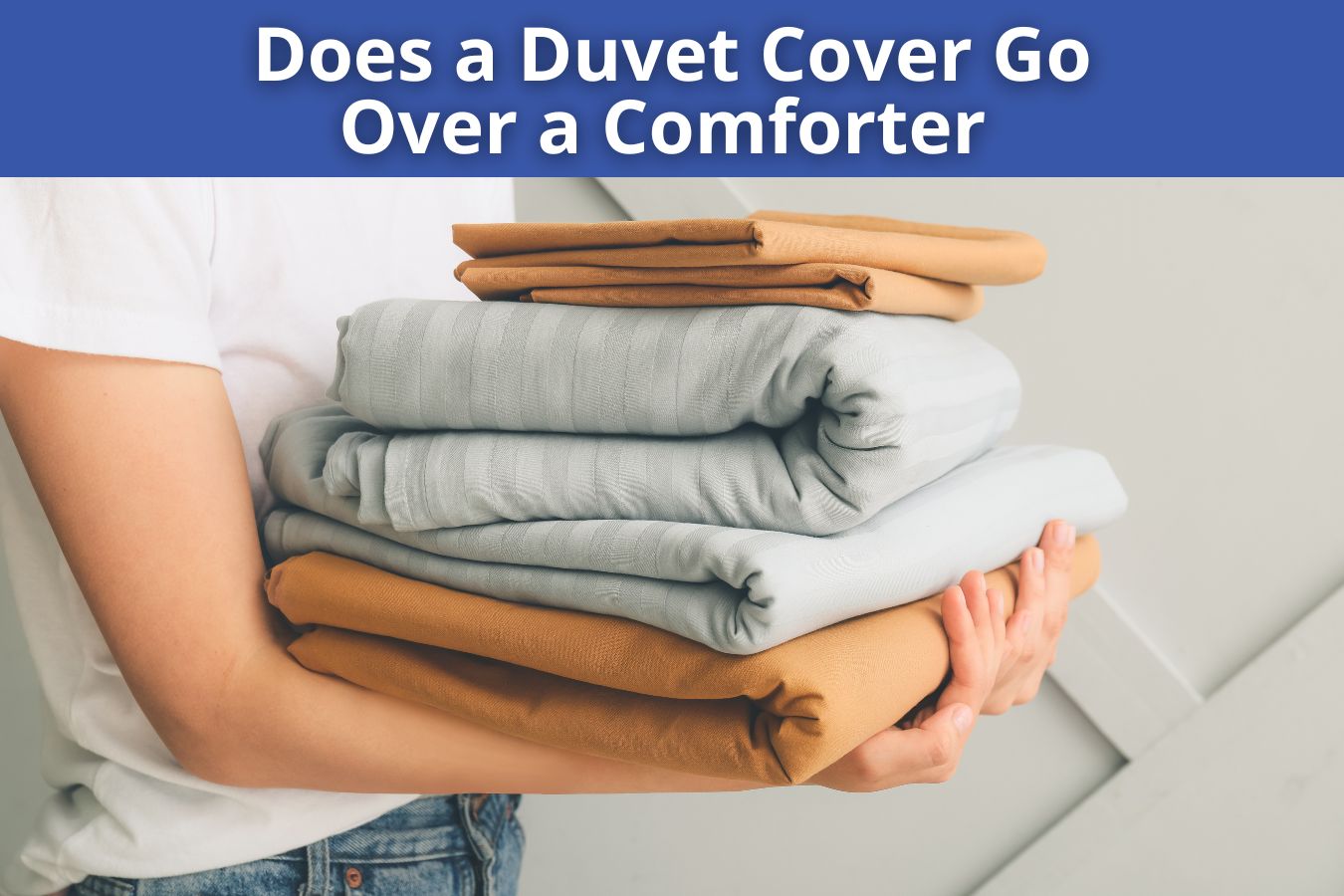
A high-quality duvet cover serves as both a protective layer for your insert and a primary comfort element. In 2026, informed buyers prioritize long-staple natural fibers like GOTS-certified organic cotton or European flax linen, focusing on weave structure—such as crisp percale or silky sateen—rather than high thread counts alone to ensure durability.
Understanding the Scope of Modern Duvet Cover Engineering
The duvet cover is often the most undervalued component of a bedding system, yet it occupies the largest surface area in contact with the sleeper’s skin. As we move through 2026, the market has shifted away from the "thread count myth" that dominated the early 2000s, moving instead toward a focus on fiber origin, staple length, and finishing techniques. For the informed buyer, selecting a duvet cover is no longer about finding the most affordable set at a big-box retailer; it is an exercise in textile science and ergonomic design.
A thorough review of current market offerings reveals that the primary function of a duvet cover has expanded. While its traditional role was to protect expensive down or down-alternative inserts from oils, perspiration, and skin cells, it now functions as a critical thermal regulator. The choice of material directly impacts the "microclimate" under the covers. If a cover lacks breathability, even the most expensive Siberian goose down insert will feel stifling. Conversely, a high-quality cover can enhance the loft and performance of a mid-range insert by allowing for proper airflow and moisture wicking.
The Foundation of Quality: Fiber Selection and Staple Length
The most significant factor in the longevity and "hand-feel" (haptics) of a duvet cover is the raw fiber used in its construction. In 2026, buyers have access to a wider variety of specialized fibers than ever before, but cotton remains the gold standard for versatility. However, not all cotton is created equal.
Long-Staple and Extra-Long-Staple (ELS) Cotton
Informed buyers should look specifically for long-staple or extra-long-staple (ELS) cotton. The "staple" refers to the length of the individual cotton fiber. Standard cotton fibers are short, leading to more ends being exposed in the spun yarn. These ends eventually break or fray, resulting in "pilling"—those small, scratchy balls of fiber that ruin the texture of the bedding.
ELS cottons, such as Supima (grown in the USA) or authentic Egyptian Giza cotton, feature fibers that are significantly longer than traditional varieties. This allows the fibers to be spun into finer, stronger yarns with fewer exposed ends. The result is a duvet cover that is not only softer to the touch but also substantially more durable, capable of withstanding hundreds of wash cycles without losing its structural integrity.
European Flax Linen
Linen has seen a massive resurgence in 2026 due to its unmatched breathability and sustainability profile. Derived from the flax plant, linen is naturally moisture-wicking and possesses inherent antimicrobial properties. When reviewing linen duvet covers, look for the European Flax certification, which ensures the fiber was grown in Western Europe under carbon-neutral or low-impact conditions. Linen is measured by weight (GSM or grams per square meter) rather than thread count; a high-quality linen cover typically falls between 160 and 185 GSM, providing a balance of heft and airflow.
Tencel™ Lyocell and Regenerated Cellulose
For those seeking a silky texture with superior cooling properties, Tencel™ (a brand of lyocell) has become a top-tier contender. Produced by Lenzing AG, this fiber is derived from wood pulp in a closed-loop chemical process. It is exceptionally smooth, making it an excellent choice for buyers with sensitive skin or those who find even the finest cotton too abrasive. Its moisture absorption rate is 50% higher than cotton, making it the preferred choice for "hot sleepers."
The Impact of Weave: Percale vs. Sateen vs. Twill
Once the fiber is chosen, the way those fibers are woven determines the texture, sheen, and thermal properties of the duvet cover. This is where many buyers make mistakes, often choosing a weave that contradicts their sleep preferences.
Percale: The Crisp Standard
Percale follows a "one over, one under" weave pattern. This creates a matte finish and a crisp, cool feel often associated with high-end hotel bedding. Because the weave is tight but simple, it allows for maximum breathability. Reviewers often note that percale duvet covers feel better with age, softening over time while maintaining their structure. It is the ideal choice for summer months or for individuals who prefer a "cool-to-the-touch" sensation.
Sateen: The Lustrous Alternative
Sateen uses a "four over, one under" weave pattern, which exposes more of the yarn surface. This results in a subtle sheen and a much silkier, heavier drape. Sateen is naturally more wrinkle-resistant than percale but is also significantly warmer. In the 2026 market, sateen is frequently favored by those in cooler climates or those who enjoy the feeling of being "enveloped" by their bedding. However, buyers should be aware that the exposed yarns in a sateen weave are more prone to snagging than the tighter percale weave.
Twill and Jacquard
Twill weaves, characterized by diagonal ribbing (similar to denim but much finer), offer exceptional durability and a unique texture. Jacquard weaves involve complex patterns woven directly into the fabric rather than printed on top. While visually stunning, jacquard duvet covers can sometimes be heavier and less breathable due to the density of the decorative weave.
Technical Specifications Comparison Table
To assist in the decision-making process, the following table compares the most common high-end duvet cover materials available in 2026.
| Material | Measurement Metric | Ideal Sleep Climate | Durability Rating | Best For |
|---|---|---|---|---|
| Long-Staple Percale | 200–400 Thread Count | Hot / Humid | High | Hot sleepers who want a crisp feel. |
| Long-Staple Sateen | 300–600 Thread Count | Cool / Temperate | Moderate | Those seeking a silky, heavy drape. |
| European Flax Linen | 160–185 GSM | All Seasons | Very High | Sustainability and textured aesthetics. |
| Tencel™ Lyocell | 300–500 Thread Count | Hot / Night Sweats | Moderate | Sensitive skin and maximum cooling. |
| Mulberry Silk | 19–25 Momme | Temperate | Low/Delicate | Luxury, hair, and skin health. |
Construction Details: The Markers of Premium Quality
Beyond the fabric itself, the construction of a duvet cover determines its daily usability. A thorough review must examine the "unseen" elements that prevent the common frustrations of duvet ownership, such as the insert shifting or the closure failing.
Internal Ties and Anchoring Systems
In 2026, the standard for a premium duvet cover is the inclusion of eight internal ties—one in each corner and one in the center of each side. Older or cheaper designs only feature four corner ties, which often allows the duvet insert to sag or bunch in the middle, especially with King or California King sizes. Verification of double-stitched reinforced ties is essential, as these points undergo significant tension when you move during sleep.
Closure Mechanisms: Buttons vs. Zippers
- Hidden Button Closures: Generally considered the more "classic" and durable option. Large, clear buttons made of resin or mother-of-pearl are preferred. They should be "hidden" behind a fabric placket to prevent them from coming into contact with your skin or feet.
- Zippers: Offer convenience and a cleaner look. However, the quality of the hardware is paramount. Look for YKK brand zippers or nylon coils that are specifically designed for bedding. A cheap zipper is the most common point of failure in a duvet cover; once the slider breaks, the entire cover is often rendered useless.
Seams and Finishing
High-end reviews look for felled seams or double-needle stitching. This ensures that the interior edges of the fabric are tucked away and won't fray in the wash. Additionally, "piped" edges or "Oxford" borders (a decorative flange of fabric) can add structural integrity to the perimeter of the cover, helping it maintain a rectangular shape on the bed.
Health and Sustainability Certifications
For the informed buyer in 2026, the chemical safety of bedding is a non-negotiable factor. Because duvet covers are in close proximity to the respiratory system for 7–9 hours a day, certifications provide essential peace of mind.
- OEKO-TEX® Standard 100: This is the most common and vital certification. It ensures that every component of the product, from the thread to the buttons, has been tested for harmful substances and is safe for human use. You can verify the validity of a label at the OEKO-TEX website.
- GOTS (Global Organic Textile Standard): This is the gold standard for organic fibers. It tracks the entire supply chain, ensuring not only that the cotton is grown without synthetic pesticides but also that the manufacturing process meets strict social and environmental criteria.
- Fair Trade Certified: This ensures that the workers involved in the production were paid fair wages and worked in safe conditions, which has become a primary driver for consumer choice in the mid-2020s.
Maintenance and Longevity: Maximizing Your Investment
A thorough review is incomplete without addressing how to care for these textiles. Even a $500 silk or ELS cotton duvet cover can be ruined in a single poorly managed laundry cycle.
- Temperature Control: Most high-quality natural fibers should be washed in cool to lukewarm water. High heat breaks down the molecular bonds in cotton and linen fibers, leading to premature thinning and loss of softness.
- Detergent Choice: Avoid detergents with "optical brighteners" or heavy enzymes if you are using silk or linen. These chemicals are designed to strip stains but can also strip the natural proteins and oils that give these fibers their strength.
- Drying Logic: The "low heat" or "tumble dry" setting is essential. Over-drying is the leading cause of "crunchy" bedding. For linen, many experts recommend removing the cover while it is still slightly damp and allowing it to air dry the rest of the way to minimize deep-set wrinkles.
Common Pitfalls to Avoid
When navigating the market, be wary of "Microfiber" or "Polyester Blend" covers marketed as "Ultra-Soft Luxury." While they are soft initially and very cheap, they are essentially plastics. They lack breathability, trap heat, and contribute to microplastic pollution during wash cycles.
Furthermore, be cautious of extremely high thread counts (e.g., 1000+). To achieve these numbers, manufacturers often use "multi-ply" yarns—twisting several thin, low-quality threads together and counting them as one. This results in a heavy, non-breathable fabric that lacks the strength of a 300-count single-ply ELS cotton cover.
FAQ
What is the best thread count for a duvet cover?
For cotton percale, a thread count between 200 and 400 is ideal for breathability. For cotton sateen, 300 to 600 is the sweet spot. Anything significantly higher often indicates the use of multi-ply yarns, which can decrease the fabric's lifespan and increase heat retention.
How often should I wash my duvet cover?
Because the duvet cover is the primary barrier between you and your bedding, it should be washed once every one to two weeks. If you do not use a "top sheet" (flat sheet), you should wash the duvet cover weekly, as it is functioning as your primary sheet.
Do linen duvet covers really get softer with time?
Yes. Linen contains a natural pectin that binds the fibers. Through regular use and laundering, these pectins break down, making the fabric significantly more supple and soft. Many buyers find that a linen cover reaches its "peak" comfort after about six months of regular use.
Can I use a King duvet cover on a Queen insert?
It is not recommended. Using a cover that is larger than the insert will result in empty fabric "flaps" at the edges, and the insert will likely shift and bunch uncomfortably. Always match the dimensions (in inches or cm) of your insert to the cover, as "Queen" and "King" sizes can vary slightly between manufacturers.
Is a zipper or button closure better for longevity?
Buttons are generally better for longevity because they are easy to sew back on if they fall off. If a zipper track is damaged or the teeth are bent, the entire cover usually requires a professional tailor to repair or must be replaced.
Practical Recommendation for Buyers
For the majority of sleepers in 2026, a long-staple cotton percale duvet cover with a thread count of approximately 300 offers the best balance of durability, cooling, and ease of maintenance. Ensure the product carries an OEKO-TEX Standard 100 certification and features at least four (ideally eight) internal corner ties. If you are a particularly hot sleeper or live in a humid climate, investing in European Flax Linen will provide superior moisture management and a unique, lived-in aesthetic that lasts for decades when properly maintained.