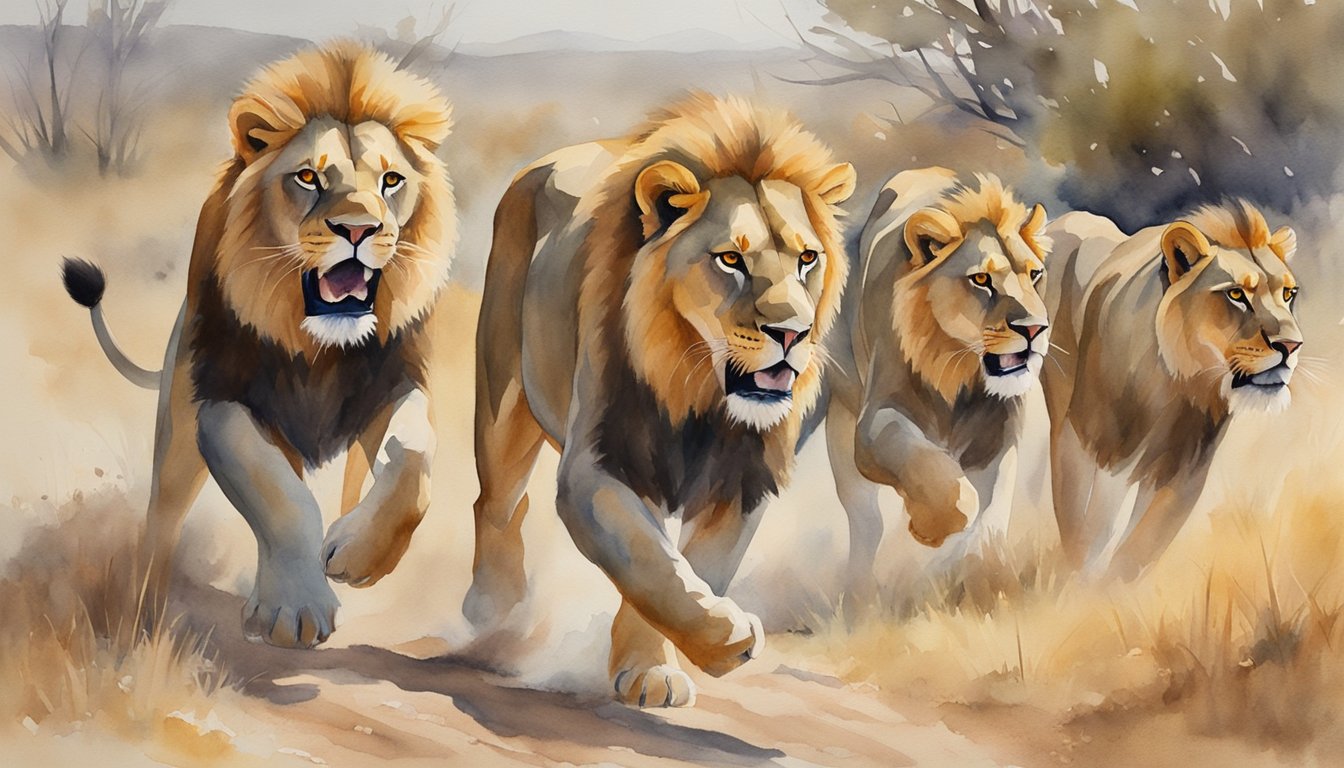
A group of lions, technically referred to as a pride, is a highly complex social unit that serves as the cornerstone of lion survival in the wild. Prides are defined by their stable core of related females, transient males who defend the territory, and their collective offspring, forming an intricate network of cooperation for hunting, territory defense, and cub rearing.
Defining the Pride Structure
The term "pride" is the standard collective noun for a group of lions. Unlike most other felids, which are solitary by nature, Panthera leo has evolved a unique social structure necessitated by the requirements of hunting large, dangerous prey and defending territory from other predators.
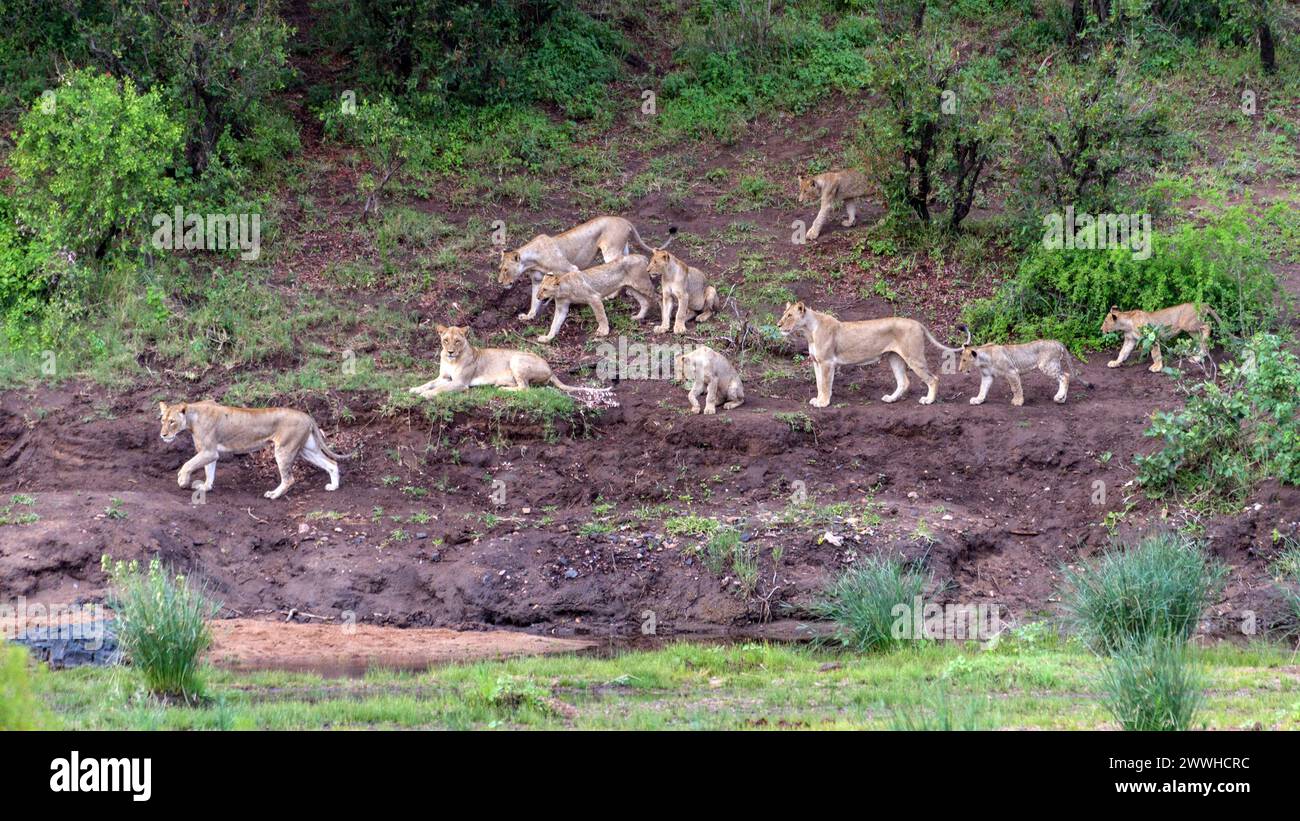
A typical pride consists of between 2 and 40 individuals, though the most common configuration includes 5 to 15 lions. The stability of a pride depends heavily on the females. While male lions may come and go, the core of the pride consists of a group of related females—sisters, mothers, and daughters—who remain together for their entire lives. This matrilineal bond is the glue that holds the pride together, ensuring that offspring have a reliable support system.
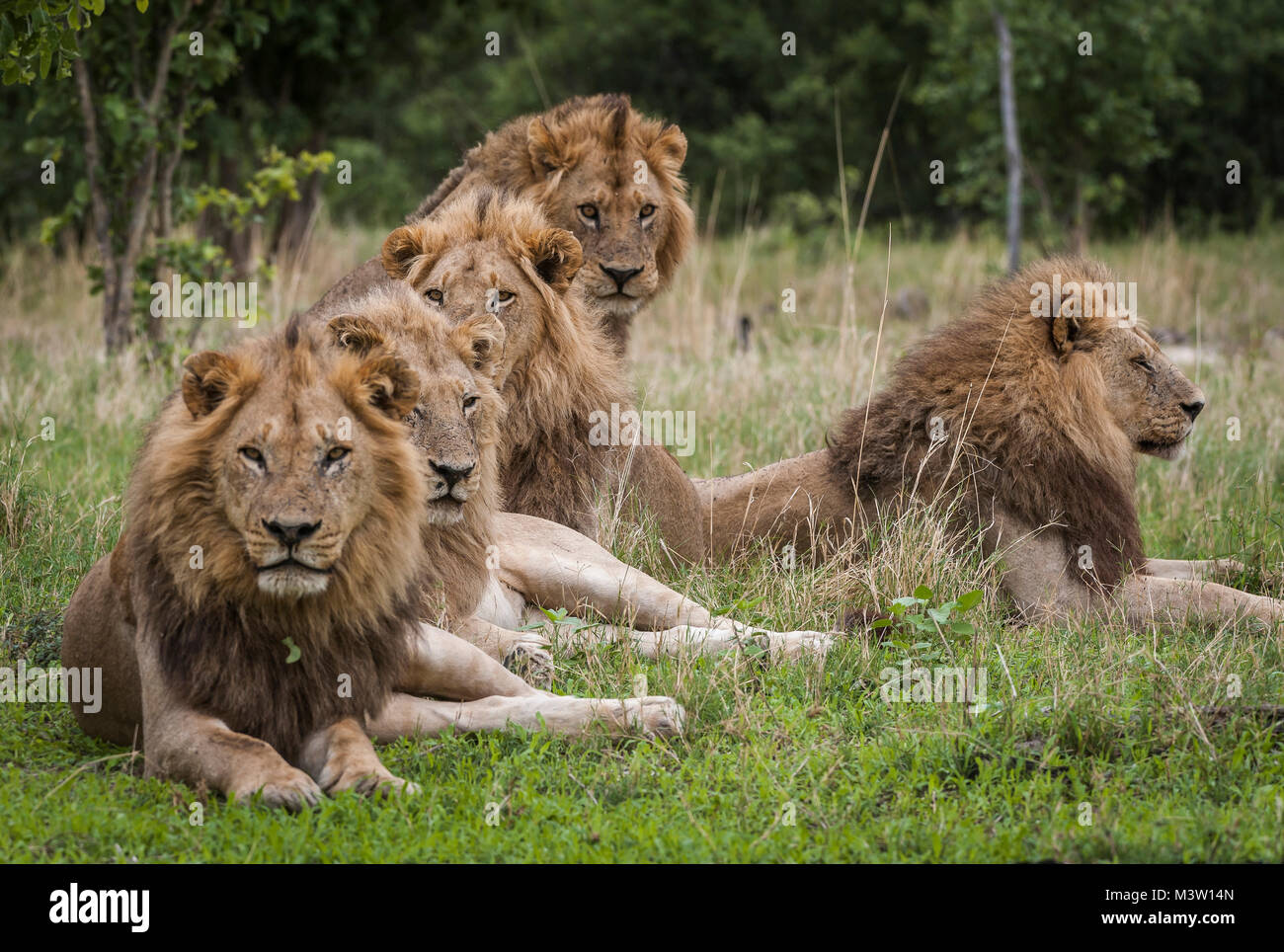
The presence of adult males, often referred to as a "coalition," is more fluid. Males usually enter a pride by displacing the resident males. They typically stay with a pride for two to three years before being challenged by younger, stronger males. During their tenure, these males act as the primary protectors, marking territory and fending off intruders, including hyenas and rival lion coalitions.
Cooperation and Collective Hunting
One of the primary benefits of living in a group is the ability to take down prey that would be impossible for a solitary predator to capture. While the popular image of a lioness hunt involves a massive collaborative effort, the reality is often more nuanced. Lions are opportunistic hunters who use a mix of individual stealth and team-based encirclement.
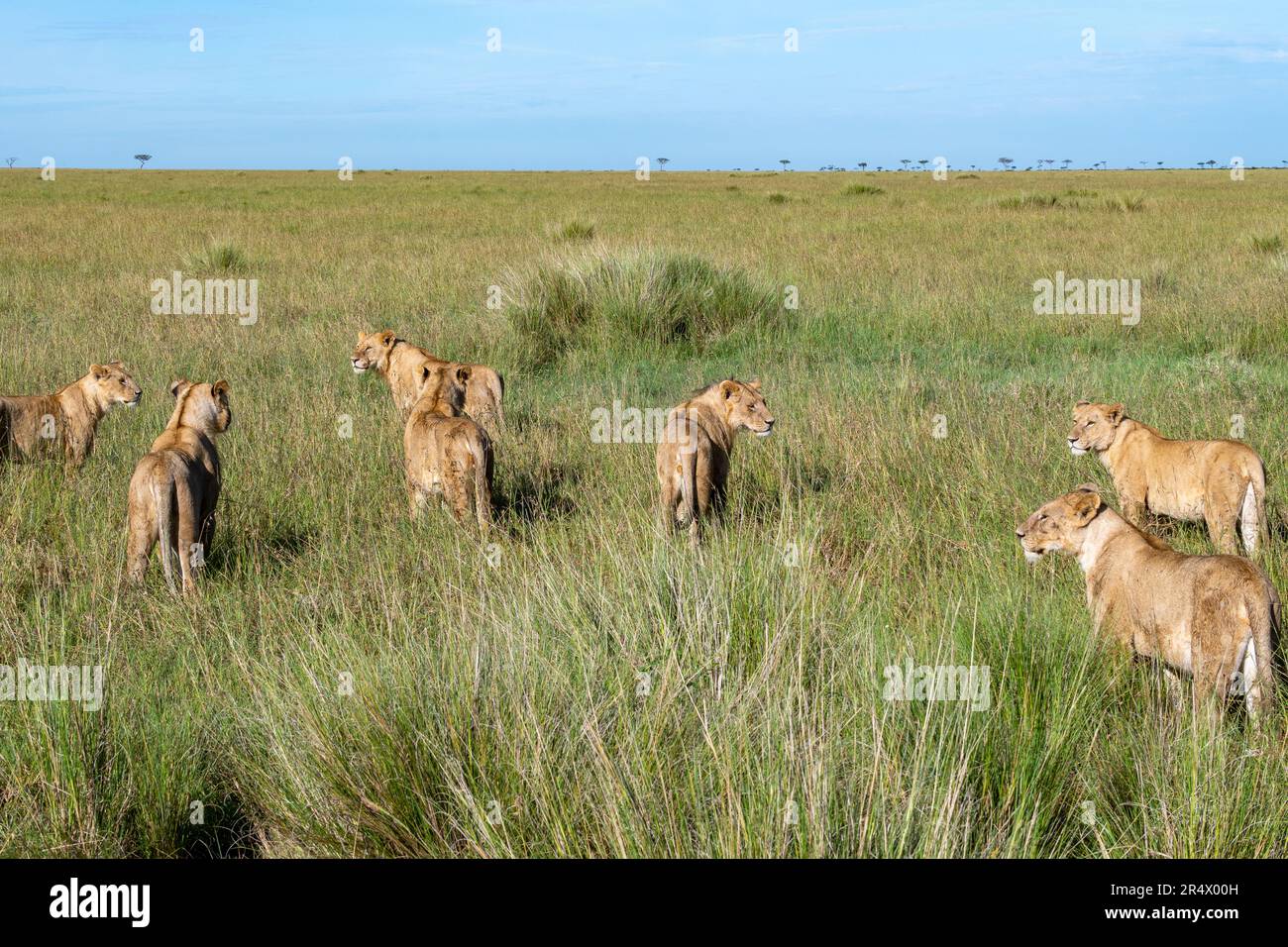
During a hunt, pride members may separate into groups. Some females act as "drivers," slowly moving toward the prey to flush it into the direction of "ambushers" who lie in wait. This level of coordination requires significant communication, typically through vocalizations such as soft grunts, purrs, and subtle body language.
The energy efficiency of group hunting is debated among researchers, but the primary advantage remains the ability to secure a massive meal—such as a zebra, buffalo, or giraffe—that can sustain the entire group for several days. This communal feeding also creates a hierarchy; adult males often have first access to the kill, followed by dominant females and finally the cubs.
The Role of Territory and Defense
A pride occupies a specific home range, the size of which is determined by the availability of prey and water. In arid environments, a pride may need a territory covering hundreds of square kilometers, whereas in prey-rich habitats, their range may be significantly smaller.
Territory defense is primarily the responsibility of the males, who patrol the perimeter and use deep, resonant roars to signal their presence to rival groups. A roar can be heard up to eight kilometers away, serving as a powerful deterrent. When a pride encounter occurs, the results can be violent, as competing males fight to protect their territory and the survival of their specific lineage.
Females also play a vital role in territory defense, often working together to drive away intruding females or small groups of hyenas. By maintaining a consistent, defended boundary, the pride ensures that their cubs have a relatively secure environment in which to develop.
Comparison of Social Traits in Large Predators
The social structure of a lion pride is distinct compared to other large carnivores. The following table compares the social dynamics of lions against other apex predators frequently observed in the same habitats.
| Predator | Social Structure | Primary Hunting Style | Territory Defense |
|---|---|---|---|
| Lion | Matrilineal Pride | Cooperative/Ambush | Shared; Male-led |
| Leopard | Solitary | Stealth/Ambush | Strictly territorial |
| Spotted Hyena | Clanship (Clan) | Cooperative/Stamina | Clan-based defense |
| Cheetah | Solitary/Small Coalitions | High-speed pursuit | Transient/Home ranges |
The Challenges of Cub Rearing and Socialization
Within a pride, females often synchronize their reproductive cycles. This leads to a communal crèche where cubs are born around the same time and are raised together. This synchronicity provides a massive survival advantage; if a mother is away hunting, other lactating females in the pride will often nurse her cubs, a practice known as allonursing.
Socialization starts early. As cubs grow, they spend much of their time engaging in rough-and-tumble play, which serves as essential training for the hunting and fighting skills they will need as adults. During this stage, the protection of the pride is paramount. Infanticide—where new, invading males kill the existing cubs of a pride to bring the females back into heat—is a significant threat. The females’ ability to work together to hide or defend their young from such invaders is a critical factor in the pride’s long-term success.
Factors Affecting Group Size
The size of a pride is not fixed; it fluctuates based on several ecological and biological factors:
- Prey Availability: Areas with higher densities of ungulates (prey animals) can support larger prides.
- Competition: In regions where lion populations are high, competition for space and resources can lead to smaller, more fragmented groups.
- Disease: Outbreaks of pathogens, such as Canine Distemper Virus (CDV), can decimate a pride, leading to a sudden and drastic reduction in size.
- Human Encroachment: Increased human activity on the fringes of protected habitats often results in retaliatory killings or habitat loss, which forces lions into smaller, less sustainable groupings.
Common Misconceptions
A frequently cited misconception is that male lions do not hunt. While males are generally less active in the daily hunt than females, they are fully capable of hunting and will do so when necessary, particularly if they are living alone or in a small coalition without a pride. The "lazy male" archetype is largely a human construct based on observations of males spending significant energy defending the territory and resting, which is a physiological requirement after the intense physical demands of fighting and territorial patrolling.
Another misunderstanding involves the concept of the "alpha" male. While there are hierarchies within a pride, the social structure is more cooperative than strictly dominance-driven. Even the most powerful male cannot maintain control of a pride or a territory for long without the cooperation of his coalition partners.
Practical Considerations for Wildlife Observation
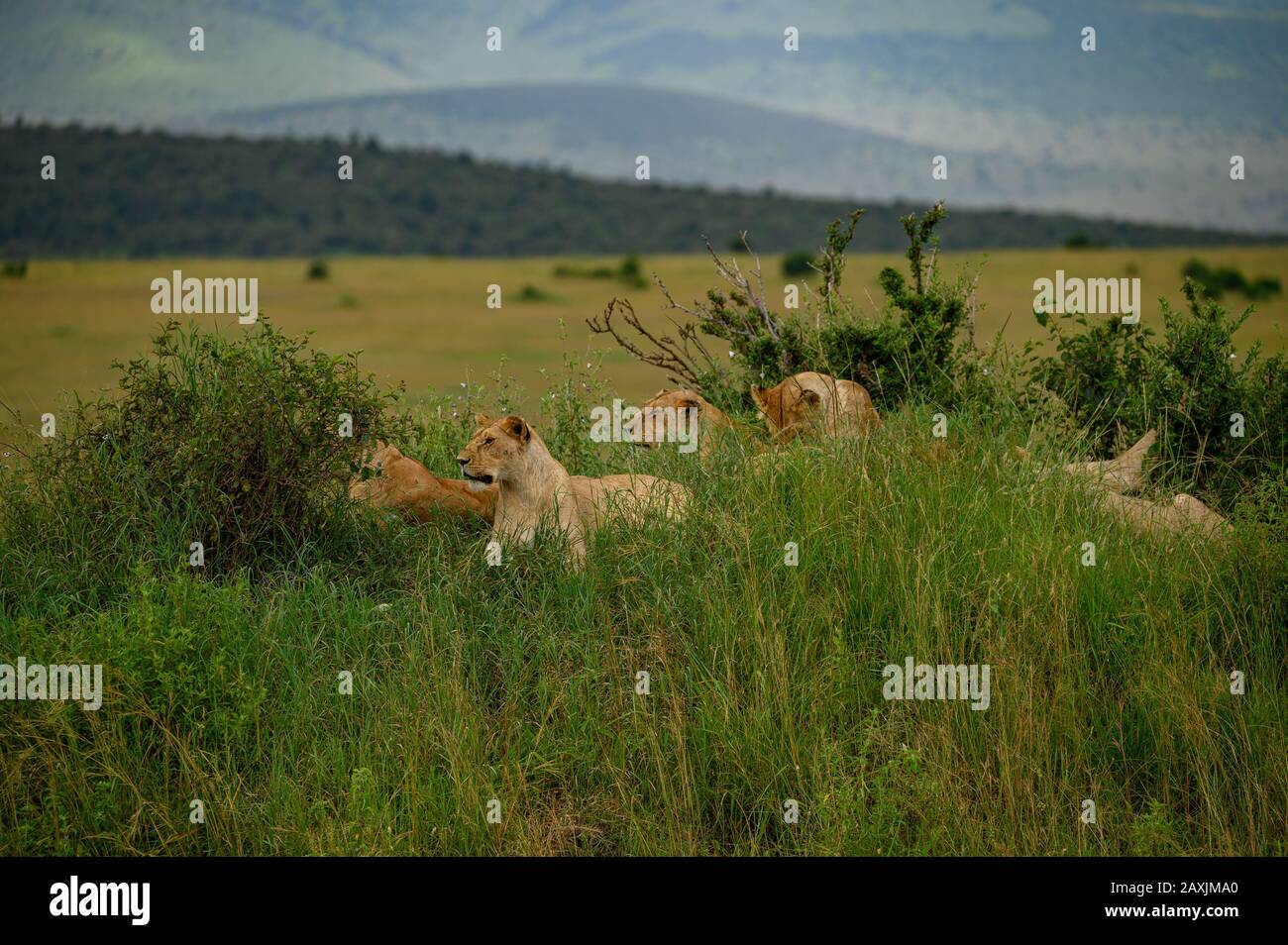
For those researching or planning to observe a group of lions in a 2026 wildlife management context, understanding the pride’s behavior is essential. Lions are most active at night and during the early morning hours. During the heat of the day, they are almost exclusively sedentary, seeking shade to conserve energy.
If you are observing a pride, respect the "zone of indifference." Lions generally ignore non-threatening vehicles, but they are highly sensitive to sudden movements or loud noises. Never attempt to approach a group on foot. When a pride is feeding, they are at their most territorial; encroaching upon a kill site is a dangerous action that can trigger an aggressive response from even the most habituated animals.
Frequently Asked Questions
How does a lion pride determine its leader? There is no single "leader" in a pride. The social structure is based on matrilineal relationships among females and coalition dynamics among males. Authority is generally held by the oldest, most experienced females and the dominant males who successfully maintain control of the territory.
Why do lions live in groups when other cats are solitary? Lions live in groups primarily to defend territory and cooperate in hunting large prey. While solitary cats like leopards rely on stealth to avoid competition, lions have evolved to dominate their environment through collective strength, which requires the presence of other lions to maintain a territory against rivals.
What happens when a male lion leaves his pride? When a male reaches maturity or is displaced by a younger, stronger coalition, he becomes a nomad. These nomadic males roam between territories, often attempting to form their own coalitions with other displaced males until they find a weakened pride that they can take over.
How do you tell if a group of lions is about to hunt? Look for changes in posture and focus. Lions about to hunt will often exhibit "stalking behavior"—lowered silhouettes, intense staring at a target, and silent, coordinated movement. If the pride is resting, they will be flat on the ground with eyes closed; if they are hunting, they are alert and moving with purpose.
What is the maximum size a pride can reach? While rare, some prides in resource-rich areas like the Kruger National Park have been recorded with over 30 or 40 members. However, these are usually temporary congregations, as the energy demands of feeding such a large group often cause the pride to split into smaller units.
Next Steps for Wildlife Enthusiasts
If you are interested in the ongoing conservation of lion prides, the most effective action is to support reputable conservation organizations that focus on habitat protection and conflict mitigation between local communities and wildlife. In 2026, many regional wildlife authorities require specific permits for entry into protected zones where lion prides are studied; always ensure your travel or research aligns with local ecological guidelines and ethical wildlife viewing practices. Observe from a distance, prioritize the safety of the animals over the perfect photograph, and support programs that work to keep corridors of movement open for these iconic predators.