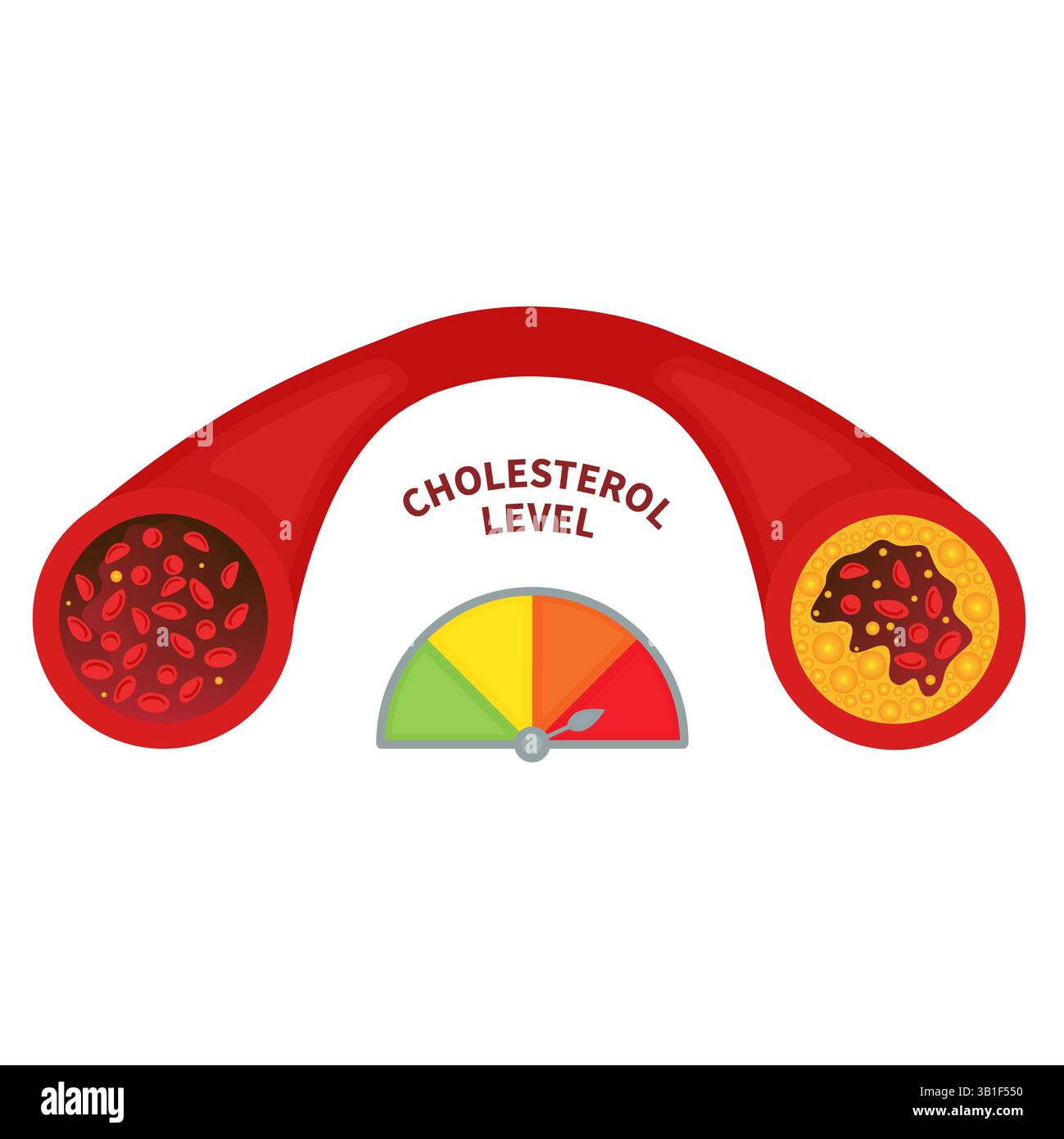
A total cholesterol level of 210 mg/dL is classified as borderline high. While it is only slightly above the "desirable" threshold of 200 mg/dL, it serves as a clinical warning sign that your risk for cardiovascular disease, including heart attack and stroke, may be increasing.
In 2026, healthcare providers view a total cholesterol reading of 210 not as a standalone diagnosis, but as one piece of a broader cardiovascular puzzle. This specific number suggests that while immediate pharmaceutical intervention might not be necessary for everyone, lifestyle modifications are typically required to prevent the level from climbing into the "high" category (240 mg/dL and above). To understand what a 210 reading means for your specific health profile, it is essential to look beneath the surface of the total number and examine the individual components of your lipid panel.
The Composition of Total Cholesterol
Total cholesterol is a cumulative measurement. It is not a single substance but a calculation of various lipoproteins circulating in your blood. When your lab report shows a 210, it is derived from the following formula: HDL + LDL + 20% of your Triglyceride level.
Low-Density Lipoprotein (LDL)
Often referred to as "bad" cholesterol, LDL is the primary vehicle for transporting cholesterol to your cells. However, when levels are too high, LDL particles can infiltrate the walls of your arteries. This leads to the buildup of plaque—a hard, fatty deposit—in a process known as atherosclerosis. If your total cholesterol is 210, the most critical question is how much of that 210 is comprised of LDL.
High-Density Lipoprotein (HDL)
Known as "good" cholesterol, HDL acts as a scavenger. It wanders through the bloodstream, picking up excess cholesterol and returning it to the liver, where it is processed and excreted from the body. A high HDL count (above 60 mg/dL) can actually mitigate some of the risks associated with a total cholesterol of 210. Conversely, if your HDL is low (below 40 mg/dL for men or 50 mg/dL for women), a total reading of 210 becomes significantly more concerning.
Triglycerides
Triglycerides are the most common type of fat in the body. They store excess energy from your diet. While they are not cholesterol themselves, high levels of triglycerides often go hand-in-hand with high total cholesterol and low HDL. In the calculation of total cholesterol, only 20% of your triglyceride level is included, but their independent impact on heart health is substantial.
Why the "Borderline High" Label Matters
The medical community categorizes cholesterol levels based on decades of longitudinal studies linking specific ranges to the prevalence of heart disease. The American Heart Association (AHA) and the Centers for Disease Control and Prevention (CDC) maintain these standard classifications to help patients and doctors gauge risk.
| Total Cholesterol Category | Range (mg/dL) | Clinical Significance |
|---|---|---|
| Desirable | Less than 200 | Associated with the lowest risk of heart disease. |
| Borderline High | 200 – 239 | Indicates a rising risk; requires lifestyle assessment. |
| High | 240 and above | Significantly increases the risk of stroke and heart attack. |
A reading of 210 falls squarely into the borderline high range. This is often described as a "yellow light" in cardiovascular health. It is not yet a "red light" requiring urgent medication for many people, but it is a signal that the body’s lipid metabolism is slightly out of balance.
Assessing Individual Risk Factors
A total cholesterol level of 210 does not carry the same weight for every individual. As of 2026, the standard of care involves using the ASCVD (Atherosclerotic Cardiovascular Disease) Risk Estimator. This tool looks at your 10-year risk of having a cardiovascular event by combining your cholesterol numbers with other vital data points.
Age and Gender
As we age, our bodies naturally produce more cholesterol, and the liver becomes less efficient at clearing it. For men, risk generally increases after age 45. For women, the risk often rises significantly after menopause due to the decline in estrogen, which has a protective effect on lipid profiles.
Blood Pressure
Cholesterol and blood pressure work synergistically to damage arteries. High blood pressure (hypertension) creates micro-tears in the arterial lining, making it easier for "borderline high" LDL levels to deposit plaque. If you have a cholesterol level of 210 and high blood pressure, your clinical risk is much higher than someone with the same cholesterol but normal blood pressure.
Smoking and Lifestyle
Tobacco use causes the blood to become "stickier" and lowers HDL levels. Smoking also damages the endothelium (the inner lining of the blood vessels). For a smoker, a cholesterol level of 210 is much more dangerous because the physical environment of the arteries is already compromised.
Family History and Genetics
Some individuals have a genetic predisposition to high cholesterol, known as Familial Hypercholesterolemia (FH). If your parents or siblings had early-onset heart disease (before age 55 for men or 65 for women), a level of 210 might be treated more aggressively, as your body may be genetically programmed to struggle with lipid regulation.
Dietary Strategies to Lower a 210 Reading
If your doctor has identified your 210 reading as a point of concern, the first line of defense is almost always therapeutic lifestyle changes. The goal is to reduce the intake of substances that trigger the liver to produce more cholesterol while increasing the intake of substances that help clear it.
Focus on Soluble Fiber
Soluble fiber is one of the most effective dietary tools for lowering cholesterol. It dissolves in water to form a gel-like substance in the digestive tract. This gel binds to bile acids (which are made of cholesterol) and drags them out of the body as waste. This forces the liver to use up more of the cholesterol in your blood to create new bile acids.
- Sources: Oats, barley, beans, lentils, apples, and Brussels sprouts. Aiming for 10–25 grams of soluble fiber per day can significantly impact a borderline high reading.
Eliminating Trans Fats and Reducing Saturated Fats
In 2026, while artificial trans fats have been largely phased out of the food supply in many regions, they can still appear in small amounts in some processed goods. Saturated fats, found primarily in red meat and full-fat dairy products, prompt the liver to produce more LDL. Replacing these with monounsaturated and polyunsaturated fats—found in olive oil, avocados, and walnuts—can help shift your total cholesterol back below 200.
The Role of Plant Sterols and Stanols
Plant sterols and stanols are substances found in plants that are structurally similar to cholesterol. When consumed, they compete with cholesterol for absorption in the small intestine. This effectively "blocks" some cholesterol from entering your bloodstream. Many margarines, orange juices, and yogurts are now fortified with these substances.
Physical Activity and Weight Management
Exercise has a profound effect on the lipid profile, though its primary benefit is often seen in raising HDL (good) cholesterol and lowering triglycerides rather than a massive reduction in LDL.
- Aerobic Exercise: The American Heart Association recommends at least 150 minutes of moderate-intensity aerobic activity per week. This includes brisk walking, swimming, or cycling. Physical activity stimulates enzymes that help move LDL from the blood to the liver for excretion.
- Weight Loss: Carrying excess weight, particularly around the abdomen, is linked to higher LDL and lower HDL. Losing even 5% to 10% of your body weight can result in a noticeable improvement in a borderline high cholesterol reading.
- Consistency Over Intensity: For lipid management, the total volume of activity throughout the week is more important than the intensity of a single session. Regular movement helps maintain the metabolic health required to process fats efficiently.
When is Medication Necessary for a 210 Level?
A total cholesterol of 210 does not automatically mean you need a prescription. However, there are specific scenarios where a physician might recommend a statin or other lipid-lowering therapy:
- Existing Heart Disease: If you have already suffered a heart attack or have known coronary artery disease, the target for LDL is much lower, and a total of 210 would be considered too high.
- Diabetes: Diabetes significantly increases the risk of cardiovascular complications. Most clinical guidelines suggest statin therapy for diabetic patients with borderline high cholesterol to proactively manage risk.
- Failure of Lifestyle Changes: If you have strictly adhered to a heart-healthy diet and exercise routine for 3–6 months and your levels remain at 210 or higher, your doctor may conclude that your cholesterol is driven more by genetics than lifestyle.
The most common medications in 2026 remain statins, which work by blocking the HMG-CoA reductase enzyme in the liver. Other options include Ezetimibe, which prevents cholesterol absorption in the gut, and PCSK9 inhibitors, which are typically reserved for more severe cases but are becoming more accessible.
Frequency of Testing and Monitoring
If you receive a 210 reading, you should not wait another five years for your next checkup. The standard protocol for borderline high results involves a follow-up test within 3 to 6 months after initiating lifestyle changes. This allows the medical team to see if your body is responding to the interventions.
It is also important to ensure that the test was performed correctly. While many modern labs in 2026 use non-fasting samples for initial screenings, a "borderline" result often warrants a follow-up fasting lipid panel. Fasting for 9 to 12 hours before the blood draw ensures that the triglyceride measurement is not skewed by a recent meal, which provides a more accurate "Total Cholesterol" calculation.
Frequently Asked Questions
Is 210 cholesterol high for a woman in her 50s?
For women in their 50s, a 210 reading is common due to the hormonal changes of menopause. While still "borderline high," doctors will look closely at the HDL level. If the HDL is very high (above 70 mg/dL), the cardiovascular risk might be lower than the total number suggests. However, post-menopausal women should still monitor this closely as their heart disease risk begins to catch up to that of men.
Can I lower my cholesterol from 210 to 190 without meds?
Yes, many individuals can achieve a 10% to 15% reduction in total cholesterol through significant dietary changes and regular exercise. Reducing saturated fat intake and increasing soluble fiber are the two most impactful dietary moves. Success depends on how much of the 210 is caused by lifestyle versus how much is determined by genetics.
Does stress affect a cholesterol reading of 210?
Stress can indirectly influence cholesterol levels. Chronic stress often leads to poor dietary choices, physical inactivity, and increased alcohol consumption, all of which raise cholesterol. Furthermore, some studies suggest that stress hormones like cortisol and adrenaline can trigger the production of triglycerides and LDL cholesterol.
What are the symptoms of having 210 cholesterol?
High cholesterol, including the borderline high level of 210, is known as a "silent" condition because it has no symptoms. You cannot feel your cholesterol rising. The only way to know your level is through a blood test. Symptoms only appear once the cholesterol has caused significant arterial damage, resulting in chest pain (angina) or a heart attack.
Should I avoid eggs if my cholesterol is 210?
Current 2026 nutritional guidelines suggest that for most people, dietary cholesterol (found in eggs and shellfish) has a smaller impact on blood cholesterol than saturated and trans fats. One egg per day is generally considered acceptable for those with borderline high cholesterol, provided the rest of the diet is low in saturated fats.
Final Recommendation
If your total cholesterol is 210, view it as an opportunity for proactive health management rather than a cause for panic. Your next steps should include requesting a full breakdown of your LDL, HDL, and triglycerides from your healthcare provider. Focus on increasing your daily fiber intake, reducing processed meats, and incorporating at least 30 minutes of movement into your daily routine. By addressing a 210 reading now, you can often avoid the need for long-term medication and significantly reduce your lifetime risk of heart disease.