A beginner computer course provides the structured foundation needed to navigate modern technology with confidence. These courses bridge the gap between complete novice and functional user by teaching essential skills such as operating system navigation, internet safety, file management, and basic software application. By following a curated curriculum, learners avoid the frustration of trial-and-error and build a reliable mental model of how digital systems function.
In 2026, digital literacy is no longer an optional skill; it is a fundamental requirement for participating in modern society. Whether you are looking to re-enter the workforce, stay connected with family, or simply manage your personal finances more efficiently, understanding the "how" and "why" of computer operations is the first step toward independence. For many, the hurdle isn't the technology itself, but the lack of a clear starting point. A beginner computer course solves this by breaking down complex concepts into manageable, sequential lessons.
The Core Components of a Beginner Computer Course
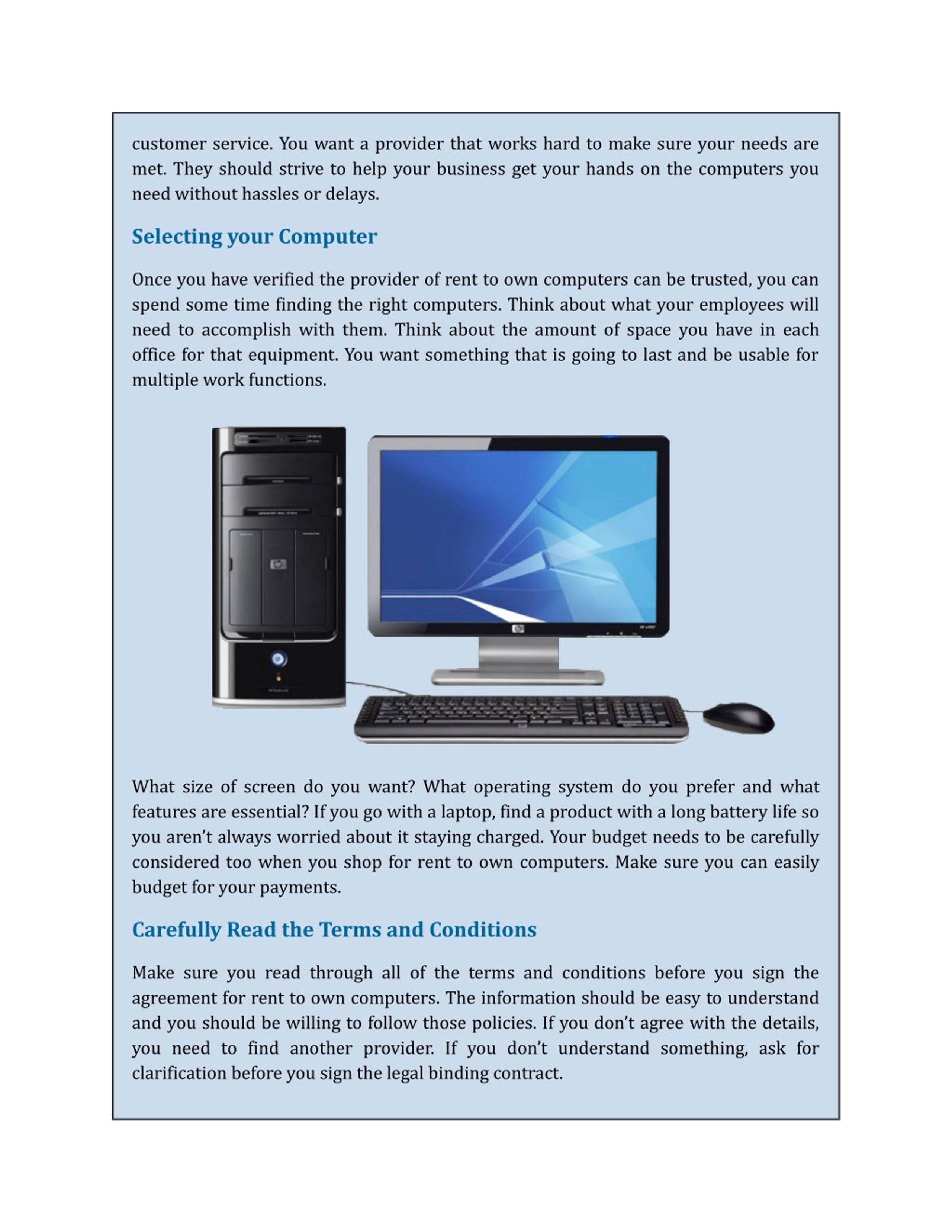
When you enroll in a beginner computer course, the curriculum is specifically designed to demystify the machine sitting in front of you. Most programs begin with hardware identification, ensuring you know the difference between the CPU (central processing unit), RAM (random access memory), and peripheral devices like printers and scanners. Understanding the physical components helps reduce the anxiety many beginners feel when they encounter a technical issue; knowing what a "USB-C port" is or how a "solid-state drive" differs from a traditional hard drive provides a sense of control.
Beyond the physical hardware, the primary focus of these courses is the Operating System (OS). As of 2026, most courses focus on Windows 11 or the newer Windows 12, as well as macOS and ChromeOS. You will learn how to navigate the desktop, use the taskbar or dock, and manage the "Settings" menu to customize your experience. This stage is crucial because the OS acts as the interface between you and every other task you wish to perform. Mastering the OS means you no longer struggle to find downloaded files or change your screen brightness.
Essential Software and Applications
Once the basics of the operating system are covered, beginner courses move into the "Productivity Suite" phase. This typically involves learning the basics of word processing, spreadsheets, and presentation software. In 2026, this instruction often spans both locally installed software like Microsoft Office and cloud-based platforms like Google Workspace.
- Word Processing: Learning to create, edit, save, and print documents. This includes formatting text, inserting images, and understanding different file formats like .docx and .pdf.
- Spreadsheets: Introducing the grid system. Beginners learn how to input data, use basic sum formulas, and organize information—a vital skill for personal budgeting or entry-level administrative work.
- Communication Tools: In the current year, a beginner course is incomplete without instruction on video conferencing tools like Zoom or Microsoft Teams, as well as the nuances of professional email etiquette and attachment management.
Overcoming the Psychological Barriers to Technology
One of the most significant ways a beginner computer course helps you get started is by addressing "technophobia." Many adults who did not grow up with computers fear that they will "break" the machine by clicking the wrong button. Professional instructors address this fear directly by teaching "Undo" commands (Ctrl+Z or Cmd+Z) and explaining the robust recovery systems built into modern software.
By learning in a controlled environment, students gain the "permission to fail." This experimental phase is where the most profound learning occurs. When a student realizes that most errors are reversible, their speed of learning increases exponentially. A structured course provides the safety net required to move from a passive observer of technology to an active, confident user.
Navigating the Internet and Ensuring Cyber Security
In 2026, the internet is the gateway to almost all essential services, from banking to healthcare. However, it also presents risks that can be daunting for beginners. A comprehensive computer course prioritizes digital safety and "netiquette."
Safe Browsing Habits
Students are taught how to identify a secure website (indicated by the lock icon and "https" prefix) and how to recognize common red flags of phishing scams. This includes understanding that legitimate organizations will never ask for passwords via email and learning how to verify the sender's address. These skills are defensive; they protect the user's identity and financial information while they explore the vast resources of the web.
Password Management and 2FA
Modern courses now include mandatory modules on password hygiene. Beginners often rely on simple, repetitive passwords, which are highly vulnerable. A course will introduce the concept of Password Managers and the necessity of Two-Factor Authentication (2FA). By the end of the course, a student should be able to set up a secure account and understand how to use their smartphone as a secondary verification device.
Comparing Learning Methods for 2026
Choosing the right format for your beginner computer course is as important as the content itself. Depending on your learning style, budget, and schedule, different options may be more effective.
| Feature | Community College / In-Person | Online Self-Paced (e.g., Coursera) | One-on-One Tutoring |
|---|---|---|---|
| Cost (Estimated 2026) | $150 - $400 per semester | Free to $50/month | $40 - $100 per hour |
| Interaction | High (Face-to-face) | Low (Forum-based) | Very High (Personalized) |
| Pace | Fixed schedule | Flexible / Learn at will | Tailored to your speed |
| Curriculum | Standardized | Modern/Video-heavy | Custom to your needs |
| Best For | Social learners, seniors | Disciplined self-starters | Specific goal-oriented tasks |
The Role of File Management and Cloud Storage
One of the most frequent "stumbling blocks" for beginners is losing track of their work. A beginner computer course helps you get started by teaching the logic of file structures. This involves understanding folders, subfolders, and the "Cloud."
In 2026, the distinction between saving a file to a "C: Drive" and saving it to "The Cloud" (OneDrive, iCloud, or Google Drive) is often blurred by operating systems. A course clarifies this by explaining synchronization. Students learn that saving a file to the cloud allows them to access it from their phone or a different computer, providing a layer of backup that prevents data loss. Mastering the "Save As" function and naming files descriptively are small habits that save hours of frustration in the long run.
Why a Certificate Matters
While the primary goal is knowledge, many beginner computer courses offer a certificate of completion. In 2026, these certificates serve as "proof of digital literacy" for employers. For an entry-level position, having a verified credential that says you understand the basics of Windows, the internet, and office software can be the deciding factor in a hiring process. It demonstrates to an employer that you are proactive and have a standardized baseline of competence, reducing the amount of on-the-job training they must provide.
Common Mistakes Beginners Make Without a Course
Without the guidance of a course, many beginners develop "workaround" habits that are inefficient or even dangerous. Some of these include:
- Ignoring Updates: Many beginners close update notifications because they find them intrusive. A course explains that these updates often contain critical security patches that protect against the latest 2026 malware.
- Manual Data Entry: Instead of using copy-paste or spreadsheet formulas, beginners often re-type information, increasing the risk of error.
- Single-Point Failure: Storing all important photos and documents on a single USB stick or laptop desktop without any secondary backup.
- Over-reliance on Others: Constantly asking family members to perform tasks prevents the beginner from ever learning the logic behind the task.
Frequently Asked Questions
Am I too old to start a beginner computer course?
No. In 2026, many courses are specifically designed for "silver surfers" or older adults. These programs often move at a more deliberate pace and focus on the specific needs of seniors, such as digital health portals, staying in touch with grandchildren, and recognizing online fraud. Learning technology is a cognitive exercise that can be started at any age.
Do I need to buy a computer before I start the course?
Not necessarily. Many community centers and libraries provide the hardware during the class sessions. In fact, it is often better to wait until you have completed the first few modules of a course so you can make an informed decision about what type of computer (Laptop, Chromebook, or Tablet) best suits your needs and budget.
How long does it take to become proficient?
While "proficiency" is subjective, most beginner courses last between 4 to 8 weeks. After this period, you should be able to browse the web safely, send emails with attachments, create basic documents, and manage your files. Mastery comes with daily practice after the course ends.
Are free online courses as good as paid ones?
Platforms like GCFGlobal offer high-quality, free tutorials that are excellent for self-starters. However, paid courses often provide direct access to an instructor who can answer specific questions when you get stuck. For a total beginner, the ability to ask "Why did my screen turn blue?" and get an immediate answer is often worth the investment.
Does a beginner course cover mobile phones and tablets?
As of 2026, the line between "computers" and "mobile devices" has largely disappeared. Most comprehensive beginner courses include "Cross-Platform Literacy," teaching you how to sync your computer with your smartphone. Since many services now require a mobile app for authentication, understanding both is essential.
Final Recommendation: Taking the First Step
To get started, the best course of action is to visit your local public library or community center. These institutions often host "Digital Inclusion" programs that are low-cost or free. If you prefer learning from home, look for introductory courses on reputable platforms like Coursera or Udemy, specifically searching for "Computer Literacy 101."
The goal is not to become an IT expert overnight, but to gain enough functional knowledge to use technology as a tool rather than seeing it as an obstacle. Once you understand the basics of the interface, the logic of the internet, and the principles of digital safety, the rest of the tech world becomes much more accessible. Start with a structured course, practice consistently, and do not be afraid to ask questions.