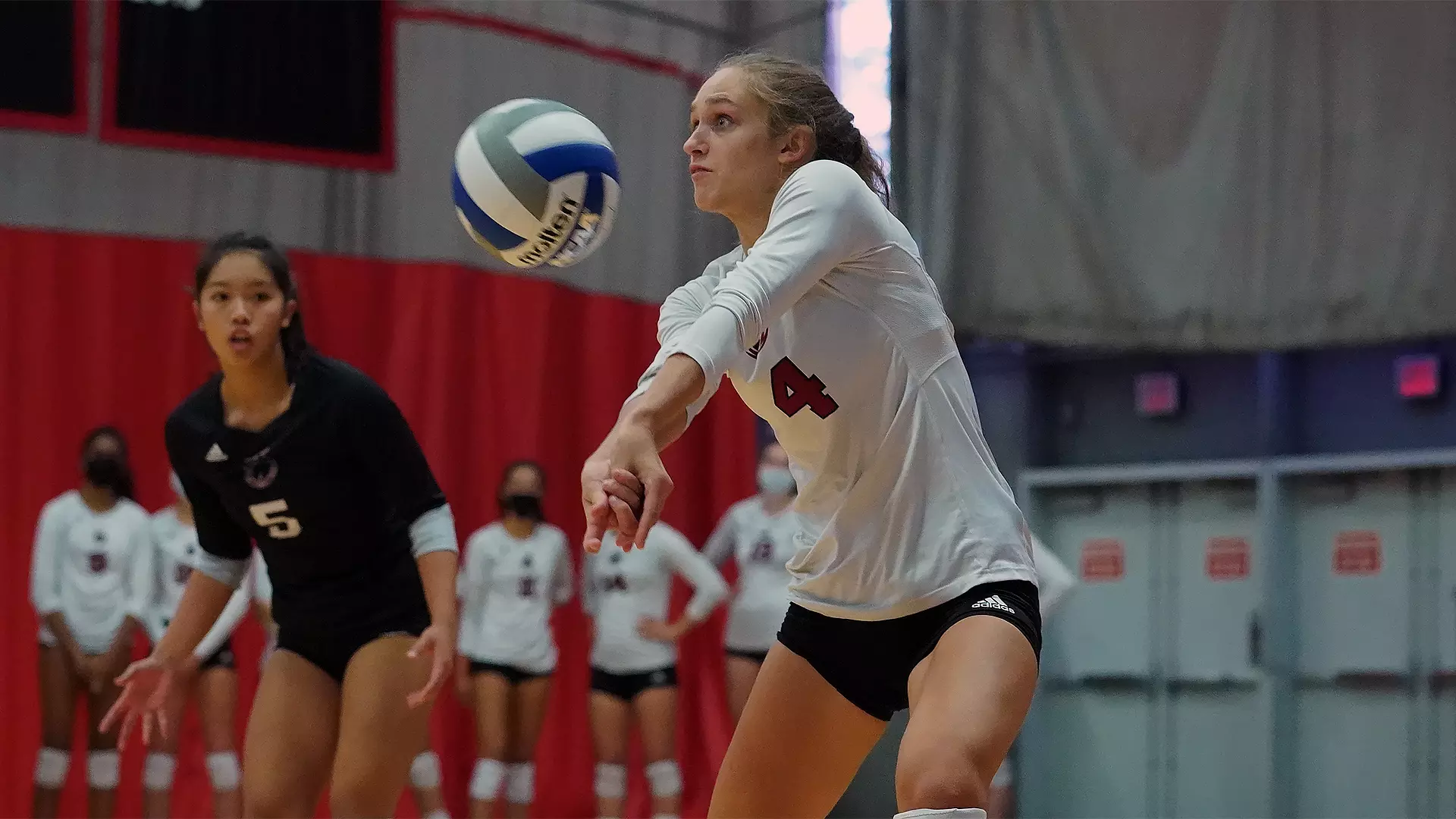
Ashley Frazier established a notable footprint in the landscape of American collegiate and professional volleyball through her tenure as a standout outside hitter. Her career is defined by a transition from high-level NCAA competition at the University of Kentucky and the University of Alabama to professional opportunities in international leagues, where she utilized her technical prowess as a left-side attacker to compete at the elite level.
Early Development and Collegiate Foundation
The professional trajectory of any elite volleyball player almost invariably begins in the rigorous environment of the NCAA. Ashley Frazier’s path was marked by significant athletic development, which served as the prerequisite for her subsequent professional endeavors. Her collegiate career was split between the University of Kentucky and the University of Alabama, providing her with exposure to top-tier coaching and competitive conferences.
Frazier began her collegiate journey at the University of Kentucky, where she quickly distinguished herself as a versatile offensive weapon. In the Southeastern Conference (SEC)—a league renowned for its physical play and high intensity—Frazier developed the tactical awareness necessary to succeed against premier defensive blocks. Her ability to manipulate the ball around the block, combined with a high reach, allowed her to transition into an outside hitter role that commands defensive attention.
Transferring to the University of Alabama later in her collegiate tenure, Frazier continued to refine her skills. During her time with the Crimson Tide, she operated as a focal point of the team’s offensive strategy. This stage of her career was critical, as it required her to develop leadership qualities and consistency—two traits that professional recruiters prioritize when scouting collegiate athletes for overseas contracts. Her collegiate statistics and game-film served as the primary portfolio used to bridge the gap between amateur status and the professional volleyball circuit.
Transition to Professional Volleyball
Transitioning to professional volleyball requires more than just collegiate success; it demands an understanding of international league structures, visa requirements, and the ability to adapt to varying playing styles. In international professional volleyball, the role of an American outside hitter is highly specific. Clubs often seek imports who can provide consistent side-out efficiency and stability in passing rotations.
Frazier’s professional career saw her navigate the European volleyball landscape, a common destination for American players looking to extend their careers beyond university. Professional leagues in countries like France, Germany, and Switzerland emphasize a different tactical rhythm compared to the U.S. collegiate system. The game is often faster, the training schedules are more year-round, and the pressure to perform is heightened by the presence of international imports who compete for limited roster spots.
For a player like Frazier, the professional transition involved mastering the "six-rotation" game. While many collegiate hitters are substituted for defensive specialists in the back row, professional contracts are significantly more lucrative and easier to obtain for players who can contribute at the service line, in back-row defense, and in serve-receive. This technical versatility became a hallmark of her professional identity, allowing her to secure positions where she could provide value beyond simple point production.
Technical Skill Set and Playing Style
To understand the professional career of Ashley Frazier, one must examine the specific mechanics that defined her play. As an outside hitter, her utility was measured by three primary technical metrics: hitting efficiency, serve-receive accuracy, and defensive floor coverage.
- Attacking Efficiency: Frazier utilized a high contact point to clear the block, a necessity for competing against taller middle blockers in European leagues. Her approach rhythm was consistent, allowing her to adjust to high-ball sets—often referred to as "out-of-system" balls—which are the reality of professional play when a team's reception is imperfect.
- Serve-Receive Stability: In the professional ranks, the ability to maintain a positive passing percentage is the most sought-after trait for an outside hitter. Coaches look for players who can absorb tough float serves and accurate topspin serves without allowing aces. Frazier’s ability to remain composed under the pressure of aggressive serving lines allowed her teams to maintain offensive structure.
- Tactical Versatility: Beyond scoring, her role required an understanding of block-defense schemes. Positioning oneself correctly in transition defense is often the difference between a mid-table finish and a championship run. Frazier’s experience allowed her to read opposing setters effectively, positioning her to assist in double-blocking assignments and transition quickly into the attack.
Comparisons of Volleyball Environments
The following table outlines the distinct differences between the collegiate environment Frazier navigated and the professional leagues she entered.
| Feature | NCAA Collegiate Environment | International Professional Leagues |
|---|---|---|
| Season Duration | August to December (approx. 4 months) | September to May (approx. 8-9 months) |
| Roster Strategy | Fixed scholarships and student-athlete focus | Contract-based, performance-heavy turnover |
| Tactical Focus | Physicality and high-tempo transition | Technical precision and serving pressure |
| Import Rules | N/A (Limited to domestic/U.S. talent) | Strict quotas on non-domestic players |
| Training Load | Managed by academic and NCAA restrictions | Professional full-time athlete training cycles |
Challenges and Realities of a Pro Career
The career of a professional athlete, particularly in a sport like volleyball, is often marked by the volatility of international contracts. Players must manage multi-year plans that involve constant travel, adjusting to new cultures, and the physical toll of a sport that emphasizes verticality and joint impact.
One of the greatest challenges for players transitioning from the U.S. system is the lack of "off-season" downtime. While the NCAA operates on a clear semester-based cycle, the professional season is a grueling, months-long grind. Managing the body to prevent burnout or injury is a full-time job. For Frazier, this required strict adherence to rehabilitation, recovery modalities, and nutrition protocols that differ significantly from the university-provided support systems.
Furthermore, professional volleyball is a global marketplace. Players must often secure agents, negotiate language barriers in scouting reports, and handle the administrative burden of international work visas. These "hidden" aspects of the professional career are often as important as the physical ability to hit a volleyball. The ability to successfully navigate these bureaucratic hurdles is what separates players who stay for one season from those who build sustained international careers.
Frequently Asked Questions
1. What positions did Ashley Frazier play during her professional career? Ashley Frazier primarily played as an outside hitter. This position requires the player to hit from the left side of the court, participate in serve-receive rotations, and provide defensive support in the back row.
2. Which collegiate teams did Ashley Frazier represent? Frazier played for the University of Kentucky and the University of Alabama. Her time at these schools was characterized by significant contributions to their respective SEC programs and high-level offensive production.
3. Why is "six-rotation" play important for a pro volleyball player? In professional volleyball, roster spots are limited. A player who can stay on the court for all six rotations (both front and back row) is more valuable than a player who requires a substitute for defense. This increases a player's likelihood of securing a contract.
4. How does the professional volleyball season differ from the college season? The professional season is significantly longer, typically running from autumn through spring. It is a full-time occupation that requires players to manage their physical recovery over a much longer period than the condensed four-month NCAA schedule.
5. What skills are most critical for an outside hitter moving to the pro level? Beyond attacking, the most critical skills are consistent serve-receive passing, defensive reading of opposing attackers, and the ability to maintain composure during high-pressure match situations where tactical adjustments occur in real-time.
Professional Guidance for Aspiring Athletes
For athletes looking to emulate the path from collegiate standout to professional volleyball player, the primary takeaway is the necessity of versatility. The "specialist" era of volleyball is fading; professional teams now prioritize "utility" players—those who can pass, defend, and score under high-stress conditions.
Players should focus on improving their serve-receive platform long before they graduate. If a player is only useful as a hitter, their ceiling in the professional market will remain low. Furthermore, building a digital portfolio of match footage is essential. In the modern era, recruiters rarely see players in person during the early phases of contract negotiations; a high-quality video compilation showcasing technical fundamentals, rather than just highlight-reel spikes, is the most effective tool for gaining exposure to international clubs.
Finally, networking with reputable agents who have experience placing players in specific regions—such as the Bundesliga in Germany or the Ligue A in France—is a logical next step. Understanding the "market value" of specific skill sets in those regions will allow an athlete to make informed decisions about their career path. By prioritizing technical longevity and versatility, a player can turn collegiate experience into a sustained professional career.