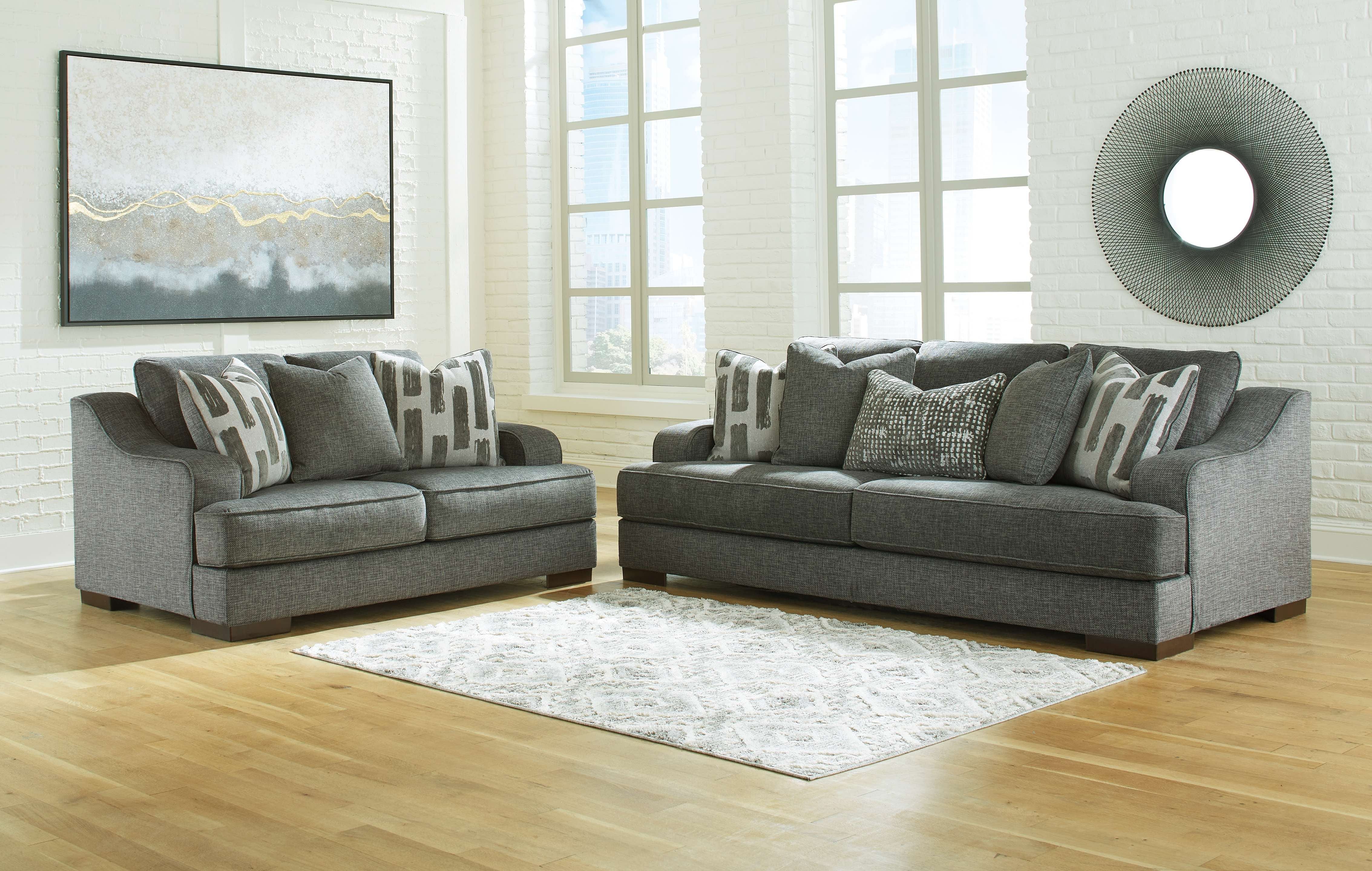
The "Code W" designation found on Ashley Furniture tags indicates that the upholstery fabric must be cleaned exclusively using a water-based cleaning agent. This code requires the use of foam from a mild, water-based shampoo or an upholstery cleaner specifically formulated for water-safe fabrics. Using solvents or dry-cleaning agents on a Code W fabric can cause permanent damage, ring marks, or fiber degradation.
Decoding Upholstery Care Labels
When you purchase upholstered furniture from Ashley Furniture—or any major manufacturer—the care label is your most vital resource for longevity. These labels, often hidden under seat cushions or along the internal frame, are dictated by industry standards to ensure that consumers do not inadvertently destroy their investment with inappropriate chemical agents.
The "W" in "Code W" stands for "Water-based." It is part of the standardized SPI (Society of the Plastics Industry) upholstery cleaning codes. When you see this letter, it serves as a strict instruction: the furniture’s fibers are designed to interact safely with water-based detergents but are typically sensitive to anhydrous (water-free) solvents like those found in professional dry-cleaning kits. Ignoring this code can lead to color bleeding, fabric shrinkage, or the setting of stains that become impossible to remove later.
Identifying Your Furniture's Material
Before applying any cleaner, it is critical to understand the material composition of your Ashley Furniture piece. Code W is frequently associated with synthetic blends, such as polyester, nylon, and acrylic, or cotton-synthetic blends that have been treated for stain resistance.
Synthetic fibers are generally more resilient than natural fibers like silk or wool. However, even with durable synthetics, the backing material and the internal padding (such as high-density foam or fiberfill) can react poorly to moisture if it is not handled correctly. "Water-based" does not mean "water-proof." Using excessive amounts of water can cause water staining or "wicking," where dirt from the internal padding is pulled to the surface as the fabric dries, resulting in a dark ring.
The Standard Cleaning Procedure for Code W
To clean a Code W fabric effectively without damaging the underlying structure of the furniture, follow this methodical approach.
- Vacuum Thoroughly: Always start by removing loose dust, pet dander, and crumbs. Use a soft brush attachment to prevent scratching the weave.
- Pre-Test: Never skip this step. Choose an inconspicuous area—the underside of a cushion or the back of the skirt—and apply your water-based cleaner. Wait for it to dry completely to ensure there is no color loss or fabric distortion.
- Prepare the Foam: If using a commercial upholstery cleaner, follow the label directions. If using a mild detergent, mix a small amount with distilled water and whip it until it creates a thick, dry foam.
- Application: Gently dab the foam onto the soiled area using a clean, white, lint-free cloth. Do not rub vigorously, as this can fray the fibers or push the stain deeper into the weave.
- Blotting: Use a fresh, dry cloth to blot the area, lifting the foam and the dissolved dirt away from the fabric.
- Drying: Allow the area to air dry naturally. You may use a fan to speed up the process, but avoid direct heat sources like hair dryers, which can cause synthetic fibers to shrink or melt.
Why Solvent-Based Cleaners (Code S) are Dangerous for Code W
A common mistake among homeowners is assuming that "stronger" cleaners are better for tough stains. If you apply a Code S (solvent-based) cleaner to a Code W fabric, you risk several issues:
- Dissolving Adhesives: Solvents can break down the adhesives used to bind the fabric to the foam padding.
- Chemical Burn: Some solvent-based agents react chemically with the chemical finishes applied to the upholstery at the factory, leading to discoloration.
- Toxic Fumes: Solvents often require significant ventilation. Using them in a poorly ventilated room on fabric not designed for them can create a respiratory hazard.
Comparison of Upholstery Cleaning Codes
The following table outlines the differences between standard cleaning codes to help you verify your furniture's requirements.
| Cleaning Code | Definition | Approved Cleaning Method |
|---|---|---|
| W | Water-based | Mild detergent foam or water-based upholstery shampoo. |
| S | Solvent-based | Dry cleaning solvents only; no water. |
| WS | Water/Solvent | Either water-based or solvent-based agents are acceptable. |
| X | Vacuum Only | No water or solvents; professional vacuuming or brushing only. |
Handling Difficult Stains on Code W Fabric
If you encounter a heavy spill (such as wine, ink, or oil), "cleaning" it at home can sometimes make the situation worse. Because Code W is sensitive to water saturation, large liquid spills should be blotted immediately with a dry cloth. Avoid pushing the liquid into the cushion.
If the stain remains, consider professional cleaning services. Ensure you inform the technician that the furniture is marked "Code W." Professional upholstery cleaners possess extraction machines that control the moisture level significantly better than hand-cleaning methods, reducing the risk of water rings or damage to the fabric’s finish.
Common Troubleshooting Issues
- Water Rings: These occur when a cleaner is used and allowed to soak unevenly into the fibers. To avoid this, always clean the entire "panel" of the furniture (e.g., the whole seat cushion) rather than just the spot where the spill occurred. This creates a uniform drying transition.
- Fiber Fuzzing: If the fabric looks fuzzy after cleaning, it is likely that the cloth used to blot the area was too abrasive or the rubbing motion was too aggressive. Always use high-quality microfiber or clean cotton towels.
- Detergent Residue: If you use too much soap, it will remain in the fabric after drying, creating a tacky surface that actually attracts dirt faster. Ensure you use a minimal amount of soap and rinse by blotting with pure distilled water if necessary.
Frequently Asked Questions
1. Can I use a steam cleaner on Code W Ashley Furniture? Generally, no. Steam cleaners introduce heat and high-pressure moisture, which can cause shrinkage, color transfer, or damage to the internal foam and wood frame of the furniture. Always check the manufacturer's manual, but manual foam cleaning is the safer standard for Code W.
2. Is distilled water better than tap water for cleaning? Yes. Tap water contains minerals that can leave white, chalky deposits on dark fabrics as they dry. Distilled water is free of these minerals and is much safer for delicate upholstery.
3. How often should I clean my Code W upholstery? Routine maintenance should include weekly vacuuming. Deep cleaning should only be performed when visible soiling occurs or if there is a specific spill. Over-cleaning can accelerate the wear and tear of the fabric.
4. What if my tag is missing? If the tag is missing, contact Ashley Furniture customer support with your model number, which is usually found on the underside of the piece or on the original receipt. They can provide the specific cleaning instructions for that model.
5. Are there natural alternatives for Code W cleaning? While some suggest vinegar, it is acidic and can affect the color of certain dyes. Stick to neutral, pH-balanced detergents labeled as safe for upholstery.
6. Can I use a carpet cleaner machine attachment? Most carpet cleaning machines use too much water for upholstery. Unless the machine has a specific, low-moisture upholstery attachment with adjustable suction, it is risky to use on furniture.
Professional Maintenance Advice
To maintain your furniture in 2026, prioritize the prevention of spills. Using a manufacturer-approved fabric protector—often available at the time of purchase—can provide a barrier against liquids, turning a potentially disastrous spill into a simple blot-and-clean task. Always ensure that any product applied to the fabric is compatible with Code W materials. If you are unsure, test a hidden area first. By following these guidelines, you preserve the structural integrity and aesthetic appeal of your Ashley Furniture for years to come.