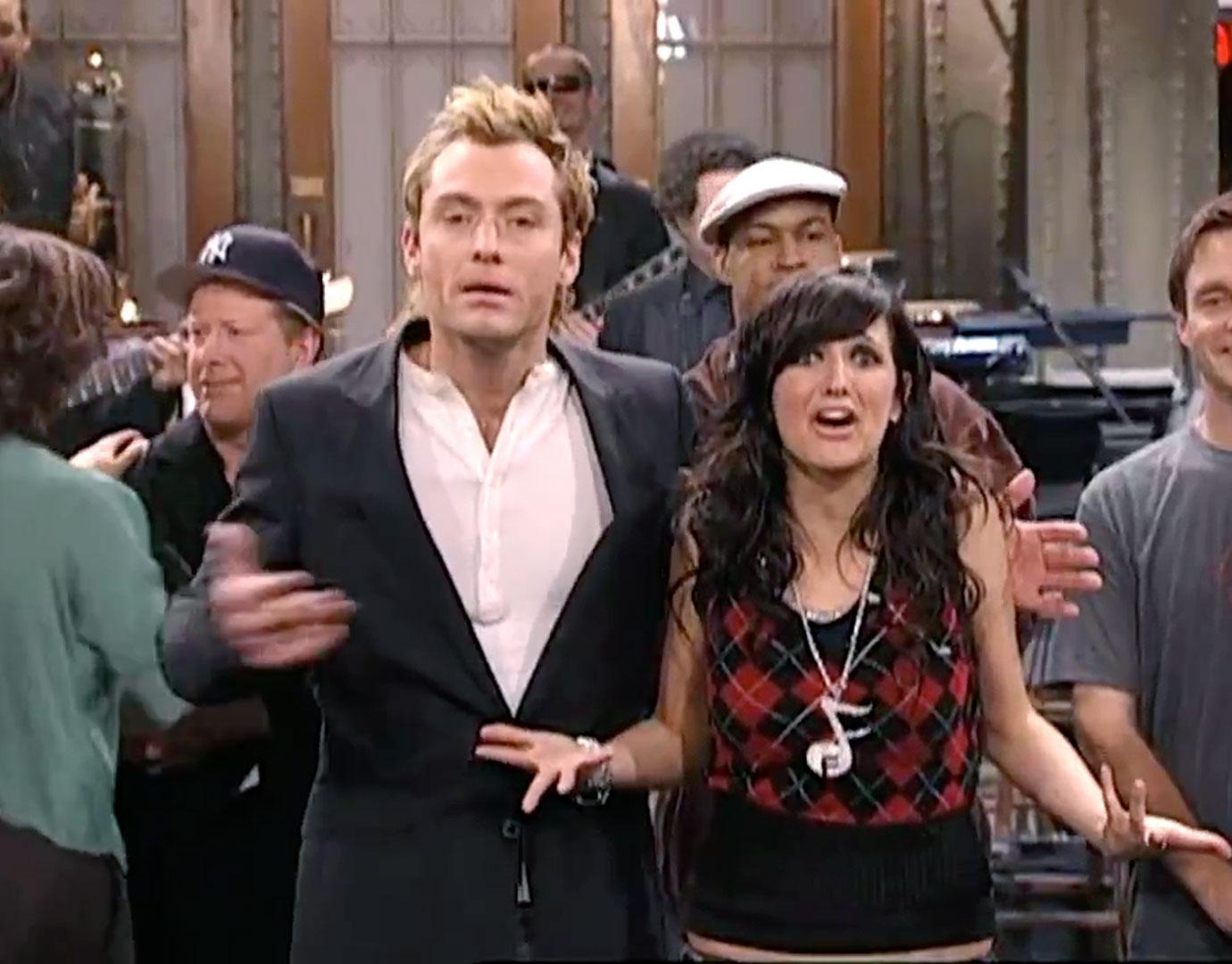
Ashlee Simpson’s October 23, 2004, appearance on Saturday Night Live stands as one of the most infamous and widely discussed live television mishaps in pop culture history. Instead of performing her second scheduled song of the evening, the pop-rock singer faced a sudden audio malfunction when her backing vocal track began playing before she even brought the microphone to her mouth. The incident sparked a massive media firestorm, transformed the public discourse surrounding live musical performances, and altered the trajectory of Simpson's burgeoning music career. Analyzing the event requires examining the timeline of the broadcast, the technical realities of live television audio production, and the immediate cultural aftermath that followed.
The Context of Ashlee Simpson’s 2004 Rise to Stardom
To understand the magnitude of the Saturday Night Live incident, one must look at where Ashlee Simpson stood in the entertainment industry in late 2004. Following the massive success of her older sister, Jessica Simpson, Ashlee carved out a distinct pop-rock persona that resonated with teenagers and young adults. Her debut studio album, Autobiography, released in July 2004, debuted at number one on the US Billboard 200 and quickly achieved multi-platinum certification.
Propelled by the massive success of lead single "Pieces of Me," Simpson became a household name. Her MTV reality series, The Ashlee Simpson Show, offered viewers an intimate, behind-the-scenes look at her life in the recording studio and her preparation for major performances. This high level of exposure made her a prime candidate for Saturday Night Live, a legendary institution where artists could cement their status as serious musical acts. However, the high-pressure environment of the sketch comedy show left little room for error, especially for a young artist still establishing her live performance credentials.
What Happened on October 23, 2004?
On the night of October 23, 2004, Ashlee Simpson served as the musical guest on an episode hosted by actor Jude Law. For her first musical segment of the evening, Simpson performed her second single, "Autobiography." The performance proceeded without any major technical hitfalls, though music critics and viewers later scrutinized her vocal delivery.
The trouble occurred during her second scheduled performance, where she intended to play "Boyfriend," the follow-up single from her album. Simpson walked onto the stage, positioned herself with her band, and the introduction to "Boyfriend" began. However, before Simpson raised her microphone to sing the first line, the prerecorded vocal track—complete with her voice singing the lyrics—blared through the studio monitors and television broadcast.
The audio made it unmistakably clear that a vocal track was playing, while Simpson stood awkwardly with her microphone lowered at her side. Recognizing the technical failure immediately, Simpson performed a clumsy, impromptu hoe-down dance step for a few seconds before walking off the stage. The broadcast hastily cut to a commercial break, leaving millions of viewers and the studio audience stunned.
The Explanation and Immediate Aftermath
When the show returned from commercials, host Jude Law introduced Simpson for a second time, but she did not perform. Instead, Simpson stood next to Law on the stage and offered a brief explanation, attributing the error to her backing band. She stated that her band started playing the wrong song, which caused the vocal track for "Autobiography" to play instead of "Boyfriend," leaving her stranded without her live vocals ready.
| Timeline Event | Description |
|---|---|
| First Performance | Simpson successfully performs "Autobiography." |
| Second Performance Intro | The band begins playing, but the vocal track triggers. |
| The Glitch | Prerecorded vocals play while Simpson holds her mic low. |
| The Exit | Simpson performs a brief dance and walks off stage. |
| On-Air Explanation | Simpson blames her band for playing the wrong song. |
While the immediate explanation placed the blame on the musicians, public skepticism grew rapidly. Industry professionals and observant viewers pointed out that vocal tracks are typically managed by the audio mixing crew or playback operators rather than instrumentalists triggering the wrong backing tracks manually.
Days later, Simpson appeared on various radio and television programs, including an interview on Total Request Live (TRL) on MTV, where she offered a revised and more accountable explanation. She admitted that she had been suffering from severe acid reflux, which caused her voice to become hoarse and prompted her producers to recommend utilizing a vocal backing track as a safety net. She took full responsibility for how the situation was handled, acknowledging that panicking and walking off stage was a mistake.
Industry Impact and the Debate Over Live Performance
The Saturday Night Live incident reignited a long-standing debate within the music industry regarding the use of backing tracks, pitch correction, and prerecorded vocals on television. While pop artists often rely on backing tracks to support high-intensity choreography or compensate for challenging acoustic environments, rock and alternative acts traditionally prided themselves on entirely raw, unassisted live performances.
Simpson's positioning as a pop-rock artist placed her at the center of this cultural divide. Traditionalists used the incident to criticize the authenticity of modern pop music, arguing that technological enhancements deceived audiences who believed they were paying for 100% live vocal performances. Conversely, audio engineers and television producers defended the use of safety tracks, noting that live television broadcasts involve complex audio routing where sudden acoustic failures, monitor delays, and vocal fatigue can compromise an entire production.
| Factor | Live-Only Performance | Backing Track / Safety Track |
|---|---|---|
| Acoustic Reliability | High risk of pitch issues or venue feedback. | Reduces risk of catastrophic audio failure. |
| Physical Demands | Requires immense vocal stamina, especially under illness. | Supports artists dealing with hoarseness or fatigue. |
| Audience Perception | Generally viewed as more authentic and raw. | Often scrutinized or criticized as deceptive. |
| Broadcast Complexity | Harder to mix cleanly for television transmission. | Easier to balance alongside instrumentation. |
Long-Term Effects on Ashlee Simpson’s Career
The fallout from the lip sync mishap significantly impacted Ashlee Simpson's momentum in the music industry. Although her second album, I Am Me, released in 2005, still debuted at number one on the Billboard 200, its longevity and overall commercial impact fell short of her debut release. The incident became a defining pop culture reference point, frequently revisited in media retrospectives, late-night talk shows, and internet meme culture.
Despite the initial backlash, Simpson demonstrated resilience. She continued to tour, released subsequent music, and transitioned into acting and fashion ventures. Over the years, public reception toward the incident softened significantly, transforming from active ridicule into a nostalgic piece of 2000s pop culture history. Simpson herself eventually embraced the humor of the moment, occasionally referencing the infamous dance steps in interviews and social media posts, proving that acknowledging past missteps can aid in personal and professional rehabilitation.
Frequently Asked Questions
Why did Ashlee Simpson use a vocal track on Saturday Night Live?
Simpson later revealed that she was suffering from severe acid reflux and vocal strain prior to the show. Her team recommended using a prerecorded vocal safety track to ensure she could get through the performance without her voice cracking or failing completely on live television.
Did Ashlee Simpson blame her band during the broadcast?
Yes. During her initial on-air appearance alongside host Jude Law immediately following the commercial break, Simpson stated that her band started playing the wrong song, which caused confusion. She later retracted this framing and took full responsibility for the error.
What song was supposed to be played during the second segment?
Simpson was scheduled to perform her single "Boyfriend," but the backing track for her previous song, "Autobiography," was accidentally triggered instead.
How did the incident affect live television music production?
The mishap heightened scrutiny on musical guests across all major television networks. Producers began paying closer attention to audio routing, playback operation, and the transparent disclosure of pre-recorded elements in live broadcast environments.
Has Ashlee Simpson performed live successfully since the incident?
Yes. Simpson performed live on numerous subsequent television shows, concert tours, and special events throughout her career, gradually rebuilding her reputation as a live performer.
Conclusion and Recommended Next Actions
The Saturday Night Live lip sync incident involving Ashlee Simpson remains a cautionary tale about the intersection of live television production, artist health, and public scrutiny. For those researching the history of broadcast television or the evolution of pop music standards, examining the primary broadcast footage alongside Simpson's subsequent interviews provides a complete picture of the event. When evaluating live musical performances today, viewers and industry professionals alike continue to weigh the practical benefits of audio safety measures against the cultural expectation of unassisted, raw vocal delivery.