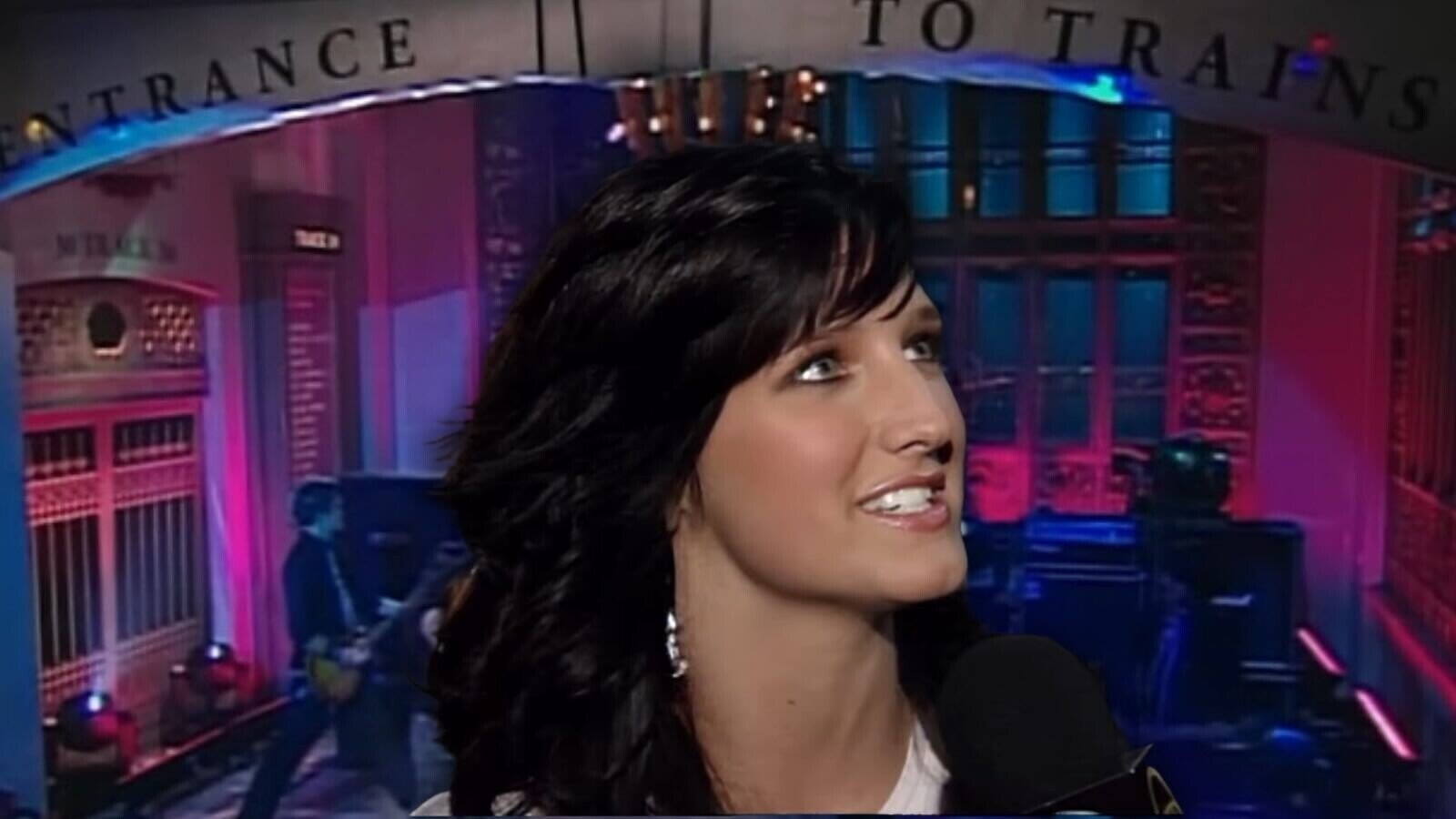
The October 23, 2004, episode of Saturday Night Live stands as one of the most infamous and widely discussed live television incidents of the modern era, triggered by a vocal backing track error during Ashlee Simpson’s second musical performance. Hosted by Jude Law, the late-night sketch comedy program became the unexpected stage for a watershed moment in pop music scrutiny, shifting public conversations about live performance authenticity, media training, and the rapid spread of viral moments just before the mainstream social media explosion.
Context and Rise of Ashlee Simpson in 2004
To understand the weight of the Saturday Night Live incident, one must examine the meteoric and compressed trajectory of Ashlee Simpson’s career leading up to late 2004. As the younger sister of established pop star Jessica Simpson, Ashlee carved out a distinct artistic identity by pivoting away from conventional bubblegum pop toward a grungier, pop-rock aesthetic. Backed by MTV through her reality television series The Ashlee Simpson Show, she cultivated a dedicated, youthful fan base that followed her transition from television personality to recording artist.
Her debut studio album, Autobiography, released in July 2004 through Geffen Records, proved to be a massive commercial success. Propelled by the lead single "Pieces of Me," the album debuted at number one on the US Billboard 200 and quickly achieved multi-platinum status. This rapid ascent placed immense pressure on the young singer to deliver consistent live performances to validate her musical credibility against critics who frequently scrutinized the manufacturing process of modern pop music. Television appearances, particularly on high-profile platforms like Saturday Night Live, served as the ultimate proving ground for artists seeking to solidify their status as legitimate musicians rather than mere television creations.
The Incident: What Happened on October 23, 2004
The broadcast unfolded normally during the early segments of the show. Simpson’s first musical performance earlier in the evening—delivering her single "Pieces of Me"—proceeded without notable technical errors, though critics later noted standard vocal backing tracks common in contemporary television broadcasts. The complication arose during her second scheduled performance, where she intended to perform her follow-up single, "Autobiography."
As the band launched into the introduction of the second song, the audio system broadcasted the pre-recorded vocal track of "Pieces of Me" before Simpson ever brought the microphone to her mouth. The prerecorded vocals clearly projected the chorus of the previous song while Simpson stood holding her microphone at her side, executing a brief, impromptu jig before walking off the stage. The band stopped playing abruptly, leaving the Studio 8H audience and millions of home viewers in a state of sudden confusion.
| Performance Element | First Performance ("Pieces of Me") | Second Performance ("Autobiography" / Glitch) |
|---|---|---|
| Scheduled Song | "Pieces of Me" | "Autobiography" |
| Audio Status | Standard broadcast execution | Pre-recorded vocal track triggered prematurely |
| Artist Action | Completed standard live-band set | Executed impromptu dance, then exited stage |
| Immediate Result | Standard commercial transition | Abrupt music stoppage and premature fade to commercial |
Immediate Aftermath and the Explanation
The abrupt truncation of the segment created an immediate scramble behind the scenes at Saturday Night Live. Live television leaves no room for hesitation, and the production team quickly moved to commercial break, leaving the audience to ponder the bizarre sequence of events.
During the closing moments of the episode, host Jude Law stood alongside the cast members to say goodnight, accompanied by Ashlee Simpson. Instead of participating in the traditional wave, Simpson took the opportunity to offer a direct explanation to the television audience. She attributed the mishap to her live band, explaining that they had played the wrong song, which forced the automated system to trigger her vocal track. She stated that because her band started playing the wrong track, she panicked and did not know what to do.
While intended to clear up the confusion, the explanation introduced a new layer of controversy. By placing responsibility squarely on her backing musicians, Simpson deflected accountability away from the standard industry practice of utilizing vocal tracks during demanding television broadcasts. Musicians and industry insiders quickly pointed out that the use of backing tracks is a common logistical necessity for television audio engineers managing complex live mixes in tight timeframes, making her deflection a subject of intense debate across music journalism outlets.
Cultural Fallout and Impact on the Artist's Career
The fallout from the Saturday Night Live appearance was swift, intense, and amplified by the emerging landscape of internet forums, early blogging platforms, and entertainment news cycles. The clip was rapidly shared, dissected, and parodied, transforming into one of the earliest viral media sensations of the digital age.
For Simpson, the incident marked a significant turning point in public perception. Critics and skeptics used the moment to question her authenticity as a live performer, overshadowing the commercial success of Autobiography. Despite the severe public relations challenge, Simpson attempted to regain momentum quickly. She returned to the public eye shortly after at the Radio Music Awards, where she addressed the audience candidly, attempting to laugh off the incident and move forward with her promotional schedule.
| Milestone / Event | Date | Significance |
|---|---|---|
| Autobiography Release | July 20, 2004 | Established her commercial peak and multi-platinum status. |
| Saturday Night Live Appearance | October 23, 2004 | The broadcast error that triggered intense media scrutiny. |
| Radio Music Awards | November 29, 2004 | First major public appearance following the SNL incident. |
| I Am Me Release | October 18, 2005 | Second studio album, debuting at number one despite skepticism. |
Industry Context: The Reality of Live Television Audio
Beyond the personal narrative of the artist, the incident shed light on the technical realities of music broadcasting on television programs like Saturday Night Live. Studio 8H presents unique acoustic and logistical challenges for audio engineers. Live bands must achieve a balanced mix in real-time under strict broadcast regulations, often requiring safeguards to ensure that pitch fluctuations or acoustic bleed do not compromise the final television broadcast.
Vocal backing tracks, guide tracks, and enhancement tracks have long been standard tools in television production. Artists frequently rely on these elements to protect against vocal strain, fatigue, or technical equipment failure during physically demanding choreography or high-pressure broadcasts. The Saturday Night Live incident forced a broader public conversation about the discrepancy between consumer expectations of raw, unadulterated live performance and the practical engineering requirements of modern televised music production.
Frequently Asked Questions
What song was Ashlee Simpson supposed to sing on SNL in 2004?
Ashlee Simpson was scheduled to perform her single "Autobiography" as her second musical number of the night. The error occurred when the audio control system played the pre-recorded vocal track for her previous song, "Pieces of Me," instead.
Did Ashlee Simpson admit to lip-syncing?
Simpson did not explicitly use the term lip-syncing in her post-incident explanations. She stated that her band started playing the wrong song, which caused the pre-recorded vocal track to trigger while she was holding her microphone at her side.
How did the band react to being blamed?
Members of Simpson’s backing band expressed frustration privately and publicly regarding the blame placed upon them during the sign-off, as standard television mixing protocols often involve pre-programmed tracks managed by the broadcast's audio engineers rather than the touring musicians alone.
What was the long-term impact on Ashlee Simpson's career?
While the incident became a pop culture touchstone and heavily impacted her public image at the time, Simpson continued to release music, including her second studio album Autobiography follow-up, I Am Me, which debuted at number one on the Billboard 200 in 2005.
Are vocal backing tracks common on Saturday Night Live?
Yes, vocal backing tracks and reinforcement tracks are widely utilized by musical guests on Saturday Night Live and similar live television programs to ensure broadcast audio quality under tight studio constraints.
Next Actions and Further Exploration
For researchers, music historians, and media analysts examining the intersection of television production and pop culture history, studying the 2004 incident provides valuable insight into the evolution of media consumption before the widespread adoption of modern social media sharing platforms. To explore this topic further, review contemporaneous entertainment journalism archives, broadcast engineering analyses of Studio 8H audio setups, and retrospective analyses of early 2000s pop culture milestones.