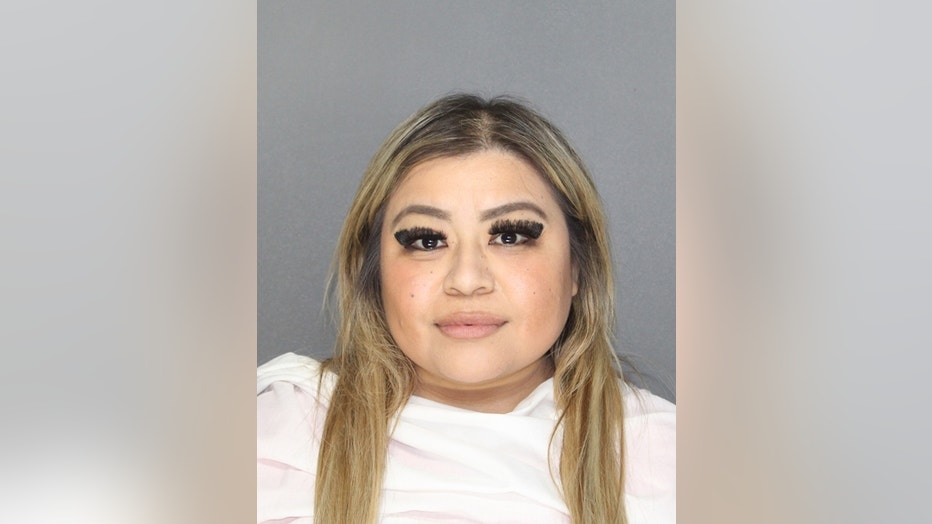
Ash Trevino, a social media personality known for her presence on platforms like TikTok, was arrested in early 2024 in Tarrant County, Texas. She was charged with "Injury to a Child/Elderly/Disabled Individual with Intent to Cause Bodily Injury," a third-degree felony under Texas law, following public concern over the treatment of her child.
The arrest of Ash Trevino (legally known as Ashley Trevino) became a significant flashpoint in the ongoing debate regarding social media influencer accountability and child safety in the digital age. Unlike many influencer controversies that remain confined to internet discourse, Trevino’s situation escalated into a formal criminal investigation involving law enforcement and state child protective services. As we look at the status of this case from the perspective of 2026, it remains a foundational example of how digital evidence can lead to real-world legal consequences for content creators.
The Background of Ash Trevino and Her Social Media Presence
Before the legal complications arose, Ash Trevino had cultivated a following primarily on TikTok and Instagram. Her content was typical of the "momavlog" or lifestyle niche, where creators share the daily routines, challenges, and milestones of parenting. In this digital ecosystem, transparency is often rewarded with high engagement, but it also opens the door to intense public scrutiny.
Trevino’s content frequently featured her children, a practice often referred to as "sharenting." While many creators successfully navigate this space, Trevino began to face criticism from viewers who expressed concern over her parenting methods and the emotional well-being of her children as depicted in her videos. These concerns reached a tipping point in late 2023 and early 2024, as specific clips began to circulate within "drama channels" and child advocacy circles on social media.
The 2024 Arrest: Timeline and Specifics
The formal legal actions against Trevino began in February 2024. The arrest was not a sudden event but the result of an accumulation of reports made to the Tarrant County Sheriff's Office and the Texas Department of Family and Protective Services (DFPS).
The Booking Process
On February 14, 2024, Ashley Trevino was booked into the Tarrant County Jail. Public records indicated that the arrest was handled by local authorities following an investigation into allegations of physical harm or the threat of physical harm toward a minor under her care. The initial bond was set at a relatively low amount (approximately $2,500), which is common for individuals without a significant prior violent criminal history, though it did not diminish the severity of the charges.
Public Reaction and Viral Evidence
What made the Trevino case unique was the role of "digital witnesses." Users across TikTok and X (formerly Twitter) began archiving and sharing videos that they believed showed evidence of abuse or neglect. This crowdsourced evidence was frequently cited by the public as the catalyst for the police intervention. While law enforcement typically relies on direct evidence and witness statements, the viral nature of the content ensured that the case received immediate and high-level attention from child welfare investigators.
Detailed Analysis of the Charges: Texas Penal Code Section 22.04
To understand the gravity of the "Ash Trevino arrested" headlines, one must look at the specific statute cited in the Tarrant County records. Trevino was charged under Texas Penal Code Section 22.04, which covers "Injury to a Child, Elderly Individual, or Disabled Individual."
Classification of the Offense
In Texas, an "injury to a child" charge can vary significantly in severity based on the intent of the actor and the level of injury sustained by the victim.
| Degree of Offense | Criteria under Texas Law | Potential Penalties |
|---|---|---|
| First-Degree Felony | Intentionally or knowingly causing serious bodily injury or serious mental deficiency. | 5 to 99 years or life in prison; up to $10,000 fine. |
| Second-Degree Felony | Recklessly causing serious bodily injury or serious mental deficiency. | 2 to 20 years in prison; up to $10,000 fine. |
| Third-Degree Felony | Intentionally or knowingly causing bodily injury (standard). | 2 to 10 years in prison; up to $10,000 fine. |
| State Jail Felony | Recklessly causing bodily injury or acting with criminal negligence. | 180 days to 2 years in a state jail; up to $10,000 fine. |
In Trevino’s case, the charge was classified as a Third-Degree Felony. This indicates that the prosecution believed there was sufficient evidence to prove she "intentionally or knowingly" caused bodily injury, but the injury did not meet the legal threshold for "serious bodily injury" (which usually involves a substantial risk of death or permanent disfigurement).
Defining "Bodily Injury"
Under Texas law, "bodily injury" is defined broadly as physical pain, illness, or any impairment of physical condition. This means that a defendant can be charged even if there are no visible marks or permanent scars, provided it can be proven that the victim experienced physical pain due to the defendant's intentional actions.
The Role of Child Protective Services (CPS)
Parallel to the criminal charges, the Texas Department of Family and Protective Services (DFPS) typically initiates an administrative investigation whenever a parent is arrested for injury to a child. In cases like Trevino’s, the primary goal of the state is to ensure the immediate safety of the minors involved.
Removal and Placement
When an arrest occurs, CPS often seeks temporary managing conservatorship of the children. This may involve placing the children with a verified relative (kinship care) or, if no suitable relative is available, placing them in the foster care system. Throughout 2024 and 2025, the status of Trevino’s children remained a private matter handled by the family courts, as is standard to protect the privacy of minors.
Requirements for Reintegration
For a parent facing these charges to regain custody, they are typically required to complete a "Service Plan." This often includes:
- Parenting classes specifically focused on non-physical discipline.
- Psychological evaluations and ongoing therapy.
- Supervised visitation periods.
- Stable housing and employment verification.
The Impact on Social Media Influencer Culture
The Ash Trevino case serves as a cautionary tale for the "sharenting" community. It highlighted the thin line between documenting family life and exploiting or endangering children for content.
Ethical Implications of Child Content
The arrest sparked a broader conversation about the ethics of using children as the primary subjects of monetized content. Critics argue that children cannot consent to having their most vulnerable moments—including discipline or distress—broadcast to millions. In the years following Trevino's arrest, there has been an increased push for legislation (similar to "Coogan Laws" for child actors) to protect the earnings and privacy of "kidfluencers."
The Responsibility of Platforms
Platforms like TikTok and Instagram faced criticism for not intervening sooner. While community guidelines prohibit child endangerment, the nuanced nature of "parental discipline" videos often makes automated moderation difficult. The Trevino case forced platforms to refine their reporting mechanisms for child safety, particularly concerning creators who appear to be using physical force or emotional manipulation on camera.
Legal Proceedings and Long-Term Outlook
As of 2026, the legal system has processed many of the initial filings related to the 2024 arrest. Legal proceedings for third-degree felonies in Texas can take several years to reach a final disposition, involving multiple pre-trial hearings, discovery phases (where the defense examines the evidence held by the state), and potential plea negotiations.
Possible Outcomes
- Plea Bargain: Many cases of this nature result in a plea bargain where the defendant pleads guilty to a lesser charge (such as a State Jail Felony) in exchange for deferred adjudication or community supervision (probation).
- Trial: If a defendant maintains their innocence or the state refuses to offer a favorable plea, the case goes to a jury trial. The prosecution would need to present the viral videos and medical testimonies to prove "intentional" harm beyond a reasonable doubt.
- Dismissal: While less common after a formal indictment, charges can be dismissed if evidence is found to be insufficient or if key witnesses become unavailable.
Navigating Public Records for Case Updates
For those seeking the most current status of the Ash Trevino case in 2026, official government portals are the only reliable source of information. Avoid "gossip" websites or unverified social media accounts, which often conflate different cases or provide outdated information.
- Tarrant County District Clerk: The official repository for felony case records in Tarrant County. Most records are accessible through their online "Public Access" portal.
- Tarrant County Sheriff's Office: Provides current inmate status, though Trevino was released on bond shortly after her initial arrest.
- Texas Department of Public Safety (DPS): Maintains the criminal history records for the state of Texas.
Frequently Asked Questions
What was the specific reason Ash Trevino was arrested?
Ash Trevino was arrested based on allegations that she intentionally caused bodily injury to a child. These allegations were supported by social media videos and subsequent investigations by Tarrant County law enforcement and child welfare services.
Is Ash Trevino still on social media?
Following the arrest in 2024, Trevino’s social media presence fluctuated. Many influencers facing serious criminal charges either deactivate their accounts or shift to private settings to avoid "evidence-gathering" by the public and to comply with legal advice from their attorneys.
What is a Third-Degree Felony in Texas?
A third-degree felony is a serious criminal classification in Texas, situated between a state jail felony and a second-degree felony. It carries a potential prison sentence of 2 to 10 years. It is frequently used for crimes involving non-permanent physical injury or specific types of theft and fraud.
Can she still see her children?
The ability of a parent to see their children following an arrest for injury to a child is determined by a family court judge. Typically, if contact is allowed, it is strictly supervised by a court-approved third party or a social worker to ensure the children's safety.
How did the public find out about the arrest?
The arrest became public knowledge through the Tarrant County jail's public booking logs. Internet sleuths who had been tracking Trevino’s content monitored these logs and shared the booking photo and charge details across platforms like Reddit and TikTok.
Practical Recommendations for Following Such Cases
When following high-profile legal cases involving influencers, it is essential to prioritize factual data over social media speculation.
- Verify via Official Portals: Always check the Tarrant County District Clerk for actual court filings rather than relying on a 60-second video summary.
- Understand Legal Terminology: Terms like "indictment," "deferred adjudication," and "bond" have specific legal meanings that differ from common usage.
- Respect Privacy of Minors: Regardless of the parents' public status, the minors involved in these cases have a right to privacy. Avoid searching for or sharing unblurred images or personal details of the children.
- Report Concerns Properly: If you witness potential child endangerment online, the appropriate action is to contact the National Center for Missing & Exploited Children (NCMEC) or the relevant state's child abuse hotline rather than simply "calling out" the creator in the comments.
The Ash Trevino case remains a landmark in the intersection of digital media and criminal law, reminding creators that the "private" moments they share for views are subject to the same laws and standards as any other household.