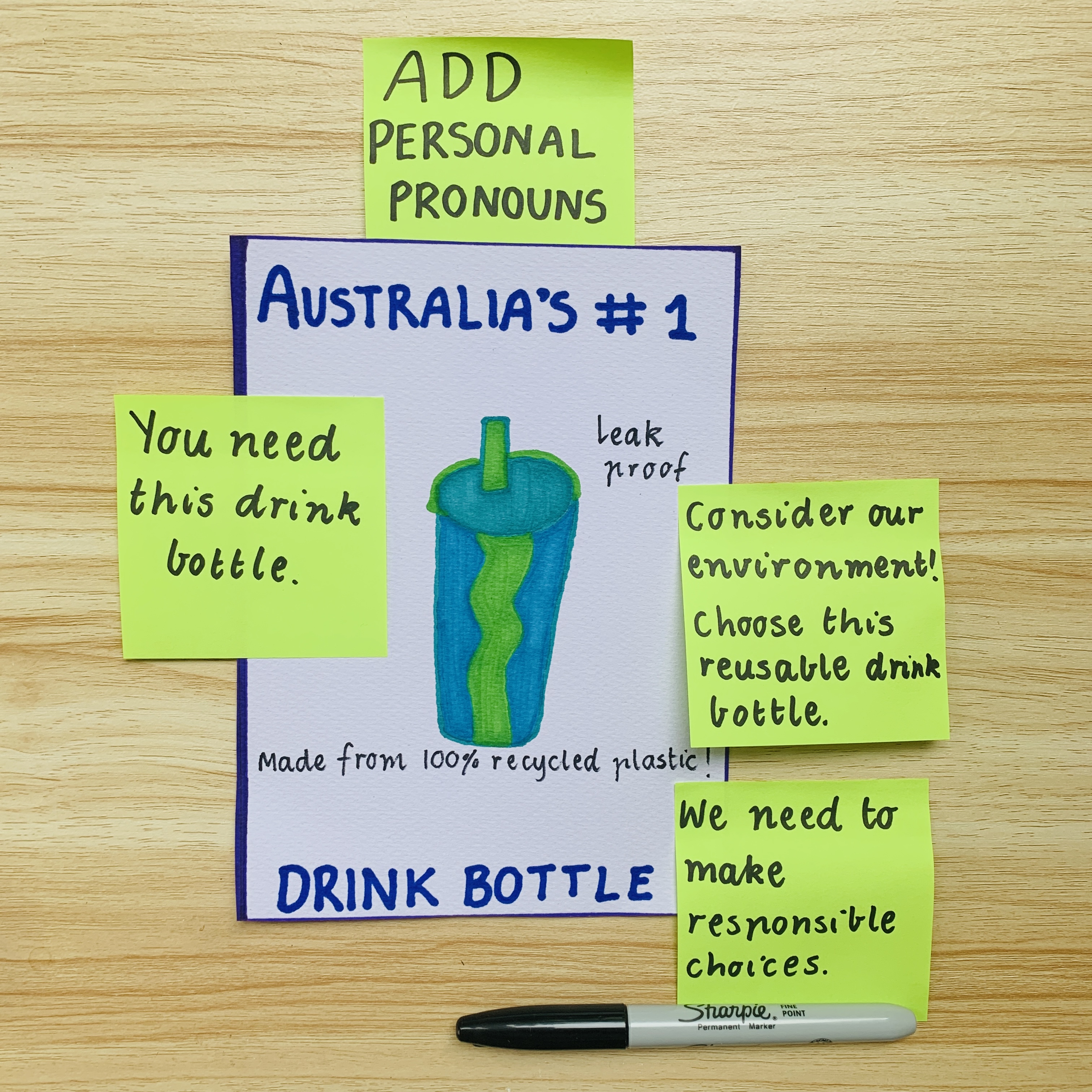
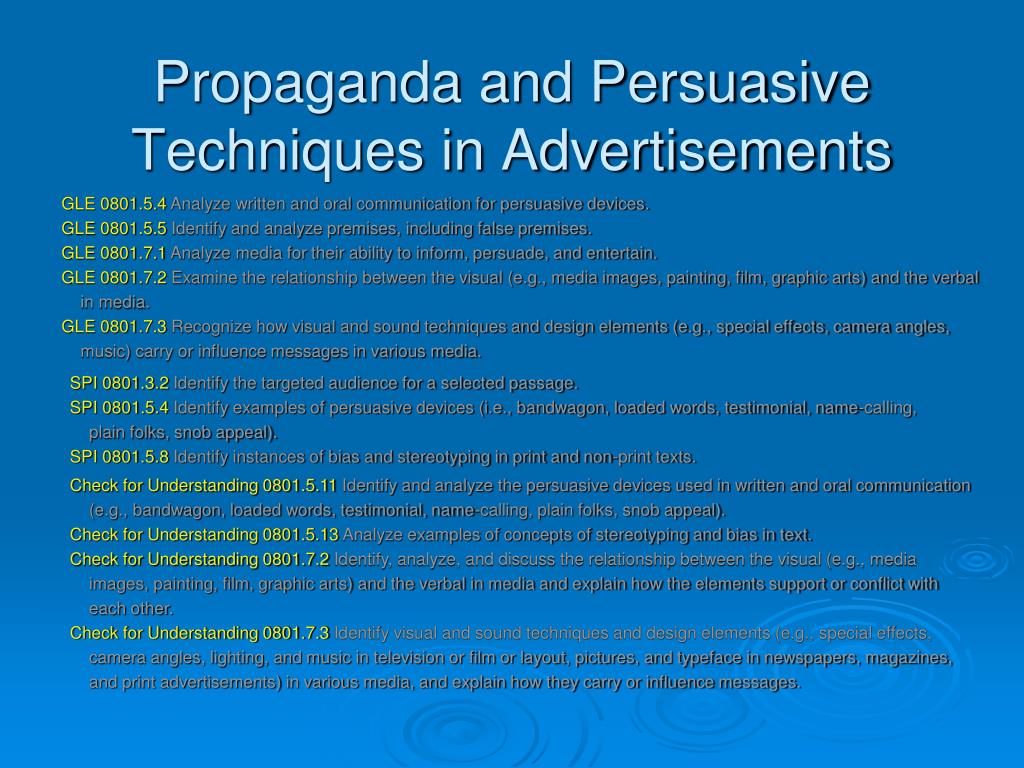
Argumentative advertisements are strategic promotional messages designed to persuade consumers by explicitly presenting claims, counter-arguments, and logical reasoning rather than relying solely on emotional appeals or lifestyle imagery. By directly addressing consumer skepticism, contrasting product attributes with competitors, and providing verifiable justifications, these campaigns seek to alter deeply held beliefs and drive deliberate purchasing decisions.
Defining Argumentative Advertisements
At its core, an argumentative advertisement functions similarly to a formal debate or a persuasive essay, translated into a commercial format. While traditional advertising often utilizes associative branding—linking a product with a feeling, a status symbol, or an aspirational lifestyle—argumentative advertising relies on propositional statements. It states a clear premise, provides evidence or supporting logic, anticipates counter-arguments, and draws a definitive conclusion urging the consumer to take action.
This approach acknowledges that modern consumers are increasingly skeptical of promotional claims. Instead of asking an audience to trust a brand blindly, argumentative campaigns lay out a structured case. For example, rather than simply stating that a software platform is "fast," an argumentative ad might assert that the software reduces processing time by 40% due to a patented caching architecture, then contrast this directly with legacy systems to prove its superiority.
The Structural Anatomy of a Commercial Argument
To achieve its persuasive goals, an argumentative advertisement typically contains distinct structural components:
- The Proposition (Claim): The central thesis of the advertisement, which often challenges a status quo or asserts a unique competitive advantage.
- The Evidence (Data): Supporting facts, statistics, research findings, or demonstrations that substantiate the primary claim.
- The Warrant: The underlying logic or bridge that connects the evidence to the claim, explaining why the data proves the proposition.
- The Refutation: A direct or implied addressing of counter-arguments, neutralizing potential consumer objections before they form.
The Psychology of Persuasion: Logic versus Emotion
The effectiveness of argumentative advertisements stems from how they engage consumer cognition. While the dual-process theory of psychology suggests that humans process information through both central (logical, analytical) and peripheral (emotional, heuristic) routes, argumentative ads heavily target the central route.
When consumers encounter a well-structured argumentative ad, they are forced to process information actively rather than passively absorbing images and sounds. This cognitive engagement can lead to higher brand recall and stronger attitude persistence over time. However, this strategy also carries risks. If the argument is weak, overly complex, or easily disproven, critical consumers will actively reject the message.
Cognitive Mechanisms at Play
- Elaboration Likelihood: High-involvement products (such as enterprise software, financial services, or automobiles) benefit greatly from argumentative approaches because consumers naturally spend more time evaluating them.
- Inoculation Theory: By preemptively addressing counter-arguments within the ad, brands can "inoculate" consumers against competitor claims or lingering doubts, making them more resistant to counter-persuasion later.
- Source Credibility: Arguments require backing. The perceived authority and trustworthiness of the advertiser heavily influence whether the logical appeals are accepted as valid.
Comparison of Advertising Strategies
To understand where argumentative advertisements fit into the broader marketing ecosystem, it helps to compare them directly with other primary persuasive formats.
| Advertising Strategy | Primary Mechanism | Target Consumer Processing | Typical Application | Common Pitfall |
|---|---|---|---|---|
| Argumentative Advertising | Logical claims, evidence, and direct refutations | Central route (analytical, high elaboration) | B2B solutions, high-ticket items, disruptive tech | Overcomplicating the message; alienating casual viewers |
| Emotional/Lifestyle Advertising | Associative imagery, music, and emotional resonance | Peripheral route (heuristic, low elaboration) | Fashion, luxury goods, beverages, soft consumer goods | Lack of differentiation; easily forgotten without emotional hook |
| Comparative Advertising | Direct head-to-head feature or performance comparison | Mixed (analytical verification combined with competitive framing) | Telecommunications, automotive, consumer electronics | Legal challenges, consumer cynicism, tit-for-tat retaliation |
| Informative Advertising | Clear exposition of features, pricing, and availability | Mixed (fact-seeking and practical evaluation) | Utility services, public notices, new product launches | Dry delivery; fails to motivate action or urgency |
Strategic Applications by Industry
Not all market segments are equally suited for argumentative frameworks. The applicability of an argumentative approach depends heavily on purchase complexity, financial risk, and the presence of entrenched competitors.
B2B Technology and Enterprise Solutions
In the business-to-business sector, purchasing decisions are rarely made on emotion alone. Stakeholders demand return-on-investment calculations, security compliance audits, and architectural comparisons. Argumentative advertisements in this space frequently contrast a modern cloud infrastructure against legacy data centers, using hard metrics to dismantle the status quo and justify migration costs.
Regulated Financial Services and Insurance
Financial products—such as mortgages, investment portfolios, and comprehensive insurance policies—involve high stakes and complex terms. Argumentative ads here often focus on fee structures, historical performance transparency, or coverage gaps in competitor policies. By logically demonstrating how a transparent fee model saves money over a 20-year horizon, advertisers build trust through rigorous reasoning.
Disrupter Brands and Challenger Markets
When a new market entrant challenges an established monopoly or duopoly, subtle branding is rarely sufficient. Challenger brands frequently use argumentative advertisements to expose industry-wide flaws in incumbent offerings—such as hidden fees, poor customer service records, or outdated technology—and position their own alternative as the logical evolution.
Common Challenges and Operational Limitations
While argumentative advertisements can yield high conversion rates among analytical buyers, they present distinct operational hurdles that marketing teams must navigate carefully.
Consumer Fatigue and Cognitive Load
Unlike a visually striking lifestyle ad that can be absorbed in two seconds, an argumentative ad demands mental effort. If the script or visual layout is overly dense, consumers may tune out entirely. Balancing rigorous logic with accessible pacing is one of the greatest challenges for creative directors in this space.
Legal and Regulatory Scrutiny
Because argumentative ads rely heavily on explicit claims, statistics, and competitor comparisons, they are subject to rigorous regulatory oversight by bodies such as the Federal Trade Commission (FTC) in the United States and equivalent international authorities. Every comparative claim must be substantiated by reliable empirical evidence. Failing to substantiate a logical premise can lead to costly false advertising lawsuits, cease-and-desist orders, and severe brand damage.
Counter-Retaliation from Competitors
Naming or directly targeting competitors within an argumentative framework often invites public rebuttals. Brands must be prepared for swift competitive responses, which can escalate into public marketing skirmishes that shift consumer attention away from product benefits and toward industry drama.
Best Practices for Crafting Effective Argumentative Campaigns
Designing an argumentative advertisement requires close collaboration between copywriters, data analysts, and legal compliance teams. Adhering to structured best practices ensures the message remains persuasive, compliant, and engaging.
- Anchor Claims in Verifiable Data: Never state a logical proposition without readily available proof. Ensure that all statistics, research citations, and performance benchmarks can be audited if challenged.
- Keep the Central Premise Simple: Even complex arguments must be anchored to a single, easily digestible core takeaway. Do not crowd a 30-second spot or a single banner ad with multiple competing arguments.
- Respect the Audience's Intelligence: Avoid condescending tone or exaggerated superlatives. Treat the consumer as an intelligent decision-maker who values transparency and logical consistency.
- Preempt Major Objections: Identify the primary reason a consumer might hesitate to buy, and address it directly within the argument structure. Neutralizing doubt builds immediate credibility.
- Test for Comprehension: Before launching a major campaign, conduct audience testing to ensure that the logical bridge between evidence and claim is clear to demographic groups outside the internal marketing team.
Frequently Asked Questions
What is the main difference between argumentative advertisements and comparative advertisements?
While both rely on logic and direct claims, argumentative advertisements focus broadly on proving a propositional thesis (e.g., why a specific methodology is superior), whereas comparative advertisements specifically pit one brand directly against a named competitor to highlight feature or price advantages.
Are argumentative ads suitable for social media marketing?
Yes, provided they are adapted to the platform's format. On platforms like LinkedIn or YouTube, longer-form argumentative content performs well because users are already in an informational mindset. On fast-scrolling platforms like TikTok or Instagram, arguments must be condensed into sharp, punchy visual hooks backed by quick data points.
How do regulatory bodies verify claims made in argumentative ads?
Regulatory agencies require advertisers to hold competent and reliable scientific or commercial substantiation prior to making public claims. If a competitor or consumer files a complaint, the advertiser must provide documentation supporting every explicit and implicit claim made in the advertisement.
Can emotional appeals be used within an argumentative advertisement?
Yes. Logic and emotion are not mutually exclusive. High-performing argumentative ads often use emotional hooks—such as frustration with current industry practices—to capture attention, followed immediately by logical arguments and evidence to drive the conversion decision.
Why might an argumentative advertisement backfire?
An argumentative ad can backfire if the supporting evidence is perceived as biased, if the tone is overly aggressive or arrogant, or if the target audience feels patronized by the logical framing. Consumer cynicism can quickly turn skepticism into active brand rejection.
Conclusion and Next Actions
Argumentative advertisements offer a powerful method for cutting through market noise, educating skeptical buyers, and establishing distinct competitive differentiation. To implement this strategy effectively, audit your current marketing collateral to identify claims that lack empirical backing, gather verifiable data from reliable sources, and restructure your messaging around clear, defensible propositions that respect your audience's intelligence and analytical capabilities.