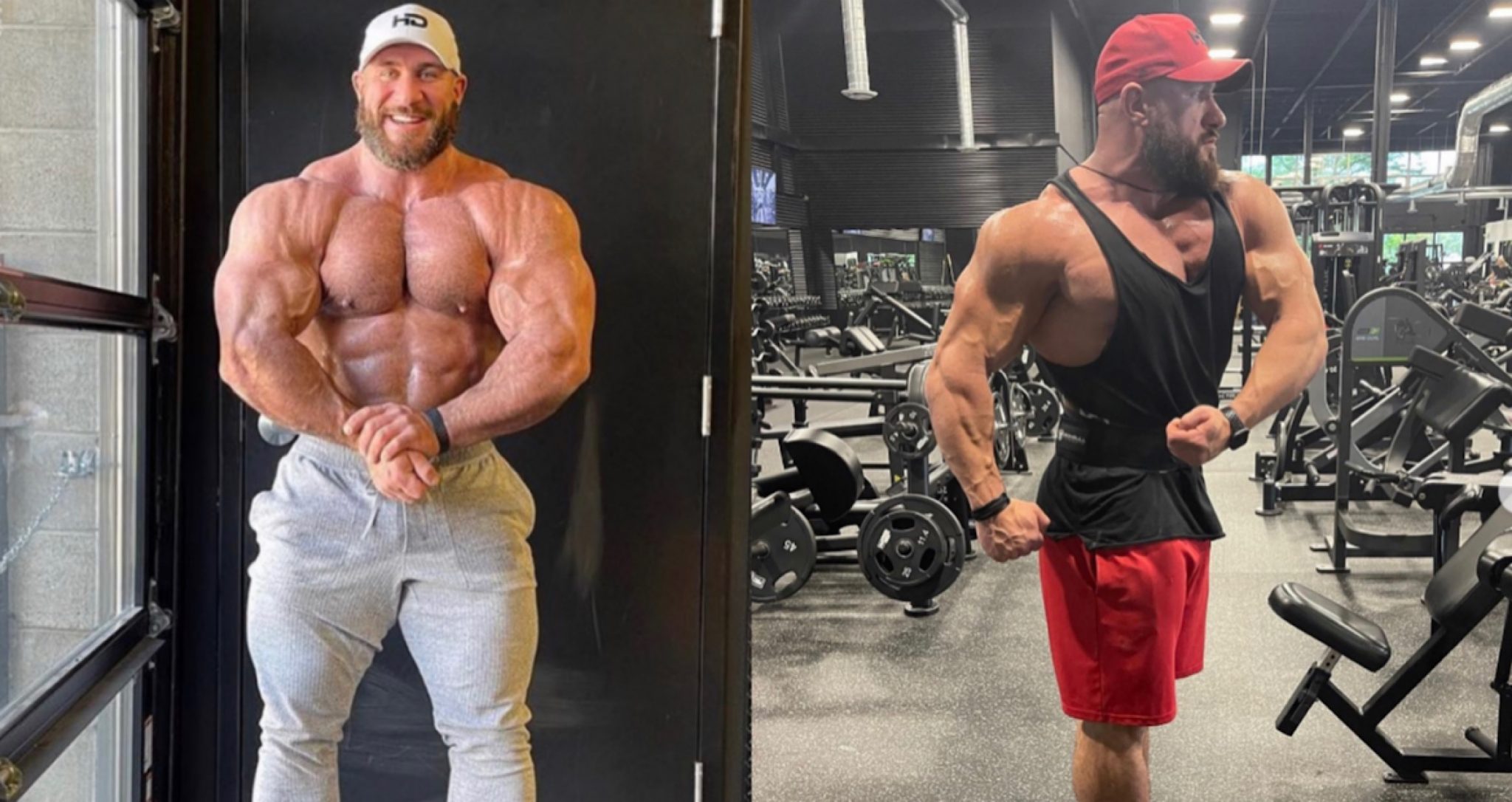
Antoine Vaillant’s net worth is estimated between $500,000 and $1.5 million. Unlike mainstream professional athletes with guaranteed contract salaries, an IFBB Pro bodybuilder's financial standing depends on a diversified portfolio of supplement sponsorships, digital content monetization, online coaching, personal apparel lines, and contest prize money, offset by substantial operational and medical expenses.
The Reality of IFBB Pro Net Worth Estimates
Public financial estimates for professional bodybuilders are frequently skewed by clickbait aggregator sites that treat gross sponsor contracts as liquid net worth. Evaluating Antoine Vaillant's net worth requires examining the unique financial ecosystem of professional bodybuilding, where top-tier athletes operate more like independent small business entities than traditional salaried sports professionals.
Vaillant, a Canadian IFBB Pro Open Bodybuilder, has built a recognizable personal brand within fitness culture. Beyond his achievements on stage—including winning the 2020 California Pro and competing at the Mr. Olympia—his long-term financial stability stems from his transparency, personal storytelling, and brand longevity rather than contest winnings alone.
- Gross Revenue Streams
- Supplement Deals
- Social/YouTube
- Coaching
- Prize Winnings
- Operational Expenses
- Nutritional Requirements
- PED/Anabolic Regimens
- Medical Care
- Travel/Logistics
- Coaching/Prep Fees
- Taxes
- Actual Net Wealth
- Estimated: $500,000 - $1.5 Million
Understanding Vaillant’s financial picture requires analyzing both sides of the balance sheet: his multi-channel income streams and the steep costs required to maintain an elite Open Division physique.
Key Revenue Streams in Antoine Vaillant’s Portfolio
Professional bodybuilders outside the top five of the Mr. Olympia contest rarely rely on contest earnings as their main source of income. Vaillant’s business model leverages multiple revenue streams developed over more than a decade in the public eye.
Estimated Revenue Breakdown:
- Supplement & Brand Sponsorships (~40-50%)
- Content Creation & Social Media (~25-35%)
- Personal Training & Coaching (~15-20%)
- Contest Prize Winnings (~5-10%)
1. Supplement & Brand Sponsorships
For an IFBB Pro athlete, title sponsorships serve as the primary foundational retainer. Throughout his career, Vaillant has partnered with major industry brands, including Universal Nutrition (Animal) in his earlier years and later HD Muscle.
- Retainer Structures: Primary supplement sponsorships for high-profile IFBB Pros typically range from $2,000 to $10,000 per month depending on audience reach, athlete engagement, and contract terms.
- Affiliate & Royalty Commissions: Modern sponsorship contracts heavily feature affiliate commission structures. Athletes receive custom discount codes, earning between 10% and 20% on sales generated directly through their tracking links.
- Apparel Partnerships: Co-branded clothing drops and gym wear sponsorships provide secondary monthly retainers or revenue-share models based on volume.
2. Social Media Monetization & Content Creation
Vaillant was an early adopter of vlog-style bodybuilding content, cultivating a loyal fanbase through authentic updates covering training, diet, mental health, and addiction recovery.
- YouTube AdSense: With hundreds of thousands of subscribers and a deep archive of videos, YouTube provides consistent monthly ad revenue. High-CPM niches like fitness and supplement lifestyle content often earn between $3 and $8 per 1,000 views.
- Sponsored Posts: Brand integrations across Instagram and YouTube generate supplemental campaign fees outside of exclusive supplement contracts.
- Platform Diversification: Audience engagement across platforms like Instagram, TikTok, and podcast appearances amplifies his reach, driving traffic directly to sponsored products and personal business endeavors.
3. Online Coaching and Personal Fitness Services
Direct-to-consumer services offer bodybuilders higher profit margins with minimal overhead expenses.
- Custom Training & Diet Programs: Leveraging IFBB Pro credentials, high-level athletes command premium fees for online coaching, customized meal plans, and contest preparation guidance. Rates often range from $200 to $500 per month per client.
- Digital Products: E-books, training templates, and subscription-based workout apps generate passive revenue streams that require initial development but minimal ongoing overhead.
4. Contest Prize Money
Contest prize money is a volatile and secondary revenue source for most elite bodybuilders.
- Regional IFBB Shows: Winning a standard IFBB Pro League show typically carries a top prize ranging from $2,000 to $10,000.
- Tier-1 Competitions: Major shows like the Arnold Classic and Mr. Olympia award higher purses, but qualification costs, travel, and contest prep frequently absorb a large percentage of those earnings.
The High Cost of Open Division Bodybuilding
To understand net worth accurately, gross earnings must be balanced against the significant overhead costs inherent to competing in the Men's Open Bodybuilding division.
Major Cost Centers for an Open IFBB Pro:
- Nutritional Budget (Massive Caloric & Protein Needs)
- Medical Supervision, Diagnostics & Therapy
- Gear, Performance Protocol & Specialized Supplements
- Elite Prep Coaching & Contest Travel Logistics
Food and High-Calorie Nutrition
Maintaining a offseason body weight often exceeding 260 to 280 pounds requires immense caloric consumption. High-quality protein sources—such as lean beef, chicken breast, salmon, eggs, and specialized carbohydrate sources—can demand an monthly food budget of $1,200 to $2,500.
Medical Supervision and Diagnostics
Elite modern bodybuilders invest heavily in health monitoring to sustain career longevity and manage biological stress.
- Bloodwork & Lab Testing: Comprehensive blood panels, cardiovascular screenings, and organ function tests conducted multiple times per year can cost several thousand dollars annually.
- Physical Therapy & Chiropractic Care: Preventing injuries and maintaining muscle tissue mobility requires regular deep-tissue massage, active release therapy (ART), and sports medicine care.
Anabolic Compounds and Ancillaries
Competing at the international Open level involves protocols designed to maximize muscle hypertrophy and conditioning. The combined annual cost of performance-enhancing compounds, growth factors, thyroid support, and post-contest ancillaries routinely reaches $5,000 to $15,000 depending on protocol intensity and phase.
Prep Coaches and Travel Logistics
- Elite Coaching Fees: Top-tier contest prep coaches, responsible for fine-tuning diet, peak weeks, and posing, charge anywhere from $3,000 to $10,000 annually.
- Travel and Accommodation: Flying to international competitions, funding hotel stays for peak week, paying registration fees, and covering travel for handlers or spouses represent substantial out-of-pocket costs that are not always reimbursed by event promoters or sponsors.
Financial Matrix: Antoine Vaillant’s Economic Ecosystem
| Revenue / Expense Category | Estimated Annual Value / Range | Operational Context & Description |
|---|---|---|
| Primary Supplement Sponsor | $36,000 – $90,000+ | Annual retainer fees plus performance bonuses and royalties. |
| Affiliate & Commissions | $20,000 – $60,000 | Sales percentages derived from custom discount codes. |
| YouTube & Digital Media | $15,000 – $45,000 | AdSense monetization, sponsored integrations, and creator funds. |
| Coaching & Digital Goods | $30,000 – $75,000 | Direct-to-consumer online fitness coaching and downloadable guides. |
| Contest Winnings (Varies) | $0 – $20,000 | Placement bonuses from IFBB Pro shows (highly variable year-to-year). |
| Annual Groceries & Diet | ($14,000 – $25,000) | High-volume nutrition required for Open-class mass retention. |
| Medical, Labs & Therapy | ($5,000 – $12,000) | Health optimization, diagnostics, bloodwork, and physical treatment. |
| Prep & Protocol Expenses | ($8,000 – $20,000) | Coaching retainers, enhancement protocols, and contest ancillaries. |
Career Resilience and Its Impact on Brand Value
Antoine Vaillant’s career has been defined by notable resilience. His open discussions surrounding his struggles with drug addiction, relapses, and subsequent recovery milestones have forged a unique connection with his audience.
- Career Obstacles & Relapses
- Authentic Public Transparency
- Deep Audience Trust & Brand Loyalty
- Sustainable Long-Term Financial Value
From a financial perspective, this transparency fundamentally altered his value proposition as a sponsored athlete:
- Durable Audience Engagement: Rather than relying solely on contest placements to stay relevant, Vaillant created a deeply loyal community that values his personal growth and honesty.
- Long-Term Brand Equity: Fitness companies seek representatives who resonate authenticity with consumers. Vaillant’s ability to rebuild his career and physique multiple times established long-term brand equity that survives competitive breaks or injuries.
- Monetizable Advocacy: By sharing his recovery journey, he expanded his reach beyond traditional bodybuilding circles into broader mental health, wellness, and self-improvement demographics.
Comparative Context: How Bodybuilding Wealth Is Built
To properly contextualize Vaillant's net worth, it is useful to evaluate how financial success is structured across different tiers of professional bodybuilding.
- Level 1: Local / Regional Competitor
- Income: Minimal / Out-of-pocket net loss
- Primary Goal: Earn IFBB Pro Card
- Level 2: Standard IFBB Pro (Mid-Tier)
- Income: $30k - $70k gross (Coaching, small local sponsors)
- Primary Challenge: High overhead eats up cash flow
- Level 3: Popular Media Pro (Antoine Vaillant Tier)
- Income: $150k - $350k gross (Retainers, affiliate, YouTube, coaching)
- Financial Reality: Sustainable business model & wealth accumulation
- Level 4: Top 5 Mr. Olympia / Elite Champion
- Income: $500k - $2M+ gross (Mega-sponsorships, main prizes, owned brands)
- Financial Reality: Multi-million dollar wealth creation
- The Pure Competitor (Tier 2): Athletes who focus exclusively on winning shows without developing a personal media presence often struggle financially. Prize purses in standard shows rarely cover total annual contest preparation expenses.
- The Media-First Athlete (Tier 3 - Vaillant’s Category): Athletes who build robust content pipelines and authentic brand personalities create sustainable businesses. Their financial stability relies on audience trust rather than placement scores from panel judges.
- The Brand Owner (Tier 4): The highest net worth figures in bodybuilding belong to athletes who transition from sponsored ambassadors to equity owners in supplement companies, apparel lines, or gym chains (e.g., Jay Cutler, Ronnie Coleman, Rich Gaspari).
Practical Takeaways for Fitness Industry Professionals
For aspiring athletes, fitness coaches, and content creators, Antoine Vaillant’s career offers several practical lessons in business and financial longevity:
- Diversify Revenue Early: Never depend entirely on contest prize purses or a single sponsorship contract. Cultivate direct relationships with audiences through email lists, YouTube, and personal service platforms.
- Budget for Operational Realities: Account for high baseline overhead costs—including nutrition, health monitoring, and specialized coaching—when planning a career in competitive strength sports.
- Prioritize Personal Authenticity: Long-term audience engagement is built on relatable, honest storytelling. Transparent communication creates sustainable career value that withstands performance ups and downs.
Frequently Asked Questions
What is Antoine Vaillant's estimated net worth?
Antoine Vaillant's net worth is estimated between $500,000 and $1.5 million. This figure accounts for cumulative earnings from long-term supplement sponsorships, social media ad revenue, personal coaching services, and business ventures, minus operational costs.
Do IFBB Pro bodybuilders make a good salary?
IFBB Pros do not receive a standard salary from a governing league. Their income depends entirely on individual business deals, supplement sponsorships, digital content creation, coaching, and contest prize money. Top-tier, media-savvy athletes can earn six-figure annual incomes, while lesser-known pros often operate at a net financial loss.
How much money do bodybuilders win at competitions?
Prize money varies significantly by competition. Standard regional IFBB Pro shows typically pay between $2,000 and $10,000 for a first-place finish. In contrast, major flagship contests like the Mr. Olympia award top prizes ranging from $50,000 up to $400,000 for the Men's Open winner.
How does Antoine Vaillant make most of his money?
The primary driver of Vaillant's income is his personal brand marketing. This includes long-term retainers and affiliate sales commissions from supplement companies (such as HD Muscle), ad revenue from his YouTube channel, sponsored media posts, and customized online training and diet coaching.
What are the biggest expenses for an Open division bodybuilder?
The largest recurring expenses for Men's Open bodybuilders include massive high-protein food budgets ($1,000–$2,500+ monthly), specialized contest preparation coaching, medical and health diagnostic testing (bloodwork, imaging, therapy), performance regimens, and international travel logistics for competitions.