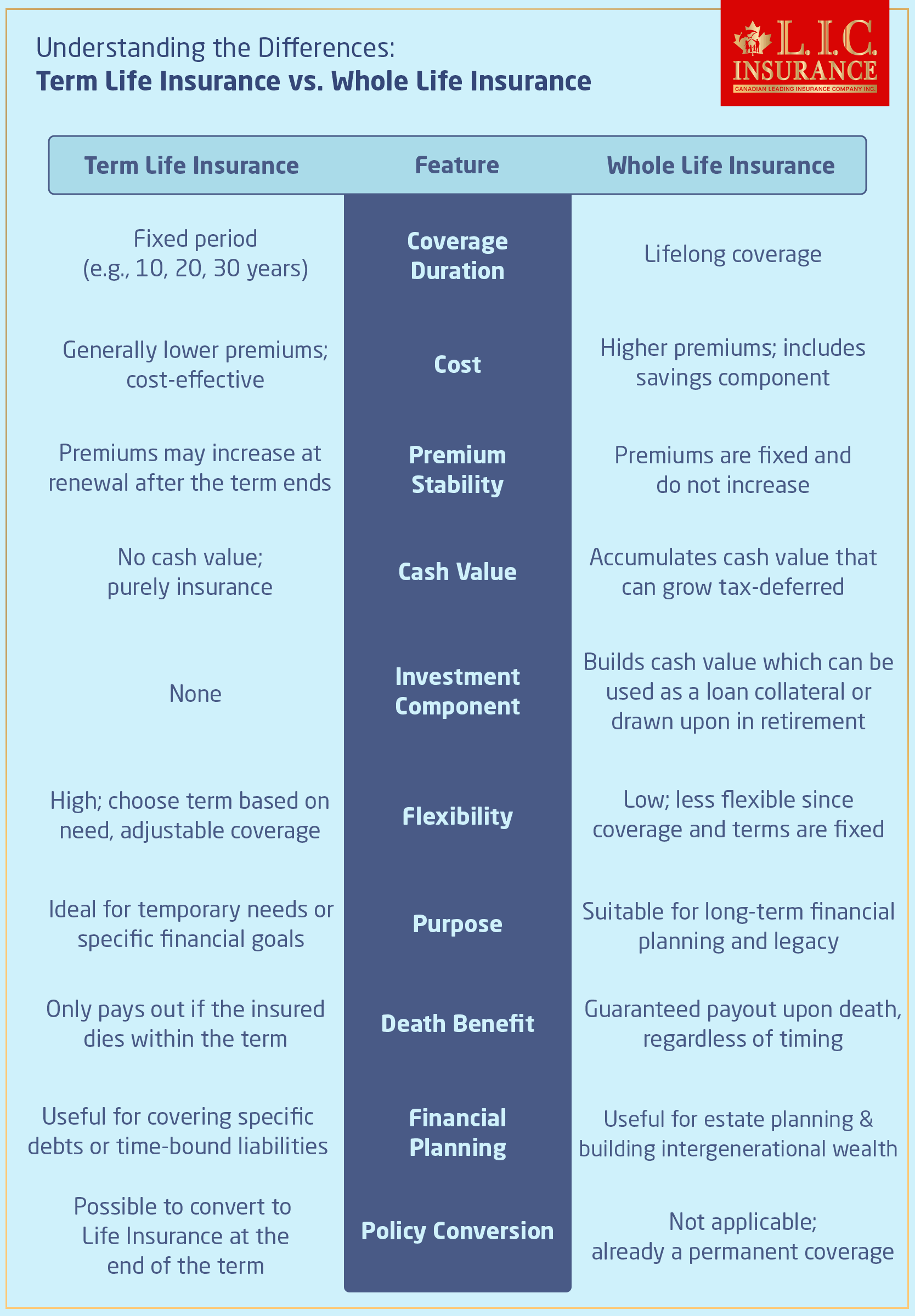
A whole life insurance policy is defined by three primary elements: a guaranteed death benefit, a fixed premium schedule, and a tax-advantaged cash value account. Unlike term insurance, which expires after a set period, whole life insurance provides permanent coverage that remains in effect for the policyholder's entire life, provided the required premiums are paid.
Defining Whole Life Insurance
Whole life insurance belongs to the category of permanent life insurance. It is designed to provide lifetime financial protection, serving both as an insurance product and a long-term financial asset. The primary purpose of such a policy is to ensure that a designated beneficiary receives a payout upon the death of the insured, while simultaneously building equity within the policy that the owner can access during their lifetime.
The "element" often referenced in general knowledge queries—such as those found on platforms like Answers.com—typically points to the cash value component, as this is the distinguishing factor that separates whole life from term life insurance. However, a functional policy is a composite of three inseparable pillars: the death benefit, the premium structure, and the cash value accumulation.
The Three Pillars of a Whole Life Policy
1. Guaranteed Death Benefit
The death benefit is the face amount of the policy—the sum of money paid to the beneficiary upon the death of the insured. In a whole life contract, this benefit is generally guaranteed, meaning it will not decrease over time, provided the policy remains in force. This provides the policyholder with the security of knowing that their dependents will receive a specific, predetermined amount regardless of economic conditions or the age of the insured at the time of death.
2. Fixed Premium Schedule
One of the most critical elements for long-term financial planning is the premium structure. Whole life insurance premiums are set at the time of purchase and are designed to remain level for the entire duration of the policy. Because insurance costs naturally rise as an individual ages, the insurance company collects "excess" premiums in the early years of the policy to offset the higher cost of mortality in later years. This leveling mechanism ensures that the policyholder does not face escalating costs as they approach retirement or old age, which is a common pain point with renewable term policies.
3. Cash Value Accumulation
The cash value is the equity component of a whole life insurance policy. A portion of each premium payment is directed into a cash value account, which grows according to a schedule set by the insurer. This growth is often tax-deferred, meaning the policyholder does not pay taxes on the interest or dividends earned while the money remains inside the policy. Over time, the cash value can become a significant financial resource that the policyholder can borrow against, use to pay premiums, or withdraw if the policy is surrendered.
Comparing Life Insurance Elements
To understand why these elements are so frequently discussed, it is helpful to contrast them with other types of coverage. The following table illustrates how the elements of a whole life policy function relative to common alternatives.
| Feature | Whole Life Insurance | Term Life Insurance | Universal Life Insurance |
|---|---|---|---|
| Duration | Lifetime | Fixed term (e.g., 20 years) | Lifetime (if funded) |
| Premiums | Fixed/Level | Increases upon renewal | Flexible |
| Cash Value | Yes, guaranteed | No | Yes, variable |
| Primary Goal | Permanent protection & savings | Temporary protection | Flexible protection |
The Role of Dividends in Participating Policies
Many whole life insurance policies are classified as "participating." This means the policyholder may receive dividends from the insurance company. While dividends are never guaranteed, in a mutual insurance company, they represent a return of surplus premium. Policyholders can choose to take these dividends as cash, use them to reduce their annual premiums, or—most commonly—reinvest them to increase the policy's death benefit or accelerate the growth of the cash value. This potential for growth adds a layer of financial utility that purely fixed-income vehicles cannot offer.
Accessing Cash Value: Loans and Withdrawals
One of the most common reasons individuals investigate the elements of whole life insurance is the utility of the cash value. Because the policy acts as a forced savings mechanism, policyholders often view it as a secondary reserve for emergencies or major expenses.
- Policy Loans: You can borrow against the cash value of your policy. These loans generally do not require a credit check, as the collateral is the policy itself. If the policyholder dies with an outstanding loan, the death benefit is reduced by the amount of the loan plus interest.
- Surrenders: If a policyholder chooses to cancel the policy, they are entitled to the net cash value. However, one must be aware of "surrender charges" that may apply in the early years of the policy, which can significantly reduce the amount received.
- Tax Implications: Withdrawals up to the "basis" (the total amount of premiums paid) are generally tax-free. Gains above the basis may be subject to income tax if the policy is surrendered.
Prerequisite Considerations for Policyholders
Before selecting or evaluating a whole life policy, it is essential to consider your specific financial objectives. Whole life insurance is often recommended for individuals seeking a permanent safety net, estate planning liquidity, or a conservative, tax-advantaged savings vehicle.
- Assess Long-Term Affordability: Because premiums are fixed and permanent, failing to pay them can lead to policy lapse. Ensure the premium fits within a 20-to-30-year budget model.
- Define the Purpose: Are you seeking life insurance to replace income, cover final expenses, or provide an inheritance? These goals influence the required death benefit amount.
- Evaluate Insurer Financial Strength: Because a whole life policy is a multi-decade contract, you must ensure the insurance company is financially robust. Review ratings from independent agencies such as AM Best, Fitch, or Standard & Poor’s to ensure the insurer has the long-term capital to pay future claims.
Common Misconceptions
A frequent confusion in public forums—often stemming from simplified advice on sites like Answers.com—is the belief that the cash value is an investment account similar to a brokerage account. While the cash value grows, it is not a volatile market investment. The growth is generally conservative, as the insurer must maintain the solvency of the policy to cover the death benefit. Viewing whole life insurance as a high-yield investment is a common error; it should be viewed as a stable, permanent financial product with an integrated savings component.
Troubleshooting Potential Issues
If you have inherited a policy or are looking to manage an existing one, you might encounter difficulties regarding the status of the policy.
- Missing Policy Documentation: If you cannot find the physical policy, contact the insurer's customer service department directly. You will need the Social Security number of the insured and their date of birth to initiate a search.
- Premium Payment Disruptions: If you find the premiums are becoming difficult to maintain, contact the insurer before the grace period ends. They may offer options to reduce the death benefit in exchange for lower premiums or suggest using the cash value to pay the premiums automatically.
- Unclaimed Benefits: If you suspect you are a beneficiary of a deceased person’s policy but lack documentation, state insurance departments often maintain "Life Insurance Policy Locator" services that can help bridge the gap between beneficiaries and dormant policies.
Expert Guidance on Policy Maintenance
The most effective way to utilize a whole life insurance policy is to review it annually. Even though the terms are fixed, your life circumstances change. A marriage, the birth of a child, or a change in estate planning requirements may necessitate a beneficiary update or a adjustment in how dividends are utilized. Furthermore, if you are looking to take a loan against your policy, consult with a financial advisor to understand how that loan affects the long-term performance of the cash value and the eventual death benefit payout.
For those who are currently deciding whether whole life insurance is the right tool for their portfolio, the recommendation is to prioritize a clear understanding of the "guarantees." The primary value of this insurance is not in its investment potential, but in the certainty of the outcome. If your objective is pure risk protection, a combination of term life insurance and a separate high-yield savings account may sometimes be more cost-effective. However, if you require a permanent structure that integrates death protection with guaranteed cash growth, whole life insurance remains a cornerstone of conservative financial strategy.