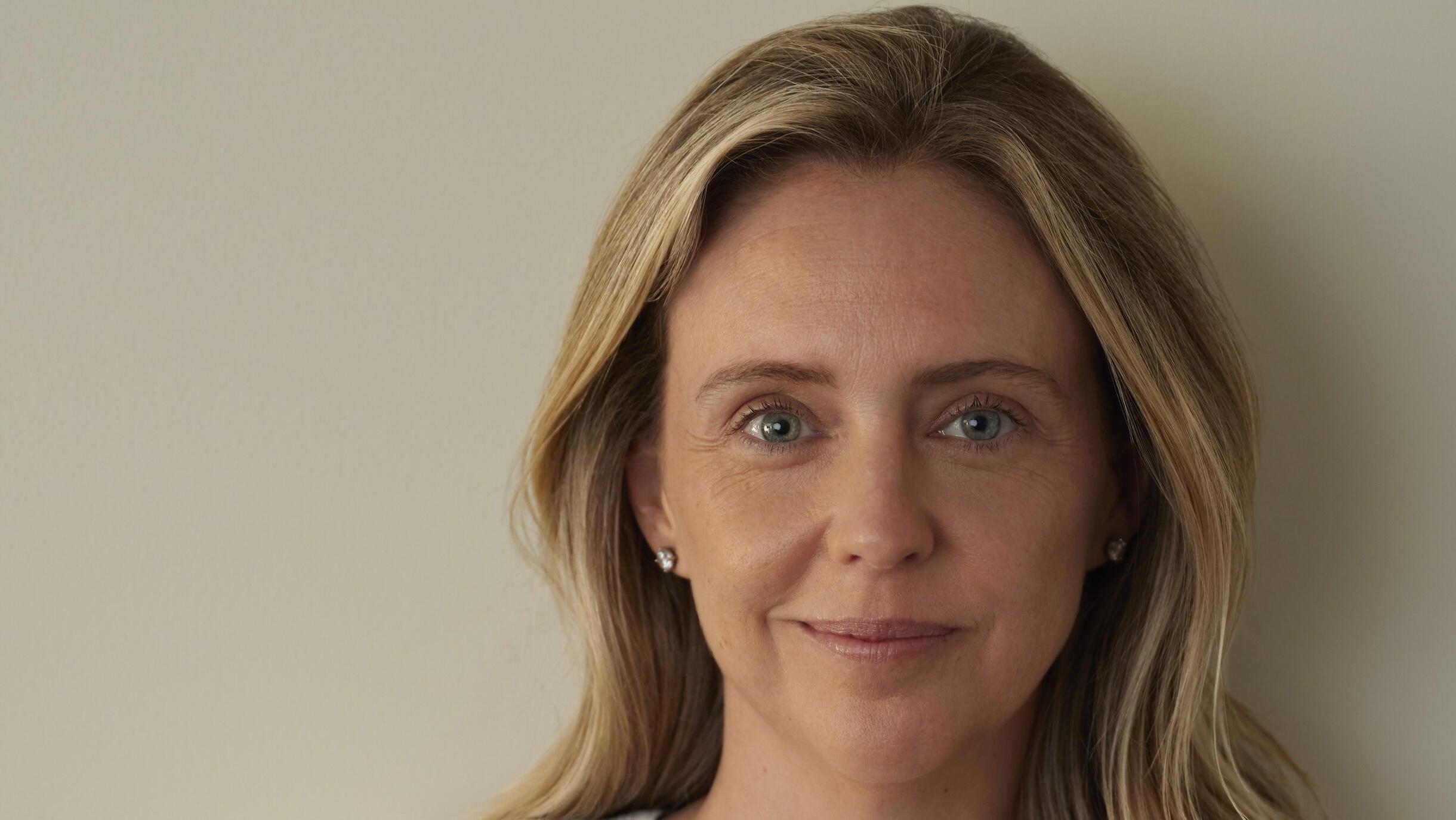
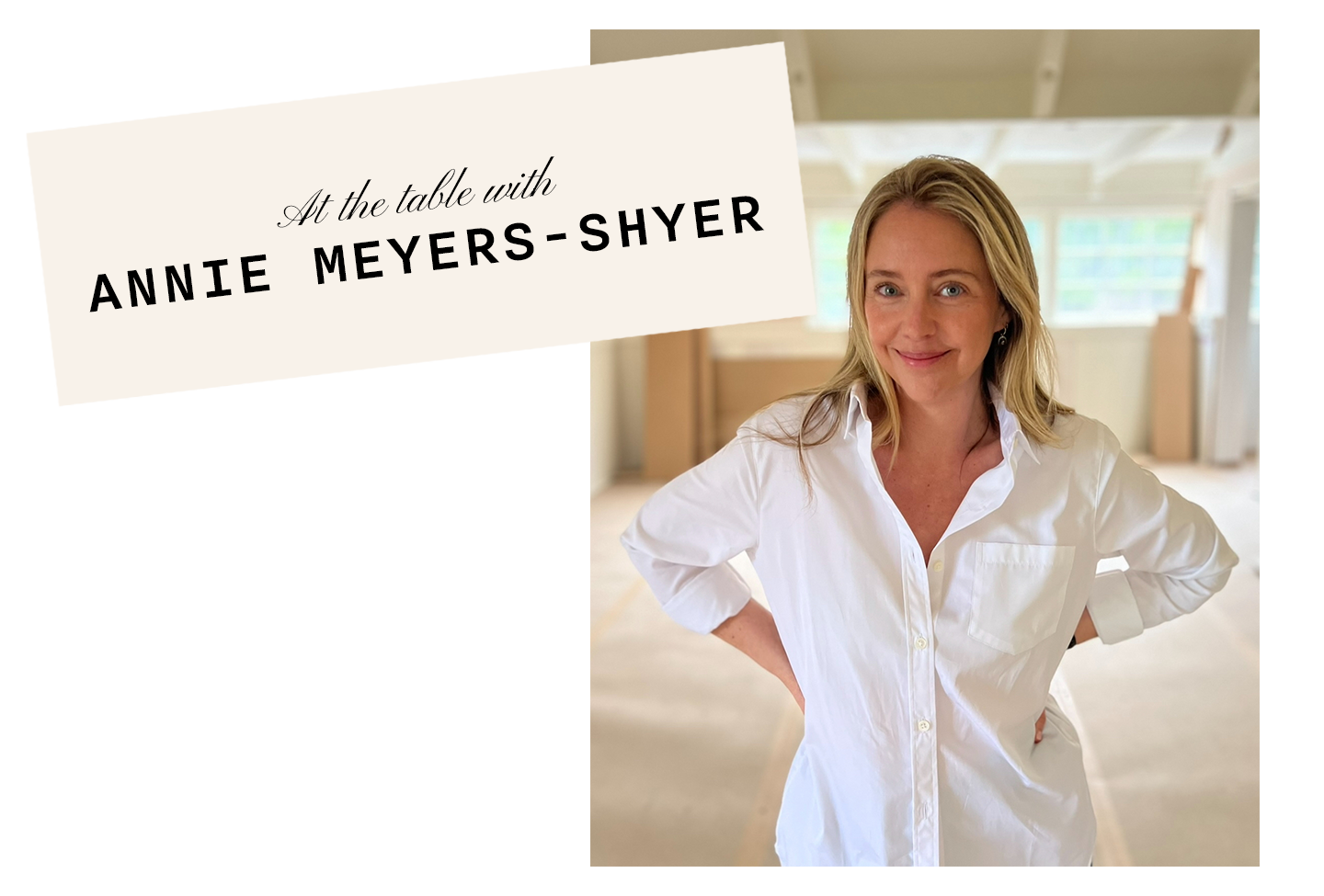
Annie Meyers-Shyer holds a unique position in contemporary American cinema as both a legacy artist—born into a celebrated filmmaking family—and a distinct creative voice in her own right. While widely recognized for her early appearances in front of the camera, including notable roles in family-adjacent projects, her broader artistic identity spans writing, directing, and production. Analyzing her historical involvement, career evolution, and relationship to classic cinematic properties like Father of the Bride reveals a multifaceted trajectory characterized by a transition from child actor to behind-the-scenes creator, shaped heavily by her familial and professional environment.
The Cinematic Lineage: Family Foundations and Early Exposure
To understand Annie Meyers-Shyer’s career and cultural footprint, one must examine her creative lineage. Born to acclaimed filmmaker Nancy Meyers and acclaimed director and writer Charles Shyer, Meyers-Shyer grew up immersed in the rhythm of Hollywood production. Her parents formed one of the most successful creative partnerships in late-20th-century romantic comedy and family drama, responsible for defining the aesthetic of suburban affluence, warm domestic interiors, and witty, sophisticated family dynamics.
Growing up on film sets provided Meyers-Shyer with an informal yet rigorous masterclass in screenwriting, set design, and directorial pacing. This environment naturally led to early opportunities to participate in her parents' films. Rather than entering the industry through traditional casting channels, her initial visibility came via minor acting roles in productions helmed by her family. These early experiences offered her a front-row seat to the mechanics of high-budget studio filmmaking, setting the stage for her eventual transition behind the camera.
Deconstructing the "Father of the Bride" Connection
Disambiguation is necessary when discussing Annie Meyers-Shyer in relation to the title Father of the Bride. Nancy Meyers famously co-wrote and produced the 1991 touchstone comedy Father of the Bride (directed by Charles Shyer), as well as its 1995 sequel, Father of the Bride Part II. Because Annie Meyers-Shyer was a child during the production of these films, public interest frequently intersects her biography with these classic titles.
While Annie Meyers-Shyer was not the creative architect behind the 1991 or 1995 films—tasks handled by her parents and co-writer Frances Goodrich and Albert Hackett (based on Edward Streeter's original novel)—she inhabited the exact domestic ecosystem that inspired them. The warm, detail-oriented, kitchen-centric aesthetic that defined the Banks family home in those films mirrors the cultural milieu of her upbringing.
Furthermore, confusion sometimes arises between her mother's filmography and Annie's own adult career in filmmaking. While Nancy Meyers defined the modern wedding comedy genre, Annie Meyers-Shyer pursued her own path in writing and directing, carving out a professional identity distinct from the specific IP of Father of the Bride, even as she continued to work within the broader tradition of character-driven comedy and drama.
Transitioning from Acting to Writing and Directing
Meyers-Shyer's professional journey reflects a deliberate pivot from performance to authorship. Like many children of artists, her earliest credited work was on-screen, but her academic and professional ambitions gravitated toward the literary and structural foundations of filmmaking: screenwriting and directing.
Writing requires a distinct discipline from acting, focusing on narrative architecture, dialogue cadence, and thematic resonance. Meyers-Shyer pursued formal training and practical experience to establish her credentials independently. By moving behind the camera, she sought to translate the observational skills she honed on her parents' sets into original narratives. This transition allowed her to explore contemporary relationships, familial expectations, and modern social dynamics through her own generational lens.
Key Creative Projects and Industry Impact
As a writer and director, Annie Meyers-Shyer has focused on independent and studio-adjacent projects that explore complex human interactions. Her work benefits from a sophisticated understanding of dialogue-driven storytelling, a hallmark of her family's cinematic tradition.
| Project Type / Phase | Creative Focus | Industry Context | Key Artistic Contribution |
|---|---|---|---|
| Early Screenwork | Minor on-screen appearances | Studio feature films | Observational learning on major studio sets |
| Writing & Directing | Independent and short-form narratives | Contemporary cinema | Script development, structural pacing, thematic focus |
| Collaborative Efforts | Script consulting and development | Family production slate | Maintaining continuity of sophisticated comedic tone |
Her impact on the industry is indicative of a broader shift among second-generation filmmakers who navigate the tension between honoring a parental legacy and establishing artistic autonomy. By focusing on nuanced character studies and contemporary social observations, Meyers-Shyer contributes to the ongoing evolution of American romantic comedy and domestic drama.
The Evolution of the Family Comedy Genre
The cultural footprint of films like Father of the Bride extends far beyond their initial box office runs, establishing a template for how middle-class and upper-middle-class domesticity is represented on screen. These films rely on specific narrative conventions:
- The meticulous design of domestic spaces that reflect character psychology.
- The tension between parental anxiety and children seeking independence.
- Witty, rapid-fire dialogue delivered by ensemble casts.
- An underlying emotional warmth that resolves generational friction.
Meyers-Shyer’s career exists in dialogue with these conventions. While her generation of filmmakers faces a radically altered media landscape—dominated by streaming platforms, shifting theatrical windows, and fragmented audience attention—the core desire for grounded, character-driven storytelling remains constant. Her work reflects an appreciation for the polished, dialogue-heavy style popularized by her parents, updated to reflect contemporary realities, technology, and social mores.
Comparative Overview: Classic Era vs. Contemporary Family Cinema
| Feature | Classic Era (e.g., 1990s Productions) | Contemporary Landscape (2020s) |
|---|---|---|
| Distribution Model | Primarily theatrical box office and physical media | Hybrid theatrical and streaming ecosystems |
| Narrative Focus | Nuclear family milestones (weddings, graduations) | Diverse family structures and individual autonomy |
| Aesthetic Standard | Expansive set design, warm lighting, cinematic gloss | Flexible budgets, naturalistic lighting, digital capture |
| Pacing & Tone | Measured comedic beats, ensemble-driven subplots | Snappier pacing, character-centric focus |
Navigating Legacy and Independence in Modern Hollywood
For artists with prominent industry parents, public perception often oscillates between crediting familial access and recognizing individual merit. Annie Meyers-Shyer’s career is a study in navigating this dynamic. Rather than leaning entirely on legacy remakes or capitalizing directly on her parents' intellectual property, she has focused on original storytelling.
This approach requires resilience and a commitment to craft. The modern film industry demands versatility, with creators often needing to span writing, directing, and production oversight. By maintaining high standards for script development and narrative coherence, Meyers-Shyer aligns herself with the tradition of quality control that characterized her mother's legendary run of romantic comedies, while asserting a distinct contemporary voice.
Frequently Asked Questions
Did Annie Meyers-Shyer direct Father of the Bride?
No. The 1991 Father of the Bride and its 1995 sequel were directed by Charles Shyer and co-written/produced by Nancy Meyers. Annie Meyers-Shyer is their daughter and was a child during those productions, though she made minor early acting appearances in family-associated projects.
What is Annie Meyers-Shyer’s primary role in the film industry?
She primarily works as a writer and director. Her career focuses on crafting narrative scripts and directing independent and studio projects, drawing on her lifelong immersion in cinematic production and storytelling.
How has her family background influenced her work?
Growing up with parents who are prominent filmmakers provided her with extensive early exposure to screenwriting, set etiquette, and directorial technique. This environment fostered a deep understanding of dialogue-driven comedy and domestic drama, which informs her own creative projects.
What distinguishes contemporary family dramas from 1990s classics?
While 1990s classics like Father of the Bride focused heavily on theatrical, high-concept milestone events within traditional nuclear families, contemporary films often explore more varied domestic structures, utilize hybrid distribution models, and adapt to faster narrative pacing.
Where can audiences see Annie Meyers-Shyer's creative work?
Her work can be found across various film festivals, independent releases, and digital distribution platforms that showcase contemporary American screenwriting and directing talent.
Conclusion and Next Actions
Annie Meyers-Shyer represents a fascinating intersection of Hollywood legacy and modern independent ambition. While her name is frequently linked by association to classic touchstones like Father of the Bride through her parents, her true impact lies in her ongoing commitment to writing and directing character-driven narratives. For film enthusiasts and researchers exploring the evolution of domestic comedy and generational filmmaking, following her current projects and exploring her written works offers valuable insight into how classic storytelling techniques adapt to the modern cinematic landscape.