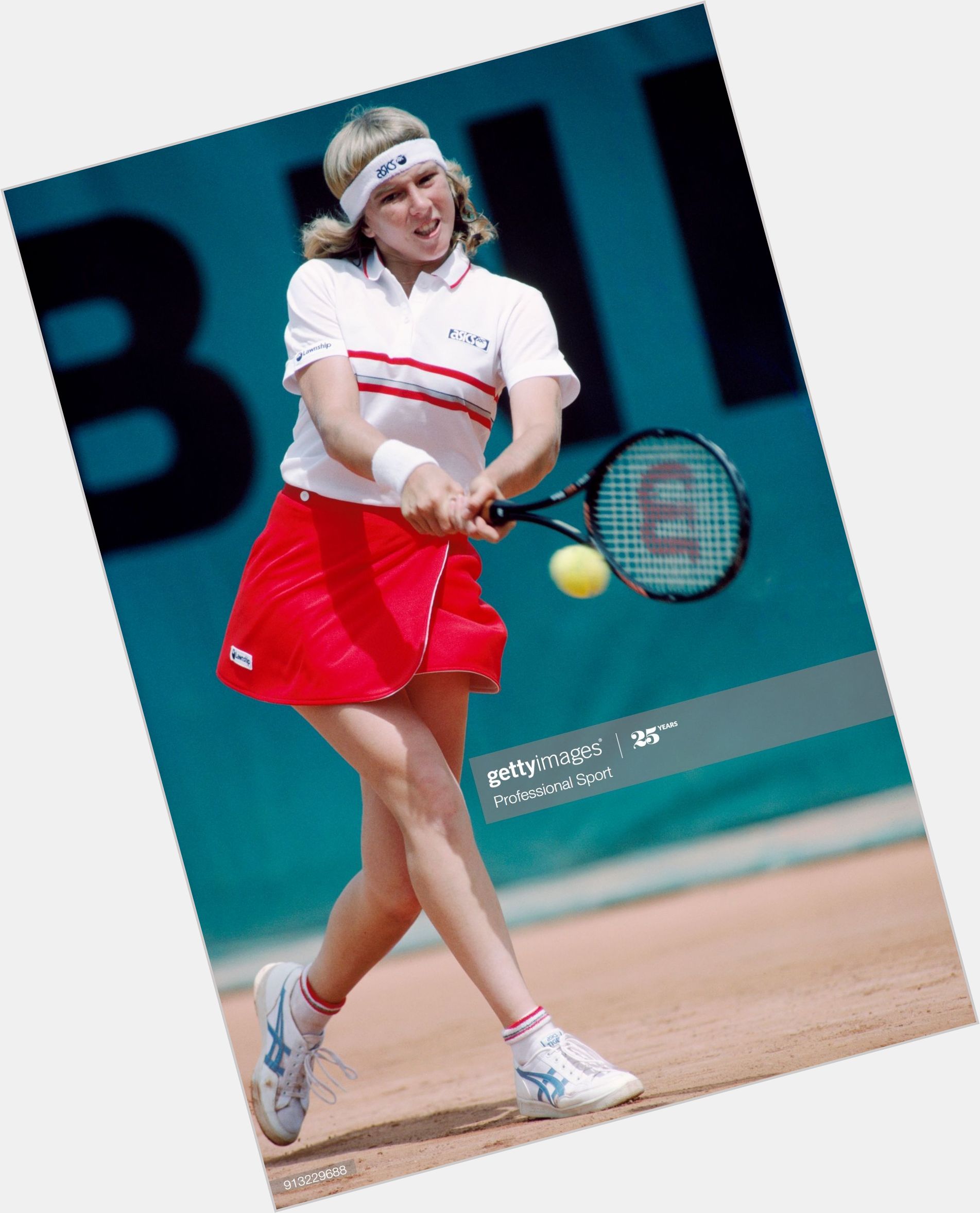
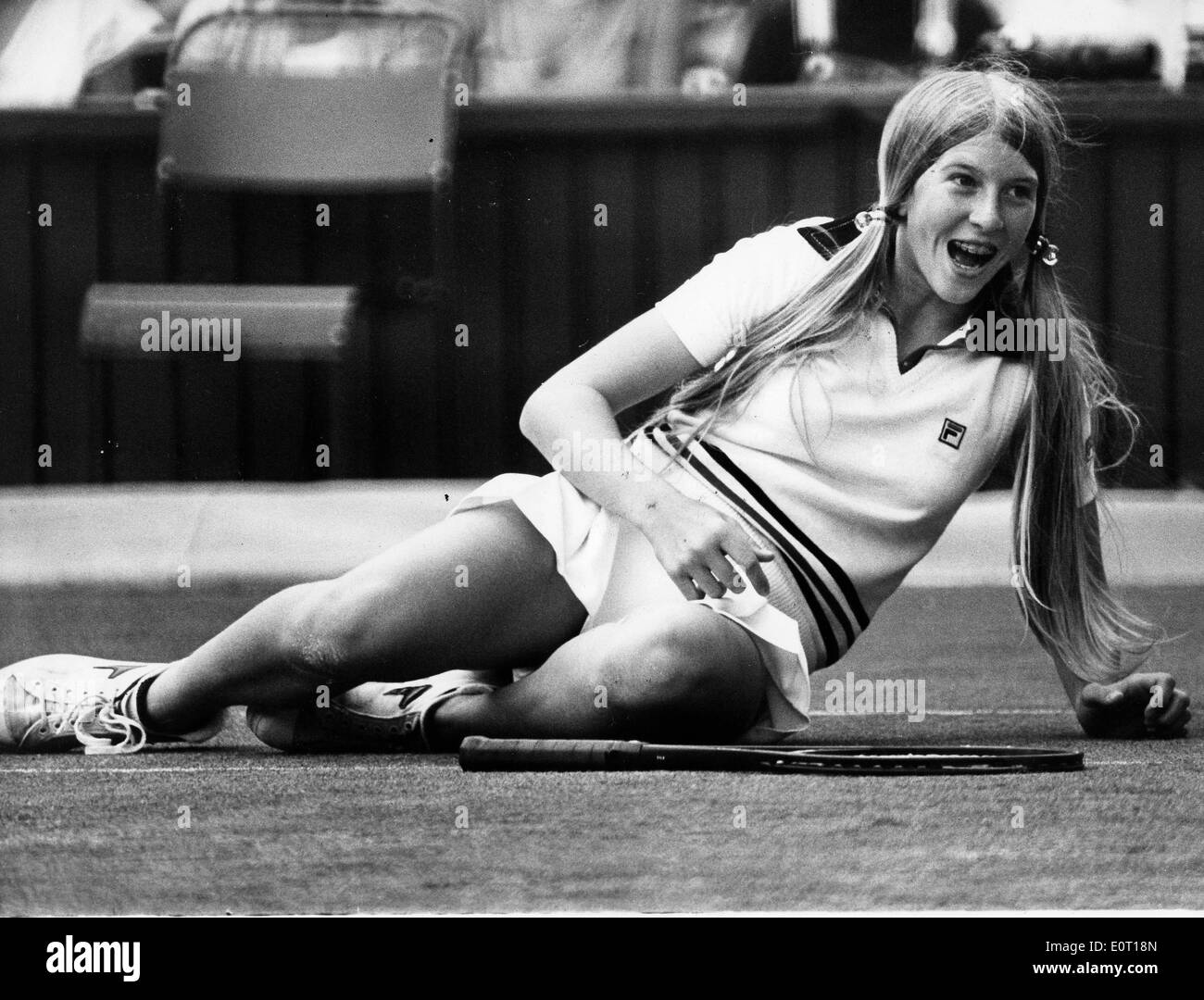
Andrea Jaeger is married to no one, maintaining a private personal life while dedicating her time and energy to philanthropy, spiritual ministry, and youth advocacy following her retirement from professional tennis.
Introduction: Clarifying the Personal Status of Andrea Jaeger
When public figures achieve legendary status in sports at a young age, public curiosity often extends far beyond their athletic statistics into their personal lives. For Andrea Jaeger, the former teenage tennis phenom who captured global attention in the early 1980s, questions surrounding her marital status frequently surface among fans and biographers. Public records, interviews, and biographical profiles confirm that Andrea Jaeger is married to no one. Rather than pursuing a traditional family life or marriage, Jaeger chose a radically different path after a career-ending shoulder injury cut her tennis career short. She transitioned into a life of service, eventually becoming an Anglican nun and dedicating decades of her life to helping sick children.
Understanding Jaeger’s current life requires looking past standard celebrity metrics and examining a journey defined by profound personal transformation. From reaching Wimbledon and US Open finals as a teenager to establishing the Little Star Foundation and wearing the habit of an Episcopal sister, her path has been unconventional by any standard. This article explores the realities of her personal life, the historical context of her tennis career, the nature of her transition away from the sport, and the lasting legacy of her charitable work.
The Historical Context of Andrea Jaeger’s Tennis Career
To understand Andrea Jaeger’s adult life, one must examine the intense, compressed world of her early tennis career. Born in Chicago in 1965, Jaeger emerged as a tennis prodigy under the intense coaching of her father, Roland Jaeger. Her rise through the junior ranks was meteoric, and by the end of the 1970s, she had entered the professional circuit as a teenager with a distinctive two-handed style off both sides and a fierce competitive drive.
Rapid Ascent and Major Milestones
During the early 1980s, Jaeger established herself as one of the top players in the world, regularly challenging dominant figures like Chris Evert and Martina Navratilova. Her key achievements include:
- Reaching the semifinals of the US Open in 1980 at just 15 years old.
- Advancing to the finals of the French Open in 1982.
- Reaching the singles final at Wimbledon in 1983, where she fell to Martina Navratilova.
- Achieving a career-high world ranking of No. 2 in singles.
- Winning 10 Women's Tennis Association (WTA) singles titles and multiple doubles titles.
Despite this extraordinary level of success, life on the professional tour was emotionally and physically taxing. Jaeger has frequently spoken in interviews about the intense pressure she faced as a minor in a high-stakes professional environment. Her career at the elite level was ultimately cut short by a severe shoulder injury sustained during a match against Wendy Turnbull in 1983, which required complex surgeries and prolonged rehabilitation.
Transition from Professional Sport to Philanthropy
When a severe shoulder injury effectively ended her career as a top-tier tennis competitor in the mid-1980s, Jaeger was forced to reevaluate her identity outside of professional athletics. While many former athletes transition into coaching, sports broadcasting, or commercial endorsements, Jaeger redirected the financial resources and public profile she had earned on the tennis court toward humanitarian efforts.
During her playing days, Jaeger had already begun visiting hospitalized children, a practice that deeply influenced her worldview. Witnessing the suffering of pediatric cancer patients left a lasting impression on the young athlete. With the prize money she had saved—estimated to be over $1.4 million in career earnings—she laid the groundwork for a life centered entirely on charitable giving rather than personal accumulation or domestic family life.
Founding the Little Star Foundation
In 1990, Jaeger established the Little Star Foundation, a non-profit organization dedicated to supporting children with cancer and other life-threatening illnesses. The foundation has provided holistic care, emotional support, and financial assistance to young patients and their families. Over the decades, Jaeger has personally overseen the operations of the organization, working hands-on with children and medical professionals. Her commitment to this cause became her primary focus, replacing the rigorous schedule of the tennis tour with an equally demanding schedule of social advocacy and caregiving.
Jaeger’s Life as an Episcopal Nun
One of the most notable chapters in Andrea Jaeger’s post-tennis life was her formal entry into religious service. After years of independent charitable work, Jaeger deepened her spiritual commitment by joining the Episcopal Church and eventually becoming an Anglican nun, taking the name Sister Andrea.
Living within a religious community required a lifestyle of poverty, chastity, and obedience—a profound departure from the celebrity culture of professional sports. Her decision to take religious vows underscores why she is married to no one in a conventional sense; her life has been consecrated to spiritual devotion and humanitarian service rather than romantic partnership.
Although she later transitioned out of the formal convent structure to manage her foundation more effectively on a day-to-day basis, her commitment to her faith and service-oriented lifestyle has remained constant. This unique trajectory places her outside the traditional biographical categories usually applied to former sports stars.
| Phase of Life | Primary Focus | Notable Activities & Milestones |
|---|---|---|
| Early Years (1965–1979) | Athletic Development | Junior tennis dominance, rigorous training under parental guidance. |
| Professional Career (1980–1985) | Elite Competition | World No. 2 ranking, Wimbledon and French Open finals, career-ending shoulder injury. |
| Philanthropic Launch (1990–2000s) | Pediatric Cancer Support | Founding the Little Star Foundation, direct care for hospitalized children. |
| Religious Life (2000s–Present) | Spiritual Devotion | Becoming an Episcopal nun, integrating faith with ongoing charitable advocacy. |
Addressing Public Curiosity: Relationships and Marital Status
In contemporary media culture, public figures who remain unmarried often attract speculation. However, in Jaeger’s case, her unmarried status is not a reflection of secrecy or hidden relationships, but rather the direct result of a deliberate lifestyle choice centered on spiritual and charitable commitments.
Biographical accounts and interviews consistently show that Jaeger has never married and has no children of her own. Her maternal and nurturing instincts have instead been directed toward the thousands of sick children she has supported through her foundation. By choosing a path of celibacy and communal service during her years as a nun, and maintaining an austere, mission-driven lifestyle afterward, she deliberately stepped outside the conventional expectations of marriage, family, and domestic life.
Frequently Asked Questions
Is Andrea Jaeger married?
No, Andrea Jaeger is married to no one. She has never been married, having chosen a path focused on professional tennis in her youth, followed by decades of religious devotion and charitable work.
Did Andrea Jaeger become a nun?
Yes. After retiring from professional tennis and establishing her foundation, Jaeger studied theology and became an Anglican nun in the Episcopal Church, taking the name Sister Andrea before later shifting to independent ministry and continued foundation work.
What is the Little Star Foundation?
Founded by Jaeger in 1990, the Little Star Foundation is a non-profit organization that provides physical, emotional, and financial assistance to children with cancer and other life-threatening illnesses.
What forced Andrea Jaeger to retire from tennis?
Jaeger’s professional tennis career was effectively ended by a severe shoulder injury sustained in 1983 during a match against Wendy Turnbull. Despite multiple surgeries, she was unable to return to the elite level of competition.
Where does Andrea Jaeger live now?
Jaeger primarily resides in the United States, where she continues to oversee the operations of the Little Star Foundation and advocate for pediatric cancer patients and their families.
Conclusion and Next Actions
Andrea Jaeger’s life stands as a unique example of reinvention. While public queries often focus on personal details such as whether she is married, the true significance of her story lies in her transition from a fierce teenage tennis competitor to a dedicated humanitarian and spiritual figure. By remaining unmarried and dedicating her life and resources to the welfare of sick children, she forged a legacy defined by compassion rather than athletic trophies. For readers seeking to learn more about her ongoing mission, exploring the official resources of the Little Star Foundation offers direct insight into her enduring life's work.