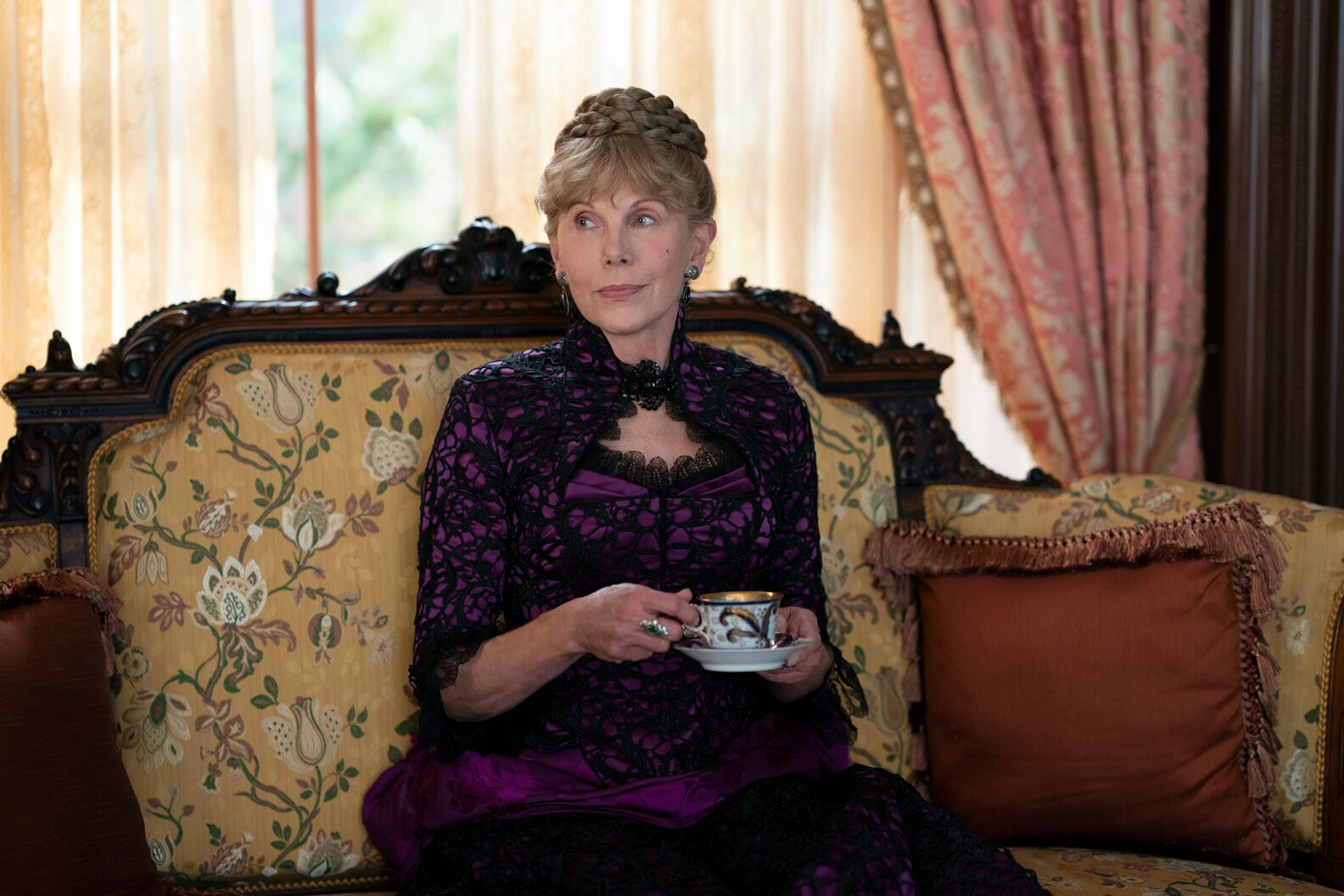
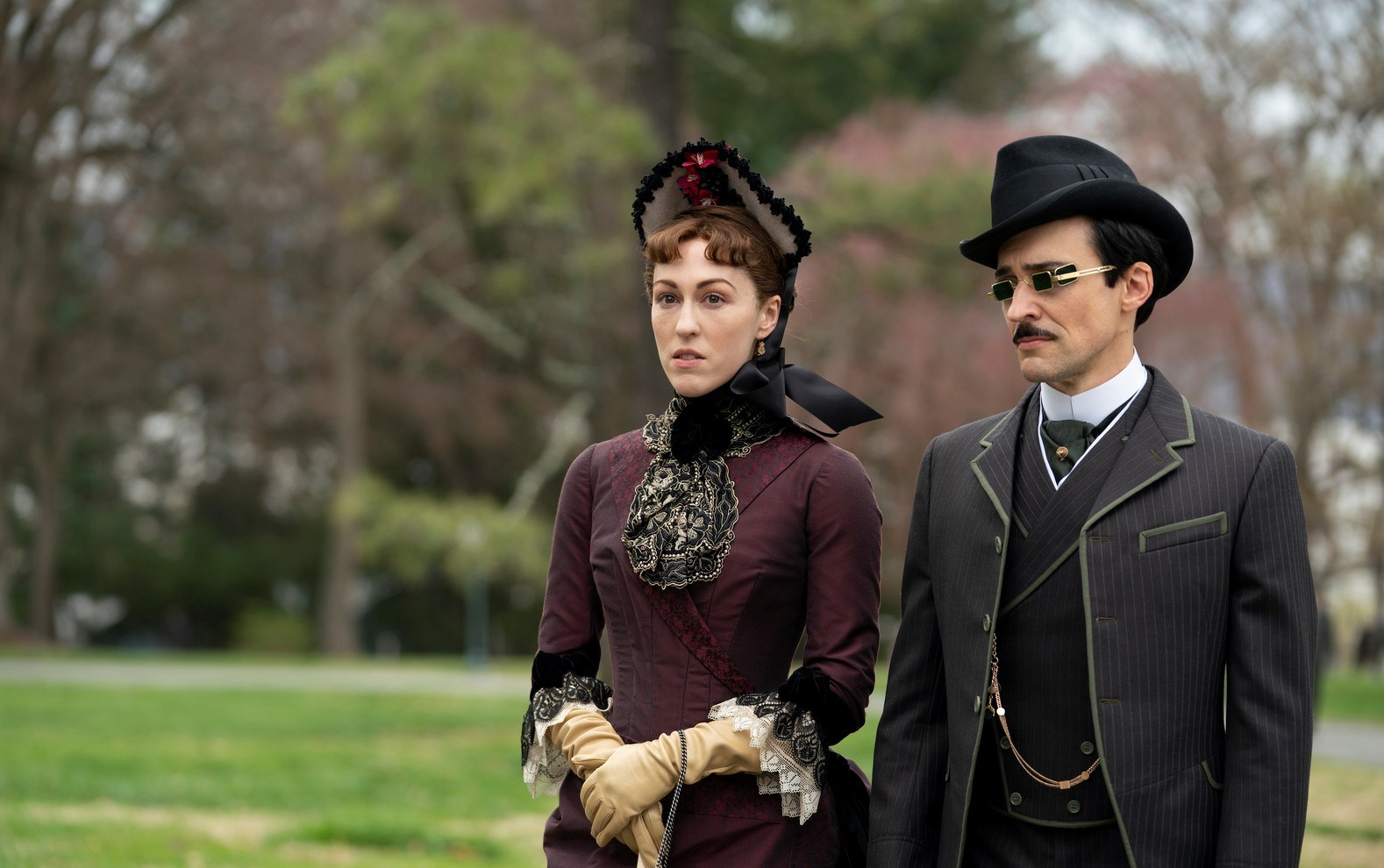
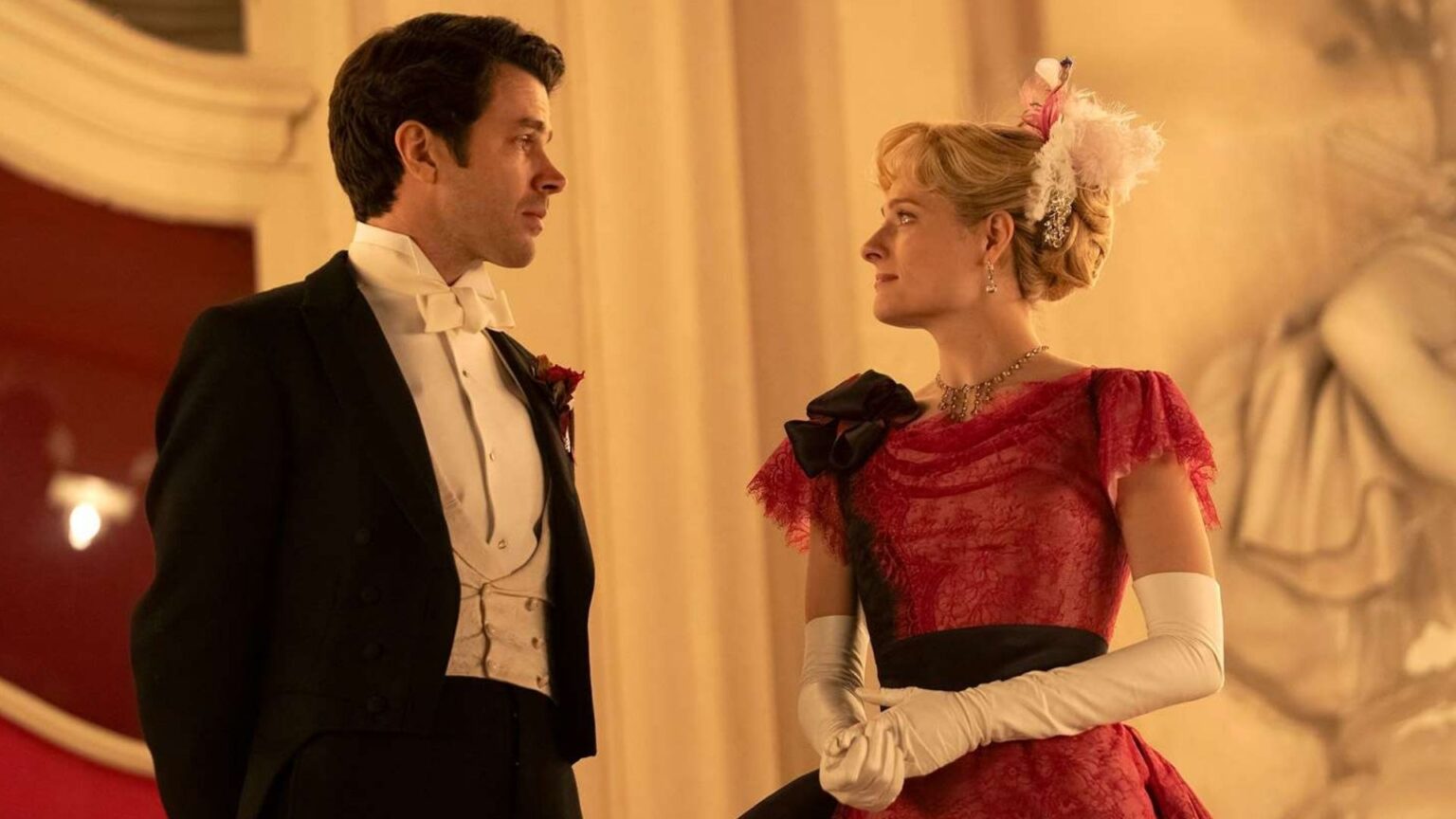
Andrea Martin’s role in HBO’s The Gilded Age features her portraying Madame Dashkova, a colorful and eccentric spiritualist operating within the elite social circles of late 19th-century New York City. The character serves as a satirical lens on the period's craze for occult phenomena, fortune-telling, and high-society parlor tricks, capturing the unique intersection of wealth, credulity, and theatrical performance that characterized the era.
Understanding The Gilded Age and Its Historical Landscape
To understand Andrea Martin’s role, it is essential to examine the world built by creator Julian Fellowes in The Gilded Age. Set primarily in the 1880s, the series explores the dramatic clash between old-money New York—typified by families like the Astors and Livingstons—and the newly rich industrialists who made their fortunes in railroads, steel, and finance. This era, spanning the post-Reconstruction period through the turn of the 20th century, was marked by unprecedented industrial growth, vast economic disparity, and an obsessive, status-driven social hierarchy.
Within this rigidly structured society, entertainment and social validation were paramount. High-society women competed fiercely to host the most exclusive dinners, balls, and theatricals. As the wealthy accumulated excess capital, they also sought novel ways to stave off boredom. This cultural vulnerability opened the door to a wide array of charismatic outsiders, European imposters, self-proclaimed mediums, and purveyors of exotic philosophies. Spiritualism, mesmerism, and palmistry evolved from fringe movements into fashionable parlor pastimes among the upper crust, providing the ideal backdrop for a character like Madame Dashkova.
Who Is Madame Dashkova? Character Origins and Introduction
Andrea Martin joins the ensemble cast of The Gilded Age as Madame Dashkova, a theatrical and purportedly clairvoyant spiritualist who manages to infiltrate the upper echelons of New York society. While the character is fictional, she is heavily inspired by the genuine historical craze for spiritualism and Russian or European mysticism that swept through American and European elite circles during the late Victorian era.
The name "Dashkova" itself carries historical weight, evoking aristocratic Russian lineage (such as Princess Dashkova of the 18th-century Russian Enlightenment), which gave opportunistic fortune-tellers and purported mystics an air of exotic legitimacy. In the world of the show, Madame Dashkova capitalizes on the grief, curiosity, and sheer competitive boredom of wealthy patrons. She offers séances, psychic readings, and spiritual guidance, navigating the fine line between a clever con artist and a genuinely captivating performer who understands the psychological needs of her clientele.
Character Traits and Theatrical Presence
- Exotic Persona: Madame Dashkova employs dramatic costumes, theatrical lighting, and affected accents to project an aura of ancient, esoteric wisdom.
- Psychological Acumen: Rather than relying purely on simple trickery, the character demonstrates a sharp understanding of human nature, reading the insecurities and secret desires of elite society members.
- Social Mobility: Operating on the fringes of polite society, Dashkova moves between classes, extracting money and influence from the wealthy while remaining an outsider.
The Historical Reality of Spiritualism in Gilded Age New York
The inclusion of a spiritualist medium in a prestige drama about the 1880s is rooted in extensive historical precedent. During the Gilded Age, spiritualism—the belief that communication with the dead is possible—was a massive cultural phenomenon. It attracted not only grieving families seeking solace after the devastating casualties of the Civil War, but also bored socialites, intellectuals, and scientists.
Parlor séances became a staple of upper-class entertainment. Mediums often used elaborate physical effects, such as floating instruments, ectoplasm made of gauze or cheesecloth, and mysterious rappings on tables, to convince audiences of supernatural activity. While high-profile exposures by magicians like Harry Houdini later dismantled the movement's mainstream credibility, during the 1880s, spiritualism enjoyed a degree of scientific and cultural respectability. Prominent figures, including scientists and writers, investigated mediums, creating an atmosphere where fraudulent operators and true believers existed in a complex grey area.
| Aspect of Historical Spiritualism | Gilded Age Reality | The Gilded Age Portrayal (Madame Dashkova) |
|---|---|---|
| Primary Audience | Grieving families, intellectuals, and wealthy elites | Wealthy socialites seeking novelty, distraction, and status |
| Methods Used | Table-tipping, automatic writing, materializations | Theatrical presence, cold reading, esoteric posturing |
| Social Standing | Ranged from persecuted outsiders to celebrated celebrities | Operates on the margins, exploiting elite gullibility for profit |
| Cultural Function | Challenged traditional religious dogmas while offering comfort | Highlighted the superficiality and credulity of the nouveau riche |
Andrea Martin’s Performance and Casting Significance
Casting Andrea Martin in the role of Madame Dashkova brought a distinct comedic and theatrical energy to The Gilded Age. Martin, a celebrated stage and screen veteran known for her work in SCTV, My Big Fat Greek Wedding, and numerous Broadway productions, specializes in creating larger-than-life, intensely memorable characters without losing their grounding in emotional truth.
In The Gilded Age, Martin balances the inherent absurdity of a fraudulent spiritualist with the dignity of a professional working woman surviving in a male-dominated, class-obsessed world. Her performance relies on precise comic timing, expressive physicality, and vocal modulation. When Madame Dashkova delivers cryptic pronouncements or conducts a séance, Martin infuses the scenes with a sense of delicious theatricality that mirrors the performative nature of Gilded Age high society itself.
Why the Casting Works
- Mastery of Character Acting: Martin excels at portraying eccentrics who command every room they enter.
- Comedic Relief and Satire: Her scenes provide a sharp satirical commentary on the hypocrisy and gullibility of the wealthy characters who pride themselves on sophistication.
- Ensemble Integration: Despite her character's eccentricities, Martin holds her own among the series' sprawling cast of veteran stage actors.
Narrative Function and Impact on the Plot
Madame Dashkova’s presence in The Gilded Age is not merely for comedic relief; she serves specific narrative functions that advance character arcs and subplots. By interacting with various members of both old-money and new-money households, Dashkova exposes the hidden anxieties of characters who appear invulnerable on the surface.
Wealthy individuals turn to spiritualists not just for fun, but out of profound loneliness, existential dread, or a desperate desire to control their futures through supernatural means. Dashkova’s interactions with her clients reveal the emotional cracks beneath the glittering surface of Gilded Age mansions. Furthermore, her storyline highlights the vulnerability of the wealthy to scams and social parasites, adding a layer of grit and realism to an otherwise opulent historical drama.
Frequently Asked Questions
Is Madame Dashkova based on a real person in The Gilded Age?
No, Madame Dashkova is a fictional character created for the series. However, she is heavily based on the numerous fraudulent spiritualists, mediums, and esoteric practitioners who operated in New York and London during the late 19th century.
What historical era does The Gilded Age cover?
The series is primarily set in the 1880s in New York City, capturing the rapid industrial expansion, massive accumulation of wealth, and strict social stratification of the period known as the Gilded Age.
Why was spiritualism so popular during the Gilded Age?
Spiritualism surged in popularity due to widespread bereavement following the American Civil War, combined with a cultural fascination with science, the occult, and alternative philosophies. For the wealthy elite, it also served as a novel form of parlor entertainment.
What other notable roles is Andrea Martin known for?
Andrea Martin is a legendary comedic actress widely recognized for her work on the sketch comedy series SCTV, her Tony Award-winning Broadway performances, and her film roles, including Aunt Voula in My Big Fat Greek Wedding.
Does Madame Dashkova appear in every episode of the series?
No, Madame Dashkova is a recurring guest character whose appearances are tied to specific subplots involving high-society entertainment, spiritualism crazes, and character interactions within New York's elite circles.
Conclusion and Next Actions
Andrea Martin’s portrayal of Madame Dashkova in The Gilded Age enriches the series by bridging historical satire with high-energy character performance. By exploring the late 19th-century obsession with spiritualism, the show uses Dashkova to expose the cracks in elite society's polished veneer. To fully appreciate the depth of the performance, viewers can rewatch her key sequence appearances, paying close attention to how Martin uses theatricality to mirror the performative nature of Gilded Age wealth.