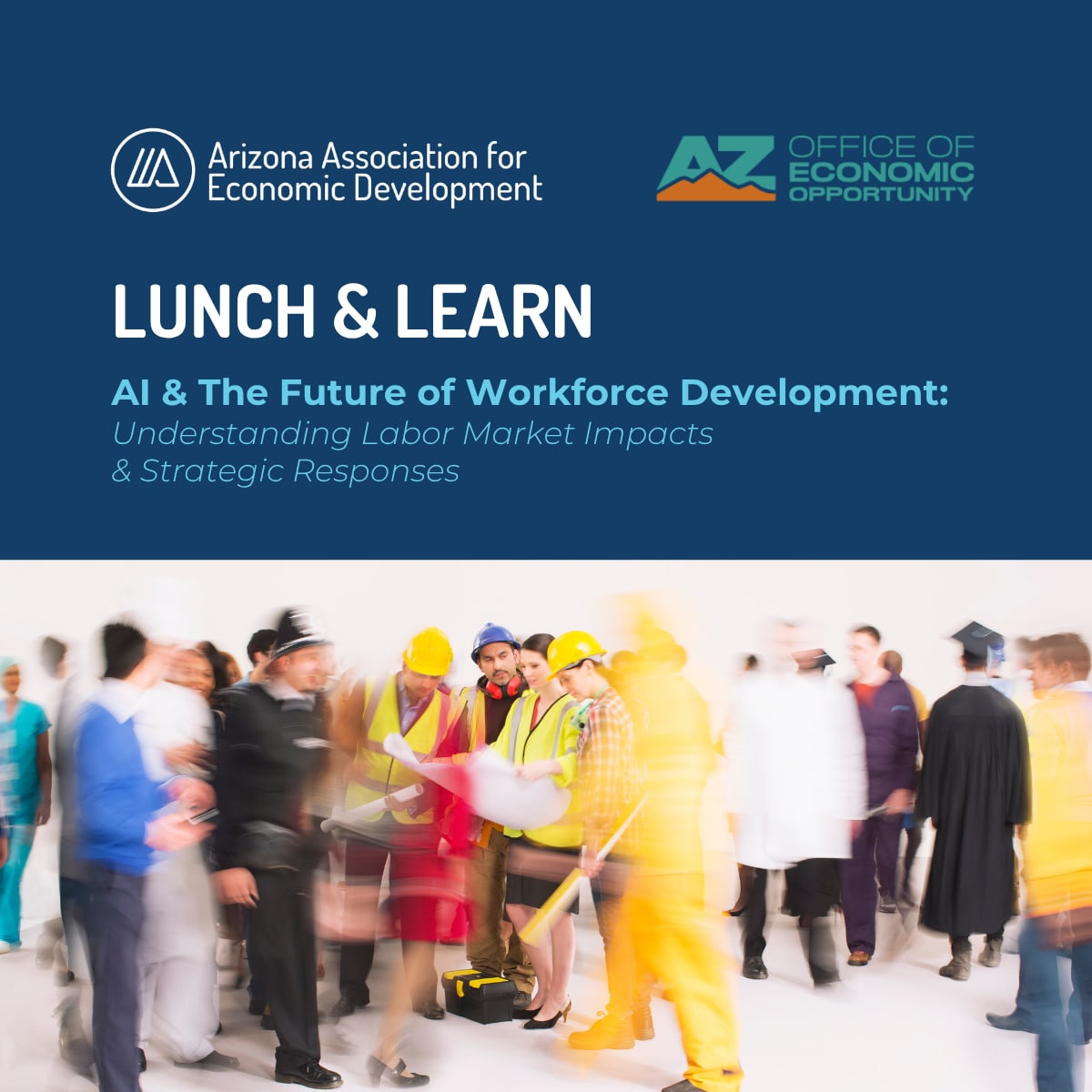
Amanda Guy has emerged as a significant voice in the discourse surrounding the evolution of labor markets, particularly regarding how organizations adapt to the rapid integration of automation and artificial intelligence. Her focus on workforce development emphasizes the necessity of bridging the gap between traditional academic credentials and the practical, agile skill sets required by modern industries in 2026.
The Shift Toward Skills-Based Hiring
The traditional model of recruitment, which has long relied heavily on university degrees and historical job titles, is currently undergoing a structural transformation. Amanda Guy advocates for a "skills-first" architecture within human resources. In this model, the focus shifts from where a candidate obtained their knowledge to what specific tasks they are capable of performing.
This transition is not merely a preference for employers but a functional necessity in the 2026 economic environment. With technology cycles shortening, the shelf life of specific technical skills is declining. When hiring is rooted in fixed credentials, companies risk institutionalizing obsolescence. Guy’s research suggests that by deconstructing roles into their component skills, organizations can identify transferable competencies that allow for more fluid internal mobility.
Defining Workforce Development in the AI Era
Workforce development, as defined by Guy, is no longer limited to initial onboarding or periodic professional development seminars. It is now a continuous operational requirement. In 2026, workforce development encompasses four distinct pillars:
- Continuous Reskilling: Providing employees with the tools to master new software or methodologies as they are introduced, rather than waiting for formal training cycles.
- Upskilling for Synergy: Training human workers to manage, audit, and augment automated systems, effectively treating AI as a "force multiplier" rather than a replacement.
- Soft Skill Preservation: As routine technical tasks are offloaded to machines, the value of complex human interaction, ethical judgment, and creative problem-solving increases.
- Adaptive Infrastructure: Designing corporate workflows that allow for rapid team reconfiguration based on project needs rather than static departmental silos.
Addressing the Credential Gap
A primary friction point in the current labor market is the "credential gap." This occurs when high-potential candidates lack the specific industry-standard certification required by applicant tracking systems (ATS), despite possessing the requisite experience.
Amanda Guy proposes that the future of development lies in "micro-credentialing." By breaking training into bite-sized, verifiable modules, professionals can demonstrate proficiency in specific domains without committing to lengthy, expensive degree programs. For organizations, this creates a more granular understanding of the total available talent pool within their existing workforce.
| Feature | Traditional Credentialing | Micro-Credentialing Approach |
|---|---|---|
| Duration | Multi-year commitments | Weeks to months |
| Focus | Theoretical foundations | Task-specific proficiency |
| Update Velocity | Slow; curriculum-dependent | Real-time; industry-aligned |
| Application | HR filtering barrier | Dynamic skills mapping |
Challenges in Scaling Workforce Development
While the logic for a skills-based economy is sound, implementation remains difficult. Organizations often face significant hurdles when attempting to overhaul legacy HR processes.
1. The Cost of Data Mapping
To implement a skills-based system, a company must first conduct a comprehensive audit of all tasks currently performed by staff. This "skills ontology" requires significant time and data architecture to maintain. Without accurate data, attempting to match employees to new projects is akin to navigating without a map.
2. Resistance to Cultural Change
Employees often view job titles as essential markers of status and progression. Shifting to a skills-based environment can feel like an erosion of job security or career clarity. Leadership must communicate the benefits—specifically the increase in internal mobility and the protection against future industry disruptions—to ensure buy-in.
3. Integration of AI Metrics
As companies integrate more AI, measuring the "performance" of a hybrid (human/machine) team becomes complex. Productivity is no longer a simple output-per-hour metric. Evaluating the effectiveness of workforce development now requires identifying whether staff are becoming more capable of leveraging technology to achieve better outcomes, rather than just faster ones.
Integrating Human Judgment with Automated Systems
A recurring theme in the work of Amanda Guy is the "human-in-the-loop" necessity. As automated systems in 2026 take over the vast majority of data entry, logistical scheduling, and preliminary analytical reporting, the human worker's role pivots toward the interpretation of those outputs.
Development programs that fail to train staff in "AI Literacy"—understanding the biases, limitations, and ethical implications of machine-generated reports—are essentially incomplete. Developing this literacy is perhaps the most critical component of workforce development in the next decade. If staff cannot critically evaluate the information provided by their tools, the risk of systemic errors increases, potentially causing significant operational harm.
Strategic Next Steps for Organizations
For leadership teams and HR departments looking to align with modern workforce development goals, the following steps are recommended:
- Audit Current Skills: Begin by identifying the "core" skills that keep the business operational. Differentiate these from "fluctuating" skills that change with new technology.
- Normalize Micro-Learning: Implement internal platforms that reward employees for earning certifications in new internal tools. This creates a culture of learning rather than a culture of fixed competence.
- Prioritize Flexibility: When designing new roles, define them by the problems they solve rather than the specific software they use. This makes the role more resilient to technological changes.
- Foster Transparency: Regularly share information regarding which roles are likely to be heavily automated in the coming years and offer early, voluntary reskilling paths for those employees.
Frequently Asked Questions
What is the core philosophy behind Amanda Guy's approach to workforce development? Her approach prioritizes agility and the deconstruction of roles into specific, transferable skills. It moves away from rigid academic credentials in favor of continuous, verified, and practical skill acquisition that allows employees to adapt alongside technological shifts.
Why is 2026 a pivotal year for workforce development? By 2026, the initial hype surrounding widespread AI integration has settled into a period of operational maturation. Companies are now moving past the phase of "experimentation" and into a phase of deep integration, requiring staff who are not just users of technology, but who are skilled at managing the machine-human interface.
How does micro-credentialing solve the hiring crisis? Micro-credentialing allows candidates to provide verifiable evidence of a specific, required skill (e.g., Python scripting for data analysis) without needing a full-length degree. This widens the talent funnel and allows employers to hire based on immediate capability rather than historical signaling.
Is AI-led automation inevitable for all workforce sectors? While the depth of AI integration varies by industry, its presence is nearly universal. Even in sectors traditionally seen as "manual" or "human-centric," diagnostic tools and algorithmic management are increasingly common. Guy’s work suggests that total avoidance is not a viable strategy; adaptation and skill-augmentation are the only sustainable paths.
How should a company begin transitioning to a skills-first model? Start by mapping the skills present in your current workforce through a digital audit. Once you understand the internal baseline, compare it against the skills needed for your long-term roadmap. Identify gaps and fill them through targeted internal training programs rather than purely external hiring.
What is the "human-in-the-loop" concept? It refers to the operational requirement that automated systems should have human oversight for critical decisions. Because machines lack nuance and moral context, human staff must be trained to verify, approve, or override automated processes to ensure safety and ethical compliance.
Conclusion and Recommendations
The future of workforce development is not a destination but a continuous process of evolution. Organizations that succeed will be those that view their staff as a dynamic set of capabilities rather than a fixed asset class. If your organization is struggling with turnover or skill stagnation, the most effective next action is to audit your internal skills ontology. Identify the three most critical skills for your company’s success in the next 18 months and launch a pilot micro-credentialing program for your high-potential employees. By creating a culture that rewards the acquisition of new, relevant skills, you insulate your company against the inevitable disruptions of an automated future.