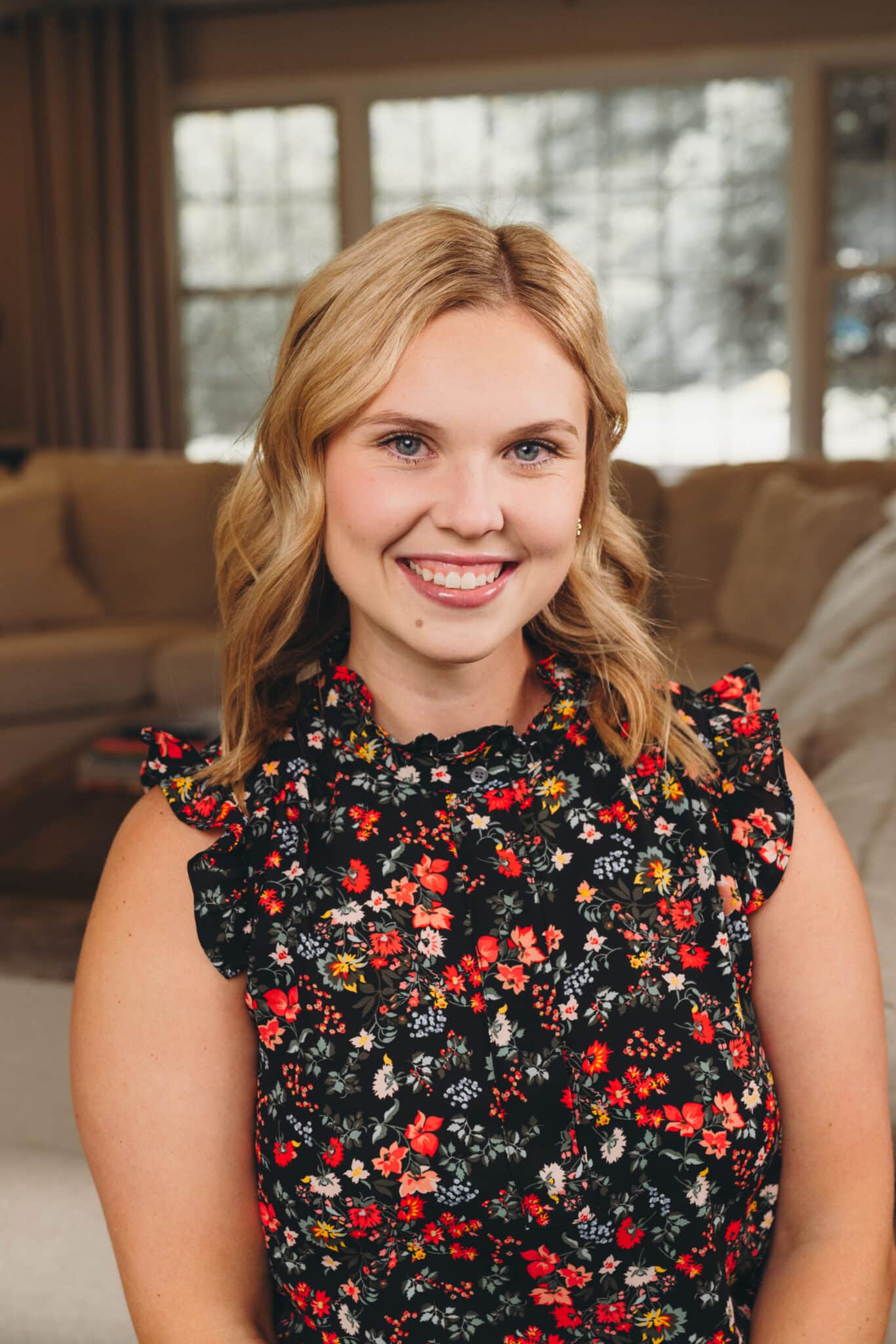
As of 2026, Amanda Burden remains a pivotal figure in global urban planning and design, continuing her influential work as a principal at Bloomberg Associates. Known for her decade-long tenure as the Director of the New York City Department of City Planning, she currently advises mayors worldwide on revitalizing public spaces and implementing human-centric zoning strategies.
The evolution of modern New York City—characterized by its sprawling greenways, reclaimed waterfronts, and revitalized industrial districts—is inseparable from the vision of Amanda Burden. Her career, spanning several decades, has transitioned from shaping a single metropolis to influencing global urban policy. Entering 2026, her work with Bloomberg Associates continues to define how cities handle the pressures of density, climate change, and the necessity for high-quality public environments.
The Foundation of a Design Maven: Early Life and Education
To understand Amanda Burden’s impact in 2025 and 2026, one must look back at the intersection of her social pedigree and her rigorous academic preparation. Born into the prominent Mortimer family and later becoming the stepdaughter of CBS founder William S. Paley, Burden grew up surrounded by high-level aesthetics and influential thinkers. However, her professional trajectory was built on a foundation of technical expertise.
She earned her bachelor's degree from Sarah Lawrence College and later pursued a Master of Urban Planning from Columbia University. Her interest in urban design was not merely theoretical; it was shaped by her work with the legendary urbanist William H. Whyte. Burden worked on Whyte’s "Street Life Project," which used time-lapse photography to observe how people actually used public plazas and sidewalks. This data-driven, observational approach became the hallmark of her methodology: the belief that the success of a city is measured by the comfort and vitality of its pedestrians.
The Bloomberg Era: Redrawing the Map of New York
Between 2002 and 2013, during Michael Bloomberg’s three terms as mayor, Burden served as the Chair of the New York City Planning Commission and Director of the Department of City Planning. This period was marked by the most significant rezoning efforts in the city’s history.
Strategic Rezoning and Density
Burden oversaw the rezoning of over 125 neighborhoods, covering nearly 40% of the city’s landmass. The goal was twofold: to direct high-density development toward areas with existing transit infrastructure and to protect the character of low-density residential neighborhoods. This "transit-oriented development" became a global gold standard. By rezoning areas like Long Island City and Downtown Brooklyn, she facilitated the creation of thousands of housing units, though the balance between affordability and luxury development remains a point of historical debate among urban critics.
The High Line and Public Space Advocacy
Perhaps her most visible achievement was the transformation of the High Line. Working closely with the Friends of the High Line and various city agencies, Burden fought to preserve the abandoned elevated railway. She insisted on design excellence, ensuring that the park felt intimate rather than institutional. The High Line’s success triggered a "High Line Effect" globally, with cities from Seoul to Chicago attempting to replicate its formula of adaptive reuse and landscape architecture.
Waterfront Revitalization
Before Burden’s tenure, much of New York’s waterfront was inaccessible, dominated by decaying industrial sites. She pioneered the creation of the Comprehensive Waterfront Plan, which led to the development of the Brooklyn Bridge Park, the East River Esplanade, and the transformation of the Williamsburg and Greenpoint shorelines. These projects shifted the city’s orientation back toward the water, creating a "sixth borough" of public aquatic space.
Amanda Burden at Bloomberg Associates: 2025 and 2026
Since leaving city government, Burden has not retired. Instead, she has scaled her influence. At Bloomberg Associates, a philanthropic consultancy that works with city leaders globally, she leads the urban planning practice. As of 2026, her work involves pro bono consulting for mayors who face the same challenges she conquered in New York.
Global Reach and Consulting Model
Bloomberg Associates operates on an invitation-only basis, providing expertise to cities like London, Paris, Rio de Janeiro, and Milan. In 2025, Burden’s team focused heavily on "post-pandemic" urban recovery—helping cities repurpose commercial districts that saw decreased foot traffic due to remote work. Her advice focuses on diversifying land use, ensuring that "Central Business Districts" evolve into "Central Social Districts" where people live, work, and recreate simultaneously.
The Focus on "Street Level" Planning
Even in 2026, Burden remains a staunch advocate for the "human scale." In her consulting work, she emphasizes that a city’s success is not found in its skyline, but at the five feet above the sidewalk. She helps mayors evaluate the "stickiness" of their streets—whether a sidewalk encourages someone to stay or to rush through. This involves technical details such as building transparency (the percentage of glass on a storefront), the frequency of building entrances, and the placement of street furniture.
Professional Status and Current Roles in 2026
Beyond her consulting work, Amanda Burden holds several positions that allow her to influence the next generation of planners and designers.
- Bloomberg Associates Principal: Leading the Urban Planning team on international projects.
- Board Memberships: She continues to serve on boards related to environmental conservation and urban design, ensuring that sustainability is integrated into city planning.
- Public Speaker and Educator: Burden frequently appears at international summits, such as the World Cities Summit and TED events, where her 2014 talk on "How Public Spaces Make Cities Work" remains a fundamental resource for students.
Key Urban Projects and Milestones
The following table outlines the major projects led or influenced by Amanda Burden that have shaped modern urbanism.
| Project Name | Location | Primary Impact/Achievement | Status in 2026 |
|---|---|---|---|
| The High Line | Manhattan, NY | Adaptive reuse of elevated rail; $2B+ in economic activity. | Iconic global park; ongoing expansion. |
| Hudson Yards | Manhattan, NY | Creation of a new "city within a city" via massive rezoning. | Fully operational commercial/residential hub. |
| Brooklyn Waterfront | Brooklyn, NY | Transformation of industrial sites into parks and housing. | Multi-phase parks completed; high-density residential success. |
| Fresh Kills Park | Staten Island, NY | Transition of the world's largest landfill into a massive park. | Ongoing multi-decade phased opening. |
| Milano 2030 | Milan, Italy | Consulting on green space and transit integration. | Implementation phase following Burden's guidance. |
Urban Planning Philosophy: The Burden Method
The "Burden Method" is a term often used by peers to describe her relentless attention to detail. In the 2026 planning landscape, this philosophy is categorized by several core pillars:
- Design as a Tool for Equity: Burden argues that high-quality design should not be a luxury. By making public spaces beautiful and functional, cities provide "living rooms" for those who live in small apartments or underserved neighborhoods.
- The Power of Zoning: While many see zoning as a dry, bureaucratic tool, Burden views it as the "DNA of the city." She demonstrates how small changes in zoning text can mandate wider sidewalks or more sunlight on a park.
- Public-Private Partnerships: Many of her projects rely on a model where private developers provide public amenities (like plazas or subway entrances) in exchange for increased density. This remains a vital, if complex, tool for cash-strapped cities in 2026.
Net Worth and Philanthropic Footprint
While specific financial figures for private individuals are often subject to estimation, Amanda Burden’s net worth in 2026 is bolstered by her professional success and her inheritance from the Paley estate. William S. Paley, the founder of CBS, left a significant legacy that has allowed Burden to engage in high-level philanthropy.
She has consistently used her resources and influence to support the Center for Urban Real Estate (CURE) and various environmental initiatives. Her focus is less on traditional charity and more on "strategic urbanism"—funding the research and pilot programs that prove a design concept works before a city invests public tax dollars into it.
Challenges and Critiques
No discussion of Amanda Burden’s career in 2026 is complete without acknowledging the critiques of her tenure. The primary criticism involves gentrification and the "luxury-focused" nature of some rezonings.
Critics argue that while she made New York more beautiful, she also made it more expensive. The rezonings of neighborhoods like Williamsburg led to a massive influx of high-income residents and the displacement of long-term communities. In 2026, urban planners often look back at her work to find ways to pair her design excellence with stronger protections for affordable housing and small businesses. Burden herself has acknowledged the complexity of this balance, often stating that a city that stops growing is a city that begins to die.
FAQs About Amanda Burden in 2025-2026
What is Amanda Burden’s current role in 2026?
As of 2026, she is a Principal at Bloomberg Associates. In this capacity, she serves as an expert consultant to mayors around the world, focusing on urban design, public space revitalization, and sustainable city planning.
Was Amanda Burden responsible for the High Line?
She was a primary champion of the project during her time as NYC Planning Director. While the concept originated with the "Friends of the High Line," Burden provided the political will, the zoning framework, and the design oversight necessary to turn the abandoned tracks into a public park.
What is Amanda Burden's educational background?
She holds a Bachelor's degree from Sarah Lawrence College and a Master of Science in Urban Planning from Columbia University. Her early mentorship under William H. Whyte was also instrumental in her career development.
How did her family background influence her career?
As the daughter of Babe Paley and stepdaughter of William S. Paley, she was exposed to influential social and architectural circles from a young age. This background provided her with an appreciation for aesthetics and the social capital to navigate complex political and developmental landscapes.
What cities has she worked with through Bloomberg Associates?
While the list is extensive, she has provided significant consulting for London, Paris, Milan, Mexico City, Rio de Janeiro, and Chicago, among others, focusing on various aspects of urban livability and transit.
Practical Recommendation for Urban Enthusiasts
For those looking to understand the "Amanda Burden effect" firsthand in 2026, the best course of action is to visit the Hudson River Park or the Brooklyn Waterfront. Observe the technical details: the height of the benches, the type of trees used to buffer wind, and the way the buildings meet the sidewalk.
Planners and students should study the New York City Zoning Resolution, specifically the amendments made between 2002 and 2013. These documents serve as a masterclass in how to use law to shape the physical world. Furthermore, her TED talk "How Public Spaces Make Cities Work" remains the most accessible entry point into her philosophy of "palpable urbanism."