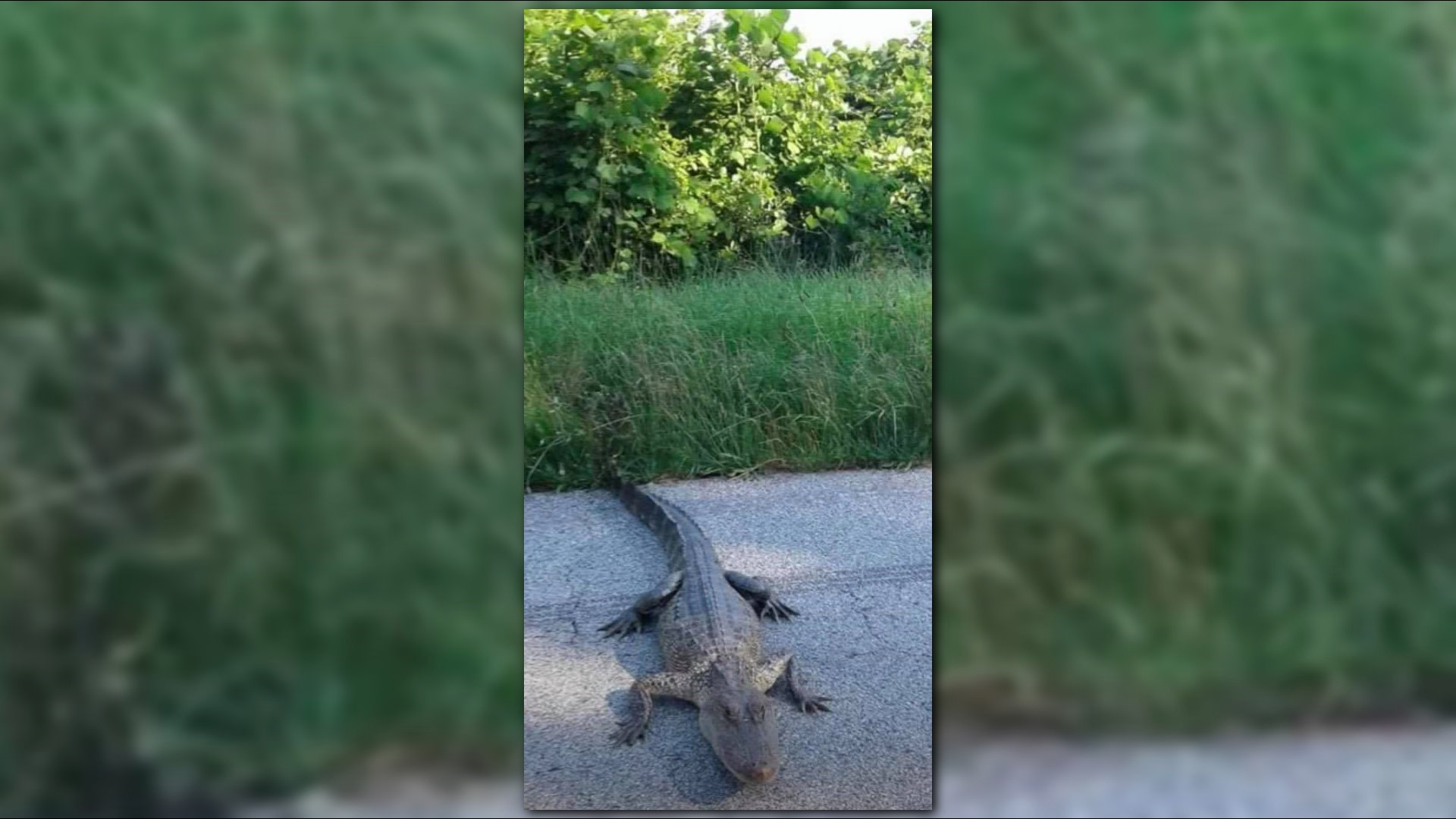
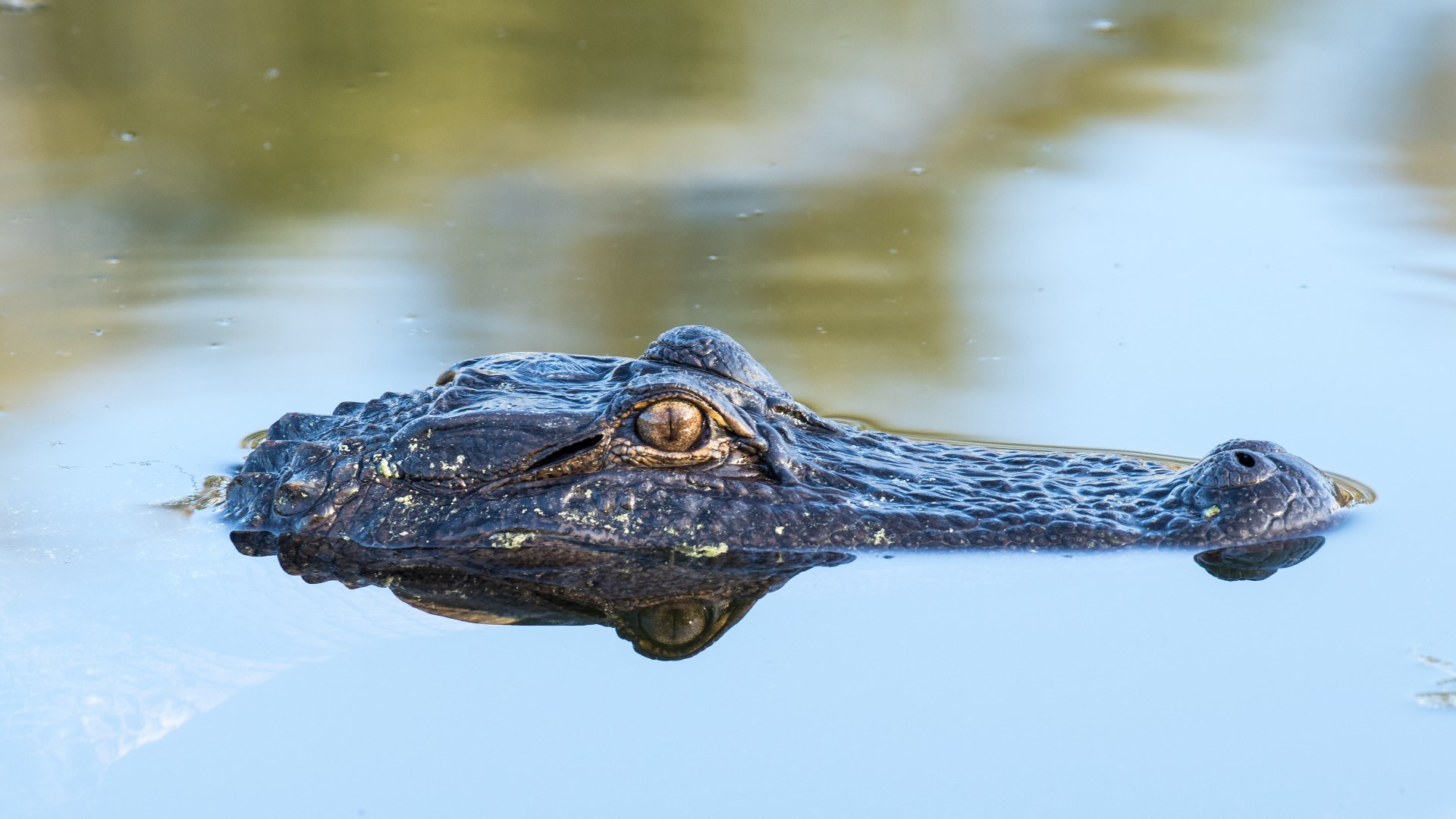
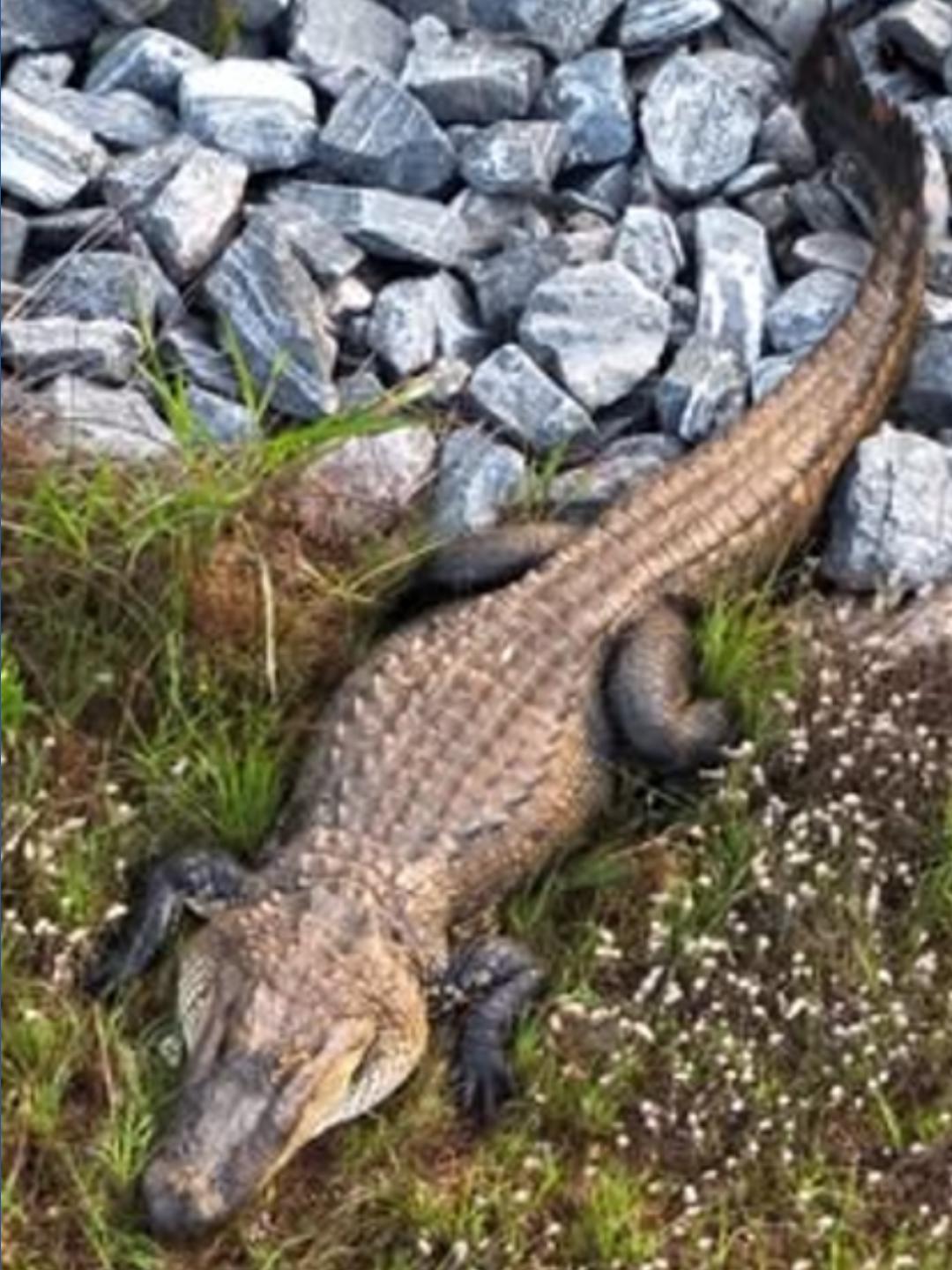
Alligator sightings on the roadsides of Onslow County are a frequent occurrence due to the region's dense network of wetlands, rivers, and coastal marshes. In 2026, as urban expansion intersects with natural habitats, understanding how to safely navigate these encounters is essential for motorists and residents. Drivers should remain in their vehicles, maintain a safe distance of at least 60 feet, and report any gators causing traffic hazards to local authorities or the North Carolina Wildlife Resources Commission.
The Geography of Alligator Encounters in Onslow County
Onslow County is situated in a unique ecological zone where the New River, the White Oak River, and the Intracoastal Waterway create a vast labyrinth of brackish and freshwater habitats. These environments are the primary home of the American Alligator (Alligator mississippiensis). Because many of the county’s major thoroughfares, such as Highway 17, NC 24, and Highway 210, were constructed through or adjacent to these wetlands, the infrastructure effectively bisects the alligators' natural territory.
As of 2026, habitat fragmentation remains a leading cause of roadside sightings. Alligators are ectothermic, meaning they rely on external heat sources to regulate their body temperature. The dark asphalt of Onslow County roads absorbs significant solar radiation, making road surfaces and shoulders attractive basking spots during the cooler mornings of spring and the humid evenings of summer. When an alligator is seen on the roadside, it is often either attempting to regulate its temperature or migrating between different bodies of water in search of food or mates.
The proximity of Camp Lejeune and the various creeks feeding into the New River means that sightings are not limited to rural backroads. Even in more developed areas of Jacksonville or the outskirts of Sneads Ferry, alligators may emerge from drainage ditches and retention ponds, which serve as "wildlife corridors" that lead them directly to the edge of the pavement.
Seasonal Patterns: When Sightings Peak
Understanding the biological calendar of the American Alligator is crucial for predicting when roadside encounters are most likely to occur. While alligators are present year-round, their activity levels fluctuate significantly based on the temperature and their reproductive cycle.
Spring Dispersal and Mating Season
From late April through June, Onslow County experiences a surge in alligator movement. This is the mating season, during which dominant males travel long distances to find mates, and smaller, sub-adult alligators are often pushed out of prime territories by larger bulls. This "forced migration" often leads younger gators to cross roads they would otherwise avoid. During this period, it is not uncommon to see alligators ranging from four to eight feet in length attempting to cross Highway 17 near the Holly Shelter Game Land borders.
Summer Basking and Foraging
In the heat of July and August, alligators become more active at night to avoid the intense midday sun. However, they may still be found on road shoulders in the early morning. Roadside ditches often fill with rainwater during summer storms, drawing alligators toward the pavement in pursuit of fish, frogs, and turtles that congregate in these temporary pools.
Brumation in Winter
During the colder months, alligator metabolism slows down significantly. While they do not "hibernate" in the traditional sense, they enter a state of brumation. Roadside sightings are extremely rare from November through February, as the animals remain submerged in mud or deep water to stay warm.
| Season | Activity Level | Primary Reason for Roadside Presence | Risk Level for Drivers |
|---|---|---|---|
| Spring (Apr-Jun) | Very High | Mating, territory seeking, and basking | High (Frequent movement) |
| Summer (Jul-Sep) | High | Foraging in ditches, nocturnal travel | Moderate (Nighttime visibility) |
| Fall (Oct-Nov) | Low | Moving to winter dens | Low |
| Winter (Dec-Mar) | Minimal | Brumation (Inactivity) | Very Low |
High-Risk Locations for Roadside Sightings
Specific corridors in Onslow County are notorious for alligator activity. Motorists should exercise extra caution when traveling through the following areas:
- Highway 17 (South of Jacksonville): This stretch runs alongside several large swamp complexes. The transition between the Hoffman Forest and the coastal plains creates a high-traffic area for wildlife.
- NC Highway 210 (Sneads Ferry): As the primary route toward North Topsail Beach, this road crosses numerous creeks and marshes. Alligators are frequently spotted on the shoulders near the high-rise bridge and the entrance to the Stones Bay area.
- NC 24 (Near the White Oak River): The eastern edge of the county near Swansboro is prime alligator habitat. The marshes of the White Oak River provide ample cover, and gators often move toward the road during high tide events.
- Blue Creek Road and Catherine Lake Road: These inland routes cross through heavily wooded areas with numerous private ponds and drainage systems, where smaller gators are frequently seen.
Driving Safety: How to Respond to a Roadside Alligator
Coming across a large reptile while driving can be startling, but reacting calmly is essential for the safety of the driver, other motorists, and the animal. In 2026, the North Carolina Wildlife Resources Commission (NCWRC) continues to emphasize the "Keep Your Distance" protocol.
Do Not Stop on the Roadway
One of the greatest dangers associated with roadside alligator sightings is not the animal itself, but the behavior of rubbernecking drivers. Stopping suddenly on a high-speed road like Highway 17 can cause rear-end collisions. If you wish to observe the animal, ensure you pull completely off the road into a safe, designated parking area or a wide shoulder, provided it does not impede traffic.
Stay in Your Vehicle
An alligator on land may appear slow or lethargic, but they are capable of explosive bursts of speed over short distances. In 2026, safety experts remind the public that an alligator can lunge at a speed of 30 miles per hour. Staying inside your vehicle provides a physical barrier and prevents the animal from feeling threatened. Opening a door or leaning out of a window to take photos can provoke a defensive strike.
Nighttime Vigilance
Alligators are difficult to see at night. Their dark skin blends perfectly with the asphalt, and unlike mammals, their eyes may not always reflect headlights if they are positioned at a certain angle. Onslow County drivers should use high-beam headlights when appropriate and reduce speed in areas marked with "Wildlife Crossing" signs or near known wetlands. Hitting an alligator is comparable to hitting a large log or a concrete block; it can cause severe vehicle damage, trigger airbag deployment, and lead to a loss of control.
Legal Status and Protections
The American Alligator is protected under North Carolina law. In Onslow County, as in the rest of the state, it is illegal to "take" (kill, capture, or harass) an alligator without a specific permit from the North Carolina Wildlife Resources Commission.
The Prohibition of Feeding
One of the most critical laws regarding alligators is the strict prohibition against feeding them. Feeding alligators—even from a distance on a roadside—causes them to lose their natural fear of humans. Once an alligator associates humans with food, it becomes a "nuisance alligator," which often necessitates its removal or euthanasia. In 2026, fines for feeding alligators remain significant, reflecting the state's commitment to preventing dangerous human-wildlife conflicts.
Harassment and Self-Defense
It is illegal to throw objects at alligators to make them move or to attempt to "shoo" them off the road. If an alligator is blocking a driveway or a public road, you must wait for the animal to move on its own or contact professional wildlife officers. Only in cases of immediate, life-threatening danger is self-defense involving a protected species legally scrutinized, and even then, the burden of proof lies with the individual.
Reporting Procedures: Who to Contact
Not every alligator sighting requires a call to authorities. In Onslow County, the response depends entirely on the location and behavior of the animal.
Non-Emergency Sightings
If you see an alligator basking on a roadside or in a ditch where it is not posing a direct threat to traffic or pedestrians, no report is necessary. The NCWRC follows a "coexistence" policy, acknowledging that alligators are a natural part of the coastal ecosystem.
Traffic Hazards and Immediate Danger
If an alligator is physically in the middle of a travel lane or is behaving aggressively toward people in a high-traffic area, you should:
- Call 911: Local law enforcement (Onslow County Sheriff’s Office or Jacksonville Police) can assist with traffic control to prevent accidents.
- Contact the NC Wildlife Helpline: For expert advice and to report consistent nuisance behavior, call 866-318-2401. This line is staffed by biologists who can determine if a licensed alligator agent needs to be dispatched.
The Role of Alligator Agents
In 2026, the NCWRC utilizes a network of North Carolina Alligator Control Agents. These are private individuals authorized by the state to remove alligators that have been deemed a "nuisance" by a state biologist. It is important to note that alligators are rarely relocated. Because they have a powerful homing instinct, a relocated alligator will often travel miles across dangerous terrain and roads to return to its original territory. Therefore, removal often results in the animal being euthanized, which is why biologists only authorize "taking" an animal as a last resort.
Safety Tips for Onslow County Residents
While roadside sightings are the focus for many travelers, these encounters often translate to backyard or neighborhood sightings in Onslow County’s residential areas.
- Keep Pets on Leashes: Alligators view small dogs and cats as natural prey. Never allow pets to wander near the edge of roadside canals or ponds, especially at dusk or dawn.
- Maintain Your Property: Clear tall grass and brush from the edges of water bodies on your property. Alligators prefer the cover of vegetation; a clear bank makes the area less attractive for them to bask or hide.
- Educate Children: Ensure children understand that alligators are not "friendly" animals and should never be approached, even if they appear to be sleeping.
- Dispose of Fish Scraps Properly: If you are fishing in Onslow County’s numerous creeks, do not throw fish carcasses into the water or on the bank near roadside bridges. This acts as an attractant and encourages alligators to frequent areas used by humans.
Frequently Asked Questions
Can an alligator climb a roadside fence?
Yes, alligators are surprisingly good climbers. They can scale chain-link fences and steep embankments if they are motivated to reach water or a mate. A standard roadside fence is often not enough to keep an alligator off the highway.
How fast can an alligator move on land?
While they are built for swimming, alligators can move at speeds of up to 30 mph in short, straight-line bursts. However, they tire quickly on land. If you encounter one, move away in any direction; the "zigzag" running advice is largely a myth—simply putting distance between yourself and the animal is the most effective strategy.
Why does the state not move the alligators away from the roads?
Relocation is generally ineffective for American Alligators. Studies have shown they possess remarkable navigational skills and will return to their capture site even from distances of over 30 miles. Relocating them also disrupts the social hierarchy of the alligator population in the release area, often leading to more conflict.
What should I do if I hit an alligator with my car?
Treat the situation like any other vehicle accident involving a large animal. Pull over safely, turn on your hazard lights, and call 911. Do not approach the alligator, even if it appears dead; a wounded alligator is extremely dangerous. Law enforcement will coordinate with wildlife officers to clear the scene.
Are alligators more aggressive in 2026 than in previous years?
There is no biological evidence that alligators have become more aggressive. However, as the population of Onslow County grows and more roads are built, the frequency of interactions increases. This leads to a perception of increased aggression, when in reality, it is simply a matter of increased contact.
Final Recommendation for Residents and Visitors
The presence of alligators on the roadsides of Onslow County is a testament to the region's rich biodiversity. The best course of action is always passive observation from a safe distance. By respecting the legal protections afforded to these reptiles and following driving safety protocols—particularly at night—residents and visitors can ensure a safe environment for both the human and wildlife populations. If you encounter an alligator that is causing a genuine safety hazard, rely on the trained professionals at the North Carolina Wildlife Resources Commission rather than attempting to handle the situation yourself.