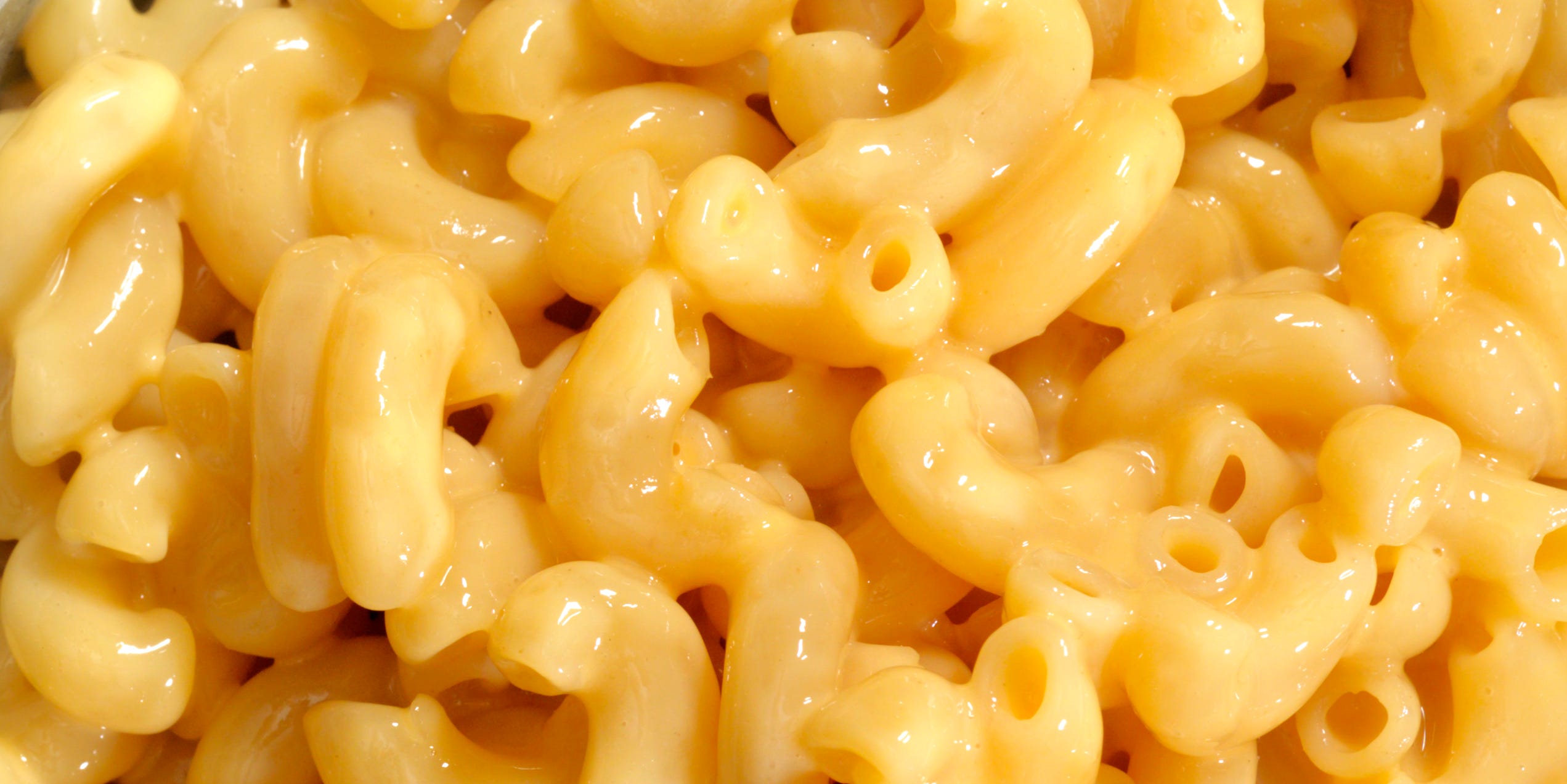
Consumers should immediately check their refrigerators and pantries for specific macaroni and cheese products, notably those produced by Reser’s Fine Foods and associated private labels, due to a recall involving undeclared allergens like milk, wheat, or soy. Affected items pose a severe health risk to individuals with specific food sensitivities and should be returned for a full refund or discarded.
Identifying the Affected Mac and Cheese Products
The recent wave of recalls affecting macaroni and cheese brands primarily centers on the failure to declare major allergens on the product packaging. When a manufacturer discovers that an ingredient—such as milk, egg, wheat, or soy—is present in the food but not listed on the label, a Class I recall is typically initiated. This is the most serious category of recall, reserved for situations where there is a reasonable probability that the use of or exposure to a violative product will cause serious adverse health consequences or death.
In the most significant recent incidents, Reser’s Fine Foods issued a widespread recall for various deli-style and refrigerated macaroni and cheese products. Because Reser’s acts as a major co-packer and supplier for numerous grocery chains, the recall extended to several "private label" or store-brand items. Consumers must look beyond the brand name on the front of the box or container and examine the specific identifiers provided by the Food and Drug Administration (FDA) and the United States Department of Agriculture (USDA).
How to Check Your Product Labels
To determine if your macaroni and cheese is part of the recall, you must verify three primary pieces of information:
- The Brand and Product Name: While Reser’s is the manufacturer, the label might say "Main St. Bistro," "Stater Bros.," or other regional supermarket brands.
- The "Use By" or "Best By" Date: Recalls are almost always limited to specific production windows. In 2024 and 2025, these dates were critical for isolating batches contaminated due to equipment cross-contact or labeling errors.
- The UPC and Lot Codes: These numerical identifiers are usually found near the barcode or printed on the plastic film or bottom of the container. The manufacturer uses these codes to track exactly which facility and production line produced the item.
The scope of these recalls often includes "Family Size" containers (32 oz or larger) and "Single Serve" portions found in the refrigerated deli section. It is important to note that this specific allergy-related recall is distinct from those involving foreign matter (like metal or plastic) or bacterial contamination (like Listeria), though the urgency for consumers with allergies remains paramount.
Understanding the Specific Allergy Risk: What Was Undeclared?
The primary reason for the recent mac and cheese recalls was the presence of undeclared milk, wheat, and soy. While it may seem counterintuitive for a "cheese" product to have an undeclared milk alert, these recalls often occur when a specific sub-ingredient—such as a thickener, a flavor enhancer, or a specific cheese culture—contains a protein that isn't clearly listed in the master ingredient statement.
The Danger of Undeclared Milk
For the general population, milk in macaroni and cheese is expected. However, for individuals with a severe milk allergy, the presence of even trace amounts of whey or casein (milk proteins) can trigger a systemic immune response. This is fundamentally different from lactose intolerance, which is a digestive issue. A milk allergy can cause hives, swelling of the throat, and life-threatening anaphylaxis.
Wheat and Soy Cross-Contamination
Wheat and soy are often used as stabilizers or thickeners in the roux (the flour and fat mixture) that forms the base of the cheese sauce. If a production facility switches from a "gluten-free" or "soy-free" formulation to a standard one without properly cleaning the lines, or if the wrong label is applied to a batch containing these ingredients, the product becomes a "hidden" source of allergens. Under the Food Allergen Labeling and Consumer Protection Act (FALCPA), these "Big 9" allergens must be clearly identified in plain English.
| Brand/Distributor | Affected Product Name | Common Identifying Codes | Primary Reason for Recall |
|---|---|---|---|
| Reser’s Fine Foods | Main St. Bistro Macaroni & Cheese | Use By: 2024/2025 batches | Undeclared Milk & Soy |
| Store Brands | Deli-Style Mac & Cheese (Various) | UPCs starting with 71117 | Labeling Error |
| Regional Labels | Stater Bros. Macaroni Salad/Mac & Cheese | Specific Lot Codes | Undeclared Wheat |
| Bakkavor/Whole Foods | Curried Chicken/Mac Sides | Use By: Late 2024 | Undeclared Egg |
Timeline and Scope of the 2024–2026 Recall Actions
The regulatory landscape in 2026 reflects a period of heightened scrutiny following several high-profile labeling errors in 2024 and 2025. The Reser’s Fine Foods recall served as a catalyst for more frequent FDA inspections of co-packing facilities where multiple brands share the same production equipment.
In many cases, the recall starts with a "Firm-Initiated Recall." This happens when the company’s internal quality control team notices a discrepancy—perhaps a supplier changed the composition of a cheese powder without notifying the manufacturer. Once the company notifies the FDA, a public health alert is issued. In the case of the macaroni and cheese recalls, the scope often expanded from a single region (such as the Pacific Northwest) to a national level as distribution records were reconciled.
Why Macaroni and Cheese Recalls Are Frequent
The complexity of macaroni and cheese production makes it susceptible to allergen errors. A standard refrigerated mac and cheese involves:
- Pasta Production: Potential for undeclared wheat or egg.
- Sauce Formulation: Complex blends of milk, butter, cheese cultures, and emulsifiers.
- Packaging Lines: Where the most common error—putting the wrong lid or label on a container—occurs.
By early 2026, many manufacturers have implemented enhanced Automated Label Verification Systems. These systems use cameras to scan the barcode and the ingredient list on every unit to ensure they match the product being filled. However, older facilities or smaller regional producers may still rely on manual checks, which increases the risk of human error.
Steps to Take if You Have Recalled Mac and Cheese
If you identify a recalled product in your home, your immediate priority is to ensure it is not consumed by anyone in the household, particularly those with food allergies. Even if you have consumed a portion of the product and did not experience a reaction, the remaining portion could contain a higher concentration of the undeclared allergen due to improper mixing or "pockets" of ingredients.
1. Do Not Consume or Serve
The safest action is to immediately remove the product from your refrigerator. If you have children or roommates who might unknowingly eat the food, mark the container clearly with "DO NOT EAT" or "RECALL."
2. Choose Between Refund and Disposal
Most retailers, including major chains like Costco, Safeway, and Kroger, are required to honor the recall by providing a full refund. You usually do not need a receipt if the product is clearly part of the recall; the UPC or the physical container is sufficient.
- To Get a Refund: Return the unopened or opened container to the customer service desk of the store where it was purchased.
- To Dispose Safely: If you choose not to return it, empty the contents into a trash bag and seal it to prevent pets or wildlife from consuming it. Rinse the original plastic container before recycling or discarding it.
3. Sanitization
While an allergen recall is not a bacterial "outbreak," if the product leaked in your refrigerator, it is good practice to wipe down the area. For someone with a severe, hypersensitive allergy, cross-contact with a surface that touched undeclared milk or wheat can be a concern.
Manufacturer and Retailer Responsibilities
Under current 2026 guidelines, manufacturers and retailers have a legal and ethical obligation to notify the public quickly. When a brand like Reser’s or a private label is recalled, the "Reverse Supply Chain" is activated.
- Retailer Responsibility: Stores must immediately pull affected lot codes from their shelves. Many modern point-of-sale systems are programmed to "lock" the barcode of a recalled item so it cannot be scanned or sold at the register.
- Communication: Large retailers often use loyalty card data to contact consumers directly via email or automated phone calls if they purchased a recalled item. This is why maintaining updated contact information with your grocery store’s rewards program is a vital safety step.
- Regulatory Oversight: The FDA monitors the effectiveness of the recall by conducting "effectiveness checks." They contact the manufacturer’s customers (the grocery stores) to ensure they received the notice and removed the products.
Managing Severe Allergic Reactions (Medical Guidance)
For those who may have already consumed the recalled macaroni and cheese, it is vital to monitor for symptoms of an allergic reaction. Symptoms can appear within minutes or up to two hours after ingestion.
Symptoms of a Reaction
- Skin: Hives, itching, or redness.
- Respiratory: Wheezing, nasal congestion, or shortness of breath.
- Gastrointestinal: Abdominal pain, diarrhea, nausea, or vomiting.
- Cardiovascular: Dizziness, lightheadedness, or fainting (indicating a drop in blood pressure).
Anaphylaxis is a severe, potentially life-threatening allergic reaction. If you experience swelling of the tongue or throat, difficulty breathing, or a rapid pulse, seek emergency medical attention immediately. Individuals with known allergies should use their epinephrine auto-injector (such as an EpiPen) as directed by their physician while waiting for emergency responders.
Disclaimer: This information is for educational purposes and does not replace professional medical advice. If you suspect a serious allergic reaction, contact emergency services (911 in the U.S.) immediately.
Future Prevention: How to Stay Informed on Food Safety
As of 2026, the speed of information has increased, but so has the complexity of our food supply. To avoid being caught off guard by a mac and cheese recall or any other food safety alert, consumers should utilize several available tools.
- FDA and USDA Alerts: You can sign up for direct email notifications at FoodSafety.gov. This portal consolidates recalls from both the FDA (which handles processed foods like mac and cheese) and the USDA (which handles products containing significant amounts of meat).
- Recall Apps: Several third-party apps now aggregate recall data based on your location and the stores you frequent.
- Social Media: Following the official accounts of the FDA and major grocery chains can provide real-time updates, though these should always be verified against official lot codes.
By understanding the "Why" behind these recalls—often a simple labeling mistake on a production line—consumers can better navigate the risks. While it is frustrating to find a staple item like macaroni and cheese recalled, these actions are a sign that the food safety system is working to protect vulnerable populations from undeclared allergens.
Frequently Asked Questions
Can I still eat the macaroni and cheese if I don't have a food allergy?Technically, if the recall is strictly for an undeclared allergen (like milk or wheat) and you have no sensitivity to those ingredients, the food is likely safe to eat. However, food safety experts generally recommend following the recall instructions and returning or discarding the product regardless. There is always a small risk that the labeling error indicates broader quality control failures at the facility.
How do I find the lot code on a refrigerated mac and cheese container?Lot codes are usually laser-printed on the side of the plastic tub, on the bottom, or on the clear film underneath the outer cardboard sleeve. They often appear as a string of letters and numbers (e.g., LOT 123456) accompanied by a "Best By" date. If the code is smudged or unreadable, it is safest to assume the product is part of the recall if the brand and date range match.
What is the difference between a "voluntary" recall and a mandatory one?Most food recalls are "voluntary," meaning the company (like Reser’s) chooses to pull the product after discovering a problem. The FDA has the authority to mandate a recall if a company refuses to act, but this is rare. A "voluntary" recall is still an official safety action and should be treated with the same seriousness as a mandated one.
Will I get my money back if I already threw away the packaging?Most retailers require the packaging or a receipt to process a refund. However, if you have a loyalty card or rewards account, the store can often look up your purchase history to verify that you bought the recalled item. If you have already discarded the item, it is still worth calling your local store to see if they can offer a credit to your account.
Does this recall affect dry, boxed macaroni and cheese (like Kraft)?Recalls are specific to brands and production batches. Unless the FDA or the specific brand (e.g., Kraft Heinz) issues an alert for dry boxed products, the recent Reser’s/private label recalls generally only affect refrigerated, "deli-style" items. Always check the specific brand name mentioned in the official FDA recall announcement.
Final Recommendation
If you have purchased refrigerated macaroni and cheese recently, stop and check the label now. If the brand, UPC, or "Best By" date matches the recall list, do not open it. Take a photo of the label for your records, then return the product to your local grocery store for a full refund. Staying proactive is the best way to ensure your family's safety against undeclared food allergens.