To travel from Albuquerque to Las Cruces, New Mexico, you must cover a driving distance of approximately 225 miles (362 kilometers) via the Interstate 25 (I-25) corridor. The journey typically takes between 3 hours and 15 minutes to 3 hours and 45 minutes, depending on traffic, weather conditions, and selected transit modes such as personal vehicle, shuttle, or bus.
The route between Albuquerque, the state’s largest metropolitan center, and Las Cruces, the second-largest city and home to New Mexico State University, is one of the most vital transportation arteries in the American Southwest. Whether you are a student commuting for the semester, a business professional heading to the Spaceport America region, or a tourist exploring the high desert, understanding the logistical nuances of this 225-mile stretch is essential for a safe and efficient trip.
In 2026, the infrastructure along the I-25 corridor has seen several enhancements, yet the fundamental geography remains a vast, scenic expanse of the Rio Grande Valley. This guide provides a technical and practical breakdown of the distance, transit methodologies, costs, and safety considerations for the Albuquerque-to-Las Cruces route.
Detailed Distance Breakdown: Road vs. Air
When discussing the distance between Albuquerque and Las Cruces, it is important to distinguish between "as the crow flies" (geodesic distance) and actual road mileage.
Geodesic Distance
The linear distance between the center of Albuquerque and the center of Las Cruces is approximately 192 miles (309 kilometers). This measurement is primarily relevant for aviation and telecommunications but does not reflect the reality of ground travel due to the curvature of the Rio Grande and the placement of mountain ranges like the San Mateo and Magdalena Mountains.
Road Mileage
The primary route is I-25 South. From the "Big I" interchange in downtown Albuquerque to the I-25/I-10 interchange in Las Cruces, the odometer will read approximately 225 miles. If you are starting from the Albuquerque International Sunport (ABQ), the distance is slightly shorter, at roughly 221 miles.
Travel Time Estimates
- Passenger Vehicle: 3 hours 15 minutes (at an average speed of 70–75 mph).
- Commercial Bus (Greyhound): 3 hours 45 minutes to 4 hours 30 minutes (including stops in Socorro or Truth or Consequences).
- Private Shuttle (Groome Transportation): 3 hours 30 minutes.
Driving via Interstate 25: The Primary Route
For the vast majority of travelers in 2026, driving a personal or rental vehicle remains the most flexible and popular option. The route is straightforward but requires attention to fuel levels and weather patterns.
Route Path and Topography
The drive follows the Rio Grande Valley southward. Upon leaving Albuquerque, you descend slightly in elevation from approximately 5,300 feet to about 3,900 feet in Las Cruces. The terrain is characterized by high desert mesas, volcanic escarpments, and the sprawling floodplains of the Rio Grande.
- Albuquerque to Socorro (approx. 75 miles): This first leg passes through the Isleta Pueblo and Los Lunas. The traffic is heaviest near Albuquerque but thins significantly after passing Belen.
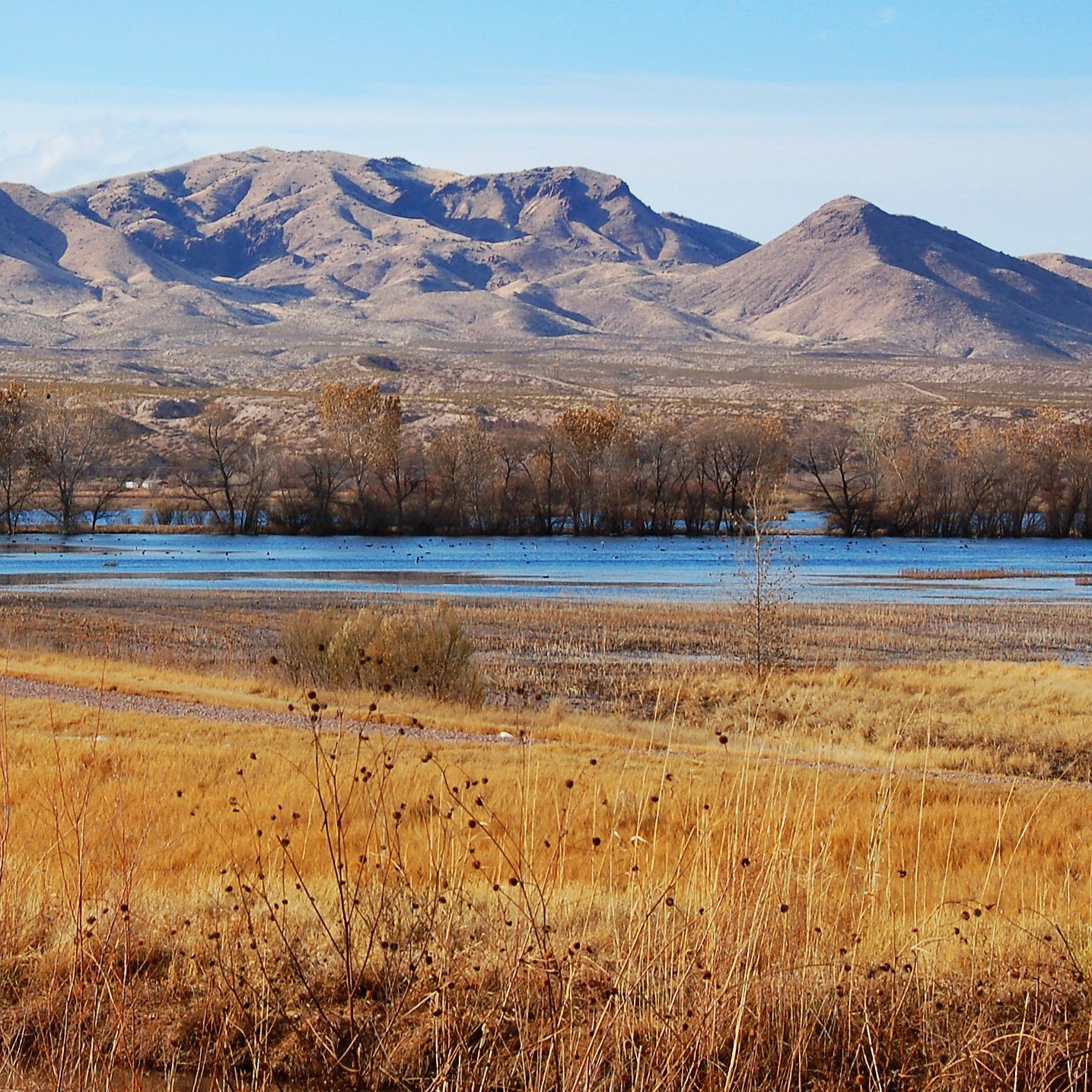
- Socorro to Truth or Consequences (approx. 75 miles): This is the most desolate stretch of the trip. There are very few services between these two points. The road skirts the edge of the Bosque del Apache National Wildlife Refuge.
- Truth or Consequences to Las Cruces (approx. 75 miles): The final leg passes by Elephant Butte Lake and through the Caballo Mountains area. As you approach Las Cruces, the Doña Ana Mountains become visible to the east.
Fuel and Charging Infrastructure
As of 2026, the I-25 corridor has robust support for both internal combustion and electric vehicles (EVs).
- Gasoline: Reliable fuel stations are located in Los Lunas, Socorro, Truth or Consequences (T or C), and Hatch. It is highly recommended not to let your fuel gauge drop below a quarter tank between Socorro and T or C, as there are long stretches without services.
- Electric Vehicle Charging: High-speed DC Fast Chargers (Level 3) are now well-distributed. Major hubs include the Albuquerque Sunport, the Socorro historic district, and multiple locations in Las Cruces near the University. Most major truck stops along the route (such as Love's or TA) have integrated EV charging bays.
Road Safety and Speed Limits
The speed limit for much of I-25 between these cities is 75 mph. However, drivers should be aware of:
- Crosswinds: The Rio Grande Valley is prone to high-velocity crosswinds, which can be hazardous for high-profile vehicles (RVs, trailers, and vans).
- Dust Storms: In the spring months, localized dust storms can reduce visibility to near zero instantly, particularly south of Truth or Consequences.
- Wildlife: Deer and elk are common, especially near the Bosque del Apache region. Dawn and dusk are the highest-risk times for wildlife collisions.
Bus and Shuttle Services
For those who prefer not to drive, several commercial carriers offer daily service between the two cities.
Groome Transportation (Formerly Sandia Shuttle)
Groome Transportation is the primary shuttle provider for travelers connecting from the Albuquerque International Sunport to Las Cruces. In 2026, they continue to offer multiple departures daily.
- Pros: Door-to-door or terminal-to-terminal service; professionally driven; equipped with Wi-Fi.
- Cons: More expensive than a standard bus; requires advance booking.
- Pickup/Drop-off: Typically the ABQ Sunport and designated hotels or the NMSU campus in Las Cruces.
Greyhound Lines
Greyhound remains the most affordable intercity travel option. The bus station in Albuquerque is located at the Alvarado Transportation Center (ATC), which allows for easy transfers from the Rail Runner or local city buses.
- Route: Most Greyhound buses traveling south will stop in El Paso, Texas, after Las Cruces.
- Estimated Cost: $35–$65 depending on how far in advance the ticket is purchased.
- Duration: Can vary significantly based on the number of intermediate stops.
Regional Transit Options
The South Central Regional Transit District (SCRTD) and Rio Metro RTD provide some connectivity, but there is currently no single regional government bus that spans the entire 225-mile gap without multiple transfers. Travelers looking for "public" options usually take the New Mexico Rail Runner from Albuquerque to Belen and then must rely on a pre-arranged shuttle or ride-share to continue south.
Alternative Travel Options: Rail and Air
While there is no direct high-speed rail or commercial flight between Albuquerque and Las Cruces, there are niche alternatives for specific travel needs.
The New Mexico Rail Runner Express
The Rail Runner is a commuter rail system that connects Santa Fe and Albuquerque to Belen. It does not extend to Las Cruces. For a traveler to use the train for this journey, they would take the rail to the southernmost station (Belen) and then require a vehicle for the remaining 150 miles. This is generally not recommended unless the traveler has a vehicle waiting in Belen.
Private and Charter Aviation
Las Cruces is served by the Las Cruces International Airport (LRU). While it does not host major commercial airlines (which primarily use El Paso International - ELP), it is a major hub for private aviation, corporate charters, and government flights.
- Flying to El Paso: Many travelers find it more convenient to fly into El Paso (ELP) if they are visiting Las Cruces, as the drive from ELP to Las Cruces is only about 45 miles (45 minutes) via I-10.
- General Aviation: For those with private pilot licenses, the flight from ABQ (Double Eagle II or Sunport) to LRU is a standard 1.5-hour cross-country flight.
Comparison of Travel Methods (2026 Estimates)
| Feature | Personal Vehicle | Commercial Bus (Greyhound) | Private Shuttle (Groome) |
|---|---|---|---|
| Duration | 3h 15m | 4h 00m - 5h 00m | 3h 30m |
| Estimated Cost | $30–$50 (Fuel) | $35–$65 | $75–$110 |
| Frequency | On-demand | 2–4 times daily | 4–6 times daily |
| Flexibility | High (Stops anywhere) | Low (Fixed stops) | Medium (Scheduled) |
| Reliability | Depends on driver | High (Fixed schedule) | High (Airport focus) |
Notable Stops and Points of Interest
The 225-mile journey is not merely empty desert. There are several locations where travelers can rest, refuel, or explore New Mexico's history.
Socorro, NM
Located about an hour south of Albuquerque, Socorro is a historic town home to New Mexico Tech. It is a popular stopping point for a meal.
- The Very Large Array (VLA): While a 50-mile detour west of Socorro on Hwy 60, it is a world-renowned astronomical site.
- San Miguel Mission: One of the oldest Catholic churches in the United States.
Truth or Consequences (T or C), NM
Formerly known as Hot Springs, this town renamed itself after a popular radio show in 1950. It is famous for its natural geothermal mineral baths.
- Elephant Butte Lake State Park: Just north of T or C, this is the largest reservoir in New Mexico and a hub for boating and fishing.
- Spaceport America: Located southeast of T or C, this is the world's first purpose-built commercial spaceport. Tours usually depart from T or C.
Hatch, NM
Known as the "Chile Capital of the World," Hatch is a slight detour off I-25 (taking NM-185 or exiting at the Hatch interchange).
- Culinary Stop: If you are traveling during the harvest season (August–September), the smell of roasting green chile fills the air. It is a mandatory stop for foodies looking for authentic New Mexican cuisine.
Seasonal Weather and Road Conditions
Weather in the high desert can be deceptive. While the route is generally dry, seasonal changes in 2026 still present specific challenges.
Winter (December - February)
While Las Cruces rarely sees heavy snow, the climb toward Albuquerque can involve icy patches, especially near the "La Bajada" area (though that is north of ABQ) or the higher elevation passes near Socorro. I-25 is occasionally closed during severe "blue northers" or winter storms that bring freezing rain.
Spring (March - May)
This is the windiest season. Sustained winds of 30 mph with gusts up to 60 mph are common. High-profile vehicles should check the New Mexico Department of Transportation (NMDOT) for wind advisories before departing.
Summer (June - August)
Temperatures in Las Cruces frequently exceed 100°F (38°C). If driving, ensure your vehicle’s cooling system is in peak condition. Car breakdowns in the desert heat can quickly become life-threatening emergencies without adequate water.
Frequently Asked Questions
Is there a train from Albuquerque to Las Cruces?
No, there is currently no direct passenger train service connecting the two cities. The New Mexico Rail Runner Express only travels as far south as Belen. Extension plans have been discussed for years, but as of 2026, the remaining 150 miles must be covered by road.
What is the cheapest way to get from Albuquerque to Las Cruces?
The most cost-effective method is typically a Greyhound bus, especially when tickets are booked at least two weeks in advance. Ride-sharing apps or carpooling via university boards (NMSU/UNM) are also viable low-cost alternatives for students.
How far is Las Cruces from the Albuquerque International Sunport?
The driving distance is approximately 221 miles. Most of the journey is on I-25 South. If you are renting a car at the Sunport, the rental car center is located slightly off-site, so add about 20 minutes to your total travel time for the shuttle and check-in process.
Is the drive between Albuquerque and Las Cruces scenic?
Yes, in a rugged, southwestern way. You will see the Rio Grande, the Caballo Mountains, the Fra Cristobal Range, and the iconic Organ Mountains as you approach Las Cruces. The landscape is vast and offers a classic "Old West" aesthetic.
Are there plenty of places to eat along I-25?
Major dining hubs are located in Socorro, Truth or Consequences, and Hatch. Outside of these towns, services are extremely limited. It is wise to carry snacks and at least one gallon of water per person when traveling through the more remote stretches of the New Mexico desert.
Practical Recommendation
For the most balanced experience of speed, cost, and safety in 2026, driving a personal or rental vehicle remains the superior option. It allows for necessary breaks in Truth or Consequences and the flexibility to navigate Las Cruces once you arrive, as the city is quite spread out and has limited internal public transit.
If you are an international traveler or do not wish to drive, booking a Groome Transportation shuttle directly from the ABQ Sunport is the most reliable "stress-free" alternative. Always verify current road conditions via the NMDOT "NMRoads" portal before starting your trip to account for any unexpected construction or weather-related delays on I-25.