Albanian symbols are the visual and conceptual manifestations of a nation defined by its ancient roots, resilience against empires, and unique linguistic identity. The most prominent symbol is the double-headed eagle, representing sovereignty and the "Land of the Eagles," while others like Skanderbeg’s helmet and the plis embody centuries of resistance and tradition.
The symbols of Albania serve as more than mere decorations; they are the narrative threads of the Shqiptarë (Albanians). From the deep red of the national flag to the intangible code of Besa, these icons connect the modern Republic of Albania in 2026 to its Illyrian ancestors and its medieval glory. Understanding these symbols requires a journey through Byzantine heraldry, Ottoman resistance, and a 20th-century struggle for independence that continues to shape the country’s modern identity.
The National Flag: The Red and Black Standard
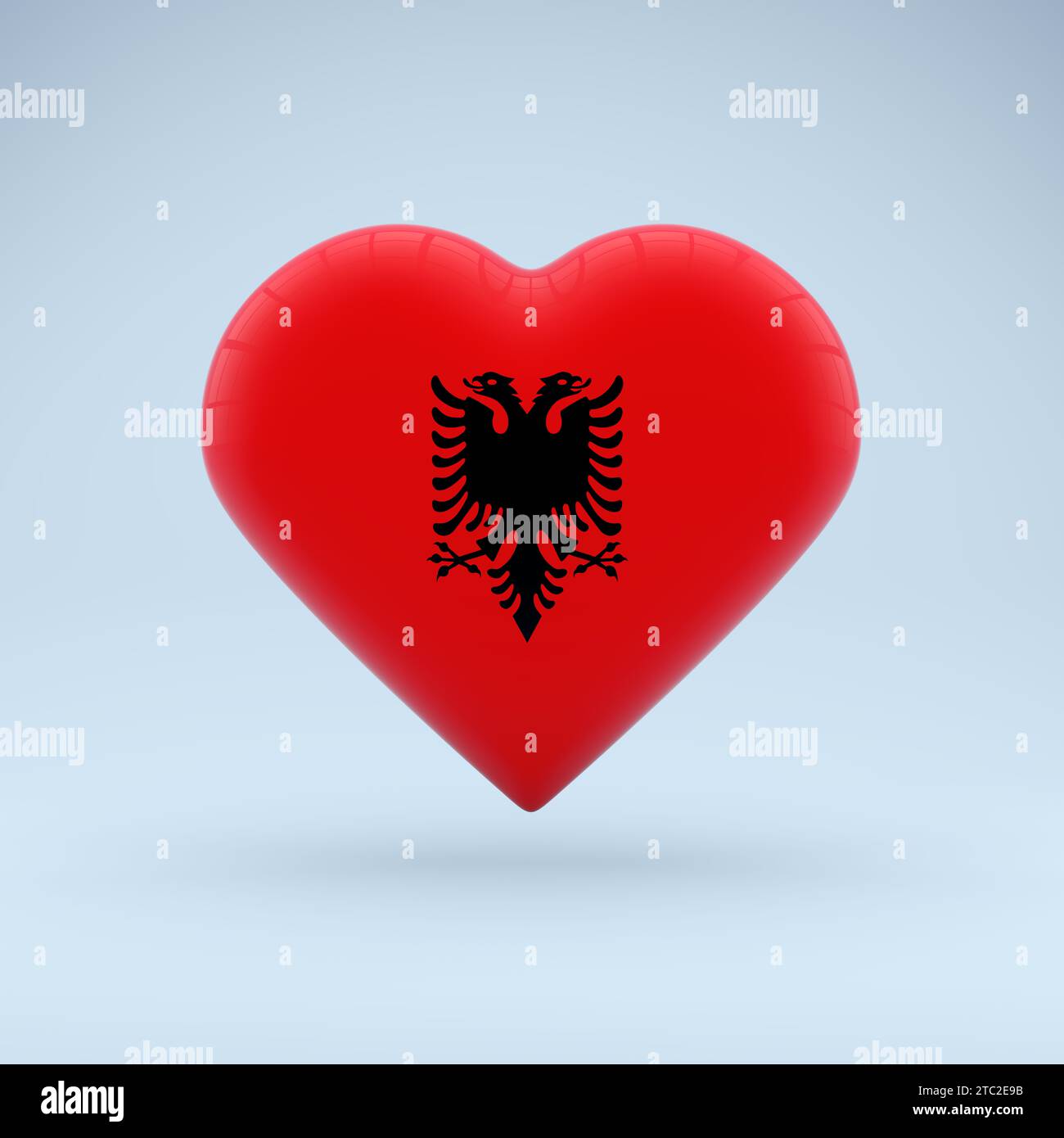
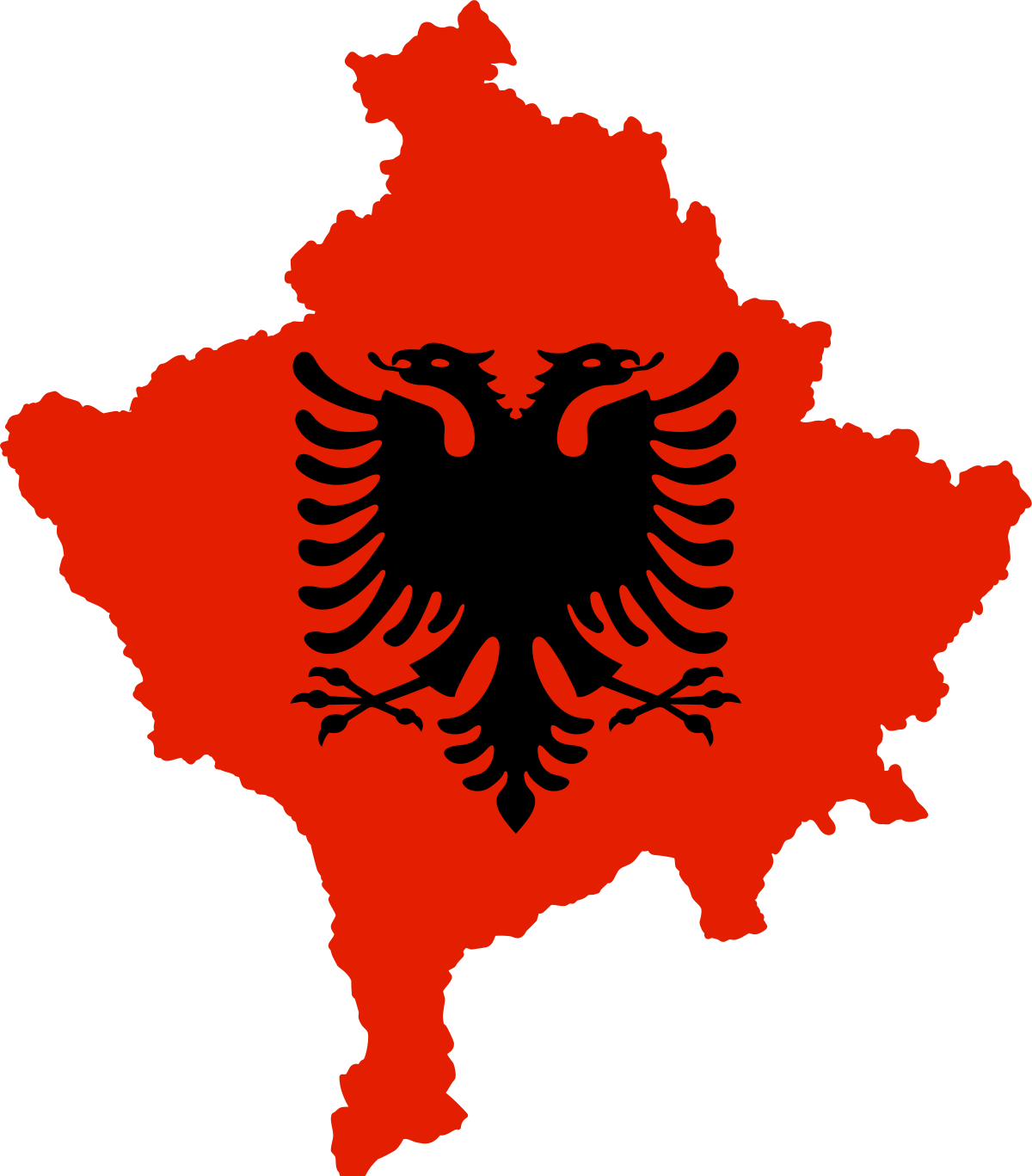
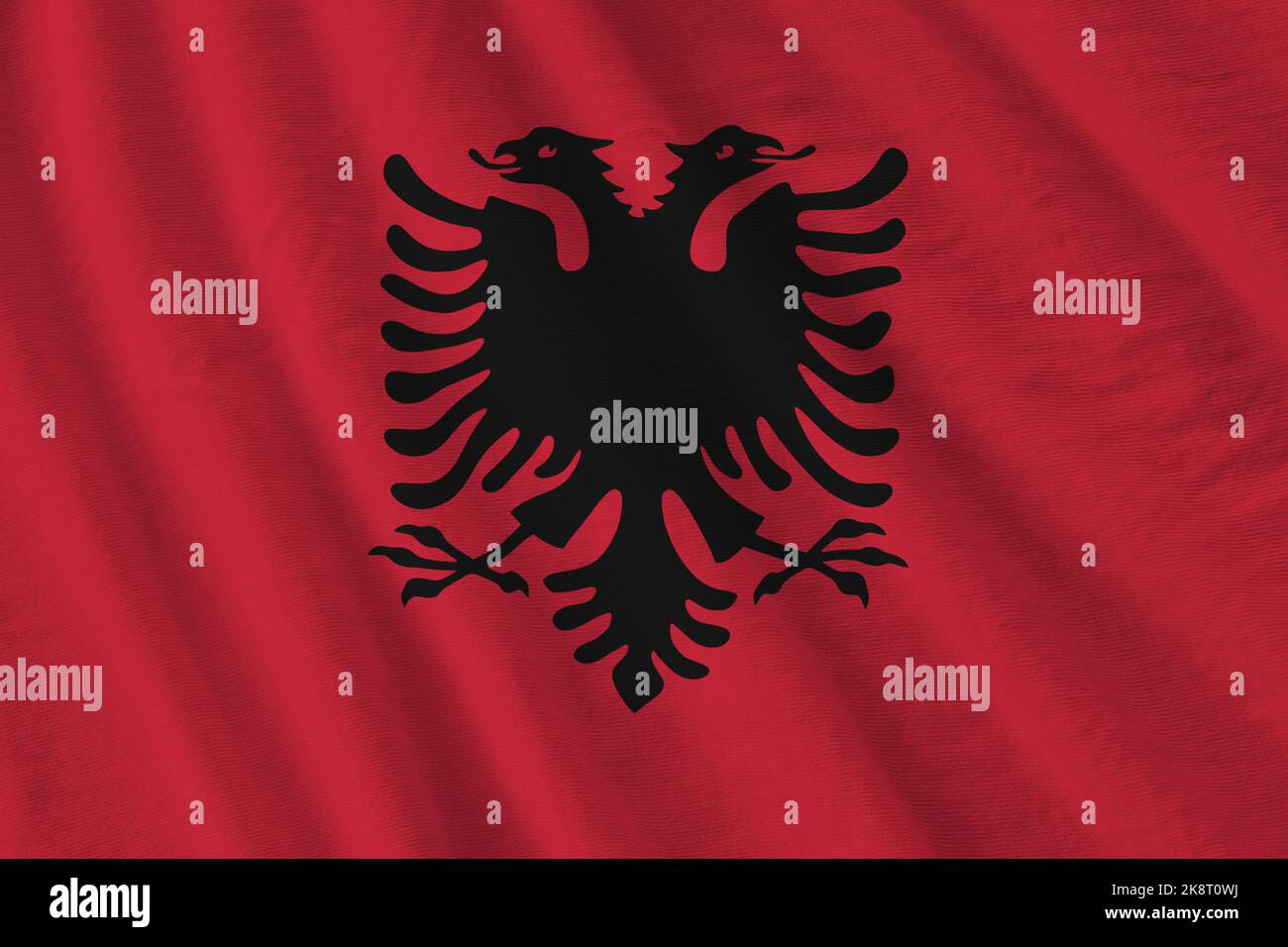
The Albanian flag, known as the Flamuri i Shqipërisë, is perhaps the most recognizable symbol of the nation. It consists of a solid blood-red field with a black double-headed eagle positioned in the center. In 2026, as Albania continues its integration into European structures, the flag remains a potent symbol of unity for the global Albanian diaspora.
Historical Evolution of the Eagle
The double-headed eagle is a heraldic symbol that dates back to the Byzantine Empire. It was adopted by the House of Kastrioti, the most famous member of which was Gjergj Kastrioti, known as Skanderbeg. In 1444, Skanderbeg used this emblem to unite the Albanian principalities against the Ottoman Empire.
The two heads of the eagle have historically represented the duality of authority—the church and the state—or the geographical positioning of the empire between the East and the West. For Albanians, however, the symbol became synonymous with the name of the country itself: Shqipëria, which translates to "Land of the Eagles." The red background symbolizes the bravery, strength, and blood shed by Albanian patriots in their quest for freedom.
Modern Standardization
The current design of the flag was officially adopted on April 7, 1992, following the fall of the communist regime. During the communist era (1946–1992), the eagle was topped with a yellow-bordered red star, a common motif in Eastern Bloc heraldry. The removal of the star signaled Albania's return to its pre-communist identity and its focus on national rather than ideological heritage.
The Coat of Arms and the Helmet of Skanderbeg
While the flag is the primary national icon, the Coat of Arms of Albania provides a more detailed heraldic narrative. It features the same black double-headed eagle on a red shield, but it is crowned with a golden representation of the Helmet of Skanderbeg.
The Symbolism of the Goat’s Horns
The helmet is distinctive because of the golden goat horns that adorn its crest. This detail refers to a legend from the 15th century. During one of the many sieges of the Krujë Castle, Skanderbeg’s forces were surrounded and facing starvation. According to lore, he and his men tied torches to the horns of goats and released them at night toward the Ottoman camp. The Ottomans, believing they were being attacked by a massive force, retreated or were thrown into chaos, allowing the Albanians to secure a victory.
Historically, the helmet is also linked to Alexander the Great (who also wore goat-horned headgear), suggesting a lineage of military brilliance and ancient Balkan roots. The original helmet is currently preserved in the Kunsthistorisches Museum in Vienna, but it remains a central pillar of Albanian statehood and pride, appearing on currency, official documents, and monuments throughout the country.
National Flora and Fauna: The Golden Eagle and the Red Poppy
Natural symbols are deeply integrated into the Albanian consciousness, often mirroring the rugged landscape and the resilient nature of the people.
The Golden Eagle (Aquila chrysaetos)
While the heraldic eagle is black, the biological inspiration is the Golden Eagle. This bird of prey thrives in the Accursed Mountains (Prokletije) and the Dinaric Alps. In 2026, conservation efforts are central to Albanian environmental policy to protect this living symbol. The bird represents freedom and the high-altitude independence that defined the highland clans (Malësorët) who often remained beyond the reach of imperial taxation and law.
The Red Poppy
The red poppy is frequently cited as a national flower, though its status is more cultural than official. It grows wild across the Albanian countryside and is often associated with the blood of fallen soldiers. In folklore, poppies are said to bloom where the blood of patriots was spilled, reinforcing the "red" theme of the national identity.
Ethnographic Symbols: The Plis and Traditional Dress
The cultural symbols of Albania are best preserved in its ethnographic heritage. These items are not merely historical artifacts; they are still worn during festivals, weddings, and national holidays.
The Plis (Qeleshe)
The plis is a white, brimless felt hat that is a quintessential symbol of Albanian identity. Its shape varies by region—it can be flat-topped in the north or rounded in the south. The white color represents purity and the honesty of the Albanian man. Archaeological evidence suggests that the plis has Illyrian origins, making it one of the oldest continuously used items of clothing in Europe.
The Xhubleta
In 2022, the Xhubleta—a bell-shaped folk skirt worn by women in Northern Albania—was officially recognized by UNESCO on its List of Intangible Cultural Heritage in Need of Urgent Safeguarding. The xhubleta is unique for its complex wave-like patterns and its construction, which requires months of handiwork. Its symbolic weight lies in its preservation of ancient motifs, some of which are believed to date back to the Bronze Age.
Intangible Symbols: Besa and Religious Harmony
Not all symbols are physical. Some of the most powerful Albanian icons are found in the social codes and cultural behaviors that define the national character.
Besa: The Code of Honor
Besa is perhaps the most profound Albanian symbol. It translates roughly to "a promise" or "word of honor," but its meaning is much deeper. It is a sacred oath that dictates one’s behavior toward guests and those in need. Besa is the reason why Albania was one of the few European countries to have a larger Jewish population after World War II than before; families risked their lives to hide refugees, bound by their "word" to protect the guest.
Religious Harmony
Albania is often cited as a global model for religious tolerance. The coexistence of Sunni Islam, Bektashi Islam, Catholicism, and Eastern Orthodoxy is a symbolic pillar of the state. This is reflected in the saying of the 19th-century poet Pashko Vasa: "The religion of the Albanians is Albanianism." This national sentiment prioritizes ethnic and linguistic unity over sectarian division.
Comparative Overview of Primary Albanian Symbols
| Symbol | Category | Primary Meaning | Historical Origin |
|---|---|---|---|
| Double-Headed Eagle | National Emblem | Sovereignty, Byzantine Heritage | 15th Century (Skanderbeg) |
| Skanderbeg's Helmet | State Icon | Resistance, Military Valor | 15th Century (Krujë) |
| The Plis | Ethnographic | Purity, Ancient Roots | Illyrian Era |
| Besa | Intangible | Honor, Trust, Protection | Ancient Customary Law (Kanun) |
| Red and Black | Colors | Bravery (Red) and Power (Black) | Medieval Heraldry |
| Golden Eagle | Fauna | Freedom, National Identity | Natural Environment |
Modern Symbols: Bunkers and the Pyramid
While historical symbols dominate, 20th-century history has left behind physical structures that have become ironic or stark symbols of the modern Albanian experience.
The Bunkers
Under the leadership of Enver Hoxha, over 170,000 concrete bunkers were built across the country to defend against an invasion that never came. In 2026, these bunkers have been repurposed into museums (like Bunk'Art in Tirana), cafes, and even hostels. They symbolize the isolation of the communist period but also the country’s ability to transform scars into cultural landmarks.
The Pyramid of Tirana
Originally built as a museum for Hoxha, the Pyramid has been renovated into a center for technology and innovation. It stands as a symbol of Albania’s transition from a closed, totalitarian state to a forward-looking, tech-savvy nation in the 21st century.
Common Misconceptions and Troubleshooting the Symbolism
When researching or using Albanian symbols, travelers and scholars often encounter specific ambiguities.
- Eagle vs. Falcon: Some mistakenly refer to the national bird as a falcon. While the falcon is important in some Balkan myths, the Albanian symbol is explicitly the eagle (shqipe).
- The Number of Heads: People often ask why the eagle has two heads. While it originated from Byzantine imperial symbols, in the Albanian context, it represents the unification of the north and south and the oversight of the nation’s borders.
- Color Shades: The "Red" of the Albanian flag is a specific deep crimson. Using a bright orange-red or a burgundy is considered a heraldic error in official contexts.
Frequently Asked Questions (FAQ)
Why is Albania called the "Land of the Eagles"?
The name Shqipëria is derived from the word shqipe (eagle). According to legend, an eagle watched over a brave youth and gave him its strength to fight the enemies of the land. In return, the youth named the people after the bird. Linguistically, it also links to the verb shqipoj, meaning "to speak clearly," implying that Albanians are those who speak the same language.
What does the goat on Skanderbeg’s helmet represent?
The goat represents a tactical victory where Skanderbeg used goats to deceive the Ottoman army. It has since become a symbol of Albanian ingenuity and the ability to overcome much larger forces through strategy and knowledge of the terrain.
Is Mother Teresa an Albanian symbol?
Yes, Mother Teresa (Anjezë Gonxhe Bojaxhiu) was ethnic Albanian, born in Skopje. She is a massive symbol of pride for Albanians. The international airport in Tirana and many hospitals and squares are named after her, symbolizing the nation's spirit of service and humanitarianism.
What is the significance of the "Eagle" hand gesture?
The "Double Eagle" hand gesture, made by crossing the thumbs and interlacing the fingers, is a modern symbol of Albanian identity. It is used by Albanians worldwide to show their heritage. It became globally famous during international sporting events and serves as a shorthand for national pride.
Are there symbols specifically for the Albanian diaspora?
The diaspora often uses the red and black flag as their primary symbol. However, the Çifteli (a two-stringed musical instrument) is also a strong symbol for the diaspora, representing the "longing for the homeland" (malli) and the preservation of folk music in foreign lands.
Recommendations for Experiencing Albanian Symbolism
To truly understand the depth of these symbols, visitors in 2026 should prioritize a visit to the National Museum of History in Tirana, where the "Mosaic of the Albanians" on the building's facade serves as a visual timeline of these icons. Additionally, a trip to Krujë Castle provides the necessary context for the Skanderbeg era.
When purchasing souvenirs or using these symbols in design, always ensure that the double-headed eagle is depicted with the correct number of feathers (usually nine on each wing in the standardized version) to maintain respect for the official national standard. For those interested in the intangible, staying in a traditional guesthouse in the north is the best way to experience the living symbol of Besa and the hospitality that defines the Albanian soul.