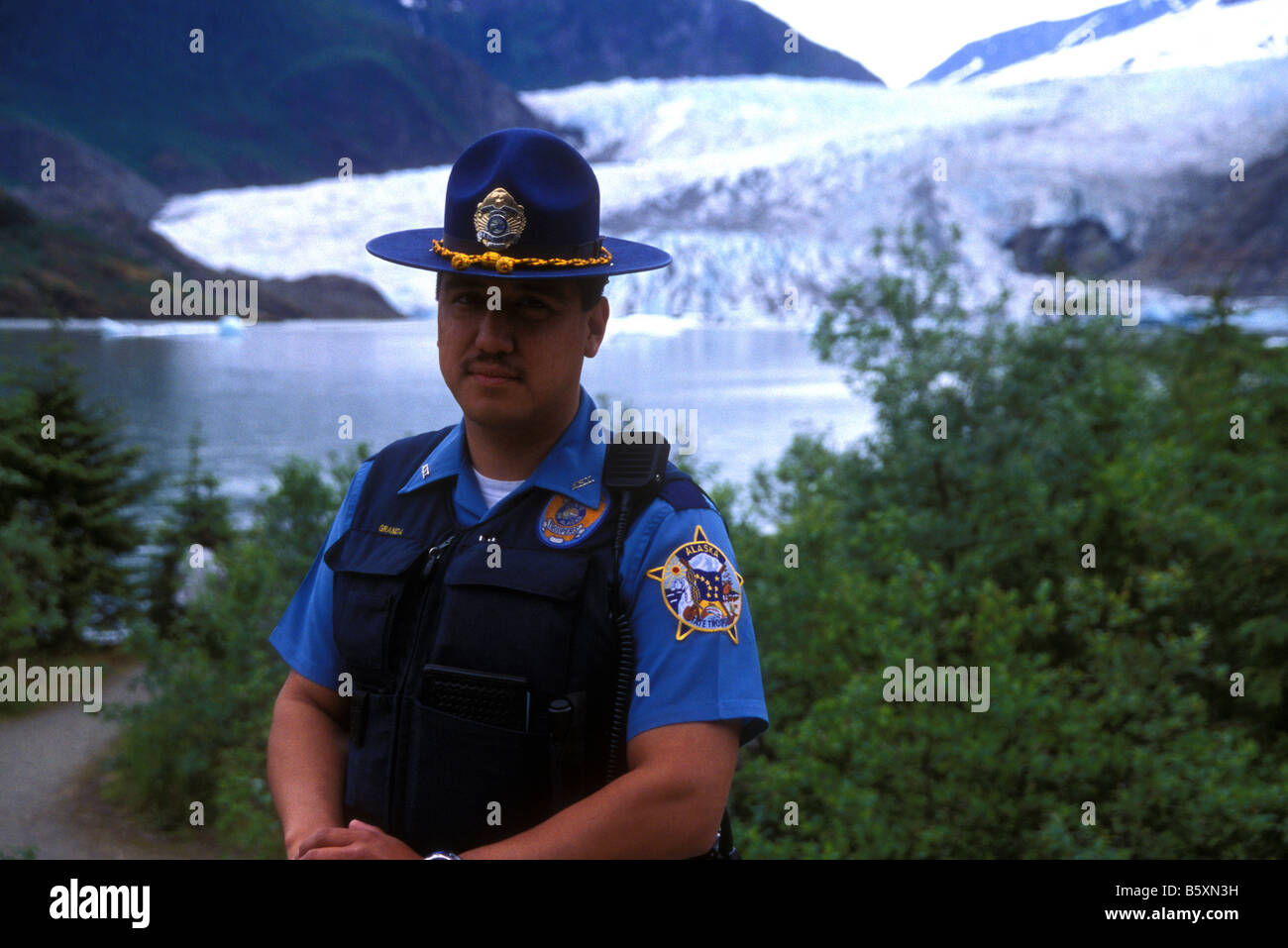
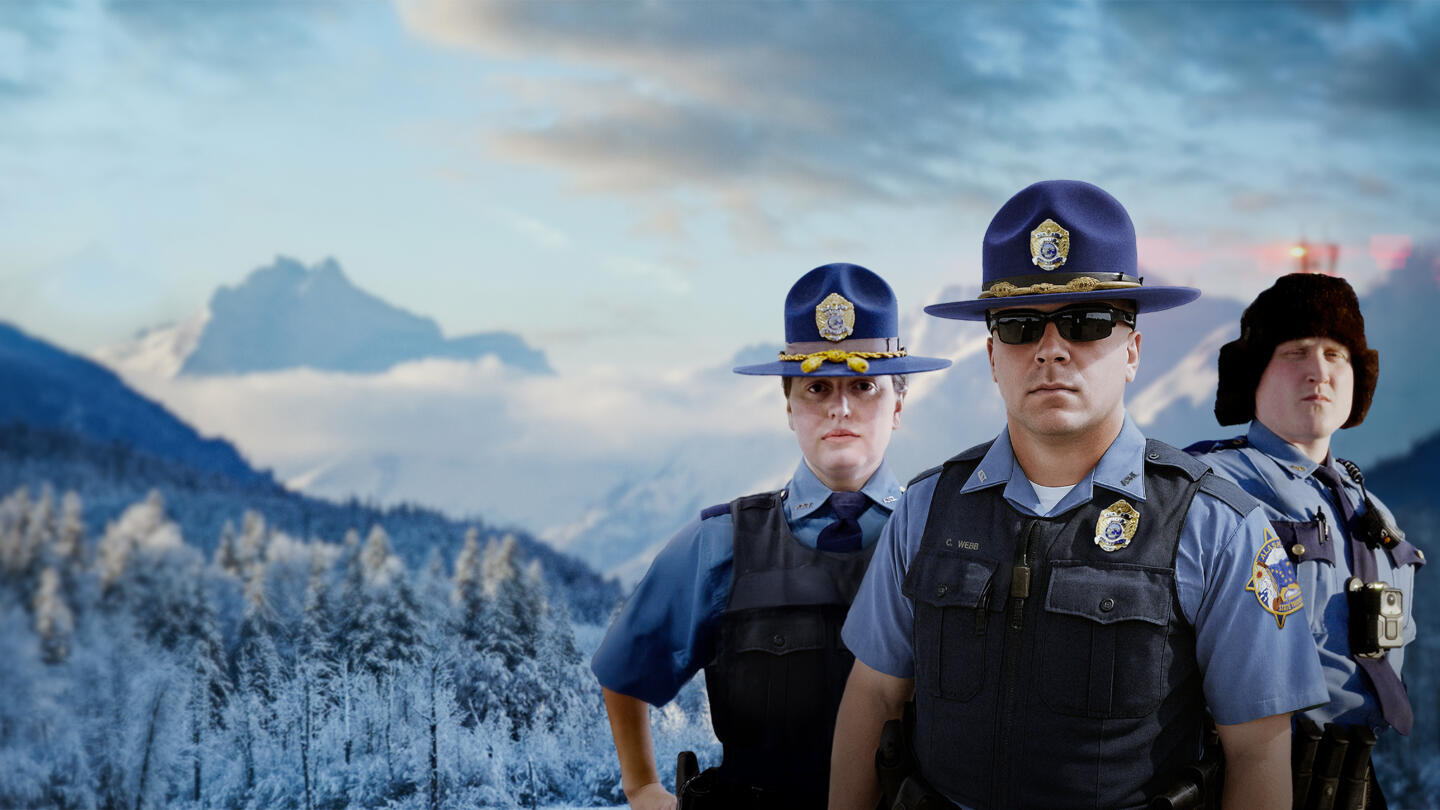
The Alaska State Trooper uniform is characterized by its distinct midnight blue color scheme accented with gold (yellow) trim, most notably featuring a traditional felt campaign hat and a gold stripe running down the trouser leg. These uniforms are designed to provide high visibility, maintain professional military-style discipline, and offer functional protection against Alaska’s extreme sub-arctic environments.
While the agency is officially known as the Alaska State Troopers (AST) rather than the "Alaska State Police," the uniform serves as the primary visual representation of the Department of Public Safety (DPS) across the largest state in the U.S. In 2026, the uniform remains a symbol of authority that balances 20th-century tradition with 21st-century textile technology. This guide provides an exhaustive technical analysis of the components, materials, and regulations governing the Alaska State Trooper uniform.
The Aesthetic Philosophy: Blue and Gold
The color palette of the Alaska State Trooper uniform is deeply rooted in the state’s identity. The midnight blue and gold mirrors the colors of the Alaska State Flag—designed by Benny Benson in 1927—which represents the blue sky and the gold of the state's mineral wealth and the North Star.
Unlike many state police agencies that utilize tan, grey, or forest green, the AST’s choice of midnight blue provides a sharp, high-contrast appearance that is easily recognizable in both urban settings and snow-covered rural landscapes. The gold accents, found in the embroidery, trouser stripes, and shoulder patches, ensure that the officer is identifiable even in low-light conditions.
Headwear: The Iconic Campaign Hat and Winter Variants
The most recognizable element of the Alaska State Trooper uniform is the headwear. The department maintains strict standards for how hats are worn, as they are considered the primary symbol of a Trooper’s authority.
The Campaign Hat (The "Stetson")
The standard-issue dress hat is a classic four-crease campaign hat, often referred to as a "Smokey Bear" hat.
- Material: For formal and summer wear, the hat is constructed from high-quality felt (usually rabbit or beaver fur blend) in midnight blue.
- The Brim: The brim must be perfectly flat and stiffened to prevent sagging.
- The Hat Band: A gold and blue cord surrounds the base of the crown. The position of the acorns on the cord often indicates specific departmental traditions or status.
- The Badge: A miniature version of the trooper's silver or gold-tone badge is centered on the front of the hat.
Winter Headwear: The Muskrat Cap
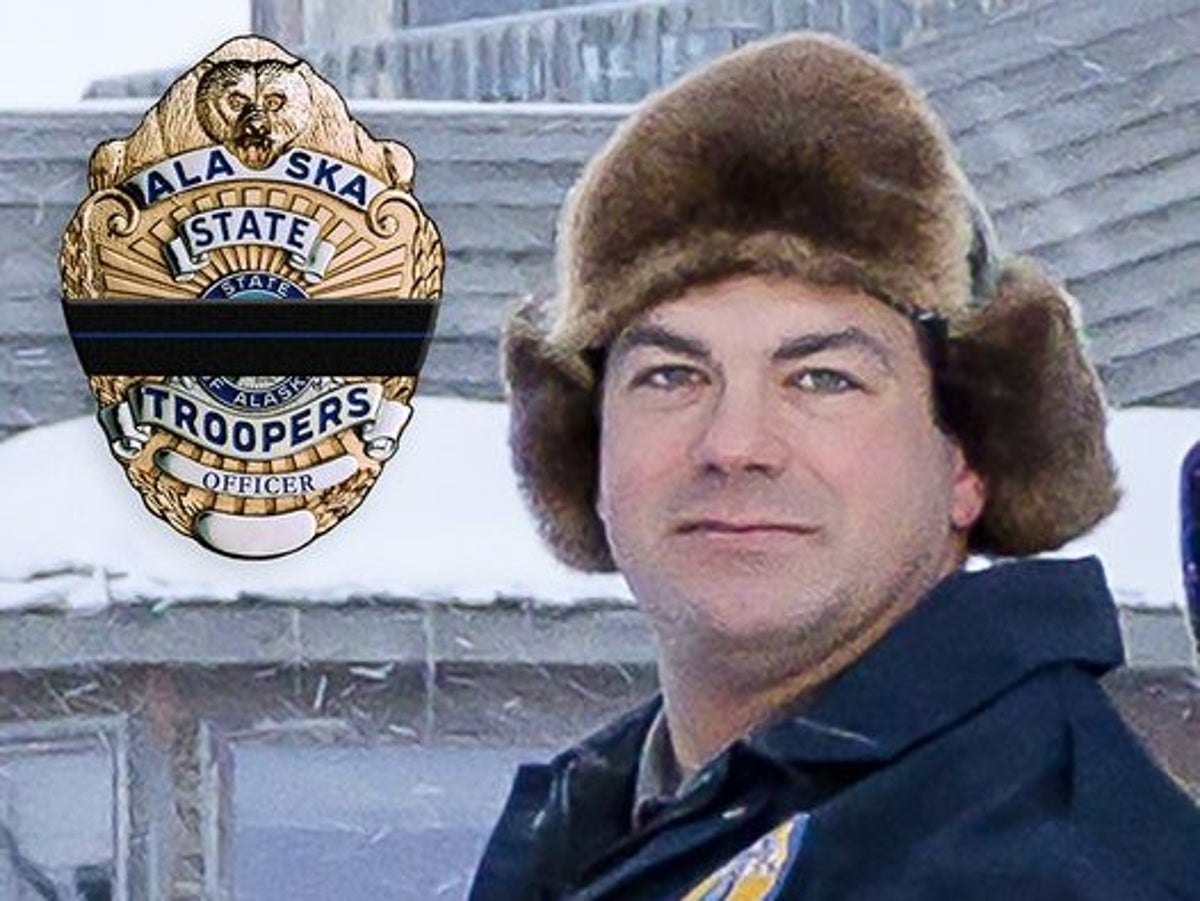
Given Alaska’s climate, the felt campaign hat is impractical for extended outdoor duties in sub-zero temperatures. During winter months, Troopers transition to a winter fur cap.
- Material: Historically and continuing into 2026, these caps are made from genuine muskrat fur, which provides exceptional insulation and water resistance.
- Design: Known as a "trooper cap" or "ushanka" style, it features ear flaps that can be tied at the crown or lowered to protect the ears and jawline. The midnight blue fabric crown matches the rest of the uniform.
The Uniform Shirt: Class A and Class B Specifications
The shirt is the foundation of the Trooper's daily appearance. There are two primary variations used depending on the assignment and the season.
Material and Construction
Modern AST shirts are typically constructed from a high-performance wool-polyester blend (often 55/45). This blend allows for the "crisp" look of wool while providing the moisture-wicking and durability benefits of synthetic fibers. In 2026, many Troopers utilize shirts with integrated stretch panels to accommodate body armor worn beneath the garment.
Key Details
- Epaulets: The shoulders feature functional epaulets piped in gold thread. These are used to secure the shoulder strap of the radio or the "Sam Browne" belt if worn.
- Pockets: Two breast pockets with pleated centers and scalloped flaps. The buttons are typically silver-tone for Troopers and gold-tone for higher ranks (Lieutenant and above).
- Creases: The shirt must feature five sharp military creases—two on the front (running through the center of the pockets) and three on the back. Many modern versions use permanent silicone creases to maintain this look through long shifts.
- Collar Brass: Troopers wear "A.S.T." collar insignia. These are pinned at specific angles and distances from the collar point, as dictated by the DPS Drill and Ceremonies Manual.
Trousers and the "Lampas" Stripe
The trousers of the Alaska State Trooper uniform are as distinctive as the hat. They are dyed to match the midnight blue of the shirt and hat exactly.
The Gold Stripe
A 1.5-inch to 2-inch gold "lampas" stripe (depending on rank and specific uniform update) runs the full length of the outer seam of each trouser leg. This stripe is a traditional military element that signifies a "cavalry" or state-level policing heritage.
Technical Specs
- Cut: The trousers are "semi-custom," meaning they are tailored to the individual officer to ensure the hem breaks correctly over the boot.
- Pockets: They include standard side-seam pockets and reinforced rear pockets. Tactical or "Class B" versions may include discreet cargo pockets that do not bulge, maintaining a streamlined silhouette.
- Durability: The inner thighs and pocket corners are often reinforced with extra stitching to prevent "blowouts" caused by the heavy duty belt.
Insignia, Patches, and Badges
The Alaska State Trooper uniform uses a specific hierarchy of insignia to denote rank, years of service, and specialized skills.
The Shoulder Patch
The AST shoulder patch is worn on both sleeves. It is a shield-shaped patch featuring:
- The Big Dipper and North Star: Representing the state flag.
- The State Outline: A silhouette of Alaska.
- The Words: "Alaska State Troopers" or "Alaska Wildlife Troopers" in gold embroidery. The border of the patch is stitched in gold thread, contrasting sharply against the midnight blue background.
The Badge
The badge is a seven-pointed star, a design common among Western law enforcement agencies, symbolizing the "Star of the North."
- Centerpiece: The seal of the State of Alaska is embossed in the center.
- Finish: Troopers and Sergeants wear silver-toned (rhodium or nickel-plated) badges. Lieutenants and above wear gold-toned badges.
- Placement: The badge is worn on the left chest, secured through reinforced "badge tabs" built into the shirt.
Service Stripes (Hash Marks)
Worn on the lower left sleeve of the Class A long-sleeve shirt, these gold diagonal stripes represent years of service. Typically, each stripe signifies five years of completed service with the department.
Specialized Gear: The Alaska Wildlife Troopers (AWT)
It is important to distinguish between the Alaska State Troopers and the Alaska Wildlife Troopers. While both fall under the Department of Public Safety, their uniform details differ slightly.
| Feature | Alaska State Troopers (AST) | Alaska Wildlife Troopers (AWT) |
|---|---|---|
| Primary Focus | Highway patrol, criminal investigation | Fish and game laws, wilderness search |
| Patch Text | "Alaska State Troopers" | "Alaska Wildlife Troopers" |
| Uniform Color | Midnight Blue | Midnight Blue (often with green accents in field gear) |
| Headwear | Campaign Hat / Muskrat Cap | Campaign Hat / Specialized cold-weather gear |
| Field Gear | Standard Duty Belt | Heavily modified for maritime/wilderness use |
Wildlife Troopers often utilize more rugged, "tactical" versions of the uniform due to their work in the Alaskan bush, including waterproof Gore-Tex shells and specialized flotation jackets for boat patrols.
Cold Weather and Tactical Variations
In 2026, the AST utilizes a layered clothing system to handle temperatures ranging from 70°F (21°C) in the summer to -50°F (-45°C) in the interior winters.
The "Parka" and Outerwear
For extreme cold, Troopers are issued heavy-duty, Gore-Tex lined parkas in midnight blue. These coats feature:
- Side Zips: To allow quick access to the sidearm and duty belt.
- High-Visibility Stripes: Often hidden under flaps but deployable for roadside accidents.
- Removable Liners: Utilizing synthetic down or PrimaLoft for maximum heat retention.
Duty Boots
Troopers are permitted some leeway in footwear, provided it meets departmental standards for color (black) and polish.
- Summer: Standard leather patrol boots with a high-shine "spit-shined" toe.
- Winter: Specialized insulated boots, such as Matterhorn or Pac-style boots, rated for extreme sub-zero temperatures. These must still be kept clean and professional.
The Duty Belt: Form and Function
The duty belt carries the essential tools of the trade. In 2026, the AST has largely moved toward high-density nylon or "synthetic leather" (Clarino) belts. While traditional leather was once the standard, modern synthetics are preferred because they do not crack in extreme cold and are easier to decontaminate.
Standard Equipment Loadout:
- Sidearm: The current standard issue is typically a semi-automatic pistol (such as the Glock 17 or Sig Sauer P320), housed in a Level III retention holster.
- Conductive Energy Weapon (CEW): Usually a Taser, carried on the non-dominant side in a "cross-draw" or "reactionary-draw" position.
- Communication: A ruggedized radio with a shoulder microphone.
- Aerosol Subject Restraint (ASR): Pepper spray.
- Handcuffs: At least one pair of metal cuffs, often two.
- Body Armor: While not on the belt, the uniform is designed to accommodate Level IIIa soft armor. In 2026, many Troopers use external load-bearing vests that look like the uniform shirt but move the weight of the equipment from the waist to the shoulders to prevent back injuries.
Uniform Regulations and Grooming
The effectiveness of the uniform as a symbol of authority relies on strict adherence to the Department of Public Safety’s Manual of Operations.
- Cleanliness: Uniforms must be pressed and free of lint or hair.
- Brass and Badges: All metallic elements must be polished to a mirror finish.
- Grooming: For male Troopers, hair must not touch the ears or collar. Mustaches are generally permitted but must be neatly trimmed and not extend below the corners of the mouth. Beards were historically prohibited but, as of 2026, are often allowed if kept at a specific, short length (e.g., 1/4 inch) and maintained professionally.
- Jewelry: Minimal jewelry is allowed—usually restricted to a wedding band and a professional watch.
Frequently Asked Questions
Why do Alaska State Troopers wear campaign hats?
The campaign hat is a tradition shared by many state police agencies and the U.S. Military (specifically Drill Sergeants). It represents the agency’s "State Constabulary" roots and provides a distinct, commanding silhouette that distinguishes Troopers from local police or municipal officers.
What is the difference between the blue and gold uniform?
There is no "gold uniform"; rather, the uniform is midnight blue with gold trim. The gold represents Alaska's wealth and the North Star. If you see a Trooper in all-green or camouflage, they are likely a member of a specialized unit like S.E.R.T. (Special Emergency Reaction Team) or are performing remote wilderness operations.
Do Troopers have to pay for their own uniforms?
Initial sets of uniforms and all duty gear are typically issued by the Department of Public Safety during the academy. However, Troopers are responsible for the maintenance, cleaning, and eventual replacement of certain items through an annual uniform allowance.
Can the public buy Alaska State Trooper uniform parts?
No. It is a violation of Alaska state law to impersonate a peace officer. Official patches, badges, and uniform shirts are restricted items. However, the AST "Museum" or authorized gift shops may sell commemorative patches or apparel that is clearly marked as "souvenir" and does not match the official duty specifications.
How has the uniform changed for 2026?
The primary changes in 2026 involve the integration of wearable technology and ergonomics. This includes shirts with "hidden" pockets for electronics, trousers with better thermal regulation, and a wider acceptance of external load-bearing vests to improve officer health and longevity.
Final Recommendation for Researchers and Applicants
For those seeking to join the Alaska State Troopers or those researching the agency for technical purposes, it is vital to remember that the uniform is more than just clothing—it is a functional tool tailored for one of the most demanding environments on Earth.
If you are an applicant, ensure you familiarize yourself with the DPS Recruitment standards regarding grooming and physical bearing, as the ability to maintain the uniform is often seen as a reflection of an officer's attention to detail. For historians or costume designers, always prioritize the "Midnight Blue" (not black) and ensure the gold stripe is correctly proportioned to the leg to maintain accuracy to the 2026 standards.