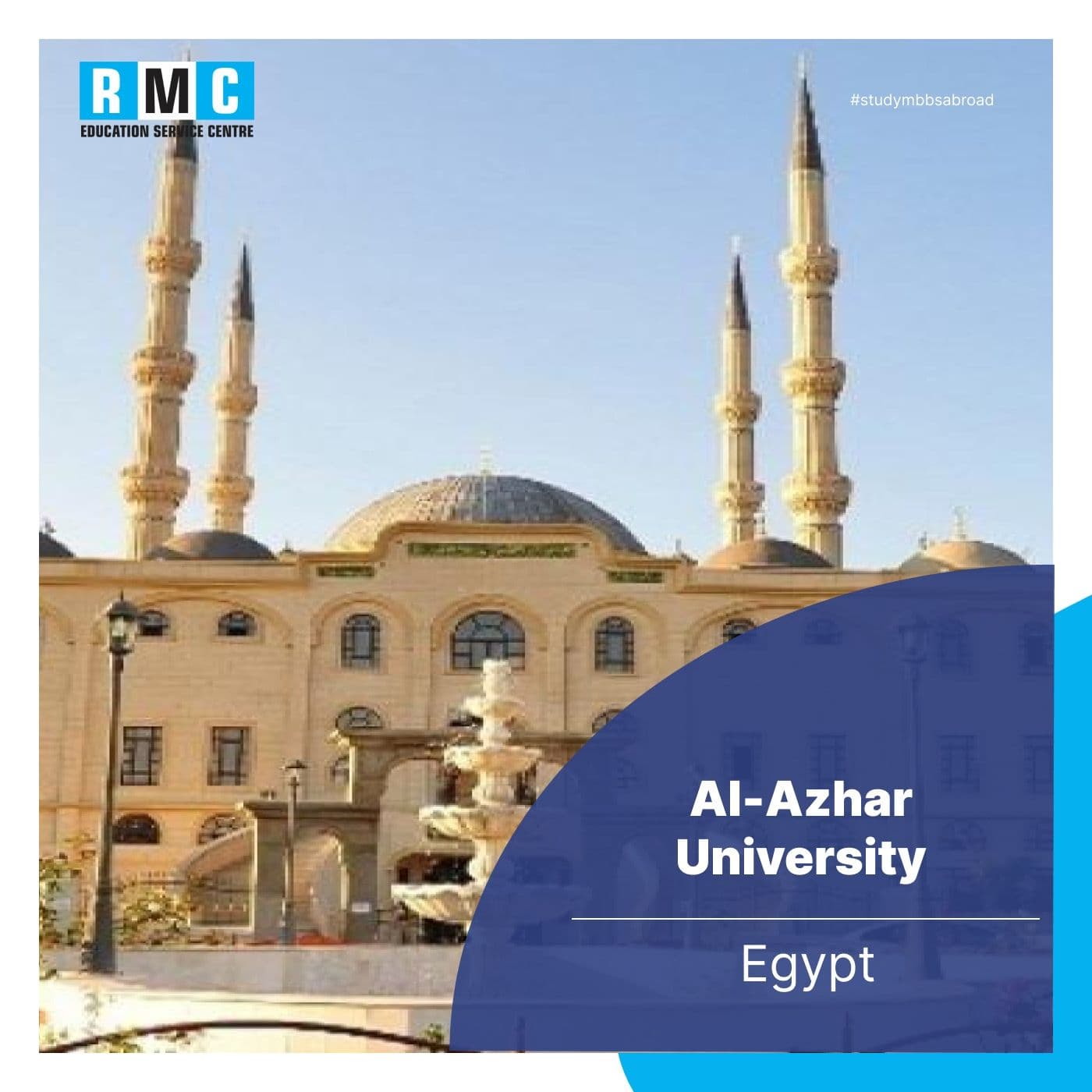
Al-Azhar University in Cairo, Egypt, is the world's chief center for Islamic learning and one of the oldest degree-granting institutions in continuous operation. Functioning as a modern public university system, it offers traditional Islamic theology and Arabic studies alongside secular professional degrees, including medicine, engineering, pharmacy, and science, serving over 500,000 domestic and international students.
The Historical Evolution of Al-Azhar
Founded around 970–972 CE by the Fatimid commander Jawhar al-Siqilli under the order of Caliph Al-Mu'izz li-Din Allah, Al-Azhar began as a place of worship and a central assembly for Fatimid religious instruction. Its name is traditionally attributed to Fatima al-Zahra, the daughter of the Prophet Muhammad. Over the centuries, control of the institution shifted across major dynasties—Ayyubid, Mamluk, and Ottoman—each leaving a distinct mark on its physical architecture, legal traditions, and curriculum.
Under Ayyubid rule, Al-Azhar transitioned from Ismaili Shi'ite doctrine to Sunni jurisprudence, eventually becoming the authoritative academic bastion for Sunni Islamic scholarship globally. Throughout the Mamluk and Ottoman periods, teaching relied on informal halaqat (learning circles) held in the central courtyard of the Al-Azhar Mosque, where scholars taught texts on Arabic grammar, Quranic exegesis (tafsir), prophetic traditions (hadith), and Islamic jurisprudence (fiqh) across the four main Sunni legal schools (madhahib): Hanafi, Maliki, Shafi'i, and Hanbali.
The turning point toward a modern university structure occurred with Egyptian Law No. 103 of 1961, enacted under President Gamal Abdel Nasser. This reform legislation formally reorganized Al-Azhar, transforming it from a traditional religious institute into a full-fledged national university network. Law 103 added modern secular faculties—such as medicine, engineering, agriculture, and business administration—to its traditional religious core. This legislation also established gender-segregated academic branches and laid the legal foundation for its current governance under the Supreme Council of Al-Azhar, led by the Grand Imam (Shaikh al-Azhar).
The Dual Academic Structure: Religious and Modern Faculties
Al-Azhar University operates a dual academic framework. Students select either the traditional Islamic track or modern applied and human sciences. While domestic students enter through the specialized Azhari secondary education system (Thanawya Azhariya), international students can apply through designated international portals governed by the Al-Azhar Supreme Council and Egypt’s Ministry of Higher Education.
Traditional Islamic and Arabic Disciplines
The traditional faculties form the historical core of the university. These faculties operate on rigorous Arabic text analysis, classical theology, and comparative legal systems:
- Faculty of Theology and Islamic Philosophy (Usool al-Din): Focuses on Quranic sciences, Hadith methodology, creed (Aqidah), and comparative philosophy. Graduates specialize in textual verification, religious scholarship, and preaching.
- Faculty of Islamic Jurisprudence and Law (Sharia wa al-Qanun): Blends classical Islamic jurisprudence across all four Sunni madhahib with modern civil, criminal, and international law as codified in the Egyptian legal framework.
- Faculty of Arabic Language (Kulliyyat al-Lugha al-Arabiyya): Dedicated to classical Arabic linguistics, rhetoric (Balagha), literature, and syntax (Nahw). It serves as a premier research hub for preserving classical literary standards.
- Faculty of Islamic Dawah (Gospel/Propagation): Prepares students in comparative religion, modern media techniques, and intercultural communication to present Islamic principles within contemporary global contexts.
Modern Applied and Humanities Disciplines
Following the 1961 reforms, Al-Azhar introduced faculties offering degrees equivalent to those at public secular institutions like Cairo University or Alexandria University. Students in these professional tracks must also complete mandatory foundational coursework in basic Islamic studies and Arabic:
- Faculty of Medicine: Delivers standard MBBCh degrees accredited by Egypt's Supreme Council of Universities. The faculty operates several teaching hospitals across Cairo and regional capitals, providing direct clinical experience.
- Faculty of Engineering: Offers undergraduate and postgraduate degrees in civil, mechanical, electrical, architectural, and computer engineering, meeting national accreditation standards.
- Faculty of Pharmacy: Focuses on industrial pharmacy, clinical practice, and pharmacology, combining theoretical science with laboratory training.
- Faculties of Science, Commerce, and Agriculture: Offer specialized programs ranging from biochemistry and computer science to international business, accounting, and agricultural economics.
Campus Layout and Gender Segregation
Al-Azhar University maintains a strict policy of gender-segregated education. Male and female students attend separate campuses with dedicated administrative structures, faculties, and housing facilities.
- Male Campuses: The main administrative hub and primary male faculties are located in the Nasr City district of Cairo. Specialized historical faculties remain adjacent to the historic Al-Azhar Mosque in the El-Darb El-Ahmar district of Old Cairo.
- Female Campuses: The primary women’s campus is also located in Nasr City, featuring parallel faculties for medicine, pharmacy, science, humanities, Arabic language, and Islamic studies.
- Regional Branches: To accommodate students outside the capital, Al-Azhar operates regional university branches in major governorates, including Assiut (serving Upper Egypt), Tanta, Mansoura, Damanhour, and Zagazig.
Admission Requirements and Application Pathways
Admission to Al-Azhar University depends on citizenship, secondary educational background, and proficiency in the Arabic language.
- Domestic Track (Thanawya Azhariya)
- National Coordination Portal
- Direct Faculty Placement
- International Track (Wafideen)
- Application Submission (Embassy / Supreme Council)
- Arabic Placement Exam (Language Institute if required)
- Academic Studies
Domestic Student Admission
Egyptian nationals enter Al-Azhar University primarily through the Thanawya Azhariya system—a specialized secondary school curriculum managed by Al-Azhar's administrative body. Unlike the secular public high school track (Thanawya Amma), the Azhari curriculum incorporates advanced religious instruction and Arabic literature alongside standardized mathematics, science, and humanities.
Graduates are placed into university faculties through the national electronic coordination system (Tanseeq), based on their cumulative secondary examination scores, prerequisite subject grades, and geographical location.
International Student Admission (The Wafideen System)
International students (Al-Wafideen) represent over 100 countries. Admission for foreign nationals is managed by the General Administration for International Students in coordination with the Supreme Council of Al-Azhar.
Key requirements for international applicants include:
- Recognized High School Secondary Certificate: Applicants must present a certified secondary school diploma equivalent to the Egyptian Thanawya Azhariya or standard secondary certificate (Thanawya Amma). Non-Azhari diplomas must undergo equivalency evaluation (Mu'adala) by the Al-Azhar Education Council.
- Authentication and Verification: Secondary transcripts, birth certificates, and medical records must be legalized by the Ministry of Foreign Affairs in the applicant's home country and the Egyptian Embassy or Consulate.
- Security Approvals and Student Visas: Applicants must obtain formal entry visas and security clearances through Egyptian diplomatic missions before final enrollment.
- Age Limits: Specific faculties impose upper age limits for undergraduate entry (typically 25 to 30 years old depending on the program).
Language Prerequisites and Preparatory Institutes
Because Arabic is the primary language of instruction across traditional faculties and humanities programs, non-native Arabic speakers must prove language proficiency.
Applicants who do not pass the standardized Al-Azhar Arabic Placement Test are required to enroll in the Al-Azhar Institute of Arabic Language for Non-Native Speakers (Markaz Sheikh Zayed). This multi-level intensive program covers foundational grammar, oral communication, listening comprehension, and classical text reading. Students advance to degree-granting faculties only after passing the final proficiency examination at the advanced level.
Academic Track Comparison
Understanding the structural differences between programs helps prospective students select the appropriate academic track.
| Feature | Traditional Islamic Track | Modern Secular Track | Arabic Language Institute |
|---|---|---|---|
| Primary Faculties | Theology (Usool al-Din), Sharia & Law, Arabic Language, Dawah | Medicine, Engineering, Pharmacy, Science, Commerce | Preparatory Center (Markaz Sheikh Zayed) |
| Primary Language | Classical Arabic | Arabic (Humanities/Law); English (Medicine/Science/Eng.) | Arabic (Instructional) |
| Program Duration | 4 Years (Undergraduate) | 4 to 5 Years (Eng/Pharm); 5+1 Years (Medicine) | 6 Months to 2 Years (Non-degree preparatory) |
| Admission Gateway | Thanawya Azhariya / International Equivalency | Thanawya Azhariya / High Scores in Science/Math | Open to International Applicants needing Arabic |
| Degree Awarded | Bachelor of Arts / Licentiate (Al-Ijaza al-Aliya) | Bachelor of Science / Professional Degree (e.g., MBBCh) | Language Proficiency Certificate |
| Core Requirement | Advanced Quranic Memorization & Classical Legal Texts | Standard National Professional Curriculum + Basic Islamic Courses | Placement Exam Performance |
Tuition Fees, Scholarships, and Living Expenses
Al-Azhar University is a public institution funded directly by the Egyptian government. However, fee structures and financial assistance policies differ between domestic and foreign students.
Tuition Structure
- Domestic Students: Egyptian citizens receive heavily subsidized tuition, paying nominal registration and administrative fees ranging from 500 to 2,000 Egyptian Pounds (EGP) per academic year, depending on the faculty and lab requirements.
- International Students: Tuition for self-funded foreign students varies by faculty. Religious and humanities tracks generally carry modest annual tuition fees, often between $1,000 and $2,000 USD. Professional faculties (such as Medicine, Dentistry, and Engineering) follow higher fee schedules set by the Ministry of Higher Education for foreign nationals, ranging from $3,000 to $6,000 USD annually.
Al-Azhar Scholarships (Minah Al-Azhar)
The Supreme Council of Al-Azhar and the Islamic Research Academy offer thousands of fully and partially funded scholarships each year to foreign applicants, particularly those from African, Asian, and Balkan nations.
These scholarships typically cover:
- Exemption from university tuition and registration fees.
- Free accommodation in official student residential complexes.
- A modest monthly living stipend to cover basic expenses.
- Annual round-trip travel allowances (in select government-sponsored categories).
Applicants usually apply for these scholarships through official diplomatic channels, such as the Egyptian Embassy's cultural mission or local Islamic councils recognized by the Grand Imam's office.
Accommodation and Student Life in Cairo
International scholarship recipients are primarily housed at Madinat al-Bouth al-Islamiyya (Islamic City for Foreign Students), a large dedicated residential enclave located near the primary Nasr City campus. The complex includes dormitories, dining halls, sports facilities, libraries, and medical clinics.
Self-funded international students and domestic students who do not secure dormitory housing typically rent private apartments in neighboring areas. Popular residential districts for students in Cairo include:
- Nasr City (District 7 & District 10): Located near the main university buildings and female campus, offering high apartment availability, public transport access, and student amenities.
- Abbasiya: Located close to central Cairo with direct bus lines to both the historic mosque campus and Nasr City.
- El-Darb El-Ahmar / Al-Hussein: Preferred by students attending traditional lectures near the historic Al-Azhar Mosque, though housing stock consists mainly of older residential buildings.
Estimated monthly living costs for a student renting private housing in Cairo generally range from $150 to $350 USD, depending on shared accommodation choices, personal dining habits, and transport preferences.
Academic Accreditation and Degree Recognition
Al-Azhar degrees carry unique legal and international standing depending on the area of study:
- Al-Azhar University Degree
- Religious / Arabic Faculties: Global Recognition for Islamic Legal / Clerical Roles
- Professional Faculties: Accredited via Egyptian Supreme Council (Requires Local Licensing Board Verification Abroad)
- Domestic Recognition: All degrees issued by Al-Azhar University are accredited by the Egyptian Supreme Council of Universities (Al-Majlis al-A'la lil-Jami'at). Professional degrees in medicine, pharmacy, law, and engineering confer immediate eligibility to sit for state licensure examinations and join professional syndicates in Egypt (e.g., the Egyptian Medical Syndicate or Egyptian Engineers Syndicate).
- Global Islamic Studies Recognition: Diplomas from traditional religious faculties are recognized across the Muslim world as authoritative credentials for judicial positions (Qada), religious leadership (Imam), legal consultation (Mufti), and academic research in Islamic studies.
- International Equivalence for Secular Professional Degrees: Foreign graduates holding professional degrees (such as Medicine MBBCh or Engineering B.Sc.) must comply with their home country's credential evaluation procedures. For instance, medical graduates seeking licensure in the United States or the United Kingdom must complete standard qualification pathways, such as the USMLE or PLAB examinations, using their accredited Al-Azhar transcripts.
Step-by-Step Guide for Foreign Student Enrollment
Foreign applicants navigating the enrollment process should follow these primary steps:
Step 1: Obtain Academic Credentials and Attestation
Secure official secondary school transcripts and graduation certificates. Translate all documents into Arabic using a certified translation agency, and have them attested by your country's Ministry of Foreign Affairs and the nearest Egyptian Embassy.
Step 2: Submit Application Through Official Channels
Submit your academic file during the designated application window (typically open from June through September for the upcoming academic year). Applications are processed via the official Egyptian Study in Egypt Platform or through the cultural attaché at the Egyptian Embassy in your home country.
Step 3: Complete Security and Medical Clearances
Upon receiving initial placement approval, travel to Cairo on a standard student entry visa. Complete mandatory medical screenings (testing for infectious diseases as required by national health protocols) and complete your administrative registration at the General Administration for International Students in Nasr City.
Step 4: Take the Arabic Language Placement Test
Report to the Sheikh Zayed Center for Arabic Language Teaching to take the university's standardized placement examination.
- If you pass the advanced level, you receive your direct registration permit for your chosen faculty.
- If you place below the required threshold, you will be enrolled in the preparatory language institute before starting degree coursework.
Step 5: Final Faculty Enrollment and Residence Permit
Present your language qualification, fee payment receipts (or scholarship authorization), and medical clearance to your faculty’s student affairs office. Finalize your residency registration with the Egyptian Immigration Department (Mughamma) to secure a renewable one-year student residence visa.
Frequently Asked Questions
Can non-Muslim international students attend Al-Azhar University?
Historically and structurally, Al-Azhar University functions primarily as an Islamic educational institution. The traditional religious and legal faculties are restricted to Muslim students due to the curriculum's devotional and textual nature. While modern secular faculties operate under standard academic guidelines, overall university governance remains tied to Islamic educational standards, and non-Muslim international applicants typically enroll in secular Egyptian public universities such as Cairo University or Ain Shams University.
What is the structural difference between Al-Azhar Mosque and Al-Azhar University?
Al-Azhar Mosque (Jami' al-Azhar) is the physical historic place of worship in Old Cairo, where traditional, non-degree religious circles (halaqat) and Friday sermons are conducted. Al-Azhar University (Jami'at al-Azhar) is the modern, state-funded higher education system spread across multiple campuses in Egypt, granting accredited undergraduate, master's, and doctoral degrees under national university laws.
How long does it take to complete the Arabic language preparatory program?
The duration depends on the student's initial proficiency level determined during the placement test. The curriculum at the Sheikh Zayed Center consists of multiple modules. Complete beginners typically spend 1 to 2 years advancing through elementary, intermediate, and advanced levels, whereas students with prior classical Arabic background may complete the program in a single semester or pass out of it entirely.
Are professional degrees from Al-Azhar (like Medicine and Engineering) recognized globally?
Yes, modern professional degrees issued by Al-Azhar University are accredited by the Egyptian Supreme Council of Universities and recognized internationally on par with other public Egyptian institutions. However, like any foreign degree, professional practice abroad requires passing the destination country's professional licensing exams and credential verification processes (e.g., ECFMG certification for medical graduates in the United States).
How can international students apply for an Al-Azhar scholarship?
Scholarships are allocated annually through official state channels rather than direct online application to the university administration. Prospective applicants should contact the Egyptian Embassy’s Cultural Section in their home country, or submit an application through local recognized national Islamic councils that hold formal scholarship quotas with the Supreme Council of Al-Azhar.
Strategic Advice for Applicants
Prospective students preparing to join Al-Azhar University should prioritize early documentation preparation. Educational certificates must undergo diplomatic authentication months before traveling to Egypt to prevent delays during university registration.
For international students whose primary goal is Islamic jurisprudence or Arabic literature, investing time in foundational Arabic grammar and Quranic reading before departure significantly reduces time spent in preparatory language centers. Students entering professional tracks like medicine or engineering should ensure their high school secondary background aligns with Egypt's strict science-track equivalency requirements. Maintaining close contact with your home country's diplomatic mission in Cairo throughout the registration process remains the most effective way to navigate residency, housing, and administrative clearance steps smoothly.