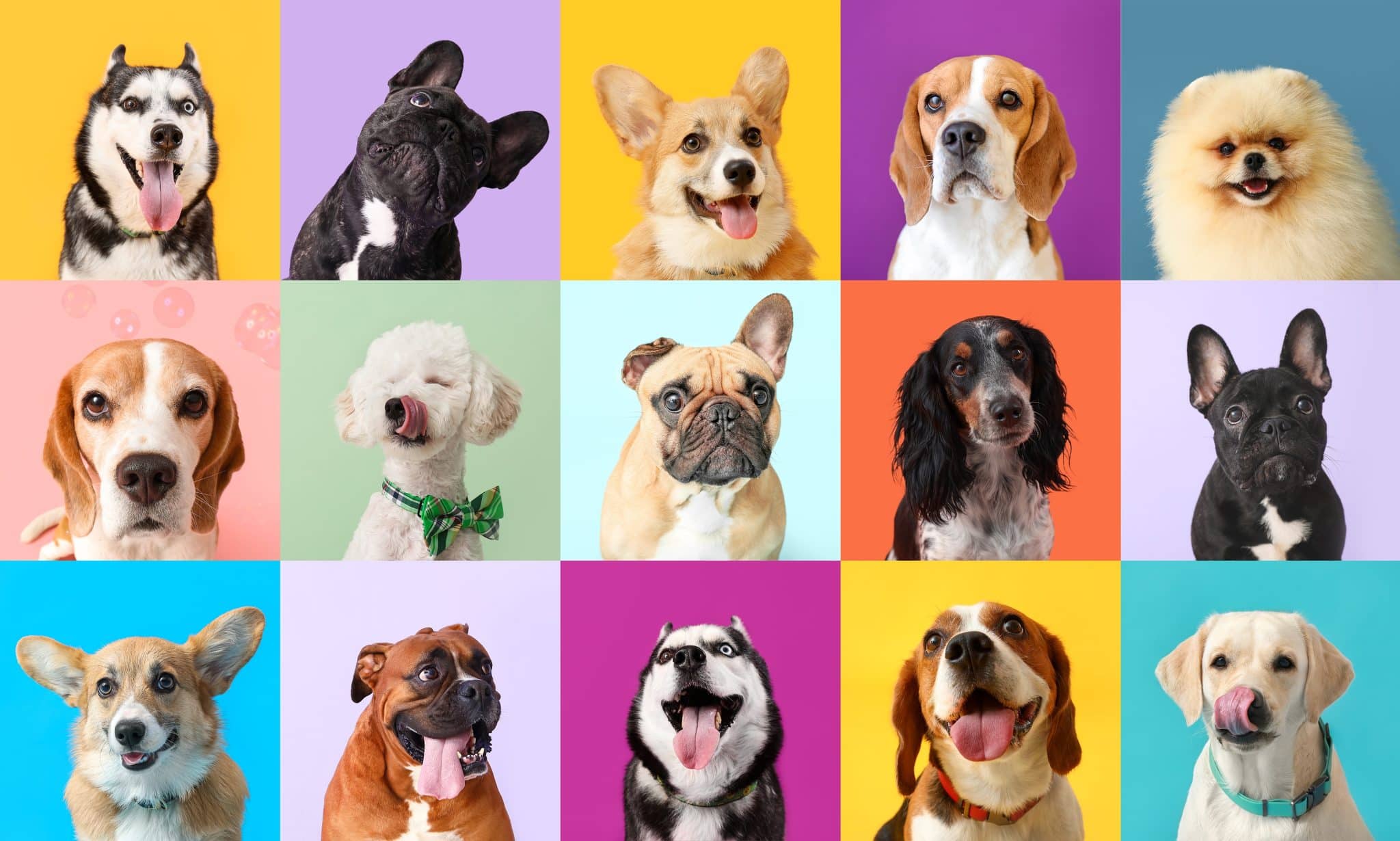
The AKC dog breed ranking is an annual statistical report based on registration data from the American Kennel Club. As of the 2026 reporting cycle, the French Bulldog continues its reign as the most popular breed in the United States, followed by the Labrador Retriever and the Golden Retriever, reflecting a long-term preference for companionable and versatile dogs.
The Methodology Behind AKC Breed Popularity Rankings
The American Kennel Club (AKC), the largest purebred dog registry in the world, publishes its popularity rankings every year. It is important to understand that these rankings are not based on opinion polls or a count of every dog currently living in American households. Instead, they are derived strictly from the number of new registrations recorded during the previous calendar year.
When we discuss the "2026 rankings," we are analyzing the data compiled throughout 2025 and released in the early months of 2026. For a dog to be included in these statistics, it must be a recognized purebred within one of the AKC’s seven variety groups: Sporting, Hound, Working, Terrier, Toy, Non-Sporting, and Herding. Additionally, some breeds in the "Miscellaneous Class" or "Foundation Stock Service" (FSS) are tracked but usually sit at the bottom of the main list until they receive full recognition.
Because the data is based on registrations, it tends to favor breeds that are popular with breeders and those who seek purebred documentation for showing, performance events, or health-tracking purposes. It does not account for the millions of mixed-breed dogs (often called "designer dogs" like Goldendoodles or Labradoodles) that inhabit American homes, as the AKC only grants full registration status to established purebreds with a documented lineage.
Analysis of the Top 10 Dog Breeds in 2026
The top of the AKC list has seen historic shifts over the last few years. While some breeds have occupied the top ten for decades, others have surged due to changing lifestyles and urban living requirements.
1. French Bulldog
The French Bulldog’s ascent to the number one spot is a testament to the "apartment dog" trend. Compact, relatively quiet, and requiring less vigorous exercise than larger sporting breeds, the Frenchie has become the quintessential companion for city dwellers. Their distinctive "bat ears" and affectionate nature make them highly photogenic and popular on social media, which has further boosted their visibility. However, their popularity has also brought attention to the health challenges associated with brachycephalic (flat-faced) breeds, leading to a greater emphasis on finding reputable breeders who prioritize respiratory health.
2. Labrador Retriever
For 31 consecutive years, the Labrador Retriever held the top spot, a record in AKC history. While it has recently been eclipsed by the French Bulldog, the Lab remains a foundational breed in American culture. Known for its friendly demeanor, high trainability, and athletic prowess, the Labrador is the "all-purpose" dog. Whether serving as a search-and-rescue K9, a service animal, or a family pet, the Lab’s versatility keeps its registration numbers high year after year.
3. Golden Retriever
Ranked consistently in the top three, the Golden Retriever is often cited as the "gold standard" for family pets. They are prized for their patience with children and their eager-to-please attitude. Beyond their role as companions, Goldens are heavily utilized in therapy and assistance roles. Their high ranking in 2026 reflects a continued demand for stable, predictable temperaments in domestic environments.
4. German Shepherd Dog
The German Shepherd Dog (GSD) remains the premier choice for those seeking a combination of loyalty and protection. While they have slipped slightly from their historic second-place rank of years past, they remain the dominant choice for police and military work worldwide. In a domestic setting, their intelligence requires mental stimulation, making them popular with owners who enjoy competitive dog sports like agility or obedience.
5. Poodle
The Poodle’s ranking encompasses three sizes: Standard, Miniature, and Toy. This variety is a major factor in their high registration numbers. Often unfairly stereotyped as "frou-frou" dogs, Poodles are among the most intelligent and athletic breeds in the AKC registry. Their hypoallergenic coats make them a top choice for families with allergies, and their longevity often exceeds that of other breeds of similar size.
6. Dachshund
The "wiener dog" has seen a massive resurgence in the early 2020s, climbing back into the top ten. Their surge in popularity is likely tied to the same urban living trends that favor the French Bulldog. Dachshunds are big personalities in small packages, offering a level of tenacity and curiosity that appeals to owners who want a small dog that isn't a "lap dog" in the traditional sense.
7. Rottweiler
Despite being a large and powerful breed, the Rottweiler maintains a strong presence in the top ten. This is largely due to their reputation as a "protector of the family." Modern Rottweiler enthusiasts have worked hard to distance the breed from negative stereotypes, focusing on the breed's calm, confident, and courageous nature.
8. Beagle
The Beagle has been a top ten staple for decades, rarely falling out of favor. As a scent hound, their personality is characterized by a "merry" disposition and a singular focus on smells. They are popular because of their sturdy size—not too big, not too small—and their famously friendly attitude toward other dogs and people.
9. Bulldog
The English Bulldog remains a favorite for many, though it often trades places with the Dachshund or the Poodle. Like the Frenchie, the Bulldog is well-suited for less active lifestyles. They are iconic symbols of tenacity and are beloved for their wrinkly faces and laid-back temperaments.
10. German Shorthaired Pointer
The inclusion of the German Shorthaired Pointer (GSP) in the top ten highlights a growing interest in active, outdoor lifestyles. The GSP is a high-energy "velcro dog" that thrives on physical activity. Their rise in the rankings coincides with the increased popularity of hiking, trail running, and field trials among dog owners.
Comparative Overview of the Top 10 Breeds
| Breed | Primary Group | Weight Range | Average Lifespan | Energy Level |
|---|---|---|---|---|
| French Bulldog | Non-Sporting | Under 28 lbs | 10–12 Years | Medium-Low |
| Labrador Retriever | Sporting | 55–80 lbs | 10–12 Years | High |
| Golden Retriever | Sporting | 55–75 lbs | 10–12 Years | High |
| German Shepherd | Herding | 50–90 lbs | 7–10 Years | High |
| Poodle (Standard) | Non-Sporting | 40–70 lbs | 10–18 Years | High |
| Dachshund | Hound | 11–32 lbs | 12–16 Years | Medium |
| Rottweiler | Working | 80–135 lbs | 9–10 Years | Medium |
| Beagle | Hound | Under 30 lbs | 10–15 Years | Medium-High |
| Bulldog | Non-Sporting | 40–50 lbs | 8–10 Years | Low |
| German Shorthaired Pointer | Sporting | 45–70 lbs | 10–12 Years | Very High |
Socio-Economic Factors Influencing Breed Popularity
The AKC dog breed ranking serves as a mirror to American society. In the 1950s and 60s, larger breeds like the Beagle and the Poodle dominated, reflecting the suburban expansion and the "fenced-in backyard" lifestyle. In 2026, the trends are shaped by different forces.
The Rise of the "Apartment-Friendly" Dog
As more people move into urban centers with strict square-footage and noise considerations, smaller breeds have naturally climbed the list. The French Bulldog and Dachshund are prime examples. These breeds offer the companionship of a dog without the need for a large yard or miles of daily running.
Social Media and "Influencer" Breeds
Breeds like the Pembroke Welsh Corgi (currently knocking on the door of the top ten) and the French Bulldog have seen their registration numbers swell due to their massive presence on platforms like Instagram and TikTok. Visual appeal and "quirky" behaviors that translate well to video can drive massive spikes in interest, sometimes regardless of whether the breed's temperament fits the average owner's lifestyle.
Health and Longevity Concerns
In 2026, there is an increasing awareness of the genetic health of purebred dogs. This has led to some fluctuations in the lower half of the top 100. Breeds known for having fewer hereditary health issues, or those from "primitive" lineages like the Shiba Inu or various Terriers, have seen steady interest from owners who are wary of the veterinary costs associated with some of the more "extreme" physical traits found in popular breeds.
The Consequences of High Ranking
While a high ranking is a point of pride for breed enthusiasts, it comes with significant risks. When a breed becomes "trendy," demand often outstrips the supply from ethical, responsible breeders.
- Overbreeding and Puppy Mills: High-demand breeds are frequently targeted by commercial breeding operations (puppy mills) that prioritize volume over health and temperament. This can lead to a surge in dogs with genetic defects or behavioral problems.
- Shelter Surrenders: When people choose a dog based on popularity rather than lifestyle fit—such as a high-energy German Shorthaired Pointer for a sedentary apartment dweller—the dog often ends up in a rescue or shelter within the first two years.
- Breed-Specific Legislation (BSL): Popularity can sometimes lead to increased scrutiny. Larger, powerful breeds that rank high, such as the Rottweiler or German Shepherd, often face the brunt of insurance restrictions or local housing bans.
Rare and Declining Breeds
At the opposite end of the AKC dog breed ranking are the "Rare Breeds." These are often dogs with very specific historical purposes that are no longer common, or breeds that have not yet caught the public's eye.
Breeds like the Sloughi, English Foxhound, and Norwegian Lundehund typically occupy the bottom ten spots of the nearly 200 recognized breeds. The English Foxhound, for example, is a highly specialized pack hound. Because they are rarely kept as solo house pets and are mostly found in professional hunting packs, their individual AKC registrations are remarkably low.
Low registration numbers are not necessarily a sign of a "bad" breed. In fact, some enthusiasts prefer these rare breeds specifically because they have not been subjected to the pressures of mass popularity, often preserving the breed’s original working health and temperament.
Frequently Asked Questions
Does the AKC rank dog intelligence?
No, the annual AKC ranking is based purely on registration volume (popularity). While the AKC provides information on breed traits, including "trainability," they do not officially rank breeds by IQ. The most famous "intelligence" ranking was published by Dr. Stanley Coren in his book The Intelligence of Dogs, which typically places the Border Collie, Poodle, and German Shepherd at the top.
Why aren't Doodles (Goldendoodles, etc.) on the list?
The AKC dog breed ranking only includes breeds that are officially recognized and have an established breed standard and registry. "Doodles" are crossbreeds (hybrids) and do not have a uniform genetic standard that breeds true from generation to generation. Therefore, they cannot be registered as purebreds with the AKC, although they can participate in AKC "Canine Partners" programs for sports and obedience.
How often is the ranking updated?
The AKC releases its official registration statistics once per year, typically in the first quarter (January through March). These stats reflect the registration totals from the previous full calendar year.
Is the most popular breed the "best" dog to buy?
Not necessarily. The most popular breed is simply the one most frequently registered. The "best" dog is the one whose energy level, size, grooming needs, and temperament match your specific living situation and experience level.
Have any breeds ever been removed from the ranking?
Breeds are not typically removed unless the AKC merges them with another breed (which is rare). Instead, the list grows as the AKC grants full recognition to new breeds from the Foundation Stock Service.
Choosing Beyond the Rankings
While the AKC dog breed ranking provides a fascinating look at canine trends in 2026, it should be used as a starting point for research rather than a final decision-making tool. If you are considering adding a dog to your family, look beyond the top ten.
A breed's popularity often means it will be easier to find a community of owners and specialized veterinarians, but it also means you must be extra vigilant in vetting breeders to avoid "fad" breeding practices. Conversely, exploring breeds in the middle of the rankings—such as the Vizsla, the Brittany, or the various Spaniels—can often lead you to a dog that perfectly fits your lifestyle but lacks the "over-hyped" status of the top three. Always prioritize a meeting with a parent dog and a thorough review of health clearances over the current year's popularity statistics.