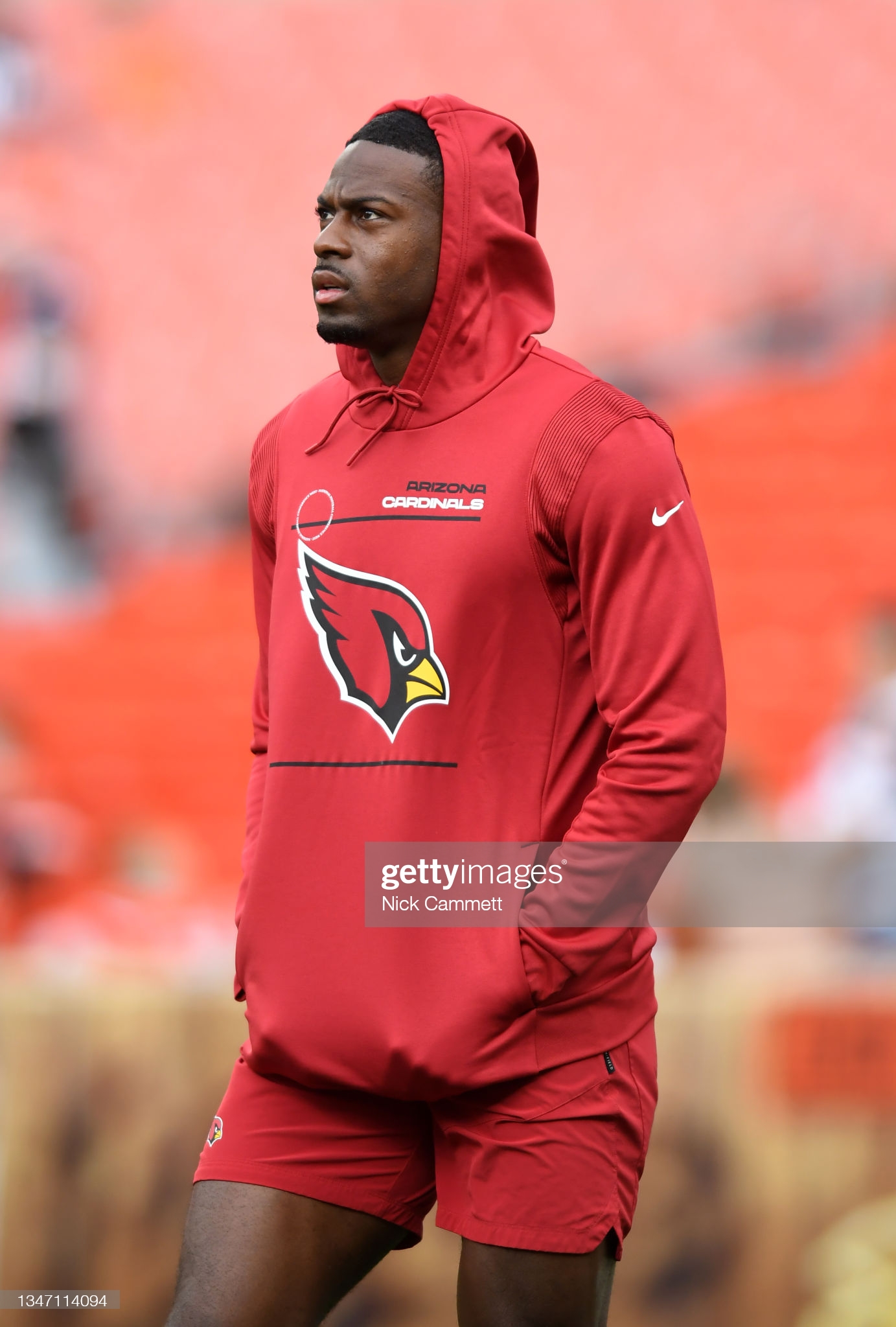
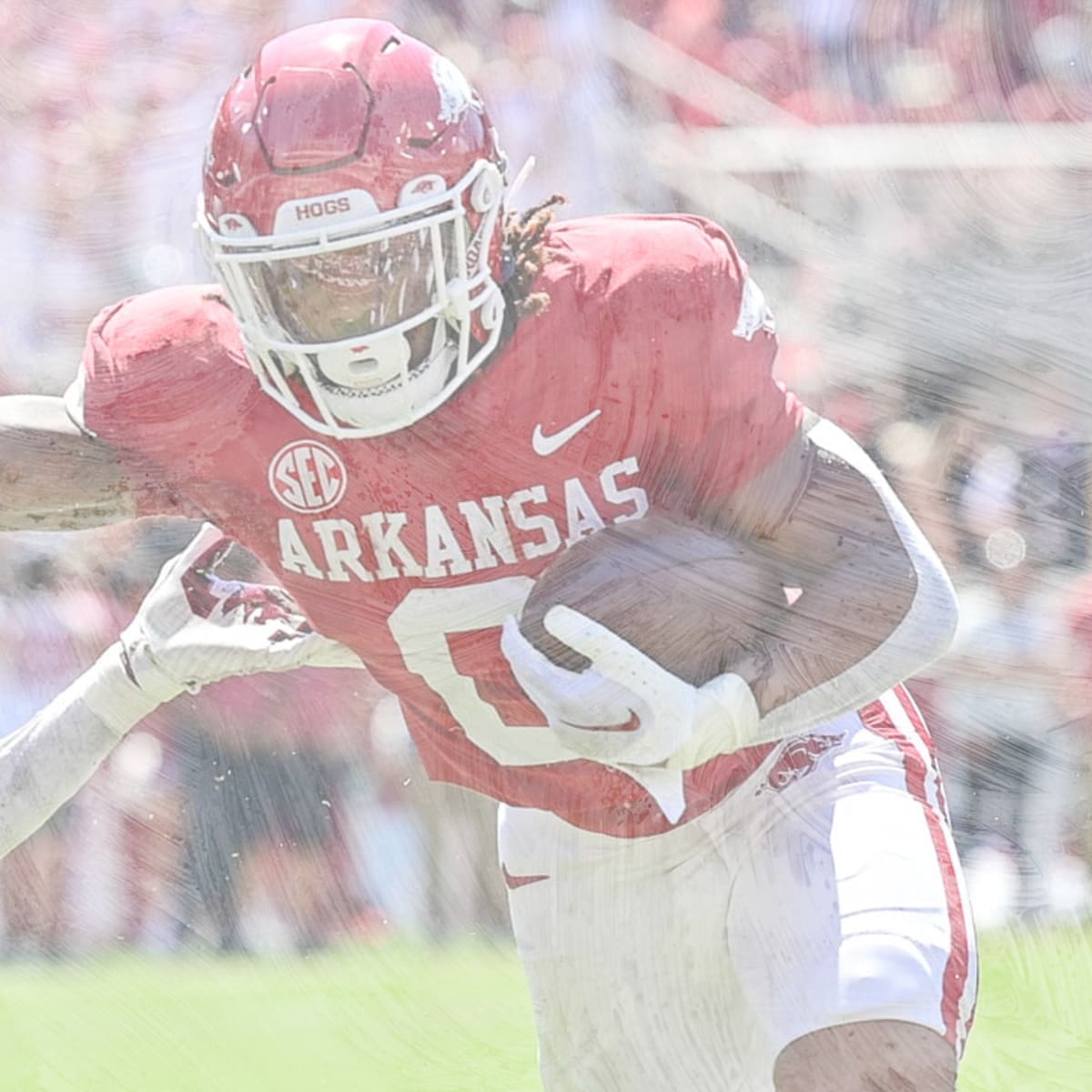
A.J. Green accumulated a career net worth estimated between $40 million and $50 million through his dominant 12-season NFL career, primarily with the Cincinnati Bengals. His wealth stems from lucrative multi-year player contracts, significant performance incentives, and high-profile global brand endorsements during the height of his athletic prime.
Evaluating the financial and statistical legacy of Adriel Jeremiah "A.J." Green requires looking closely at how elite professional athletes translate athletic performance into long-term personal wealth. For over a decade, Green stood as one of the premier wide receivers in the National Football League. Known for his elite body control, exceptional catch radius, and quiet professionalism, he earned substantial compensation that positioned him among the highest-paid offensive players of his generation. Understanding the relationship between his on-field production, his contractual milestones, and his post-football financial portfolio provides a clear picture of modern professional sports wealth management.
Early Life, Collegiate Brilliance, and the Path to the NFL
The foundation of A.J. Green’s professional success and subsequent financial portfolio was laid long before he signed an NFL contract. Born in Summerville, South Carolina, Green emerged as a generational high school football talent at Summerville High School, where his athletic achievements earned him national recognition and numerous All-American accolades.
Following his high school career, Green committed to the University of Georgia, playing for the Georgia Bulldogs from 2008 to 2010. In the fiercely competitive Southeastern Conference (SEC), Green immediately established himself as a mismatch for opposing cornerbacks. Over three college seasons, he recorded 166 receptions for 2,611 yards and 23 touchdowns. Despite missing a portion of the 2010 season due to an NCAA suspension regarding memorabilia sales, his tape-verified physical traits—standing 6-foot-4 with fluid movement skills and reliable hands—made him a consensus top-tier draft prospect.
This collegiate production directly influenced his professional entry. The Cincinnati Bengals selected Green in the first round of the 2011 NFL Draft as the fourth overall pick. Entering the league during the final year before the implementation of the NFL rookie wage scale under the 2011 Collective Bargaining Agreement, Green commanded a major initial financial commitment, setting the stage for his career earnings trajectory.
NFL Career Statistics and Performance Milestones
A.J. Green’s financial compensation was a direct reflection of his consistent, elite-level productivity on the football field. Over 12 active NFL seasons—10 with the Cincinnati Bengals and two with the Arizona Cardinals—Green compiled statistics that place him in the upper tier of modern wide receivers.
His rookie campaign in 2011 instantly validated his draft status. Green hauled in 65 receptions for 1_057 yards and 7 touchdowns, earning Pro Bowl honors as a rookie—the first of seven consecutive Pro Bowl selections to begin his career (2011–2017). His ability to produce across various offensive schemes and with different quarterbacks cemented his status as an offensive focal point.
| Metric / Category | Career Regular Season Totals | Postseason Totals | Notable Highs |
|---|---|---|---|
| Games Played / Started | 158 / 144 | 6 / 6 | 16 games played in 5 separate seasons |
| Receptions | 727 | 25 | 98 receptions (2013) |
| Receiving Yards | 10,514 | 338 | 1,429 yards (2013) |
| Touchdowns | 70 | 2 | 11 touchdowns (2011) |
| Pro Bowl Selections | 7 | N/A | Consecutive selections (2011–2017) |
| All-Pro Honors | 2 Second-Team | N/A | 2012, 2013 |
Green’s production remained remarkably stable despite battling various injuries during the latter half of his career, particularly ankle and hamstring issues that forced him to miss the entire 2019 season. Crossing the 10,000-yard receiving mark places him in an exclusive historical club shared by fewer than 50 players in NFL history. This statistical body of work served as the primary leverage point for his contract negotiations.
Contract Earnings Breakdown: From Rookie to Veteran Status
Professional athletes generate the vast majority of their primary wealth through guaranteed salaries, signing bonuses, and roster incentives. A.J. Green’s career earnings reflect two major contract cycles with the Cincinnati Bengals, followed by late-career free-agent deals with the Arizona Cardinals.
1. Rookie Contract (2011–2015)
Upon being drafted fourth overall in 2011, Green signed a four-year rookie deal valued at approximately $19.3 million fully guaranteed, complete with a $12.4 million signing bonus. Because the 2011 Collective Bargaining Agreement restructured rookie compensation immediately after his draft, his deal was among the last of the exceptionally lucrative top-tier rookie contracts before strict slotting limits were enforced.
2. The Four-Year Contract Extension (2015–2020)
Recognizing his value as the offensive cornerstone, the Bengals signed Green to a four-year, $60 million contract extension in September 2015. This deal included:
- $15 million signing bonus
- $32.7 million in total guaranteed money
- An average annual value (AAV) of $15 million, placing him among the highest-paid wide receivers in the NFL at the time.
3. Franchise Tag and Final Contracts (2020–2022)
In 2020, the Bengals placed the franchise tag on Green, paying him a one-year salary of $17.8 million, though he did not play under a new multi-year deal that season. In 2021, Green signed a one-year, $6 million deal with the Arizona Cardinals, followed by a one-year, $3.5 million extension to play the 2022 season in Arizona before announcing his retirement in February 2023.
Across his 12 active seasons, Green’s cumulative football salary earnings totaled approximately $137 million before agent fees, union dues, federal, state, and local taxes, and lifestyle expenditures.
Endorsements, Sponsorships, and Off-Field Revenue
While on-field contracts form the foundation of an athlete's gross earnings, brand partnerships and sponsorships provide supplemental revenue streams that contribute significantly to a player's net worth. During his athletic prime, A.J. Green maintained a prominent national profile that attracted major corporate sponsorships.
- Footwear and Apparel: Green signed a significant, long-term endorsement deal with Nike during his rookie season. As one of the brand's featured wide receiver assets, he wore custom cleats and appeared in promotional campaigns, earning mid-six-figure annual endorsement checks at his peak.
- Local and Regional Partnerships: Operating primarily in the Cincinnati market, Green partnered with local automotive groups, financial institutions, and regional retail brands. While smaller in scale compared to major national shoe deals, these localized partnerships added steady supplementary income.
- Memorabilia and Licensing: As a perennial Pro Bowler, Green generated substantial passive income through official NFL Players Association (NFLPA) licensing agreements for trading cards, jerseys, and authenticated game-worn memorabilia.
Wealth Preservation, Taxes, and Estimated Net Worth
Calculating an athlete's net worth requires distinguishing between gross career earnings and actual net worth. Financial analysts and sports business publications estimate A.J. Green’s net worth to be between $40 million and $50 million as of 2026.
Several crucial economic factors explain why a player earning $137 million in gross salary retains a net worth in this range:
- Taxation: Professional athletes face heavy tax burdens. High-earning NFL players are subject to the top federal income tax bracket (37%+), state income taxes in Ohio and Arizona (along with "jockey taxes" or state taxes levied by visiting cities for away games), and local municipal taxes. Combined tax liabilities frequently consume 45% to 50% of an athlete's gross game checks.
- Professional Fees: Standard representation fees for sports agents range between 1% and 3% of playing contracts and up to 20% for marketing deals. Financial advisors, business managers, and legal counsel typically charge management fees or retainers.
- Training and Maintenance Expenses: Elite athletes invest heavily in private personal trainers, physical therapists, specialized nutrition, and medical maintenance to sustain their playing careers.
- Prudent Investments and Real Estate: Green has maintained a relatively private personal life away from high-risk ventures. Reports indicate a conservative approach to wealth management, focusing on real estate holdings and diversified portfolio management rather than speculative business ventures. This conservative strategy has protected his capital from the high failure rates associated with post-career athlete investments.
Frequently Asked Questions
What is A.J. Green’s total career earnings from the NFL?
A.J. Green earned approximately $137 million in total base salary and bonuses across his 12 seasons playing for the Cincinnati Bengals and Arizona Cardinals. This figure represents gross earnings before agent fees, taxes, and living expenses.
How many Pro Bowls did A.J. Green make?
Green earned seven consecutive Pro Bowl selections to begin his career, spanning from the 2011 season through the 2017 season. He also earned two Second-Team All-Pro selections during that span.
Why did A.J. Green retire?
A.J. Green officially announced his retirement from the NFL in February 2023 via social media after 12 seasons. Citing a desire to step away on his own terms and spend time with his family, his decision followed a two-year stint with the Arizona Cardinals where his snap counts and production had naturally declined due to age and accumulated wear.
What are A.J. Green’s career receiving statistics?
Over 158 regular-season games, Green recorded 727 receptions for 10,514 receiving yards and 70 touchdowns. In six postseason games, he added 25 receptions for 338 yards and 2 touchdowns.
How does A.J. Green's net worth compare to other wide receivers of his era?
With an estimated net worth of $40 million to $50 million, Green sits comfortably in the upper tier of wide receivers from the 2010s. While contemporary receivers like Julio Jones and Antonio Brown earned comparable or slightly higher amounts depending on late-career contracts and off-field spending, Green’s conservative financial habits helped him preserve a high percentage of his career earnings.
Conclusion and Next Actions
A.J. Green’s career serves as a textbook example of athletic excellence translating into substantial, long-term financial security. By maximizing his rookie draft position, securing a major mid-career extension with the Cincinnati Bengals, and maintaining a disciplined approach to wealth preservation, Green protected his capital through retirement. For fans, researchers, and aspiring athletes examining his legacy, studying his trajectory offers valuable insight into the realities of professional sports economics, career longevity, and financial stewardship. Readers interested in deeper sports analytics can cross-reference official NFL statistics archives or review broader historical studies on professional athlete financial management and tax implications.