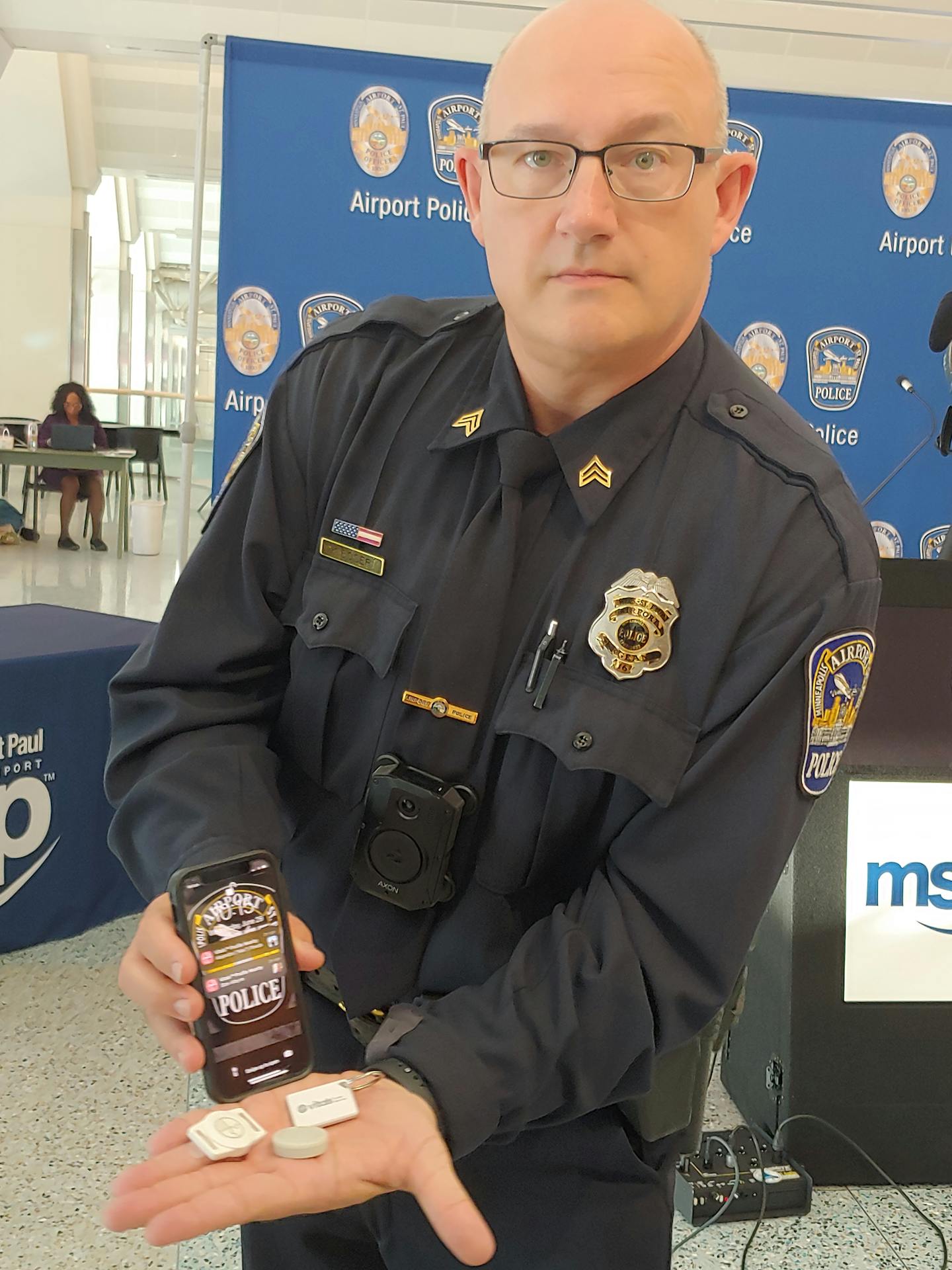
Airport law enforcement resources provide travelers with essential safety services, ranging from emergency medical response and criminal investigations to lost property recovery and public safety escorts. Unlike security screeners, airport police are sworn officers with the power of arrest, reachable via dedicated dispatch numbers, terminal emergency kiosks, or physical precinct offices located within major transport hubs.
Navigating an airport can be a complex experience, often compounded by the stress of tight schedules and high-density crowds. While most travelers interact primarily with airline staff or security screeners, the presence of dedicated airport law enforcement is a critical component of the travel infrastructure. Understanding the resources these officers provide—and how to access them—is vital for handling emergencies, reporting crimes, or seeking assistance in a secure environment.
As of 2026, airport policing has evolved to integrate advanced technology with traditional community-oriented policing. This guide outlines the specific resources available to travelers, the jurisdictional boundaries of various agencies, and the practical steps you should take when you need professional police intervention.
Distinguishing Between Security and Law Enforcement
A common point of confusion for travelers is the distinction between various uniformed personnel within an airport. To effectively utilize resources, it is necessary to identify who can help with specific problems.
Transportation Security Administration (TSA)
TSA officers are federal employees responsible for screening passengers and luggage for prohibited items. While they possess the authority to deny boarding or conduct searches, they are generally not sworn law enforcement officers. They cannot make arrests or investigate crimes like theft or assault. If a situation escalates at a checkpoint, TSA officers will call for airport police.
Customs and Border Protection (CBP)
CBP agents operate primarily at international arrival and departure points. Their focus is on immigration, customs enforcement, and the prevention of illegal entry of goods or persons. While they have broad law enforcement powers, their jurisdiction is typically limited to the "sterile" international zones of the airport.
Airport Police (The "Cops")
These are the officers the term "airport cop" refers to. Depending on the city, they may be a specialized division of the local municipal police (like the LAPD’s Airport Bureau) or a standalone agency (such as the Port Authority Police Department in New York and New Jersey). They handle criminal activity, traffic enforcement on airport grounds, and emergency response.
Essential Services and Resources Provided to Travelers
Airport police departments offer a suite of services that many travelers are unaware of until a crisis occurs. These resources are designed to maintain order and provide a safety net for the traveling public.
1. Crime Reporting and Investigation
If you are a victim of a crime within the airport—such as luggage theft, physical assault, or fraudulent activity—airport police are your primary resource. Most departments maintain a 24-hour dispatch center.
- Police Reports: Obtaining a formal police report is often a prerequisite for filing travel insurance claims or replacing stolen identity documents.
- Evidence Collection: Airport precincts have access to extensive CCTV networks, which they can use to track the movement of suspects or locate misplaced items.
2. Emergency Medical Response
In many jurisdictions, airport police are the first responders to medical emergencies. Officers are typically trained in CPR and the use of Automated External Defibrillators (AEDs). They coordinate with local paramedics to ensure rapid extraction from crowded terminal areas to nearby hospitals.
3. Public Safety Escorts
For travelers who feel unsafe—perhaps due to a late-night arrival or a specific credible threat—many airport police departments offer safety escorts. While they cannot provide private security for your entire trip, they can often assist in getting you safely to your vehicle or a ride-share pickup point if requested through the airport’s non-emergency line.
4. High-Value Lost and Found
While airlines handle items left on planes, items found in the public areas of the terminal (like the food court or check-in desks) are often turned over to the airport police, especially if they are high-value items like jewelry, laptops, or large sums of cash. Police departments maintain secure lockers for these items and follow a formal chain of custody for their return.
How to Contact Airport Police in 2026
Modern airports have streamlined the way travelers can request assistance. In 2026, the integration of mobile technology has made these resources more accessible than ever.
| Contact Method | Best For... | Implementation |
|---|---|---|
| 911 or Local Emergency | Life-threatening emergencies | Direct routing to airport dispatch in most major hubs. |
| Airport Mobile Apps | Non-emergency reporting | Dedicated "Security" or "Police" buttons in the official airport app. |
| Emergency Kiosks | Immediate terminal assistance | Intercom systems located near restrooms and gate clusters. |
| Physical Precincts | Filing reports/Lost property | Located usually on the arrivals or "Landside" level of the terminal. |
| Social Media/Text-to-Tip | Reporting suspicious behavior | Monitored feeds for non-urgent safety concerns. |
Locating the Physical Police Station
Every major international airport has a physical police presence. In hubs like London Heathrow or Hartsfield-Jackson Atlanta, these stations are often located in the "Landside" area (before security) or in a central transportation hub connected to the terminals. If you cannot find the station, any airport employee can direct you to the nearest "Police Substation" or "Information Desk" which has a direct line to dispatch.
Passenger Rights and Interactions with Law Enforcement
Understanding your rights is a fundamental part of utilizing law enforcement resources responsibly. While airport police are there to help, interactions can sometimes be stressful.
Consensual Encounters vs. Detentions
An officer may approach you to ask questions. In a "consensual encounter," you are free to leave. However, if an officer has "reasonable suspicion" that you are involved in criminal activity, they may briefly detain you for questioning. In the United States, under the Fourth Amendment, searches of your person or property generally require a warrant or probable cause, though "administrative searches" at security checkpoints are a notable exception where your consent to search is implied by your choice to travel.
The Right to Document
Travelers generally have the right to record law enforcement officers performing their duties in public spaces of the airport, provided the recording does not interfere with the officer's work or violate restricted-area security protocols. Documentation can be a valuable resource if you need to file a complaint or provide evidence of an interaction.
Language Assistance
For international travelers, airport police departments are required to provide or facilitate translation services. Many officers in major hubs are bilingual, and departments often use "Language Lines" or digital translation tools to communicate effectively with non-native speakers during investigations or medical emergencies.
Specialized Units and Their Roles
To manage the unique environment of an airport, police departments employ specialized units that provide niche resources for travelers.
- K9 Units: These teams are not just for drug detection. Many are trained in explosives detection and "vapor wake" technology, which allows them to detect explosives on a moving person. Their presence is a proactive resource for terminal safety.
- Behavioral Detection Officers: While some are TSA-affiliated, many police departments have plainclothes officers trained to identify physiological markers of high stress or deception, helping to preempt security incidents before they occur.
- Traffic and Curbside Management: While often seen as an inconvenience, these officers ensure that the flow of traffic remains clear for emergency vehicles, which is a vital safety resource during a terminal evacuation or medical crisis.
What to Do If You Encounter a Problem with Law Enforcement
If your interaction with an "airport cop" is unsatisfactory or if you believe your rights have been violated, there are formal channels for recourse.
- Request a Supervisor: If an interaction is escalating or you feel you are being treated unfairly, you have the right to ask for a sergeant or commanding officer on duty.
- Note the Badge Number: Always record the name and badge number of the officers involved. In 2026, most departments require body-worn cameras, and noting the time of the incident helps in retrieving that footage.
- File a Formal Complaint: Each airport police department has an Internal Affairs or Professional Standards division. Complaints can typically be filed online through the municipal or port authority website.
- Legal Counsel: If you are arrested or detained for an extended period, you should exercise your right to remain silent and request an attorney immediately.
Preparing for a Safe Trip: Proactive Steps
You can make better use of law enforcement resources by being prepared before you even arrive at the airport.
- Save Numbers Locally: Before traveling, look up the non-emergency phone number for the police department at your departure and arrival airports. Save these in your phone as "Police - [Airport Code]."
- Inventory Your Valuables: Take photos of your luggage and high-value items. If you need to report them stolen to the airport police, having a visual record and serial numbers significantly increases the chances of recovery.
- Understand the "See Something, Say Something" Protocol: Police rely on traveler input. Reporting unattended bags or suspicious behavior is a way of engaging with law enforcement resources to ensure the safety of the entire terminal.
Frequently Asked Questions
Can airport police arrest me for a warrant from another state?
Yes. Airport police have access to national databases like the NCIC (National Crime Information Center) in the U.S. If they run your identification during a routine stop or at a security gate and find an active warrant, they have the authority to detain and arrest you for extradition to the issuing jurisdiction.
What should I do if I see a "Suspicious Package"?
Do not touch or move the item. Immediately find a uniformed officer or use an emergency kiosk. Airport police are trained to establish a perimeter and call in specialized bomb disposal units if necessary. Your role is to provide a clear description of the item and its location.
Are airport police different from the security guards at the gate?
Yes. Security guards at the gate are often private contractors hired by the airline or the airport authority. They do not have police powers. If a crime is committed, these guards must call the sworn airport police to handle the situation.
Can I get a police escort to my gate if I’m late?
Generally, no. Law enforcement resources are reserved for safety and security matters. Police escorts are typically only provided for high-risk individuals, dignitaries, or in specific medical/safety emergencies. Being late for a flight is considered an airline customer service issue, not a police matter.
How do I recover a stolen item after I have left the airport?
If you have already left, you must file a report online or via phone with the airport police department where the theft occurred. Provide any tracking data (like Find My iPhone) and your flight details. The police will investigate and, if the item is recovered, coordinate with you for its return, though you may be responsible for shipping costs.
Next Actions for Travelers
To ensure you are fully prepared to utilize airport law enforcement resources, your next step should be to visit the official website of the airports you will be visiting during your next trip. Navigate to the "Security" or "Public Safety" section and note the location of their police substations. Additionally, ensure your travel insurance policy is updated and that you understand the documentation required (such as a police case number) to file a claim for theft or loss while on airport grounds. Taking ten minutes to familiarize yourself with these local resources can save hours of stress during an actual emergency.