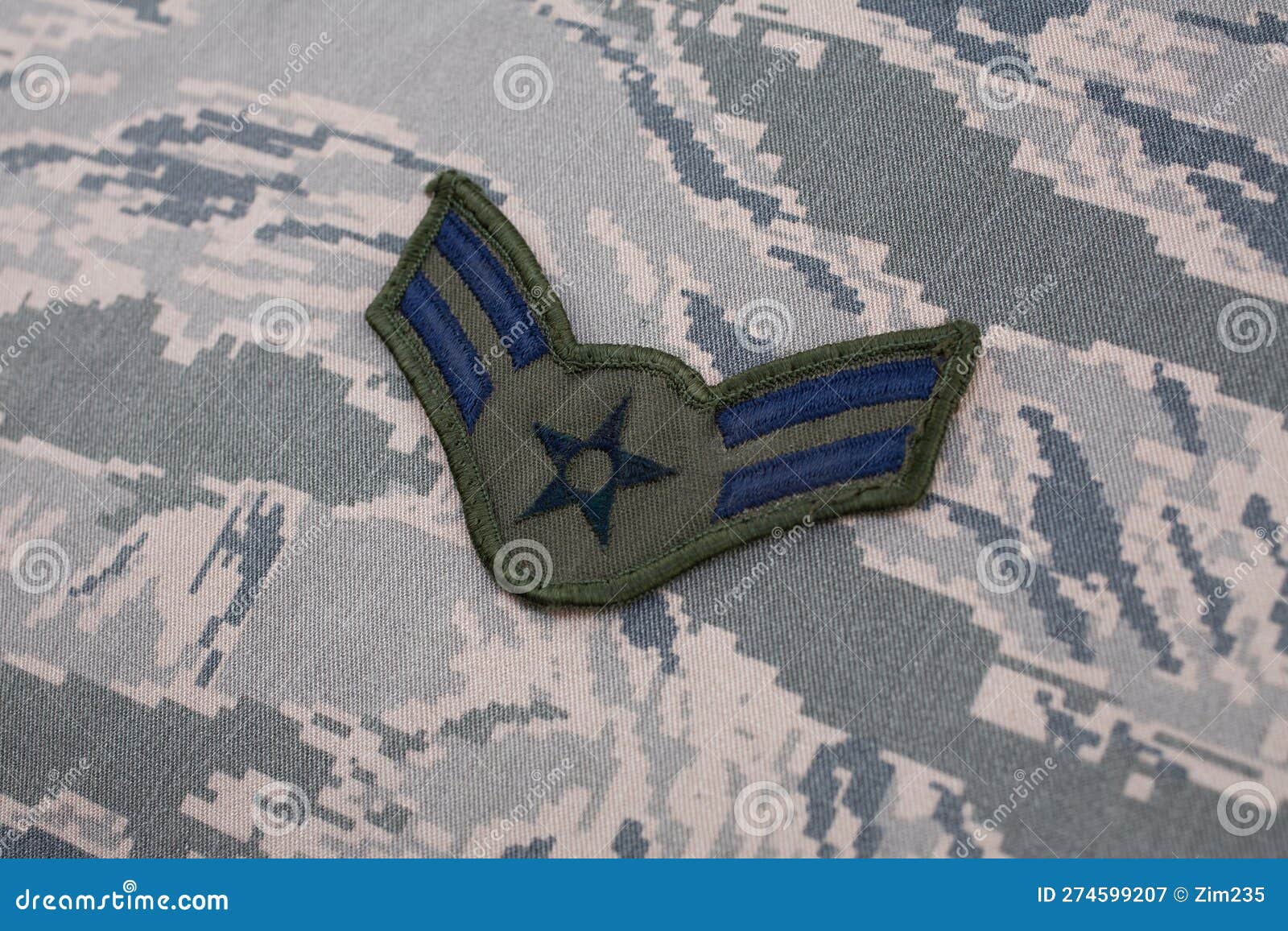
The United States Air Force (USAF) enlisted rank structure is a three-tiered hierarchy designed to facilitate a progression from entry-level technical mastery to strategic leadership. It comprises the Airman Tier (E-1 to E-4), the Noncommissioned Officer Tier (E-5 to E-6), and the Senior Noncommissioned Officer Tier (E-7 to E-9).
In the United States Air Force, rank is more than just a title or a pay grade; it is a reflection of an individual’s level of responsibility, technical proficiency, and leadership capability. As of 2026, the USAF continues to refine its enlisted development programs to ensure that every Airman, from the newest recruit to the Chief Master Sergeant of the Air Force, is prepared for the complexities of modern multi-domain operations. Understanding the nuances of these ranks is essential for recruits, military families, and those seeking to understand how the world’s premier air power organizes its human capital.
The Foundation: The Enlisted Tier System
The Air Force divides its enlisted members into three distinct tiers. Each tier represents a significant shift in expectations, education requirements, and authority. This structure ensures that as an Airman moves up in rank, they transition from "doing" the work to "leading" the people who do the work, and finally to "managing" the organizations that support the mission.
Tier 1: The Airman Tier (Grades E-1 through E-4)
This tier consists of Airman Basic, Airman, Airman First Class, and Senior Airman. The primary focus for these individuals is adapting to military life, achieving technical proficiency in their specific Air Force Specialty Code (AFSC), and learning how to be productive members of a flight or squadron.
Tier 2: The Noncommissioned Officer (NCO) Tier (Grades E-5 and E-6)
Staff Sergeants and Technical Sergeants make up the NCO tier. These individuals are expected to lead by example, mentor junior Airmen, and ensure the technical quality of the work performed within their shops. They are the frontline supervisors who bridge the gap between senior leadership and the tactical execution of tasks.
Tier 3: The Senior Noncommissioned Officer (SNCO) Tier (Grades E-7 through E-9)
Master Sergeants, Senior Master Sergeants, and Chief Master Sergeants occupy the highest enlisted levels. Their focus shifts from tactical supervision to operational and strategic leadership. SNCOs advise commanders on mission effectiveness, personnel welfare, and the professional development of the entire enlisted force.
Detailed Breakdown of Airman Ranks (Tier 1)
The Airman tier is where every career begins. In this stage, the Air Force invests heavily in training, ensuring that individuals possess the foundational skills required for their career fields.
Airman Basic (E-1)
Airman Basic (AB) is the entry-level rank for most enlistees. It is unique among all Air Force ranks because it features no insignia. During their time as an AB, recruits undergo Basic Military Training (BMT), where they are introduced to the core values: Integrity First, Service Before Self, and Excellence in All We Do.
As of 2026, most Airmen remain in this grade for six months before being promoted to Airman. Because there is no visible rank on the uniform, an AB is often identified by the lack of stripes on their sleeve or OCP (Operational Camouflage Pattern) rank patch.
Airman (E-2)
The rank of Airman (Amn) is typically earned after six months of time-in-grade (TIG) as an AB. The insignia for an Airman consists of a single chevron with a silver star in the center. At this stage, the Airman is usually in technical school or has just arrived at their first permanent duty station. The expectation is that the Airman is a "learner," focusing on mastering the basics of their job while following the guidance of NCOs.
Airman First Class (E-3)
Airman First Class (A1C) is a pivotal rank. The insignia features two chevrons. Many recruits enter the Air Force as an A1C if they have completed a certain number of college credits or participated in programs like the Civil Air Patrol or JROTC.
An A1C is expected to be fully integrated into their unit. While they are still learning, they are often given more responsibility than an E-2. The transition from A1C to the next rank requires the individual to demonstrate not just technical skill, but also the potential for leadership.
Senior Airman (E-4)
Senior Airman (SrA) is the highest rank in the first tier and is represented by three chevrons. This rank marks a significant transition point. A Senior Airman is expected to be a master of their technical craft. They often serve as trainers for newer Airmen.
To promote beyond SrA, an Airman must attend Airman Leadership School (ALS). This is a professional military education (PME) requirement that prepares them to become supervisors and enter the NCO tier. Senior Airmen may also be given "Below-the-Zone" (BTZ) promotion opportunities, allowing exceptionally high-performing individuals to reach E-4 six months ahead of their peers.
The Noncommissioned Officer (NCO) Tier (Tier 2)
Once an Airman reaches the rank of Staff Sergeant, they are no longer just workers; they are leaders recognized by the U.S. government as having the authority to supervise others.
Staff Sergeant (E-5)
The Staff Sergeant (SSgt) insignia consists of four chevrons (three lower stripes and one "rocker" or stripe underneath). SSgts are the primary frontline supervisors. They are responsible for the development of the Airmen under their command and must ensure that all tasks are completed according to strict Air Force instructions (AFIs).
Promotion to SSgt is competitive and involves the Weighted Airman Promotion System (WAPS), which factors in performance reports, medals, and test scores from the Specialty Knowledge Test (SKT) and the Promotion Fitness Examination (PFE).
Technical Sergeant (E-6)
Technical Sergeant (TSgt) is represented by five chevrons (three lower and two rockers). A TSgt is often the "technical expert" of a shop or section. They manage more complex tasks and are responsible for the professional growth of SSgts and junior Airmen. The role requires a high degree of administrative skill, as TSgts often handle performance evaluations and coordinate mission requirements across different departments.
The Senior Noncommissioned Officer (SNCO) Tier (Tier 3)
The SNCO tier represents the pinnacle of enlisted service. These ranks are characterized by the addition of "roof" stripes (chevrons pointing upward above the central star).
Master Sergeant (E-7)
Master Sergeant (MSgt) is the first SNCO rank, featuring six chevrons (three lower and three on top). Promotion to MSgt is a significant milestone that involves a central evaluation board. The board reviews the individual’s entire career, focusing on leadership, breadth of experience, and performance.
MSgts often serve as Flight Chiefs or Section Chiefs. At this level, the focus shifts from technical execution to organizational management.
Senior Master Sergeant (E-8)
Senior Master Sergeant (SMSgt) is represented by seven chevrons (three lower and four on top). Only about 2% of the enlisted force holds this rank. SMSgts are senior leaders who manage large groups of people and substantial resources. They are expected to provide strategic direction and are often involved in high-level planning.
Chief Master Sergeant (E-9)
Chief Master Sergeant (CMSgt) is the highest enlisted rank, with eight chevrons (three lower and five on top). By law, only 1.25% of the enlisted force can hold the rank of E-9. "Chiefs" are the ultimate advisors to commanders. They influence policy, oversee the welfare of the force, and ensure that the enlisted corps remains disciplined and effective.
Summary of USAF Enlisted Ranks and Insignia
| Rank Title | Abbreviation | Pay Grade | Insignia Description |
|---|---|---|---|
| Airman Basic | AB | E-1 | None |
| Airman | Amn | E-2 | 1 Stripe with silver star |
| Airman First Class | A1C | E-3 | 2 Stripes with silver star |
| Senior Airman | SrA | E-4 | 3 Stripes with silver star |
| Staff Sergeant | SSgt | E-5 | 4 Stripes (1 rocker) |
| Technical Sergeant | TSgt | E-6 | 5 Stripes (2 rockers) |
| Master Sergeant | MSgt | E-7 | 6 Stripes (3 on top) |
| Senior Master Sergeant | SMSgt | E-8 | 7 Stripes (4 on top) |
| Chief Master Sergeant | CMSgt | E-9 | 8 Stripes (5 on top) |
Special Roles and Positions
Beyond the standard rank structure, the Air Force utilizes specific roles that carry additional authority or prestige, even if the pay grade remains the same.
The First Sergeant
Identified by a diamond in the center of their rank insignia, the First Sergeant (often called "the Shirt") is an SNCO who has taken a special duty assignment to look after the health, morale, and welfare of the unit's enlisted members. They act as a liaison between the commander and the enlisted force, handling everything from disciplinary issues to family emergencies.
Command Chief Master Sergeant
A Command Chief Master Sergeant (CCM) serves as the senior enlisted advisor to a high-level commander (such as a Wing or Major Command commander). Their insignia includes a solid silver star at the top of the CMSgt chevrons. They are responsible for the professional development and effective utilization of all enlisted personnel within their command.
Chief Master Sergeant of the Air Force (CMSAF)
The CMSAF is the highest enlisted position in the entire Air Force. There is only one CMSAF at any given time. This individual advises the Air Force Chief of Staff and the Secretary of the Air Force on all matters concerning the enlisted force. The insignia features the CMSgt stripes with a unique wreath around the central star and the Great Seal of the United States.
The Promotion Process: How Airmen Advance
Promotion in the Air Force is based on a combination of time, performance, and testing. As of 2026, the system remains focused on identifying individuals with the highest potential for leadership.
- Fully Qualified (E-2 to E-4): Promotions to Airman, Airman First Class, and Senior Airman are generally non-competitive. As long as an Airman meets the TIG/TIS (Time-in-Service) requirements and receives a recommendation from their commander, they will promote.
- WAPS (E-5 and E-6): The Weighted Airman Promotion System is used for NCO ranks. It calculates a score based on the Enlisted Performance Brief (EPB), decorations, and two written exams: the SKT (job knowledge) and the PFE (Air Force history, leadership, and regulations).
- The Board Process (E-7 to E-9): For SNCO ranks, the process becomes more subjective. A central board reviews the member's "records" (career history, performance reports, and achievements) to determine who is best suited for the responsibilities of senior leadership.
Frequently Asked Questions
What is the difference between an Airman and an Officer?
Airmen are the "enlisted" force, focusing on technical specialties, supervision, and operational execution. They typically enter the Air Force with a high school diploma or some college. Officers are the "management" and "command" force, requiring at least a four-year degree. Officers hold commissions from the President and are responsible for the overall command of units and strategic decision-making.
How long does it take to become a Staff Sergeant?
On average, it takes about 4 to 5 years of service to reach the rank of Staff Sergeant. This depends on the individual's initial entry rank (E-1 vs E-3), their performance, and their ability to score well on WAPS testing. High-performing individuals who earn Senior Airman Below-the-Zone (BTZ) can reach it slightly faster.
Do Air Force ranks differ from other branches?
While the pay grades (E-1 through E-9) are standardized across the Department of Defense, the titles and insignias vary. For example, an E-5 in the Air Force is a Staff Sergeant, while an E-5 in the Navy is a Petty Officer Second Class. The Air Force insignia is also unique for its "curved" stripes, whereas the Army uses pointed "V" chevrons.
Can an Airman be demoted?
Yes. Under the Uniform Code of Military Justice (UCMJ), a commander has the authority to reduce an Airman's rank for disciplinary reasons or failure to maintain standards. This is typically done through non-judicial punishment (Article 15) or a court-martial.
What is the "Enlisted Performance Brief" (EPB)?
The EPB is the official document used to evaluate an Airman's performance over a specific period (usually a year). It replaced the older Enlisted Performance Report (EPR). The EPB focuses on "narrative-style" descriptions of an Airman's accomplishments, leadership, and impact on the mission, and it is the most critical document in an Airman's promotion file.
Next Steps for Future Airmen
If you are considering a career in the United States Air Force, understanding the rank structure is your first step toward integration. For those already serving, your focus should remain on mastering your AFSC while seeking out leadership opportunities early.
The path from Airman Basic to Chief Master Sergeant is long and demanding, but it is paved with professional development, education, and the opportunity to serve at the forefront of global security. For further information on current pay scales or specific recruitment requirements for 2026, consult the official U.S. Air Force recruitment portal or your local base Education Office.