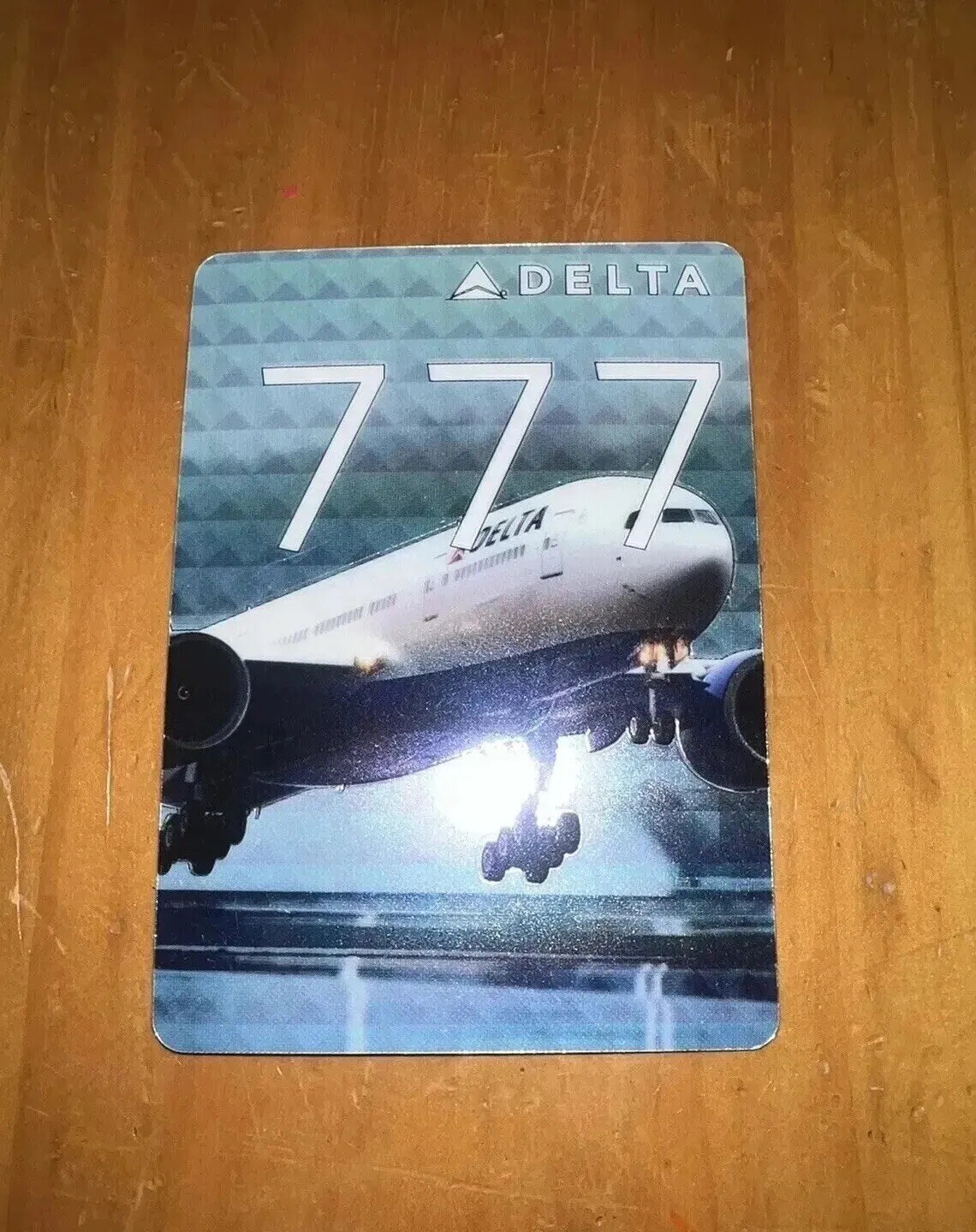
Airline pilot trading cards are collectible cards issued by major airlines, most notably Delta Air Lines, and distributed by pilots to passengers and aviation enthusiasts. To obtain these cards, passengers usually ask a pilot for one during boarding or deplaning while the aircraft is safely parked at the gate. The current 2026 collecting landscape focuses on the 11-card set refreshed in late 2024.
The Evolution of the Airline Pilot Trading Card Program
The tradition of airline pilot trading cards serves as a unique bridge between commercial aviation branding and the passionate community of "AvGeeks" (aviation enthusiasts). While the concept of airline memorabilia dates back to the "Golden Age of Flight," the modern iteration of pilot-distributed trading cards is a relatively recent phenomenon designed to inspire the next generation of aviators and reward brand loyalty.
The most prominent program is operated by Delta Air Lines, which launched its trading card initiative in 2003. The primary objective was to provide pilots with a tool to engage with younger passengers, fostering a positive connection with the flight deck. Over the decades, what began as a simple children’s giveaway has transformed into a high-demand collectible hobby for adults and children alike.
By 2026, the program has reached a mature state where card designs are meticulously updated every few years to reflect fleet changes. For example, as airlines retire older aircraft like the McDonnell Douglas MD-88 or the Boeing 747 and introduce fuel-efficient models like the Airbus A350 or A321neo, the card sets are redesigned to match the current operational reality. This ensures that the cards remain an accurate technical record of the airline’s history.
Delta Air Lines: The Industry Gold Standard
As of 2026, Delta Air Lines remains the undisputed leader in the pilot trading card niche. The program underwent a massive visual overhaul in late 2024, which serves as the current active series. This "6th Generation" of cards features a sleek, modern aesthetic with high-resolution photography and detailed technical specifications on the reverse side.
The Delta program is decentralized. Unlike traditional sports cards sold in packs, these are provided to pilots in small batches. Pilots choose whether to carry them and which specific aircraft cards they have on hand. Typically, a pilot will carry the card corresponding to the aircraft they are currently certified to fly (their "type rating"), though some enthusiasts-turned-pilots carry a variety of cards from the entire fleet.
The 2024-2026 Delta Fleet Set
The current set includes 11 distinct cards, though variations and "special editions" occasionally surface. The core fleet represented includes:
- Airbus A220
- Airbus A319/A320
- Airbus A321 (including the A321neo)
- Airbus A330-200/300
- Airbus A330-900neo
- Airbus A350
- Boeing 717
- Boeing 737-800/900ER
- Boeing 757
- Boeing 767-300ER/400ER
Each card is a window into the engineering of the aircraft. For instance, the A350 card highlights its carbon-fiber reinforced plastic construction and its role as the flagship of Delta’s long-haul international operations. The cards provide passengers with more than just a souvenir; they offer a tangible connection to the machine that just transported them across the globe.
Technical Specifications and Card Design
The quality of airline pilot trading cards has increased significantly to meet the expectations of modern collectors. The 2026 series cards are printed on heavy cardstock with a high-gloss finish, designed to withstand the rigors of being carried in a pilot's flight bag or a passenger's pocket.
Anatomy of a Pilot Trading Card
- Obverse (Front): A professional action shot of the aircraft, usually in flight or during takeoff/landing. The airline logo and the aircraft model name are prominently displayed.
- Reverse (Back): This is where the technical depth resides. It typically includes:
- Cruising Speed: Often expressed in Mach or Miles Per Hour.
- Range: The maximum distance the aircraft can fly fully loaded.
- Wingspan and Length: Physical dimensions.
- Engine Type: Specific manufacturers like Rolls-Royce, GE, or Pratt & Whitney.
- Fun Fact: A unique piece of trivia about that specific airframe or its history within the airline.
The 2024 refresh specifically updated these stats to reflect the "Neo" (New Engine Option) and "MAX" improvements in the fleet, highlighting the industry's shift toward sustainability and fuel efficiency.
How to Successfully Collect Airline Pilot Trading Cards
Collecting these cards requires a combination of travel, timing, and etiquette. Because they are not for sale through official channels, the only way to get them at "face value" is to be a passenger.
The Etiquette of the Request
The most important rule for any collector is to respect the pilot's primary responsibility: safety and operational duties. Pilots have a rigorous workflow during the pre-flight and post-flight phases.
- Best Time to Ask: The ideal time is during deplaning. Once the aircraft is at the gate and the majority of passengers have exited, the pilots often have a brief window before their next flight or before they leave the cockpit. Asking during boarding is also possible, but the crew is often busy with weight-and-balance calculations and clearance deliveries.
- Who to Ask: You can ask a flight attendant if the pilots have any trading cards available, or you can peek into the cockpit (if the door is open while parked) and ask the pilots directly.
- What to Say: A simple, "Excuse me, Captain, do you happen to have any pilot trading cards today?" is usually sufficient. Pilots who participate in the program are generally very happy to share them, especially with children or enthusiastic fans.
Geographical Limitations
It is important to note that while Delta is the most famous for this, the cards are primarily a North American phenomenon. While some international crews on other airlines may have similar items, the structured "trading card" system is a signature of Delta’s domestic and international operations. If you are flying on a Delta Connection flight (operated by Endeavor, SkyWest, or Republic), cards may be more difficult to find, as those pilots are technically employees of the regional partner, though many still carry mainline Delta cards.
Comparison of Featured Aircraft in the 2026 Collection
To help collectors track their progress, the following table outlines the key characteristics of the most sought-after cards in the current 2024-2026 series.
| Aircraft Model | Primary Route Type | Key Technical Highlight | Rarity Note |
|---|---|---|---|
| Airbus A350-900 | Ultra-Long-Haul | Max Range: ~8,100 nautical miles | Harder to find; only on long-haul crews. |
| Airbus A321neo | Domestic / Transcon | 20% better fuel efficiency than previous gen | Very common on domestic routes. |
| Boeing 767-400ER | International | Unique raked wingtips for aero efficiency | Becoming rarer as the fleet ages. |
| Boeing 717 | Short-Haul / Regional | Rear-mounted engines; "Mad Dog" lineage | High demand due to niche fan base. |
| Airbus A220-300 | Domestic / Thin Routes | Largest windows in the narrow-body class | Common on newer domestic routes. |
The Secondary Market and Valuation
While the cards are free from the airline, a robust secondary market exists on platforms like eBay and specialized aviation forums. For many, the "hunt" of flying to get the cards is the point, but for those looking to complete a set, buying is often the only way to acquire cards from aircraft types they don't frequently fly.
Value Drivers
- Condition: Like sports cards, "mint" condition (sharp corners, no creases) commands the highest price. Because these are often handed to kids or stuffed in pockets, finding cards in pristine condition can be challenging.
- The "Holographic" or Shiny Variants: In previous iterations, certain cards had "shiny" or metallic finishes. These are considered "chase cards" and can fetch significantly more than standard matte cards.
- Retired Aircraft: Cards featuring planes no longer in the fleet (like the MD-88, MD-90, or the 747-400) are highly prized by nostalgic collectors.
- Complete Sets: A full "generation" set (e.g., all 11 cards from the 2024 series) is more valuable than the sum of its parts, often selling for $50 to $150 depending on the current demand.
Why Airlines Continue the Program
In an era of cost-cutting, one might wonder why an airline would continue to print and distribute thousands of cards. The answer lies in brand affinity and recruitment.
The aviation industry faces a recurring pilot shortage. By putting a "cool" piece of tech into the hands of a 10-year-old, the airline is planting the seed for a future career. Many current first officers and captains at major airlines cite these small interactions—and the cards they received as children—as the spark that led them to flight school.
Furthermore, from a marketing perspective, the cards are a low-cost, high-impact way to generate organic social media content. On platforms like Instagram and TikTok, the "pilot card challenge" or "cockpit tours" generate millions of views, providing the airline with "free" advertising that reaches a highly engaged demographic.
Common Mistakes for New Collectors
- Asking during flight: Never attempt to ask for a card during the flight. The cockpit door is locked for security, and the pilots are focused on flying.
- Being demanding: Remember that cards are a "gift," not a right of the passenger. If a pilot is out of cards, they are out. Many pilots pay for the cards themselves or have to go out of their way to restock them at "pilot shops" or base hubs.
- Ignoring regional flights: As mentioned, regional partners (Delta Connection) have lower "hit rates" for cards. If you really want a card, your best bet is a "Mainline" flight on a larger jet.
- Focusing only on the pilot: Sometimes the "Lead Flight Attendant" or "Purser" has a stash of cards in the galley if the pilots are too busy to distribute them. It never hurts to ask the cabin crew politely.
FAQ: Frequently Asked Questions
Do other airlines besides Delta have trading cards?
While Delta has the most formal and consistent program, other airlines have experimented with similar items. United Airlines has released limited-edition cards in the past, often tied to specific events or aircraft launches (like the 787 Dreamliner). Southwest Airlines occasionally provides stickers or "wings" pins but lacks a formalized "trading card" deck. In 2026, Delta remains the primary target for card collectors.
How many cards are in a "full set"?
For the 2024-2026 Delta series, a standard full set consists of 11 cards. However, "full" is subjective, as some collectors also seek out cards from previous generations (2022, 2015, etc.) or "special event" cards issued for inaugural flights or anniversary celebrations.
Are the cards different for international flights?
The cards themselves are part of a standardized fleet set. However, you are more likely to find cards for the Airbus A350 or Boeing 767 on international routes, as those are the aircraft used for long-haul travel. Pilots usually carry the card for the plane they are currently flying.
Can I buy the cards directly from the airline?
No. Delta does not sell these cards through their "Delta Shop" or any retail outlet. They are intended solely as an in-person engagement tool between the crew and the passengers. This exclusivity is what drives the collector market.
What should I do if a pilot says they are out of cards?
Thank them for their time and enjoy your flight. Pilots are not required to carry them, and supply chain issues or high demand can sometimes lead to shortages at certain hubs. You can try again on your connecting flight or your return journey.
Next Actions for Aspiring Collectors
If you are looking to start or complete your collection in 2026, the best strategy is to book a flight on a "Mainline" Delta route. Check the aircraft type during the booking process to target specific cards you are missing. Before you head to the airport, familiarize yourself with the current 11-card checklist. Once on board, wait until the end of the flight, be the last one to deplane, and politely ask the flight crew if they have any cards available. This patient, respectful approach is the most successful way to build a collection that serves as a lasting memory of your travels.