Finding a beachfront Airbnb in Miami in 2026 requires balancing desired luxury with strict local zoning regulations. Travelers can find premium oceanfront stays primarily in high-rise condo-hotels in Mid-Beach, Sunny Isles, and specific zones in North Beach where short-term rentals are legally permitted and professionally managed.
The landscape of short-term rentals (STRs) in Miami-Dade County has evolved significantly over the last decade. As we navigate the 2026 travel season, the "beachfront" experience is no longer just about proximity to the sand; it is about navigating a complex market of luxury high-rises, historic Art Deco gems, and rigorous municipal enforcement. Whether you are looking for the high-energy pulse of South Beach or the refined seclusion of Key Biscayne, understanding the nuances of the Miami coastline is essential for a successful booking.
Understanding the Legal Landscape of Miami Beachfront Rentals
Before browsing listings, it is vital to understand that "Miami" is a collection of distinct municipalities, each with its own rules regarding Airbnbs. The City of Miami Beach, which holds the most iconic beachfront property, maintains some of the strictest short-term rental regulations in the United States. In 2026, these rules remain a cornerstone of local housing policy, designed to preserve the character of residential neighborhoods.
In most of Miami Beach, short-term rentals (stays of less than six months and one day) are prohibited in areas zoned as "single-family residential." However, they are permitted in specific "high-density" districts, typically along the oceanfront where condo-hotels and apartment-hotels predominate. If a listing is legal, the host must display a valid Business Tax Receipt (BTR) number and a Resort Tax Certificate number.
Booking an illegal rental carries significant risks for the traveler. The city frequently conducts enforcement sweeps, and if an illegal rental is shut down just before or during your stay, you may find yourself without a place to sleep and a difficult refund process. Always verify that your host has provided their registration details in the "About this space" section of the listing.
Top Neighborhoods for Beachfront Airbnbs in 2026
Miami’s coastline offers vastly different experiences depending on the latitude. Choosing the right neighborhood is the most important decision in the planning process, as it dictates your daily rhythm, noise levels, and access to amenities.
South Beach (SoBe): The Iconic Hub
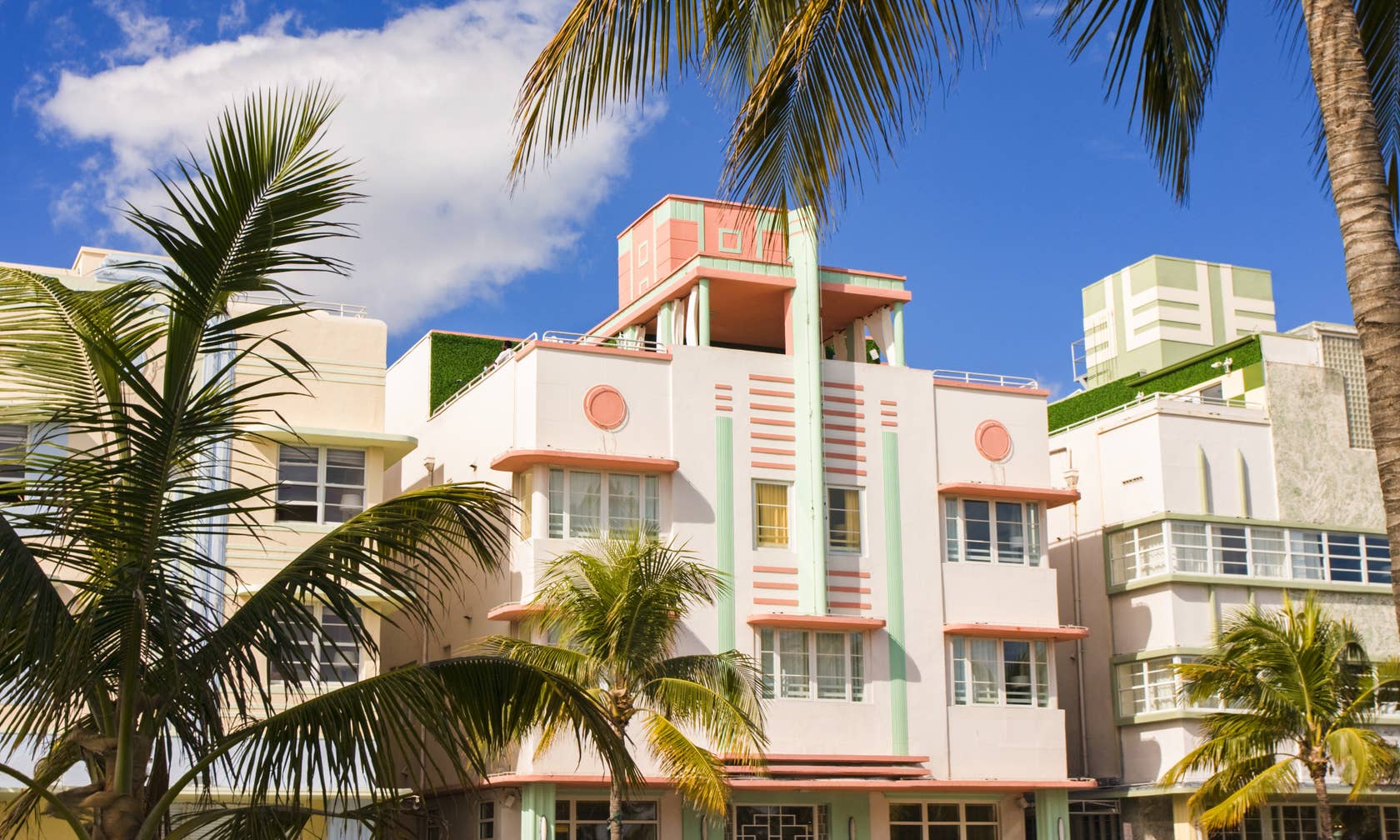
South Beach remains the most requested destination for travelers seeking the quintessential Miami experience. The "beachfront" here is unique because Ocean Drive separates the buildings from the actual sand. This means you will likely be staying in an Art Deco building with a view of Lummus Park and the Atlantic Ocean beyond it.
- Vibe: High energy, walkable, historic architecture, and world-class nightlife.
- Property Types: Mostly studio or one-bedroom apartments in renovated 1930s buildings. Expect smaller square footage but high "cool" factor.
- Accessibility: Highly walkable. You do not need a car if you stay in South Beach.
Mid-Beach: The Millionaire’s Row Evolution
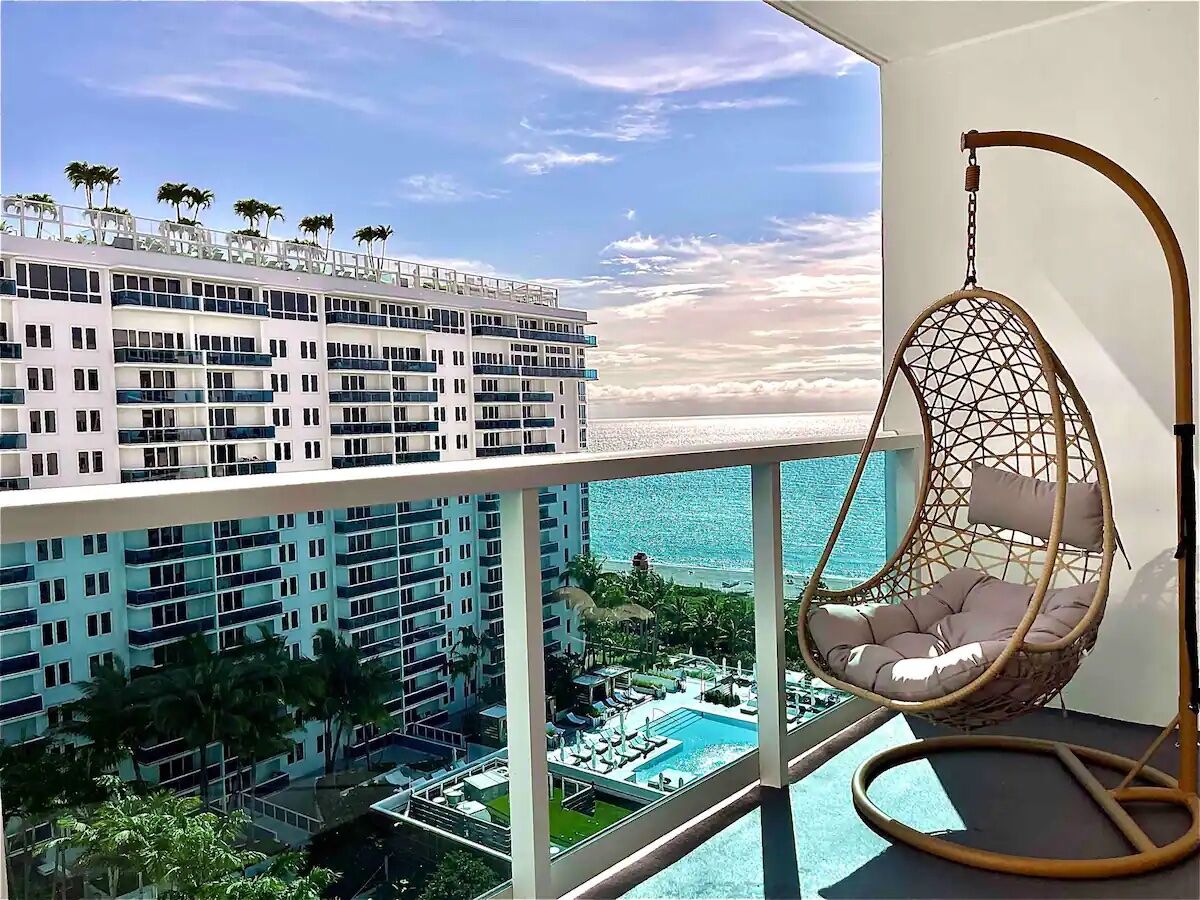
Mid-Beach, spanning from 23rd Street to 63rd Street, has seen a massive influx of luxury redevelopment. This area is home to many "condo-hotels"—buildings where individual owners list their units on Airbnb, but the building operates with hotel-like amenities (pools, gyms, valet parking).
- Vibe: Sophisticated and slightly more relaxed than South Beach.
- Property Types: Modern high-rise condos with floor-to-ceiling windows and expansive balconies.
- Key Advantage: Direct beach access. Unlike South Beach, many buildings here sit directly on the sand, with no street or park in between.
North Beach and Surfside: The Local Retreat
For those who want a quieter, more residential feel, North Beach (specifically the area around the North Beach Bandshell) offers a more "Old Florida" atmosphere. Surfside, just to the north, is an upscale enclave known for its luxury boutiques and manicured beaches.
- Vibe: Family-friendly, quiet, and less commercialized.
- Property Types: A mix of mid-century modern (MiMo) apartments and ultra-luxury new constructions.
- Legal Note: Surfside has very strict STR rules; ensure any listing there is a registered condo-hotel unit.
Sunny Isles Beach: The Riviera of Florida
Located at the northern tip of Miami-Dade County, Sunny Isles Beach is defined by its skyline of soaring luxury towers. This is where you find the highest concentration of "true" beachfront Airbnbs with 5-star resort amenities.
- Vibe: Affluent, international, and high-end.
- Property Types: Large, multi-bedroom penthouses and high-floor units in famous towers.
- Amenities: Often include private beach clubs, multiple pools, and on-site spas.
Comparing Miami Beachfront Neighborhoods
The following table provides a snapshot of what to expect across different beachfront sectors in 2026.
| Neighborhood | Vibe | Price Range (High/Low) | Beach Access Type | Best For |
|---|---|---|---|---|
| South Beach | Vibrant/Nightlife | $$$ - $$$$ | Across Ocean Drive | Solo travelers, Nightlife seekers |
| Mid-Beach | Upscale/Modern | $$$$ | Direct Sand Access | Couples, Luxury seekers |
| North Beach | Relaxed/Local | $$ - $$$ | Direct/Park Access | Families, Long stays |
| Sunny Isles | Ultra-Luxury | $$$$$ | Direct Sand Access | Groups, Families, Luxury |
| Key Biscayne | Nature/Secluded | $$$$ | Direct/Dune Access | Nature lovers, Privacy |
Essential Amenities to Look for in a Beachfront Listing
When booking a beachfront Airbnb in Miami, the quality of your stay often hinges on the amenities provided. Since you are paying a premium for the location, ensure the host offers the following to avoid extra "tourist" costs once you arrive.
1. Beach Gear
Miami's public beaches allow you to rent chairs and umbrellas, but these can cost upwards of $40–$60 per day. Look for listings that explicitly include "beach chairs, umbrellas, and towels." Many hosts in the Mid-Beach and North Beach areas provide a rolling cart with these essentials, saving you hundreds of dollars over a week-long stay.
2. Balcony and View Orientation
Not all "beachfront" listings provide a view of the water. Some may be in a building on the beach but face the city (Intracoastal views). If a sunrise over the ocean is your priority, look for keywords like "Direct Oceanfront" or "East-facing balcony." Be wary of "Partial Ocean View," which often means you have to lean over the balcony to see a sliver of blue.
3. Kitchen Facilities
One of the primary reasons to choose an Airbnb over a hotel is the ability to cook. In Miami's high-end beachfront areas, dining out every meal can be prohibitively expensive. Check the photos for a full-sized refrigerator and a stove. Some "studio" beachfront Airbnbs only offer a kitchenette (microwave and small fridge), which may limit your ability to prepare meals.
4. Parking (The "Hidden" Cost)
In Miami Beach and Sunny Isles, parking is notoriously difficult and expensive. Valet parking at a beachfront condo can cost $35–$50 per day. Always check if a dedicated parking spot is included in the booking price. If not, research nearby municipal garages, as street parking is often restricted to residents only.
Navigating the 2026 Pricing and Seasonality
The cost of a beachfront Airbnb in Miami is highly volatile and tied to the seasonal calendar. In 2026, we continue to see a massive premium for stays during the "High Season" (December through April).
- Peak Season (Dec–April): This is when the weather is most favorable (low humidity, no hurricanes). Expect prices to be 50% to 100% higher than the baseline. Events like Art Basel (December) and the South Beach Wine & Food Festival (February) cause prices to spike even further.
- Shoulder Season (May–June, Oct–Nov): These are often the best times to visit. The weather is warm, but the crowds are thinner. You can often find luxury beachfront units for 30% less than peak prices.
- Low Season (July–Sept): This is hurricane season in Florida. While you can find incredible deals on beachfront penthouses, be prepared for high humidity and the potential for afternoon thunderstorms. Ensure your booking has a flexible cancellation policy or that you have travel insurance that covers weather-related disruptions.
According to the National Hurricane Center, the Atlantic hurricane season runs from June 1 to November 30. When booking during this window, verifying the host's cancellation policy regarding mandatory evacuations is a critical step in your due diligence.
How to Verify a Host and Avoid Scams
As the short-term rental market has matured, so have the tactics of fraudulent actors. To ensure your "beachfront" paradise is real, follow these verification steps:
- Cross-Reference Photos: Use a reverse image search on the listing photos. Scammers often steal photos from high-end real estate listings or hotel websites.
- Check the "Superhost" Status: While not a guarantee of perfection, Superhosts have a proven track record of reliability and high ratings.
- Read the Recent Reviews: Look for reviews within the last three to six months. If a listing has 500 reviews but none in the last year, the property may have changed management or deteriorated.
- Google Maps Street View: Drop the "pegman" on the address provided (or the general vicinity). Ensure there isn't a massive construction project right next door. Construction noise is a common complaint in developing areas like Mid-Beach and Sunny Isles.
- Official Registration: In the City of Miami Beach, you can verify a property's STR eligibility through the City of Miami Beach Government portal.
Logistics: Getting Around the Miami Coastline
Staying beachfront often means you are on a narrow strip of land separated from the mainland. In 2026, transportation options have expanded, but traffic remains a significant factor.
- The Brightline: If you are arriving from Orlando or Fort Lauderdale, the Brightline high-speed rail is the most efficient way to reach downtown Miami. From there, a quick Uber or Lyft will get you across the MacArthur Causeway to the beach.
- The Miami Beach Trolley: This is a free service that runs several routes through South, Mid, and North Beach. It is an excellent way for Airbnb guests to move along the coastline without worrying about parking.
- Water Taxis: For a more scenic route, water taxis operate between the Miami mainland (Bayside Marketplace) and various points in Miami Beach.
- Walking and Biking: The "Beachwalk" is a paved path that now runs almost the entire length of Miami Beach. It is perfect for morning runs or renting a Citi Bike to travel between neighborhoods.
Frequently Asked Questions
Is it legal to stay in a beachfront Airbnb in Miami Beach?
Yes, but only in specific zones. The City of Miami Beach allows short-term rentals in most oceanfront buildings located in districts zoned as "Condo-Hotel" or "Commercial." It is illegal in most single-family residential neighborhoods. Always check for a host’s valid registration number in the listing.
What are the average cleaning fees for a Miami beachfront Airbnb?
Cleaning fees have risen alongside labor costs. In 2026, expect to pay between $150 and $350 for a professional cleaning of a beachfront unit. Larger penthouses or multi-bedroom units may command even higher fees. These are one-time charges, so they become more economical the longer you stay.
Are beachfront Airbnbs in Miami pet-friendly?
This depends on the individual building's homeowners association (HOA) rules rather than just the host's preference. Many high-rise condos have strict "no-pet" policies for short-term renters, even if the owner has a pet. Always filter your search for "pet-friendly" and double-check the house rules to ensure your pet is allowed in the common areas and elevators.
How do I handle "Resort Fees" in an Airbnb?
If you are staying in a unit within a condo-hotel, the building may charge a separate "Resort Fee" at the front desk for access to the pool, gym, and beach service. Hosts are required to disclose these fees in the listing description. Be sure to read the "Additional Rules" section to see if you will be charged $20–$50 per day upon arrival.
What is the best month to book a beachfront stay for good weather?
March and April are widely considered the best months. The ocean is warm enough for swimming, the humidity is low, and the risk of hurricanes is non-existent. However, this is also Spring Break season, so expect larger crowds and higher prices in South Beach.
Practical Recommendation for Your Stay
For the best overall experience in 2026, target a professionally managed condo-hotel unit in Mid-Beach. This provides the legal security of a hotel, the amenities of a resort (pool and direct beach access), and the kitchen/living space of an Airbnb. Avoid booking "new" listings with zero reviews, even if the price is enticingly low. Prioritize listings that include a parking space and beach gear to maximize your value. Finally, always communicate with your host through the Airbnb platform to ensure you are protected by their AirCover insurance and dispute resolution services.