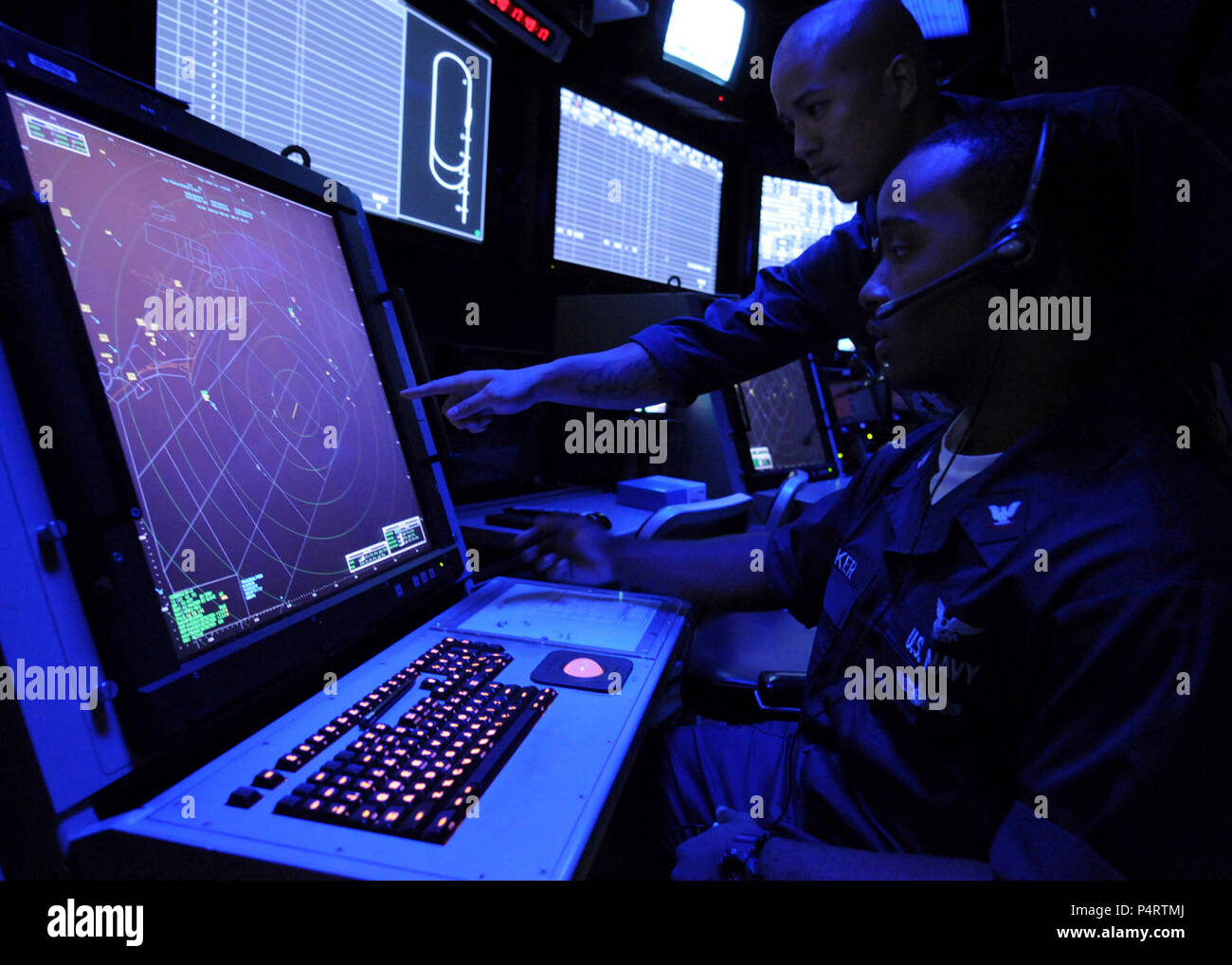
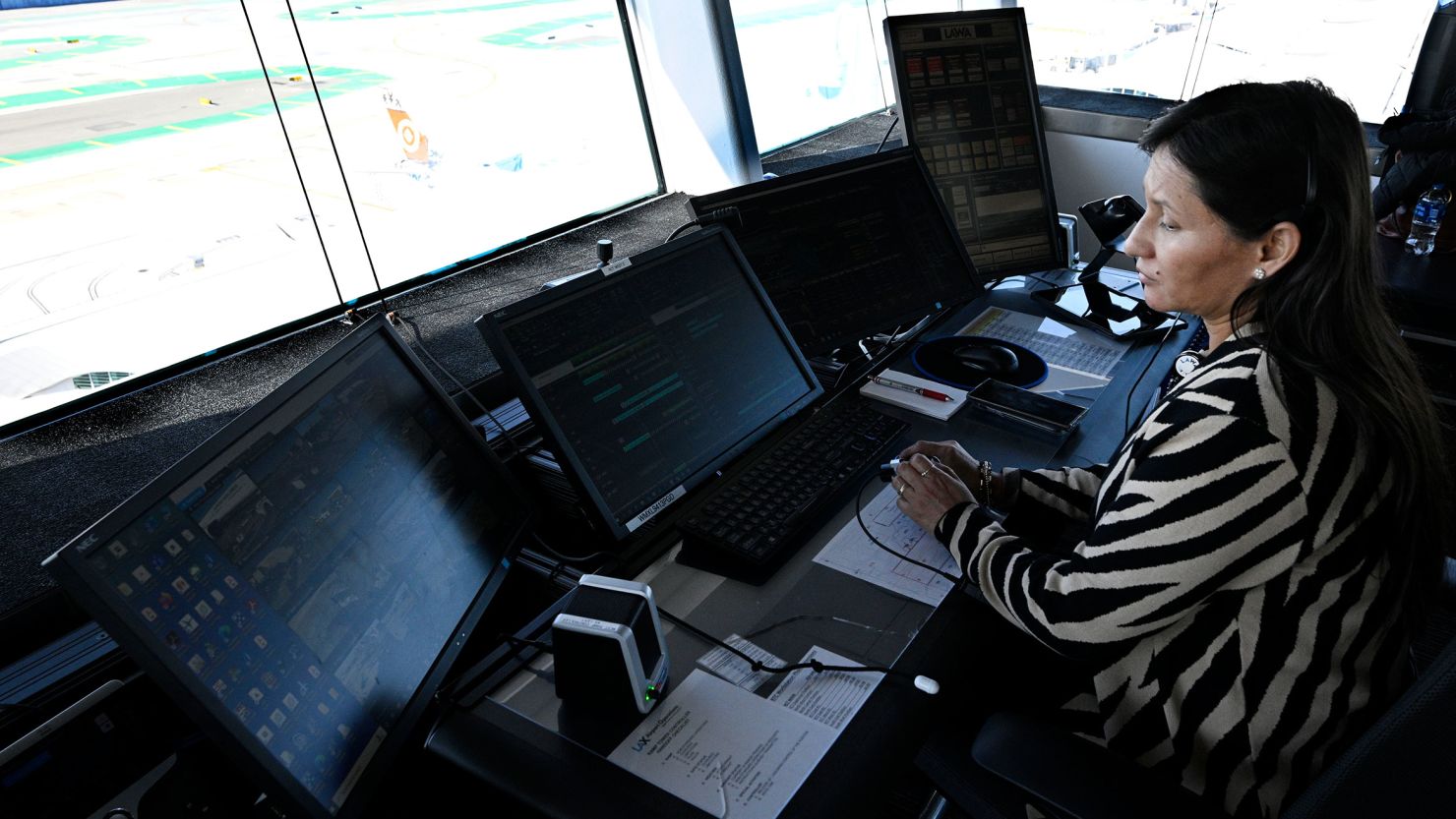
Securing air traffic controller credentials in the United States requires navigating a rigorous federal qualification process managed by the Federal Aviation Administration (FAA). Candidates must meet strict age, citizenship, medical, and educational prerequisites, pass specialized aptitude testing, complete initial training at the FAA Academy, and subsequently earn facility ratings to become fully certified professional controllers.
The Regulatory Framework of U.S. Air Traffic Control
The management of civil aviation and air navigation within the United States is governed by Title 49 of the United States Code, which grants the Federal Aviation Administration absolute authority over airspace safety, pilot certification, and air traffic controller licensing. Unlike many other professions where state-issued licenses or professional association credentials suffice, air traffic controller credentials in the United States are exclusively federal. They are issued, maintained, and revoked directly by the FAA.
The foundation of any controller's legal authority to manage air traffic is the FAA Air Traffic Control Tower Operator Certificate, often issued alongside or integrated into formal facility ratings. Under Title 14 of the Code of Federal Regulations (14 CFR) Part 65, an air traffic controller must hold appropriate ratings for the specific airspace, sector, or facility in which they operate. Operating without valid credentials and current ratings constitutes a federal regulatory violation, exposing both the individual and the agency to severe safety liabilities.
Furthermore, the credentialing system separates controllers into distinct operational environments. A controller certified for an airport traffic control tower (ATCT) holds specific qualifications distinct from a controller managing high-altitude en-route traffic at an Air Route Traffic Control Center (ARTCC) or terminal radar control at a Terminal Radar Approach Control (TRACON). Understanding this framework is essential for anyone seeking to enter the workforce or evaluate the credentials of active personnel.
Core Eligibility Prerequisites for Applicants
Before an individual can begin the journey toward earning official air traffic controller credentials, they must satisfy a strict baseline of federal eligibility requirements set by the Federal Aviation Administration. These hurdles are non-negotiable and are evaluated during initial application windows, which typically open annually via USAJOBS.
1. Age and Citizenship Restrictions
- Citizenship: Applicants must be United States citizens. This is a mandatory national security requirement due to the sensitive nature of national airspace management and defense coordination.
- Age Limit: Under federal civil service guidelines, individuals must be under the age of 31 on the closing date of the application announcement. This statutory age cap exists because of mandatory retirement rules for air traffic controllers, which generally require retirement at age 56 to ensure optimal cognitive and physical reaction times in a high-stress environment. (Exceptions exist for certain veterans with specific federal civil service preference status).
2. Experience and Education Pathways
Candidates generally qualify through one of two primary pathways:
- The Collegiate Training Initiative (CTI): Graduates from approved Air Traffic-Collegiate Training Initiative institutions who have completed specific curriculum requirements.
- General Experience / Education: A combination of progressively responsible work experience, a completed college bachelor's degree, or a mix of both totaling three years of general work experience or four years of education (or an equivalent combination).
3. Medical and Psychological Clearances
Earning credentials requires passing an intensive FAA Class II medical examination conducted by an authorized aviation medical examiner (AME). Controllers must demonstrate excellent vision (correctable to 20/20), normal color vision, clear hearing, and robust cardiovascular and neurological health. Additionally, candidates undergo rigorous psychological and MMPI (Minnesota Multiphasic Personality Inventory) evaluations to screen for emotional stability and resilience under extreme pressure.
The Air Traffic-Collegiate Training Initiative (AT-CTI) Program
The AT-CTI program serves as one of the primary talent pipelines for the FAA. The agency partners with select colleges and universities across the United States that offer specialized, two- or four-year aviation degree programs focused on air traffic management.
Curriculum and Standards
Institutions participating in the CTI program adhere to a standardized curriculum vetted by the FAA. Coursework covers aerodynamics, federal aviation regulations, weather theory, radar operations, and phraseology. While graduating from a CTI program does not bypass the requirement to attend the FAA Academy in Oklahoma City, it does grant candidates eligibility to bypass the initial general public hiring bid under specific pathways, or allows them to skip certain introductory theoretical modules depending on current agency hiring agreements.
Limitations of CTI Credentials
It is a common misconception that a CTI degree acts as a standalone operational license. An academic degree or certificate from a CTI school is merely an educational prerequisite or qualifying pathway. Graduates must still successfully apply through federal vacancy announcements, pass the initial aptitude screening, and complete the exact same rigorous practical training at the FAA Academy as candidates hired from general civilian or military backgrounds.
The Initial Screening and the Air Traffic Selection and Training (AT-SA) Test
Once an applicant's basic eligibility is verified, they must pass the Air Traffic Selection and Training (AT-SA) exam. The AT-SA is a computerized aptitude test administered at Pearson VUE testing centers nationwide. It replaces older screening methods like the AST-B and is designed to measure the cognitive skills essential for air traffic control work.
What the AT-SA Measures
- Multi-tasking: The ability to monitor multiple moving targets or variables simultaneously while prioritizing urgent tasks.
- Spatial Awareness: Quick mental calculation of distances, trajectories, and closure rates between aircraft in three-dimensional space.
- Abstract Reasoning and Logic: Problem-solving under time constraints and applying procedural rules consistently.
- Short-Term Memory: Retaining and recalling call signs, flight numbers, altitudes, and routing instructions rapidly.
Scoring Bands
Test results are categorized into numerical bands: Qualified, Well Qualified, and Highly Qualified. Only candidates who achieve competitive scores are referred to the FAA for further processing. Because competition for entry-level developmental positions is exceptionally intense—often drawing tens of thousands of applicants for a few hundred slots—achieving a top-tier score on the AT-SA is vital for securing a conditional offer of employment.
FAA Academy Training in Oklahoma City
Candidates who receive a tentative offer of employment and clear medical and background investigations are sent to the Mike Monroney Aeronautical Center in Oklahoma City, Oklahoma, for initial training at the FAA Academy.
Structure of Academy Training
Training duration varies depending on the operational track:
- Tower (ATCT) Track: Typically spans several weeks of intensive classroom instruction and simulation labs.
- En-Route (ARTCC) Track: Focuses heavily on radar control theory, sector management, and strip marking.
The Elimination Standard
The FAA Academy is notoriously demanding. It operates on a pass/fail standard where students must maintain high academic averages on written exams and demonstrate proficiency in live-fire radar and tower simulators. Failing an exam or demonstrating an inability to control simulated traffic safely results in immediate elimination from the program and termination of employment. Success at the academy is the mandatory gateway to receiving a developmental assignment at an active FAA facility.
Facility Ratings and the Developmental Process
Graduating from the FAA Academy does not immediately confer full professional controller status. Instead, graduates are designated as Developmental Controllers and are dispatched to an active air traffic control facility—such as a TRACON, ARTCC, or local tower—to begin the longest and most critical phase of their credentialing.
The On-the-Job Training (OJT) Process
Upon arrival at a facility, the developmental controller is assigned to a certified professional controller who acts as an Instructor / On-the-Job Training Instructor (OJTI). The developmental must learn the specific local airspace, letter of agreements, standard operating procedures (SOPs), terrain features, and traffic flows unique to that facility.
- Position Qualification: Developmentals must certify on individual positions within a facility (e.g., ground control, local control, radar arrival, radar low, radar high) one by one.
- The CPC Goal: The ultimate objective is to earn the title of Certified Professional Controller (CPC) for every position within that specific sector or tower cab.
Timelines and Washout Rates
The path to earning full CPC status takes anywhere from two to five years, depending on the complexity of the facility (classified on a scale from Level 5 up to Level 12, with Level 12 being the busiest airspace). Facility training programs enforce strict progress milestones. Failure to meet training targets or inability to pass final facility checkouts can result in being washed out from that facility, and potentially separated from the agency entirely.
Maintenance, Renewal, and Medical Surveillance of Credentials
Once an air traffic controller achieves Certified Professional Controller status, maintaining their credentials requires continuous oversight, periodic re-evaluation, and strict adherence to federal health and operational standards.
1. Medical Recertification
Controllers must undergo mandatory annual or biannual medical examinations depending on their age. Any significant change in health, prescription drug usage, or surgical procedure requires immediate clearance by an AME or the FAA Regional Flight Surgeon before the controller is permitted to plug into a live operational position.
2. Proficiency and Skill Maintenance
Controllers must maintain operational currency. If a controller is absent from active control duties for an extended period (due to injury, administrative leave, or management duties), they must complete mandatory remedial simulation training and hours under the supervision of an OJTI to regain full currency on their rated positions.
3. Drug and Alcohol Testing
Given the absolute safety-critical nature of the profession, controllers are subject to rigorous random drug and alcohol testing under Department of Transportation (DOT) and FAA regulations. Any positive result or refusal to test results in immediate revocation of all federal air traffic credentials and permanent termination.
Comparison of U.S. Air Traffic Control Credential Pathways
The following table summarizes the key milestones, requirements, and credential outcomes across the primary stages of becoming a credentialed air traffic controller in the United States.
| Career Stage | Primary Requirement / Hurdle | Governing Entity | Credential / Status Outcome |
|---|---|---|---|
| Initial Application | Age <31, U.S. citizenship, education/experience | FAA / USAJOBS | Candidate Referral |
| Aptitude Screening | Passing the computerized AT-SA examination | Pearson VUE / FAA | Qualified / Interview Pool |
| Academy Training | Passing written and simulation tests in OKC | FAA Academy | Academy Graduate / Developmental |
| Facility Training | Local airspace OJT, sector checkouts | Active FAA Facility | Certified Professional Controller (CPC) |
| Operational Control | Annual medical exam, drug screening, currency | FAA Regional Flight Surgeon | Maintained Air Traffic Control Tower Operator Certificate |
Frequently Asked Questions
Can military air traffic controllers transfer their credentials to the FAA?
Yes. Military air traffic controllers who possess FAA-recognized military tower or radar ratings can often bypass the FAA Academy through specialized military transition programs. However, they must still pass background checks, meet civil service age limits (or qualify for veterans' exceptions), complete FAA medical examinations, and undergo local facility training and certification to earn full FAA CPC status.
What happens if an air traffic controller fails a facility certification check?
Failing a facility checkout or exceeding the maximum allotted training hours for a specific position can trigger an evaluation board. Depending on the facility's assessment and the controller's overall performance, the individual may be granted remedial training, transferred to a lower-level facility matching their skill level, or separated from the federal service.
Are civilian air traffic controller credentials valid internationally?
U.S. air traffic controller credentials are issued under FAA regulations, which align with International Civil Aviation Organization (ICAO) standards. However, working in foreign airspace requires meeting the specific regulatory, language proficiency, and licensing requirements of that country's civil aviation authority, often necessitating a formal validation or conversion process.
Can individuals with corrected vision or color blindness become controllers?
Distant and near visual acuity must be correctable to 20/20 with lenses, but certain uncorrectable conditions can disqualify an applicant. Additionally, normal color vision is an absolute prerequisite; failing standard color vision tests (such as the Ishihara test) without successfully passing an approved operational color vision test will result in medical disqualification.
What is the mandatory retirement age for U.S. air traffic controllers?
Under federal law, air traffic controllers subject to 5CFR Part 831 or Part 842 must retire at age 56. Exceptions exist primarily for military personnel grandfathered into specific civil service arrangements or for select administrative waivers granted under strict agency conditions, but frontline operational control duties cease strictly at age 56.
Next Actions and Professional Guidance
Prospective candidates should begin by regularly monitoring federal job announcements on USAJOBS.gov during open application periods, ensuring that all educational transcripts, resume details, and identification documents are meticulously organized in advance. Current applicants should focus intensely on preparing cognitive strategies for the AT-SA exam and maintaining flawless physical and mental health to clear the stringent FAA medical examination without delay.