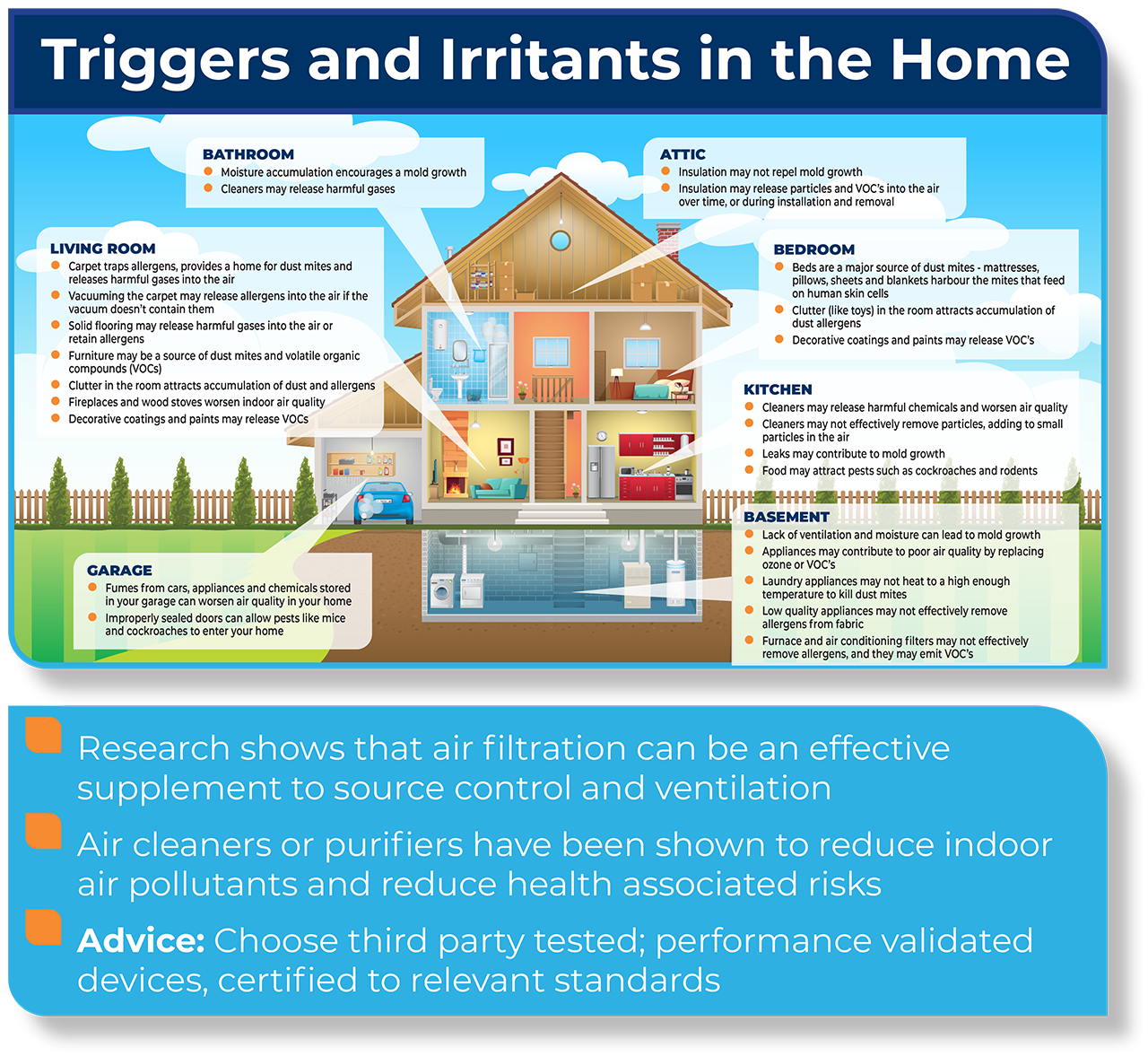
Air purifiers can significantly reduce allergy symptoms by capturing airborne allergens like pollen, dust mites, pet dander, and mold spores using HEPA filters. By continuously trapping these microscopic triggers before they settle or enter your respiratory system, these devices help decrease nasal congestion, sneezing, and coughing, providing noticeable relief for indoor allergy sufferers.
Managing indoor allergies often feels like an uphill battle. While deep cleaning, washing bedding in hot water, and controlling indoor humidity are vital steps, microscopic allergens constantly remain suspended in the air. This is where air purifiers play a critical, highly targeted role. By continuously drawing in ambient air and passing it through dense filtration media, these devices strip the atmosphere of the invisible triggers that provoke immune responses. Understanding how these appliances work, what types of filters matter, and how to integrate them into a broader allergy management strategy can transform your indoor environment into a safe haven.
Understanding Indoor Allergens and the Air You Breathe
Indoor air quality directly impacts respiratory health, particularly for individuals sensitive to airborne particulate matter. Unlike outdoor air, which is constantly circulated by wind and weather patterns, indoor air remains relatively stagnant. Homes are built to be energy-efficient and airtight, trapping not only heat and conditioned air but also an accumulation of biological and chemical pollutants.
Common indoor allergens include pet dander (shed skin cells coated in proteins from cats, dogs, and other animals), dust mite debris, microscopic mold spores, and tracked-in pollens. These particles vary in size, but many are small enough to remain airborne for hours. When disturbed by walking, vacuuming, or sitting on upholstered furniture, they launch back into the breathing zone.
Prolonged exposure to these airborne triggers keeps sensitive immune systems in a state of hyper-reactivity. This chronic irritation leads to persistent inflammation of the nasal passages and airways, manifesting as allergic rhinitis, asthma flare-ups, and disturbed sleep. Introducing a mechanical filtration device interrupts this cycle by constantly reducing the concentration of allergens suspended in the living space.
The Science of Filtration: How Air Purifiers Capture Allergens
Not all air purifiers are created equal when it comes to combating allergies. The core technology relies on forcing air through a series of physical barriers designed to trap particles of varying sizes.
High-Efficiency Particulate Air (HEPA) Filters
The gold standard for allergy mitigation is the True HEPA filter. According to the United States Environmental Protection Agency (EPA), a True HEPA filter must be capable of removing 99.97% of airborne particles down to 0.3 microns in size. To put this in perspective, a human hair is roughly 70 to 100 microns wide, while common allergens like pollen and pet dander range from 10 to 1,000 microns. Even microscopic PM2.5 particles and many mold spores fall within the capture capability of HEPA media.
True HEPA filters work through a combination of three mechanisms:
- Impact: Large particles collide directly with the filter fibers and stick.
- Interception: Medium-sized particles follow the airflow stream and brush past fibers, catching on them.
- Diffusion: Extremely small particles (under 0.1 microns) move in erratic patterns due to gas molecules colliding with them, eventually colliding with the filter fibers.
Activated Carbon Filters
While HEPA filters excel at capturing solid particulate matter, they do not absorb chemical pollutants, volatile organic compounds (VOCs), or household odors. Many modern air purifiers pair HEPA filtration with an activated carbon layer. This layer uses porous carbon material to adsorb gases, smoke, and chemical irritants that can also act as secondary triggers for respiratory inflammation.
Technologies to Avoid or Approach with Caution
Consumers should remain cautious of technologies that claim to clean air through chemical transformation rather than physical collection. Devices like ionizers and ozone generators release charged particles or ozone molecules into the air. While ionizers cause particles to clump together and fall out of the air (often landing on walls or floors), ozone generators intentionally emit ozone, a lung irritant that can exacerbate asthma and other chronic respiratory conditions. The California Air Resources Board (CARB) maintains certified lists of air cleaning devices that meet strict electrical safety and ozone emission limits.
Evaluating Air Purifiers for Specific Allergy Triggers
Different allergens present unique physical challenges within a home. Selecting the right purifier requires matching the device's capabilities to your specific household triggers.
| Allergen Type | Primary Particle Size | Recommended Filtration Technology | Key Consideration |
|---|---|---|---|
| Pollen | 10 to 100 microns | True HEPA | High CADR for rapid room turnover during peak seasons. |
| Pet Dander | 2.5 to 10 microns | True HEPA + Pre-filter | Frequent pre-filter cleaning to handle visible fur and hair. |
| Dust Mite Debris | 10 to 40 microns | True HEPA | Focus on bedroom placement where exposure time is longest. |
| Mold Spores | 3 to 30 microns | True HEPA + Humidity Control | Must be paired with source moisture mitigation to prevent colony growth. |
Managing Pet Allergies
Pet allergies are rarely caused by fur alone; rather, they stem from proteins found in the animal's saliva, urine, and dander. These proteins stick tenaciously to dust and remain airborne for long periods. An air purifier placed in the room where pets spend the most time can significantly drop dander counts. However, households with shedding animals will quickly clog standard filters, making a washable, coarse pre-filter essential to capture larger hair strands before they reach the HEPA core.
Combating Dust Mites and Mold
Dust mites thrive in warm, humid environments and feed on shed human skin cells, living primarily in mattresses, carpets, and upholstered furniture. While air purifiers cannot capture dust mites deeply embedded in fabrics, they do catch the microscopic fecal pellets and decaying body fragments that become airborne during routine movement. Similarly, mold spores float freely through the air seeking damp surfaces to colonize. While a HEPA filter captures airborne spores, stopping mold growth permanently requires addressing the underlying moisture source, such as a leaking pipe or high indoor humidity.
Key Performance Metrics: CADR and ACH
When shopping for an air purifier, marketing terms can sometimes obscure actual performance. Two standardized metrics provide an objective way to evaluate a device's effectiveness: Clean Air Delivery Rate (CADR) and Air Changes per Hour (ACH).
Clean Air Delivery Rate (CADR)
Established by the Association of Home Appliance Manufacturers (AHAM), the CADR rating measures the volume of filtered air delivered by an air purifier, expressed in cubic feet per minute (CFM). Separate CADR ratings are typically provided for smoke, dust, and pollen. A higher CADR number indicates a faster, more efficient cleaning capability for a given space.
Air Changes per Hour (ACH)
ACH calculates how many times in one hour the air purifier can filter the entire volume of air in a specific room size. For allergy sufferers, look for a unit that provides at least 4 to 5 air changes per hour in your target room. If you have severe allergies or asthma, selecting a unit rated for a room slightly larger than your actual space ensures a higher frequency of air filtration.
Strategic Placement and Maintenance for Maximum Relief
Owning an air purifier is only half the battle; proper deployment and ongoing upkeep determine whether you experience genuine relief.
Optimal Placement in the Home
- The Bedroom: Because people spend roughly a third of their lives sleeping, the bedroom is the highest-priority location for an air purifier. Place the unit a few feet away from the bed, ensuring unobstructed airflow around the intake and exhaust vents.
- Living Areas: Position the device in common family rooms where occupants spend extended waking hours, particularly if pets are present.
- Avoid Corners and Obstructions: Tucking a purifier behind a sofa or inside a tight bookshelf restricts airflow, severely reducing its effective coverage area.
Maintenance Schedules
Neglecting filter maintenance renders an air purifier useless. As filters load up with particulate matter, airflow drops and the motor works harder, leading to decreased cleaning efficiency and increased noise.
- Pre-filters: Inspect and vacuum or wash mesh pre-filters every two to four weeks.
- True HEPA Filters: Typically require replacement every 6 to 12 months, depending on run time, ambient pollution levels, and whether household members smoke or have pets.
- Activated Carbon Filters: Often need replacement every 3 to 6 months as their adsorption capacity becomes saturated.
Complementary Strategies for Complete Allergy Control
Air purifiers are powerful tools, but they cannot eliminate allergens that have already settled onto carpets, bedding, and furniture. To maximize your symptom relief, combine air purification with comprehensive environmental controls:
- Wash Bedding Weekly: Wash sheets, pillowcases, and blankets in hot water (at least 130°F) to kill dust mites.
- Control Indoor Humidity: Keep relative humidity below 50% using air conditioning and dehumidifiers to inhibit dust mite and mold proliferation.
- Use HEPA Vacuum Cleaners: Standard vacuums exhaust fine dust back into the room air. Ensure your vacuum uses a sealed HEPA filtration system.
- Minimize Clutter and Carpeting: Hard flooring and washable surface covers trap significantly fewer allergens than wall-to-wall carpeting and heavy drapes.
Frequently Asked Questions
Can an air purifier completely cure my allergies?
No air purifier can cure allergies, as they do not alter your immune system's hypersensitivity. However, they drastically reduce the density of airborne triggers you inhale, which significantly diminishes symptom severity and the need for medication.
Do air purifiers help with dust allergies?
Yes, air purifiers capture airborne dust mite debris, skin flakes, and household dust. However, they only capture particles currently suspended in the air, meaning they must be used alongside regular dusting with damp cloths and vacuuming with HEPA-equipped machines.
Should I run my air purifier 24 hours a day?
Running your air purifier continuously on a low or medium setting yields the best results. Indoor air is constantly replenished with allergens from settling dust, textiles, and human activity, making continuous operation necessary to maintain low particle counts.
Are expensive air purifiers better than budget models?
Price often correlates with build quality, quieter operation, energy efficiency, and higher CADR ratings suitable for larger rooms. However, a budget model featuring a certified True HEPA filter sized correctly for a small bedroom will outperform an expensive unit placed in a room that exceeds its capacity.
Can air purifiers remove mold from my walls?
Air purifiers cannot remove mold colonies growing on structural surfaces, drywall, or furniture. They capture spores floating through the air, preventing them from spreading, but physical cleaning and moisture remediation are required to remove existing mold.
Conclusion
Integrating an air purifier into your living space offers a scientifically proven method for lowering airborne allergen loads and easing chronic respiratory irritation. By prioritizing units with True HEPA filtration, matching the CADR rating to your room size, and maintaining consistent filter replacement schedules, you create a cleaner, more breathable indoor environment. Pair these devices with routine cleaning and humidity control for optimal, year-round relief from allergy symptoms.